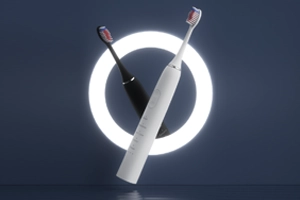
In today’s fast-evolving manufacturing landscape, ensuring consistent product performance is crucial for maintaining customer satisfaction and operational efficiency. However, a growing challenge that many companies now face is Replacement Part Scarcity, which seems to exacerbate Noise Level Spikes during equipment operation. This blog delves into the underlying reasons for this phenomenon, examines its impacts, and proposes strategies to mitigate these issues.
As companies strive to maintain high-quality output in a competitive global market, the availability of replacement parts plays a pivotal role. Replacement Part Scarcity occurs when critical components become difficult to source due to supply chain disruptions, market volatility, or simply outdated inventory. Such scarcity not only prolongs repair times but can also force manufacturers to use substitute parts that may not fully meet the original specifications. This, in turn, can lead to unexpected changes in device behavior, including sudden Noise Level Spikes that compromise both performance and customer satisfaction.
Reliable components are essential to keeping manufacturing equipment and consumer products running smoothly. Component scarcity pressures companies to use lower-quality alternatives or degraded parts over time. Manufacturers may not design these substitutes to effectively absorb or dampen vibrations, leading to noise level spikes during operation. An increase in noise not only serves as a visible symptom of underlying issues but can also reduce the operational lifespan of devices by stressing mechanical and electronic components.
The occurrence of Noise Level Spikes is often a multi-faceted problem. In addition to the use of inferior replacement parts, several factors can contribute to this phenomenon:
Understanding these causes is essential for developing targeted strategies to address the issue effectively.
When a critical component is replaced with a substandard alternative due to Replacement Part Scarcity, its incompatibility can trigger a cascade of issues across the entire system. In many cases, the initial increase in noise is not isolated—it can cause secondary failures by overloading other components or altering system dynamics. This cascading effect can lead to further maintenance challenges, additional parts failures, and ultimately, a deterioration in overall product reliability. Preventing such chain reactions requires a holistic approach to sourcing, quality control, and system design.
To address these challenges, companies should consider several proactive measures:
Looking ahead, continuous improvement and innovation will be key to overcoming the dual challenge of Replacement Part Scarcity and Noise Level Spikes. Manufacturers can leverage emerging technologies such as advanced data analytics, AI-driven predictive maintenance, and smart manufacturing techniques to better anticipate part shortages and their impact on system performance. By integrating these solutions, companies can design more resilient systems that maintain optimal noise levels, even when facing supply chain disruptions. This forward-thinking approach not only enhances product reliability but also reinforces long-term brand credibility in a dynamic market.
Conclusion
The interplay between Replacement Part Scarcity and Noise Level Spikes poses significant challenges for modern manufacturers. The scarcity of high-quality replacement parts can disrupt system stability and lead to abrupt increases in noise, ultimately affecting device performance and customer satisfaction. By addressing the root causes, enhancing quality control, diversifying the supply chain, and investing in innovative maintenance strategies, companies can build resilient systems that safeguard against these disruptive issues. Continuous innovation and proactive management are essential to securing long-term success in an increasingly competitive market.
Interested in exploring strategies to stabilize your supply chain and minimize noise disruptions? Contact us today to learn more about advanced solutions tailored to your specific needs.
.jpg)
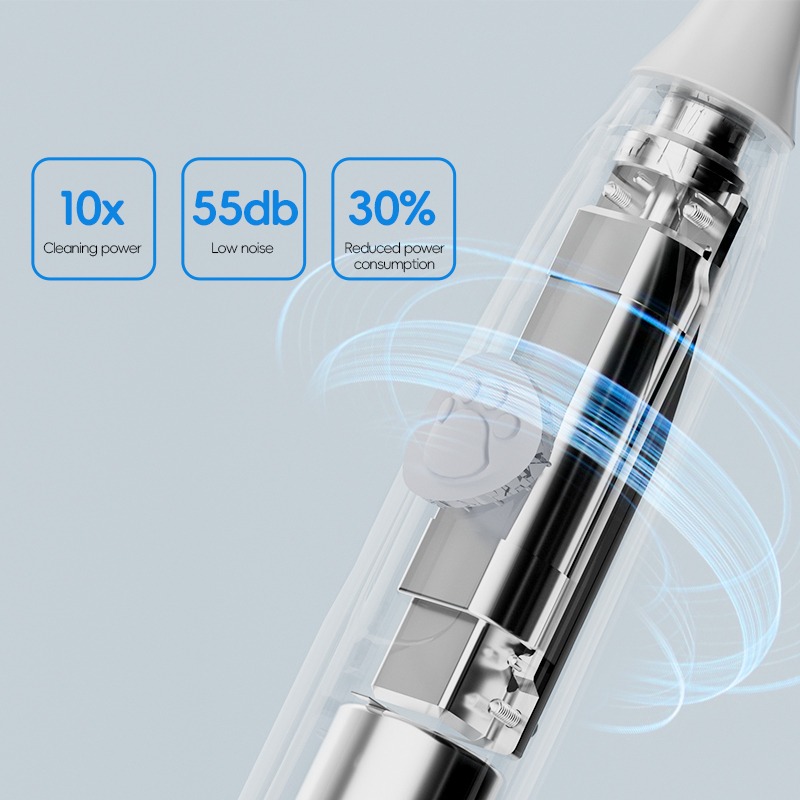
Electric Toothbrush with Anodizing Treatment & Static Protection: Durable, Hygienic, Anti-Static Performance
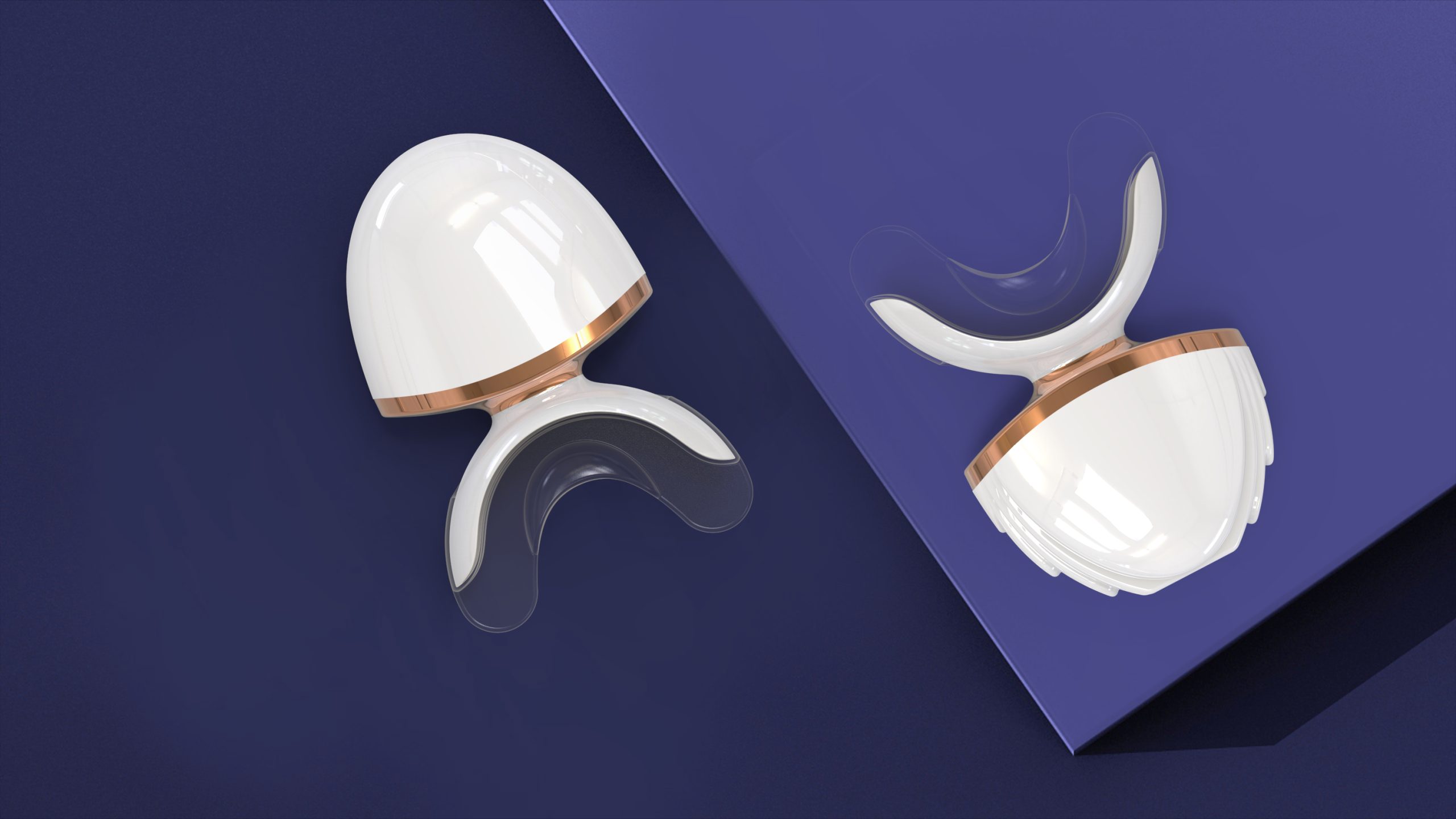
Teeth whitening device OEM: In-Depth Cooperation Model from LOGO to Light Wave Customization
Electric Toothbrush with Replaceable Head OEM | Customizable Oral Care Solutions
Sustainable Electric Toothbrush Wholesale
Electric Toothbrush Compliance Standards for OEM & Global Distributors
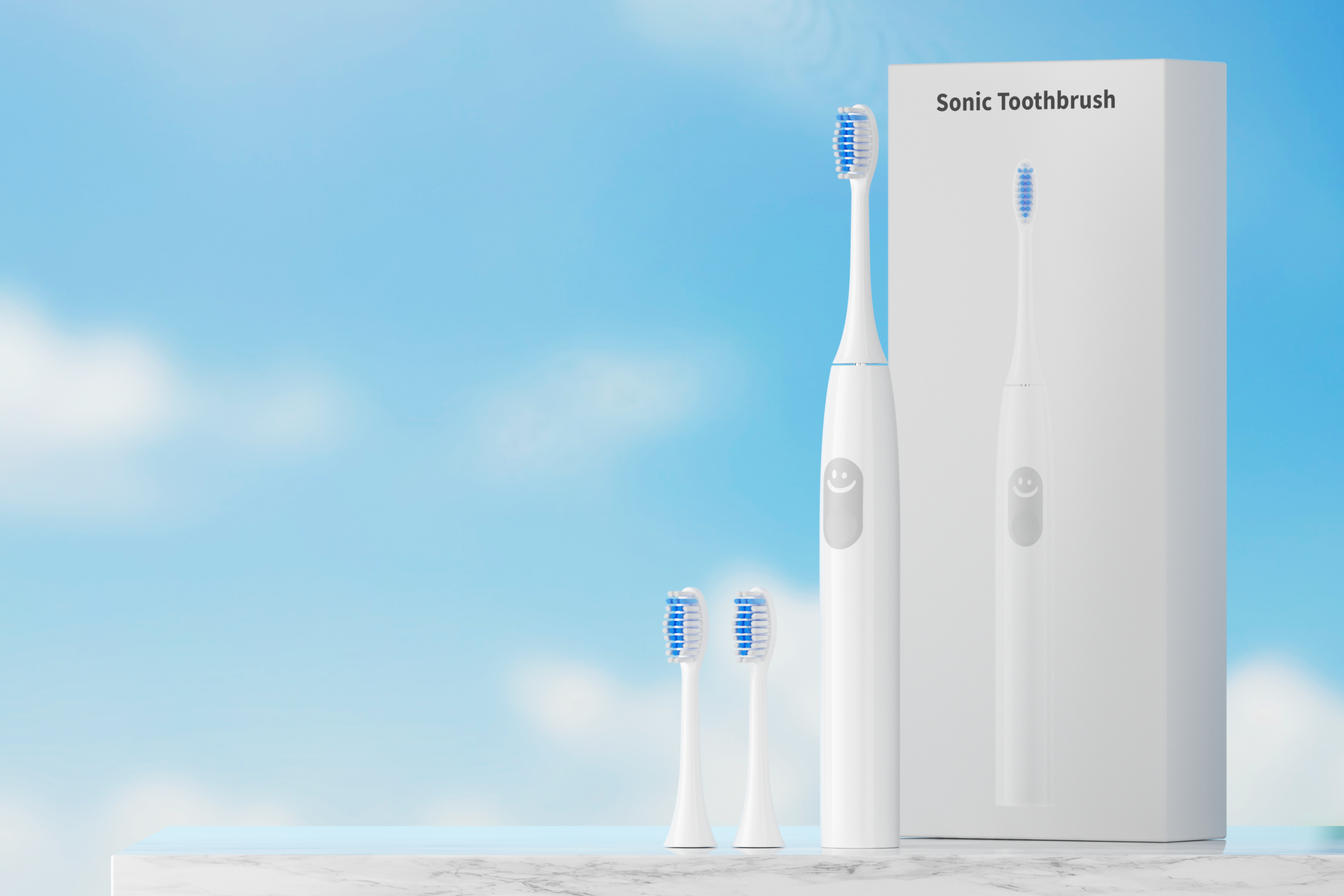
Can a Delhi student toothbrush be quality under a Rupees 1500 toothbrush price point?
Pregnancy Contraindications & Noise Level Concerns: Safe?
Sustainable Toothbrush Packaging Supplier
Electric Toothbrush for Dental Kit Programs | Custom B2B Oral Care Solutions
Eco-Friendly Promo Products for Dental Offices | Sustainable Branding
White Patches Water Flosser | Leukoplakia Care
Indicator Failure Leading Periodontal Pocket Deepening – Undetected?
Do U-shaped Toothbrushes Actually Work? An OEM Manufacturer’s Analysis
Why Is Whitening Kit Compliance Critical When Choosing a Cosmetic Device Manufacturer?
Electric Toothbrush Noise Control Design


.jpg)
.jpg)
.jpg)
.jpg)
.jpg)






.jpg)