
As electric toothbrushes become a standard in personal oral care, consumers are expecting more than just effective cleaning—they demand reliability, safety, and durability. For B2B buyers, this makes electric toothbrush quality control a non-negotiable factor when selecting a manufacturer.
In this blog, we walk through the full quality control process, from incoming materials to final product shipment, with a focus on essential checkpoints like waterproof testing, motor reliability, and functional performance.
Quality begins at the very beginning. Every batch of components, such as ABS/PP plastics, PCB boards, batteries, and motor parts, undergoes rigorous incoming quality inspection (IQC).
Plastic shell parts are checked for uniformity, color consistency, and impact resistance
Electronic components are verified against BOM and tested for compliance
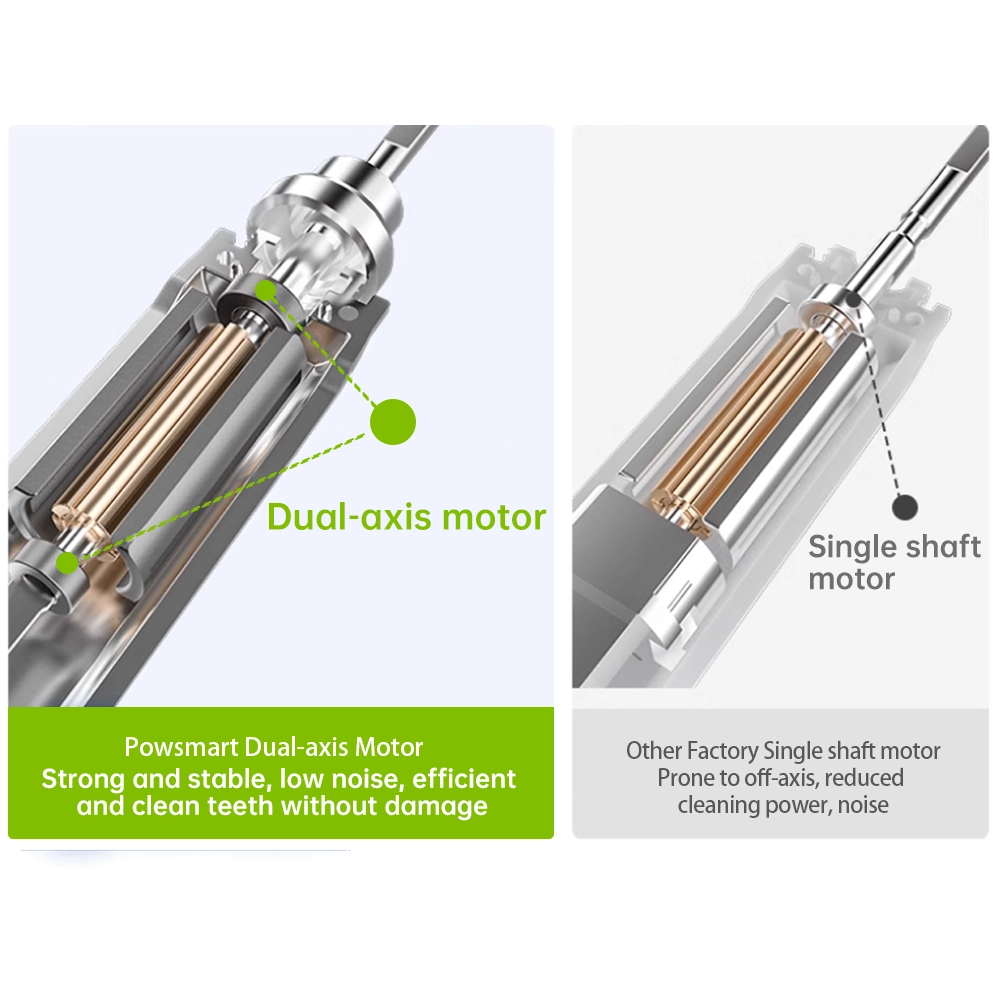
Motors are pre-tested for torque, speed, and noise before assembly
By filtering out defects at the start, we lay a solid foundation for reliable production.
During assembly, in-process quality control ensures that each production step meets required standards. Our trained QC technicians perform inspections at every major stage:
Circuit board mounting
Battery welding and installation
Motor integration into the toothbrush body
Initial functional testing (on/off switch, LED indicators, vibration levels)
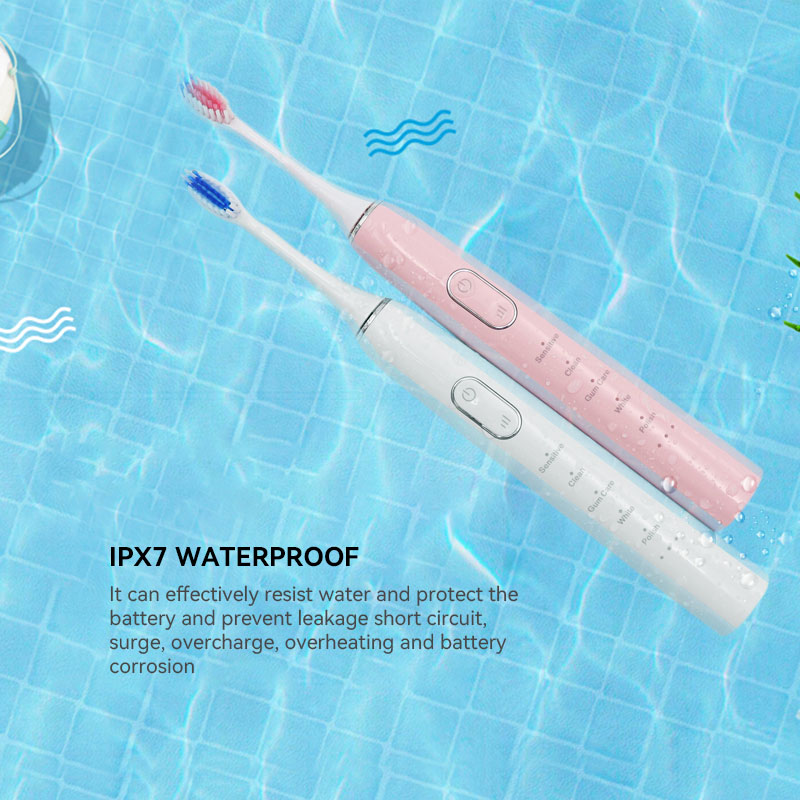
One of the most critical steps in electric toothbrush quality control is waterproof testing, since these devices are used in high-moisture environments like bathrooms and showers.
IPX7/IPX8 waterproof standards are applied depending on the model
Units are submerged in water under pressure for 30 minutes
Post-test functionality checks ensure no leakage, short-circuit, or performance drop
Waterproof integrity is essential not just for user safety, but also to protect internal electronics such as the battery and motor.
A toothbrush’s cleaning power heavily depends on motor reliability. To ensure consistent performance:
Testing the motor is to ensure speed stability, vibration strength, and noise control
Long-duration operation tests (e.g., 2–4 hours) simulate extended use
Testing Battery cycles is to verify charge capacity and durability over time
This phase guarantees that the core function of the electric toothbrush—effective brushing—is never compromised, even after months of use.
Before packaging, every unit undergoes a final quality check:
Visual inspection for scratches, loose parts, or assembly gaps
Full functional testing (vibration, buttons, LED indicators, charging ports)
Barcode scanning for product traceability
Random drop tests to verify shock resistance during shipping
Only after passing all these inspections does a unit move into packaging and shipment.
For B2B clients, consistent product quality is not just a promise—it’s a brand guarantee. By implementing a comprehensive, multi-stage electric toothbrush quality control process that includes waterproof testing, motor reliability checks, and full functional assessments, professional manufacturers ensure every device performs as expected.
Looking for a dependable electric toothbrush OEM/ODM partner with proven quality control systems? Contact us today to explore how we can support your brand with world-class manufacturing and testing protocols.
.jpg)
Electric Toothbrush OEM/ODM Solutions for Small Batch Customization
How Does Water Tank Molding Design Integrate with a Gravity Feed System?

Is Kids’ Electric Brushing Really Safe?
5 Signs Your Electric Toothbrush Is Failing & What It Means for OEM Quality
Smart Toothbrush B2B Solutions for Global Distributors
Solving the Common Issues of New Teeth Whitening Devices: Smart Countdown + How to Reduce 70% of Misoperations?
“Manual vs. Electric Toothbrush: Which is Better?”
Why Is Spectral Output Optimization Verified Through Accelerated Aging Tests for Whitening Devices?
Why Is Pulsation Frequency Modulation Dependent on Precise Flow Rate Calibration?
.jpg)
Is There a Difference Between a Waterpik and a Water Flosser? An OEM Factory Explains
Toddler Water Flosser Introduction | Guide for Kids’ First Teeth
.jpg)
Is a Quiet Electric Toothbrush Best for NYC Apartments?
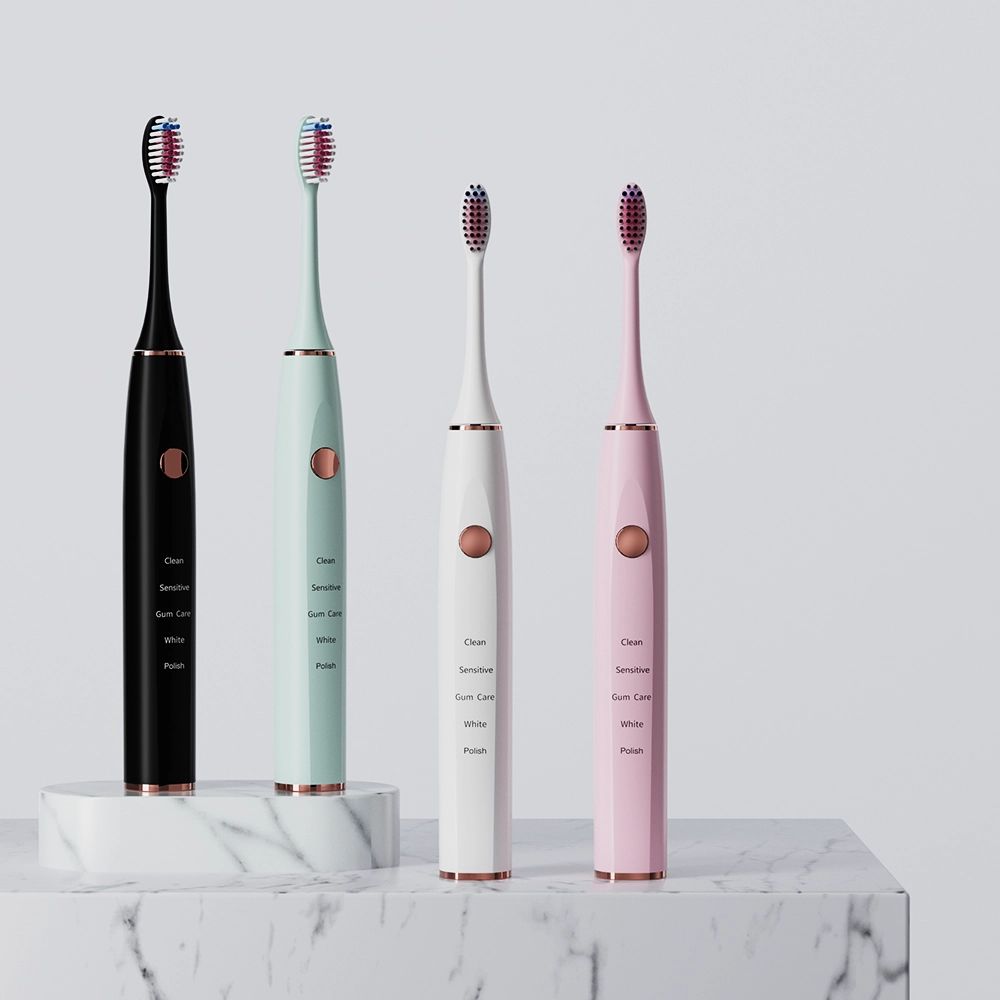
Comparing Button Types in Electric Toothbrushes: Which is Best for Your Product?
How Does a High-pressure Pump Module Integrate with a Pulse Frequency Controller for Effective Flossing?
As a Micro Motor Supplier, Do You Guarantee Brush Head Compatibility?
.jpg)
How the GUM post-surgery ultra-soft toothbrush achieves gentle and non-irritating cleaning


.jpg)
.jpg)
.jpg)
.jpg)
.jpg)






.jpg)
.jpg)
.jpg)