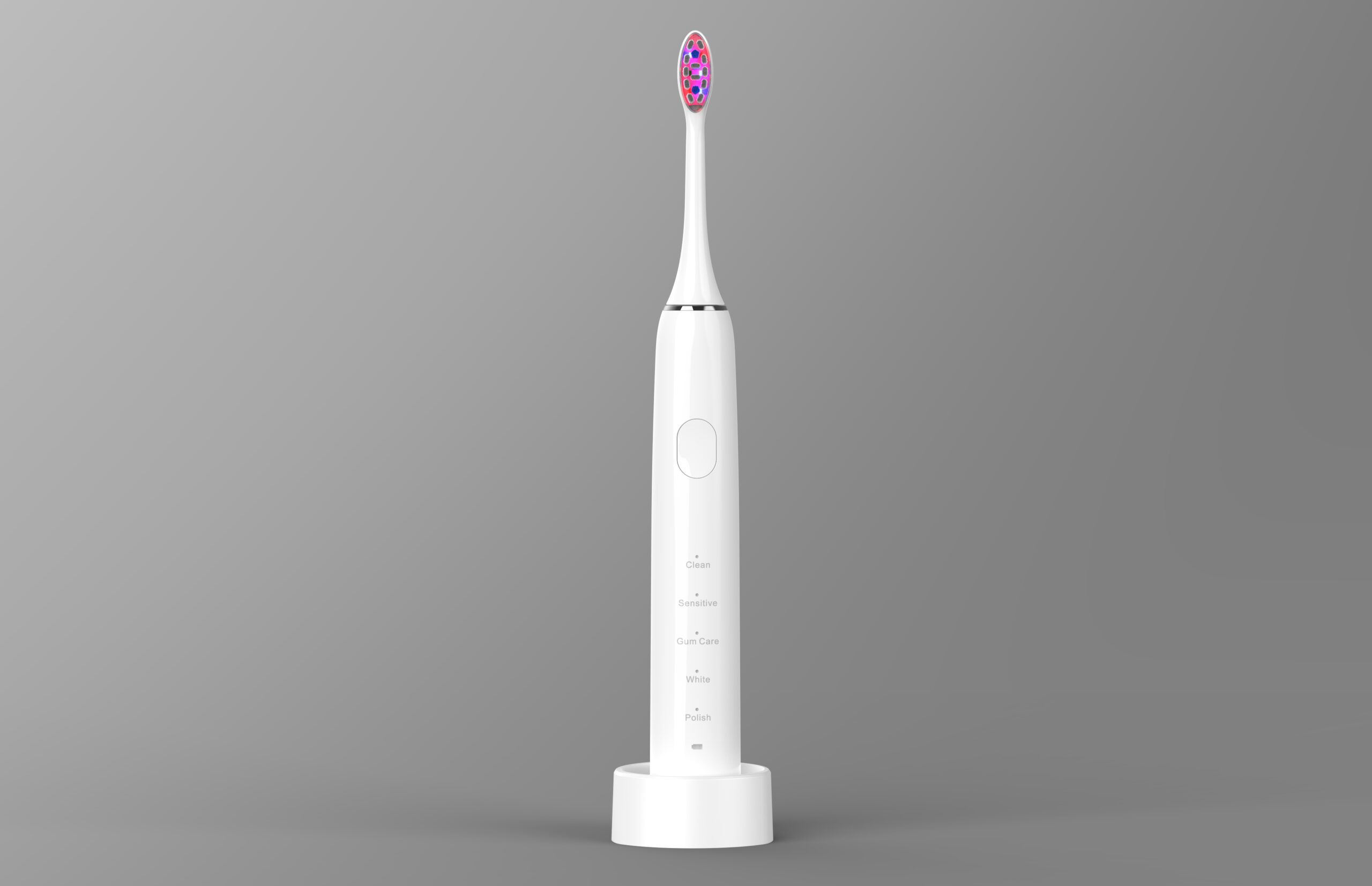
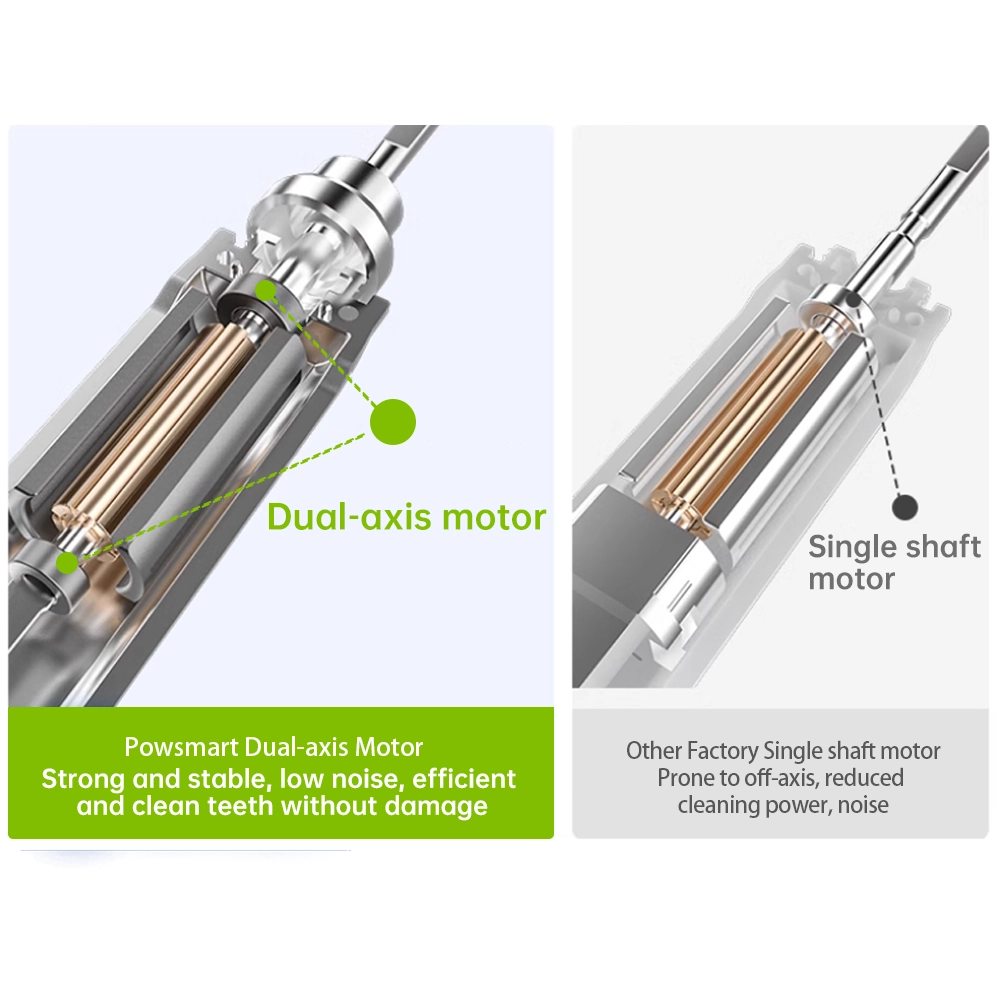
Black mold on an electric toothbrush handle is a common hygiene issue that often results from prolonged exposure to moisture and poor ventilation around the bathroom sink area. When water remains trapped between the handle grooves or under the brush head, it creates a damp environment ideal for mold growth.
For users and brands alike, this problem not only affects hygiene but also product perception. As a professional electric toothbrush OEM manufacturer, understanding how to prevent black mold through design and production is a key part of maintaining a reliable and premium user experience.
If black mold has already appeared, the first step is safe removal:
Detach the brush head and rinse it under warm running water.
Wipe the handle with a soft cloth soaked in a mild disinfectant or a mixture of vinegar and water.
Avoid harsh abrasives that could damage the surface coating.
Dry thoroughly after cleaning to prevent moisture retention.
For end users, consistent maintenance is crucial. But for OEM brands, the true solution lies in design and manufacturing improvements that make mold growth less likely from the start.
A well-engineered hygienic handle design minimizes the risk of mold accumulation. Smooth surfaces, sealed joints, and waterproof integration between components help prevent moisture build-up. Additionally, ergonomic design considerations ensure the toothbrush remains comfortable to hold while reducing hidden crevices where dirt and bacteria can grow.
Forward-thinking brands often work with their OEM partners to develop such hygienic handle designs early in the product development stage.
Choosing the right materials is essential for long-term cleanliness and durability. Premium toothbrush handles often use anti-bacterial or hydrophobic materials that resist water absorption and discourage mold growth. Proper material selection not only enhances hygiene but also strengthens the handle’s resistance to cleaning agents and daily wear.
A proactive OEM manufacturer will test various plastics, silicone coatings, and sealing compounds to ensure they meet safety and waterproofing standards.
To truly prevent black mold, brands should collaborate with manufacturers who practice proactive OEM manufacturing. This means addressing hygiene risks during every stage of production—from mold-proof material sourcing and ultrasonic welding for waterproof seals, to advanced coating technologies that resist biofilm formation.
Such proactive measures help ensure the toothbrush maintains its clean appearance and performance throughout its lifespan, even in humid environments.
For OEM brands, a mold-free toothbrush handle is more than a design feature—it’s a trust signal. End consumers associate hygiene with product quality and brand reliability. By combining hygienic handle design, high-quality material selection, and proactive OEM manufacturing, brands can not only prevent black mold effectively but also position themselves as leaders in oral care innovation.
.jpg)
Toothbrush Supplier for Amazon Sellers
ADA-Approved Sonic Toothbrush OEM
Is the brush head replacement reminder function really useful?
Aging Teeth Whitening Guide: Realistic Brightening for Mature Smiles
How Long Is the Warranty on a Water Flosser? OEM Policy Guide
Electric Toothbrush Design Customization for OEM and Private Label Brands
.jpg)
Cost-Effective Customization: Balancing Quality and Price in OEM Toothbrushes

How to Relieve Wisdom Teeth Migraine and Headache: Effective Solutions
Handle Cracking and Sinus Pressure – Related?
Motorized Toothbrush Testing & Overall Solutions | Quality Assurance
Can Excessive Vibration from Electric Toothbrushes Loosen Teeth?
Why Opt for Private Label Toothbrush Solutions in Handling Bulk Toothbrush Orders Efficiently?
Electric Toothbrush Packaging Supplier
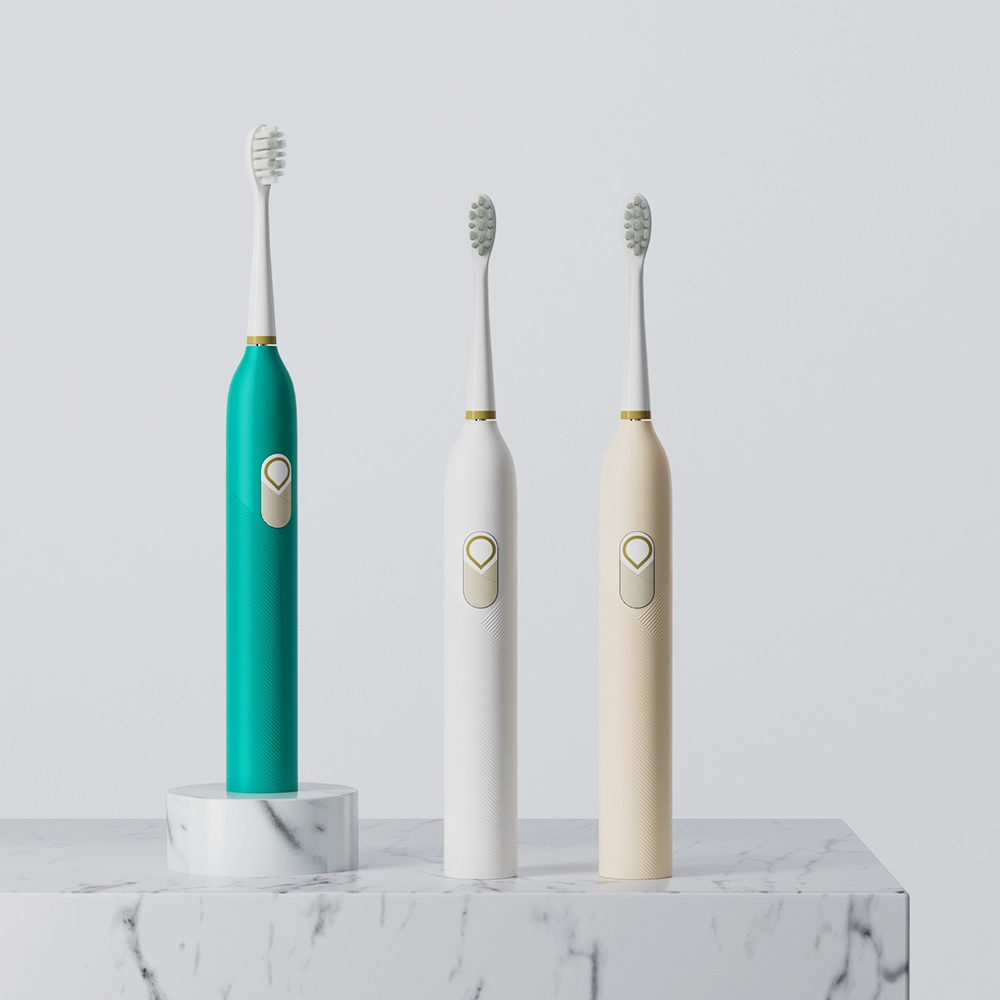
Life cycle of Electric Toothbrushes! Its Components and Effects
Microplastics-Free Electric Toothbrush Production for Safer OEM Products

Overcoming Supply Chain Challenges in Oral Care OEM Manufacturing


.jpg)
.jpg)
.jpg)
.jpg)
.jpg)