
.jpg)
As awareness around oral health continues to grow, a large segment of consumers is shifting toward sensitive gums oral care solutions. People with gum irritation, bleeding, or post-treatment sensitivity are actively seeking gentler alternatives. For oral care brands, this presents a promising niche. But to capture this market, it’s essential to collaborate with a manufacturing partner that specializes in gentle oral care products manufacturing. This blog serves as a guide for brand owners looking to develop or expand their oral care products for sensitive gums portfolio. Understanding the Needs of Sensitive Gums Users Before launching a product line, it's crucial to understand the specific needs of users with sensitive gums. Key concerns include: Avoiding harsh bristles or aggressive brushing mechanisms Minimizing chemical irritants in toothpaste or rinse formulations Seeking soothing, anti-inflammatory ingredients (like aloe vera, chamomile, or allantoin) These users prioritize comfort, safety, and clinical efficacy, which should be reflected in your product design and ingredient choices. What Makes an Oral Care Product “Gentle”? When sourcing or developing gentle oral care products for sensitive gums, brands must consider: Soft or ultra-soft bristles in toothbrushes, especially sonic or electric types Low-abrasive toothpaste formulas without sodium lauryl sulfate (SLS) Water flossers with pressure control to avoid damaging…
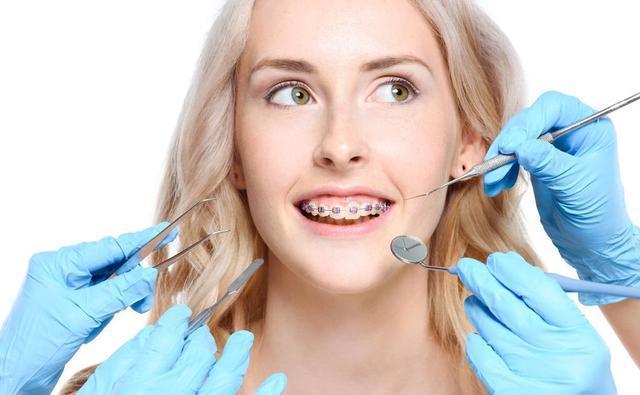
Braces wearers face unique oral hygiene challenges due to the complexity of cleaning around brackets, wires, and tight spaces. For oral care brands and retailers, offering dentist-recommended braces cleaning products is not only a market necessity but also a growing opportunity in orthodontic care. This blog serves as both an insightful product selection guide and a directional piece for partnering with the right oral cleaning products manufacturer to serve this niche effectively. The Challenges of Braces Oral Hygiene Braces make regular oral care significantly more difficult, with increased risk of: Plaque buildup Gum inflammation Enamel decalcification Bad breath As a result, braces wearers oral care tips from dental professionals often focus on specialized tools designed to clean around orthodontic appliances. This demand creates opportunities for brands to expand their product lines with purpose-built solutions. Essential Features of Dentist-Recommended Braces Cleaning Products To meet professional standards, dentist-recommended braces cleaning products typically include features such as: Soft or orthodontic brush heads High-frequency vibration or sonic technology Water-based interdental cleaning systems Wax-free, fluoride-rich formulations Oral care brands seeking to stand out in this space should focus on product performance validated by dental professionals or clinical trials. Top Product Categories for Braces Wearers A comprehensive oral care solution for…
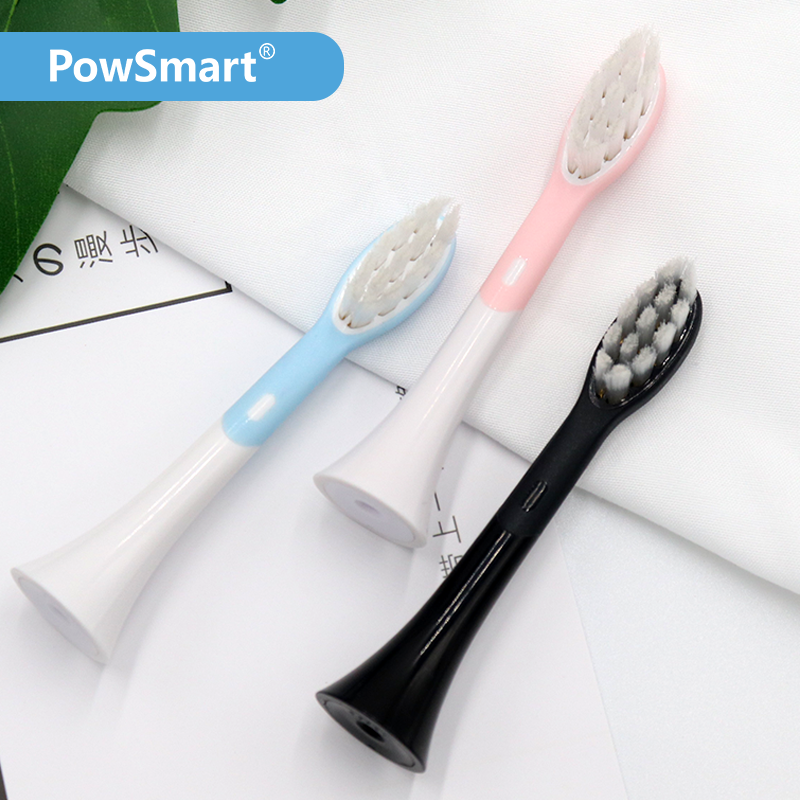
As oral care continues to shift toward smart, modular solutions, one of the most common industry questions is: Are electric toothbrush heads universal? For oral care brands and retailers, understanding compatibility is more than a product detail—it’s key to product development, customer satisfaction, and long-term market success. In this blog, we will explore the compatibility landscape of replaceable electric toothbrush heads, analyze the design and functional differences, and highlight business opportunities for brands looking to partner with an oral care products manufacturer. The Basics: What Are Replaceable Electric Toothbrush Heads? Replaceable electric toothbrush heads are detachable brush components designed to be swapped out regularly—usually every 3 months—for hygiene and performance purposes. They are critical not only for end-user health, but also as a recurring revenue stream for brands. Most brush heads include: A plastic or rubberized base Nylon bristles with varied hardness Embedded or sonic-motion compatible connectors Color fading indicators or soft wear alerts These components offer flexibility for product differentiation, but they also raise the issue of compatibility across brands. Are Electric Toothbrush Heads Universal? In short: No, electric toothbrush heads are not truly universal—but the market is moving toward greater standardization. Most brands, especially major ones like Philips Sonicare and Oral-B,…
.jpg)
As device design advances in the oral care industry, vestibular stimulation—the activation of oral tissue through vibration, motion, or pressure—has become an increasingly common feature in consumer and clinical-grade devices. While intended to enhance user comfort or circulation, there is growing concern that excessive or improperly calibrated stimulation may accelerate tooth demineralization. Could the very technology designed to promote oral health be undermining enamel integrity? What Is Vestibular Stimulation in Oral Care Devices? Vestibular stimulation refers to the mechanical activation of the oral vestibule—the area between the teeth, lips, and cheeks—often through: Sonic or ultrasonic vibrations Oscillatory brush head movements Pulsed water jets in irrigators These features are often marketed as comfort-enhancing or circulation-boosting. However, when over-applied or poorly regulated, they may introduce stress to enamel and surrounding tissues. Understanding Tooth Demineralization Mechanisms Tooth demineralization occurs when minerals, primarily calcium and phosphate, are gradually lost from the enamel surface due to acid attacks or mechanical erosion. Contributing factors include: Low pH environments Frequent exposure to sugars and acids Inadequate remineralization support Physical friction or stress from device surfaces Demineralized enamel becomes porous, sensitive, and more susceptible to decay—making it a silent yet critical threat to long-term oral health. The Connection…
.jpg)
The global oral care market is rapidly evolving, with smart technology becoming a key differentiator. Bluetooth-enabled electric toothbrushes are no longer niche—they’re a fast-growing category that blends health tech with everyday hygiene. For brands aiming to expand their product line or launch a new oral care venture, tapping into this trend through smart toothbrush customization and bulk manufacturing partnerships offers immense growth potential. This guide is designed to help brand owners and private label companies navigate the process of working with a B2B toothbrush supplier, including steps for customization, quality assurance, and how to secure the right oral care OEM factory for your needs. Understanding the Bluetooth-Enabled Electric Toothbrushes Market Opportunity Smart toothbrushes are transforming the oral care experience. Equipped with real-time feedback, brushing habit tracking, and app integration, Bluetooth-enabled models are especially attractive to tech-savvy consumers and parents alike. Key benefits driving market demand: Growing consumer interest in health-tech integration Subscription model opportunities via app platforms Competitive differentiation through smart features Now is the ideal time to explore Bluetooth-Enabled Electric Toothbrushes wholesale partnerships to stay ahead of market trends. Smart Toothbrush Customization: What Can Be Tailored? When partnering with a manufacturer, brands can go beyond just adding a logo. A capable oral care OEM can help…
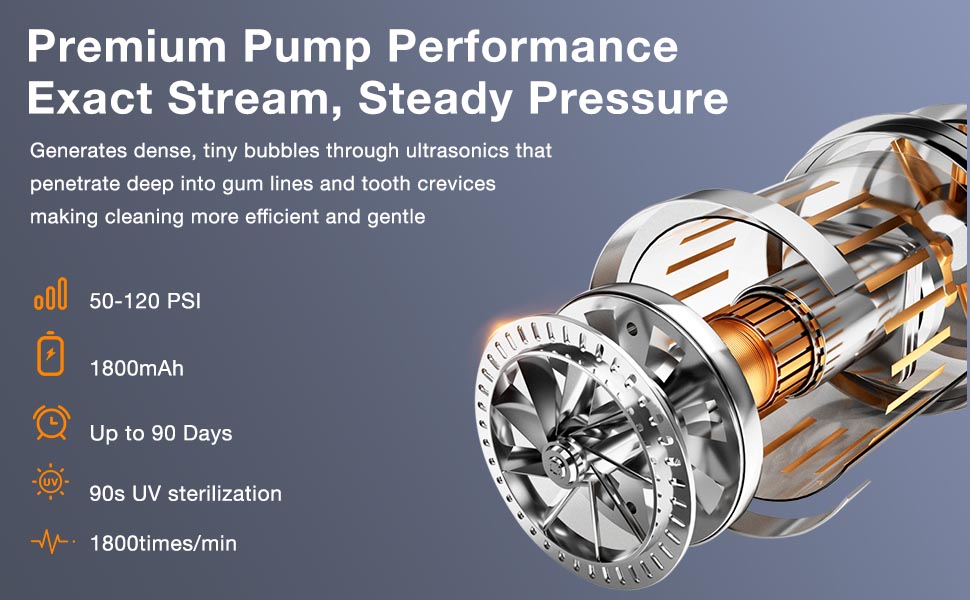
Introduction: High-Speed Sonic Brushing and Gum Recession—A Cause for Concern? With the rise of high-performance oral care tools, the 40000 Strokes/Min Sonic Brush has become a benchmark in the electric toothbrush market. This rapid-motion technology promises superior plaque removal, deep cleaning, and improved user efficiency. However, among dental professionals and OEM partners alike, a recurring concern has emerged: Does the 40000 Strokes/Min Sonic Brush contribute to Gum Recession? To answer this, we must investigate how high-frequency brushing interacts with delicate gingival tissue, and whether poor design, improper usage, or mechanical imbalance could aggravate the risk. Understanding the Function of a 40000 Strokes/Min Sonic Brush The sonic toothbrush operating at 40000 strokes per minute uses high-speed vibration to agitate fluids and dislodge plaque even beyond the physical contact of bristles. This intense oscillation is ideal for: Breaking down biofilm and tartar in hard-to-reach areas Enhancing microbubble cleaning through fluid dynamics Delivering a consistent brushing rhythm for standardized oral care However, such intensity must be finely tuned. If not, users may apply excessive pressure or experience prolonged exposure to vibrational force—two key contributors to gum recession. What Is Gum Recession and Why Does It Matter? Gum recession refers to the gradual pulling…
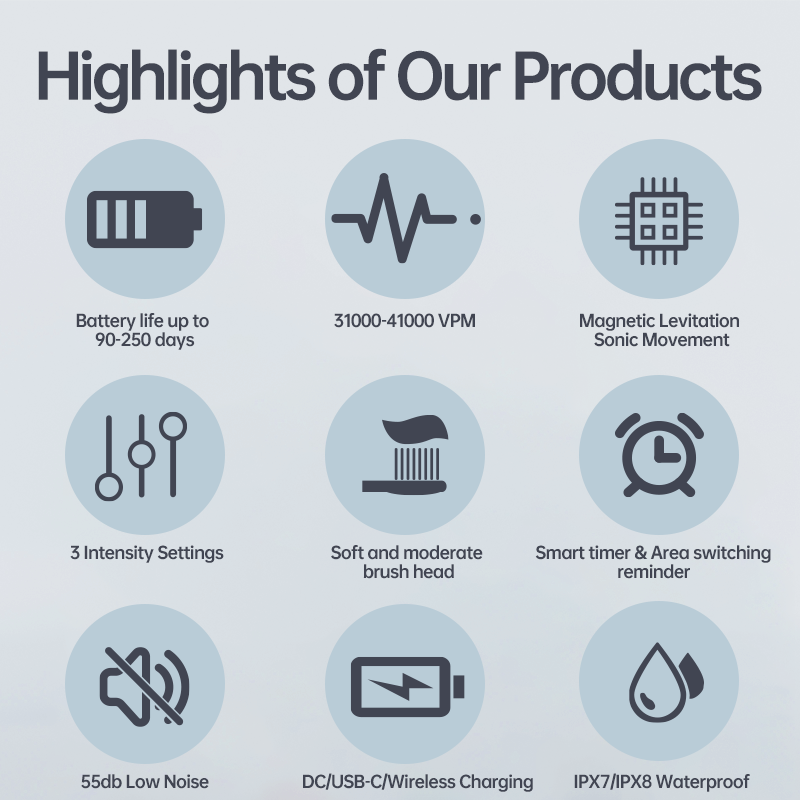
Introduction: A Small Leak, a Big Problem? As portability and convenience become key selling points in oral care, the Travel Electric Toothbrush is seeing a surge in demand across global B2B channels. However, with compact size and mobile usage comes a heightened reliance on waterproof integrity. A frequently overlooked but critical concern is: Can waterproof failure in a travel electric toothbrush lead to internal circuit corrosion? The short answer is yes—and the implications for reliability, safety, and brand credibility are severe. This blog dives deep into how waterproof failure occurs, its direct link to circuit corrosion, and how manufacturers can proactively address the issue. Understanding Travel Electric Toothbrush Construction A Travel Electric Toothbrush typically integrates a compact high-speed motor, lithium-ion rechargeable battery, microcircuit control board, and pressure-sensitive brushing feedback—all within a slim enclosure. Because these components are tightly packed and often exposed to water during brushing, waterproofing becomes not just a cosmetic feature, but a critical functional protection barrier. Failure in this area can compromise the entire device's integrity. Key Materials and Design Elements in Waterproofing To defend against moisture infiltration, quality toothbrush manufacturers employ: IPX7 or higher-rated sealing standards Ultrasonic welding at joint seams Silicone O-rings in charging ports…
.jpg)
Introduction: Brush Shedding – A Critical Concern for Sensitive Gums For brands catering to oral care users with delicate needs, the Sensitive Gum Electric Toothbrush has become a flagship product category. However, reports of brush shedding—where bristles detach prematurely—are raising legitimate concerns across supply chains. Not only does bristle loss compromise cleaning performance, but for users with sensitive gums, it can trigger irritation, inflammation, or even accidental ingestion. This article explores why brush shedding happens, its implications for sensitive users, and how manufacturers can design toothbrushes that are both gentle and structurally sound. Why Sensitive Gums Require Specialized Design Consumers with sensitive gums are prone to bleeding, swelling, or discomfort when using standard brushes. As a result, soft bristles, low-pressure modes, and ergonomic head design are key selling features in any Sensitive Gum Electric Toothbrush. However, softness and flexibility must not compromise bristle retention strength. This fine balance is often where manufacturing shortcuts cause issues. Root Causes of Brush Shedding in Electric Toothbrushes Several technical and material-based factors can lead to premature bristle loss: Inconsistent bristle tufting depth or anchoring during assembly Low-grade PBT or nylon filament fatigue after limited use Overuse of ultrasonic welding without tuft-hole reinforcement Inadequate QC…
-2-scaled.png)
In today’s competitive personal care market, small business oral care has emerged as a promising niche within the broader health & household products category. Consumers are increasingly aware of the importance of dental hygiene, driving demand for specialized, effective, and sustainable products. For small brands looking to enter or scale within this space, finding the right manufacturing partner is key to delivering the best oral care products to the market. This blog outlines the essential steps and strategies to help small oral care brands connect with capable manufacturers and offer high-quality, affordable oral care solutions. Understanding the Small Business Oral Care Landscape The oral care industry is evolving beyond basic toothbrushes and toothpaste. Today’s consumers expect more from health & household products, including features like sonic brushing, eco-friendly packaging, and multi-functional oral hygiene kits. For small businesses, this creates opportunities to innovate, differentiate, and fill market gaps not addressed by major brands. Whether you’re launching a new electric toothbrush line or a curated set of whitening and gum care kits, the market rewards those who focus on quality and targeted problem-solving. Identifying the Best Oral Care Products for Your Brand Before approaching manufacturers, it’s essential to define your product range. Consider including…
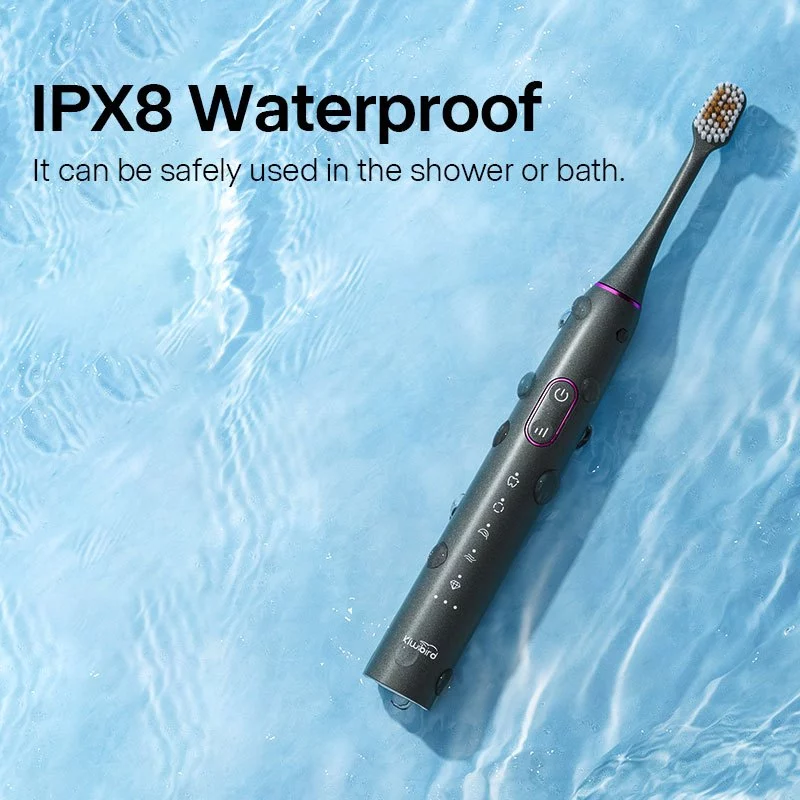
In today’s competitive oral care market, electric toothbrushes come in a wide range—from simple budget models to premium smart designs. For oral care brands seeking to source reliable manufacturers, understanding the core electric toothbrush differences is crucial for developing a product portfolio that aligns with consumer expectations and pricing strategies. This blog offers a toothbrush comparison between cheap electric toothbrushes and high-end electric toothbrushes, highlighting 5 key differences to guide your sourcing and product development decisions. Motor Technology & Performance One of the most fundamental differences lies in the motor system. Cheap electric toothbrushes typically use basic vibration motors with lower RPMs (around 6,000–12,000 strokes/min). These models provide basic plaque removal but limited deep-cleaning capabilities. High-end electric toothbrushes, on the other hand, feature high-frequency sonic or oscillating-rotating motors that can reach up to 40,000 strokes/min. These deliver superior plaque removal and gum stimulation. ? When selecting a manufacturing partner, assess their capability in producing motors with variable frequency or sonic technology—key aspects of oral care technology today. Battery & Charging Options Battery quality directly impacts product usability and consumer satisfaction. Budget models often use AA batteries or low-cost rechargeable cells with short lifespan and limited usage per charge. Premium models typically include long-lasting lithium-ion batteries, fast-charging…
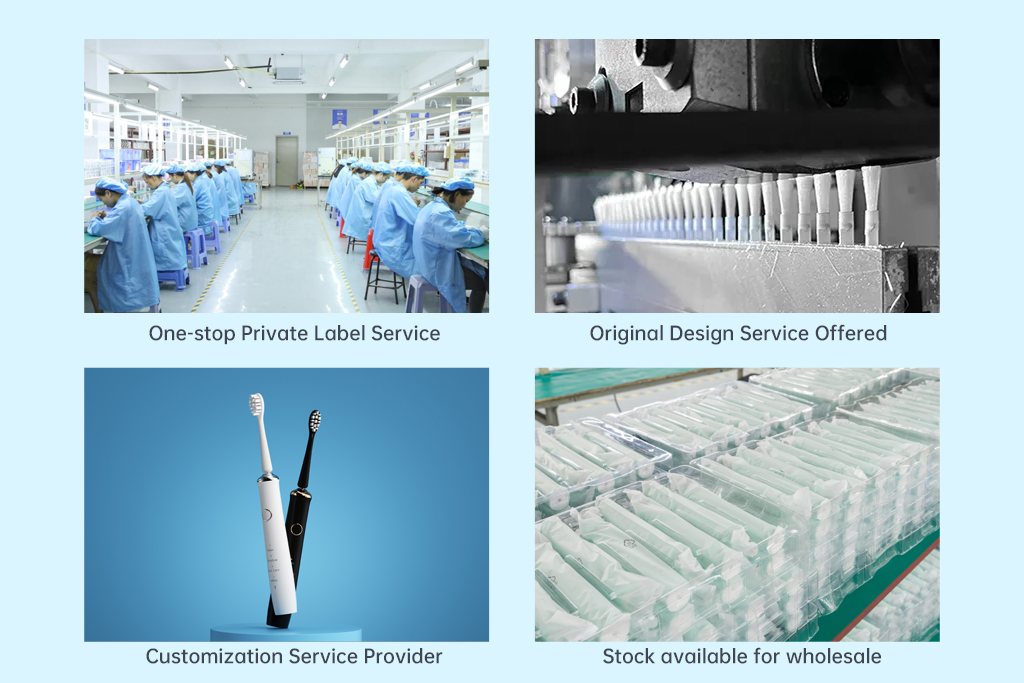
With the competitive dental care market growing rapidly, competition among oral care brands is fiercer than ever. To stand out, brands must understand which competitive oral care products are currently in demand and what consumers are looking for in their oral hygiene routines. From dental care market trends to oral hygiene innovations, this blog provides manufacturers and brand owners with a clear roadmap to product development and strategic sourcing. Understanding Dental Care Market Trends To succeed in today’s oral care industry, it’s critical to align with current dental care market trends. Key developments include: Increased awareness of preventative care Consumer demand for personalized and tech-enabled products Rising preference for eco-friendly and sustainable options Growth in at-home oral care routines, especially post-pandemic These trends are shaping the future of what qualifies as high-demand dental products, forcing manufacturers and brands to evolve beyond traditional brushes and pastes. Characteristics of Competitive Oral Care Products What makes a product truly competitive in this saturated market? Here are key characteristics: Functionality & Innovation: Products that integrate new technology or design for better results—think sonic vibration, pressure sensors, and AI feedback apps. User-centric design: Sleek, ergonomic, and easy-to-use products win user loyalty. Scientific validation: Backed by dental professionals…
.jpg)
In the realm of personal care device design, especially in products like sonic toothbrushes and water flossers, vestibular stimulation and head positioning are rarely discussed together. Yet, users occasionally report dizziness, vertigo, or disorientation after prolonged device use. Could vestibular stimulation caused by device vibrations or water jets, coupled with specific head positioning, be a hidden cause of user discomfort? This blog delves deep into this overlooked topic to clarify its impact on user experience and product safety. What Is Vestibular Stimulation and Why Does It Matter? Vestibular stimulation refers to any mechanical input—vibrations, water pulses, or sonic waves—that interacts with the inner ear’s balance system. In oral care devices: High-frequency vibrations from sonic motors. Directional water jet pulses from flossers. These stimuli, though intended for cleaning efficiency, may inadvertently affect the vestibular apparatus, especially in sensitive users. How Head Positioning Affects Vestibular Sensitivity Head positioning plays a crucial role in vestibular response: Tilting the head backward during brushing or flossing may expose inner ear structures more directly to vibratory or pulse-induced energy. Certain angles increase stimulation transmission from oral cavity to cranial regions. Prolonged improper positioning exacerbates sensations of imbalance or dizziness. Understanding head angles during use is thus…
In modern oral care device design, both mechanical action and user technique influence plaque removal outcomes. Surprisingly, one overlooked factor is the angle technique during brushing. Whether using manual brushes, sonic toothbrushes,or professional cleaning tools, incorrect angle positioning can significantly reduce cleaning efficiency, compromising oral hygiene. But how exactly does angle control influence plaque removal, and what can manufacturers do to address this problem at the design stage? Understanding Angle Technique in Oral Hygiene Angle technique refers to the angle at which a brush head contacts the tooth surface and gum line during cleaning. Dental professionals recommend a 45° angle for optimal plaque removal, ensuring bristles reach into the gingival margin where plaque typically accumulates. However: Most consumers apply brushes at incorrect angles. Automatic brushing devices often lack intelligent angle guidance. Manufacturers that fail to address angle control in their design may inadvertently limit plaque removal efficiency. How Angle Technique Directly Impacts Plaque Removal Efficiency Improper angle technique leads to: Missed plaque along gum lines. Insufficient cleaning between teeth. Uneven force distribution across tooth surfaces. This means even a high-performance sonic motor or advanced brush head may fail to deliver expected plaque removal if bristle orientation isn’t optimized. Company web:https://www.powsmart.com/product/electric-toothbrush/…
Tooth demineralization and enamel microfractures may seem like minor issues during initial detection, but in the world of oral care technology, they signal a silent yet dangerous crisis. As leading oral care product manufacturers, understanding the interplay between these two conditions is critical to preventing long-term dental damage and protecting end-user health. What Is Tooth Demineralization? Tooth demineralization refers to the loss of essential minerals, such as calcium and phosphate, from the tooth surface, leading to enamel weakening. In daily oral care: Acidic environments (from diet or bacterial plaque) accelerate mineral loss. Poorly optimized toothpaste dispensers or overly abrasive brush heads exacerbate the problem. Insufficient fluoride exposure prevents remineralization cycles. Manufacturers must recognize this as a progressive condition that undermines enamel integrity at a microscopic level. The Hidden Threat of Enamel Microfractures Simultaneously, enamel microfractures develop from mechanical stresses: Hard bristle splaying. Excessive vibration frequencies in sonic toothbrushes. Improper brush head angling due to non-ergonomic handle design. While microscopic, these fractures compromise the enamel’s protective role, providing entry points for acids and bacteria. Company web: https://www.powsmart.com/product/electric-toothbrush/ Are Tooth Demineralization and Enamel Microfractures Linked? Absolutely. Tooth demineralization weakens the enamel structure, making it more susceptible to microfracture formation. Conversely, enamel microfractures…
Pulp inflammation occurring alongside periodontal pocket deepening raises urgent concerns for both clinicians and oral care product manufacturers. While periodontal deterioration is often viewed as a long-term risk, the potential for pulp tissue inflammation transforms it into a possible emergency, especially when left undetected. Understanding this interrelationship is vital for manufacturers aiming to deliver truly protective oral care devices. What is Periodontal Pocket Deepening? Periodontal pocket deepening refers to the progressive increase in the space between the tooth and gum, typically caused by plaque buildup, bacterial infection, and poor oral hygiene. As pockets deepen: Food debris and biofilm become harder to remove. Inflammation spreads from gums to underlying periodontal structures. Critical barriers protecting the tooth’s pulp chamber are compromised. For device manufacturers, recognizing how their products affect periodontal health is the first step toward effective prevention. Why Does Pulp Inflammation Follow? With periodontal pocket deepening, bacteria and inflammatory mediators penetrate deeper into supporting tissues, sometimes breaching the apical foramen: This triggers pulp inflammation, leading to sensitivity, discomfort, and potential necrosis. The direct communication between periodontal and pulp tissues means periodontal infection can rapidly evolve into endodontic complications. Once the pulp is compromised, the tooth’s structural and functional integrity is at…
In the lifecycle of electric personal care devices, two seemingly unrelated failures—seal degradation and circuit corrosion—can silently develop and eventually result in a major safety hazard. When the integrity of a device’s sealing system is compromised, it opens a pathway for moisture to infiltrate, initiating corrosion in the circuit board. This degradation chain can lead not only to functional failure but also to serious user risks such as overheating, short circuits, or even battery leakage. Understanding how these failures interact—and how to prevent them—is essential for manufacturers committed to delivering safe, durable products. How Seal Degradation Begins: The First Line of Defense Fails Seal degradation typically starts with: Material aging (e.g., silicone or rubber drying or hardening) UV exposure or chemical interactions from cleaning agents Improper installation during assembly Mechanical fatigue from repeated flexing or vibration Once degraded, seals can no longer effectively block out moisture, allowing vapor or liquid ingress over time. This breach may seem minor at first but is the first domino in a much larger failure scenario. The Pathway to Circuit Corrosion: From Leak to Damage When a degraded seal allows water or vapor to enter the device’s internal cavity, it often condenses near the printed…
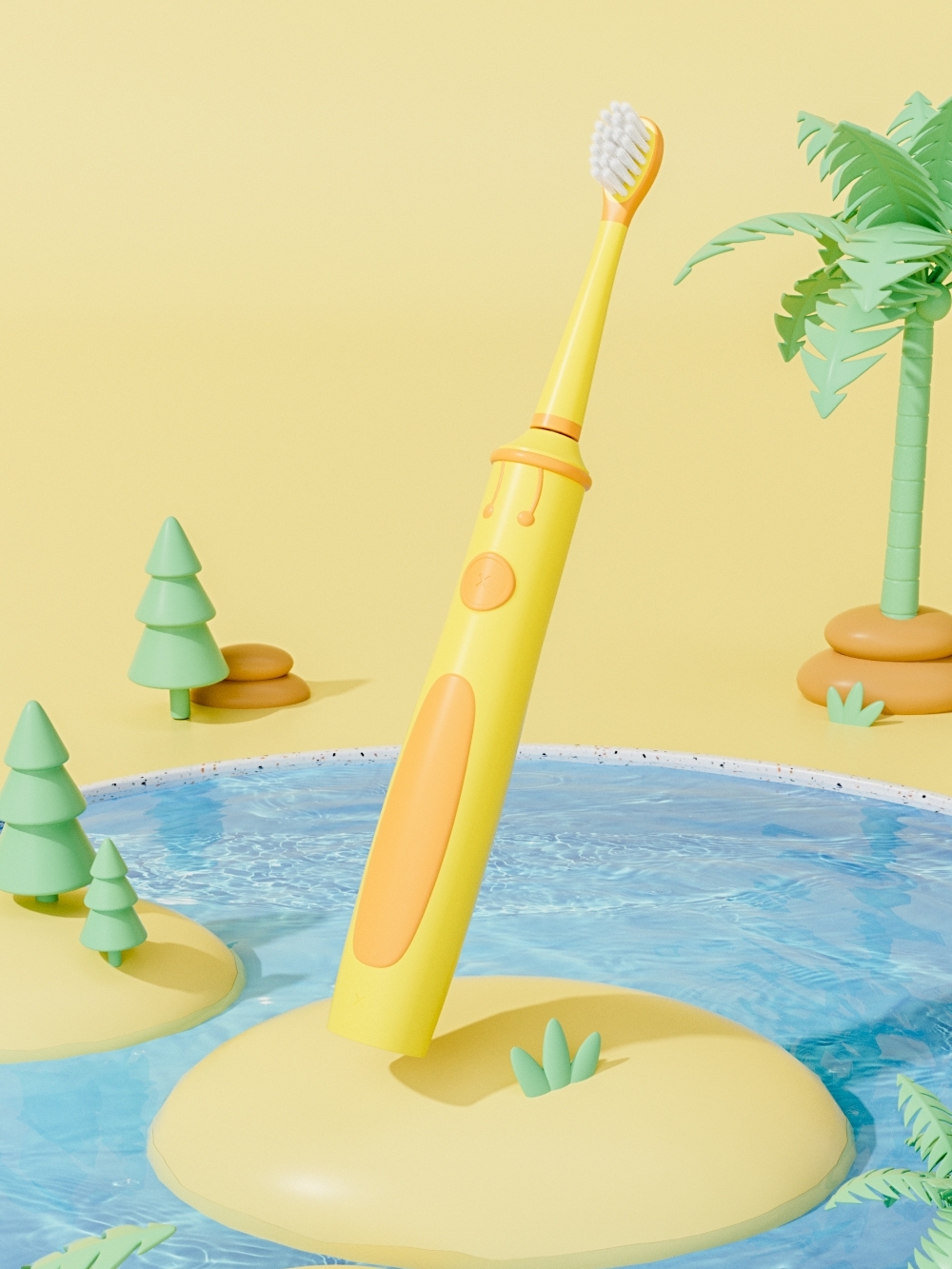
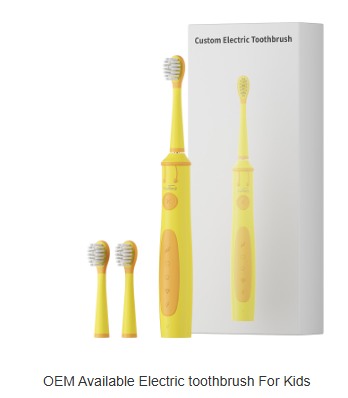
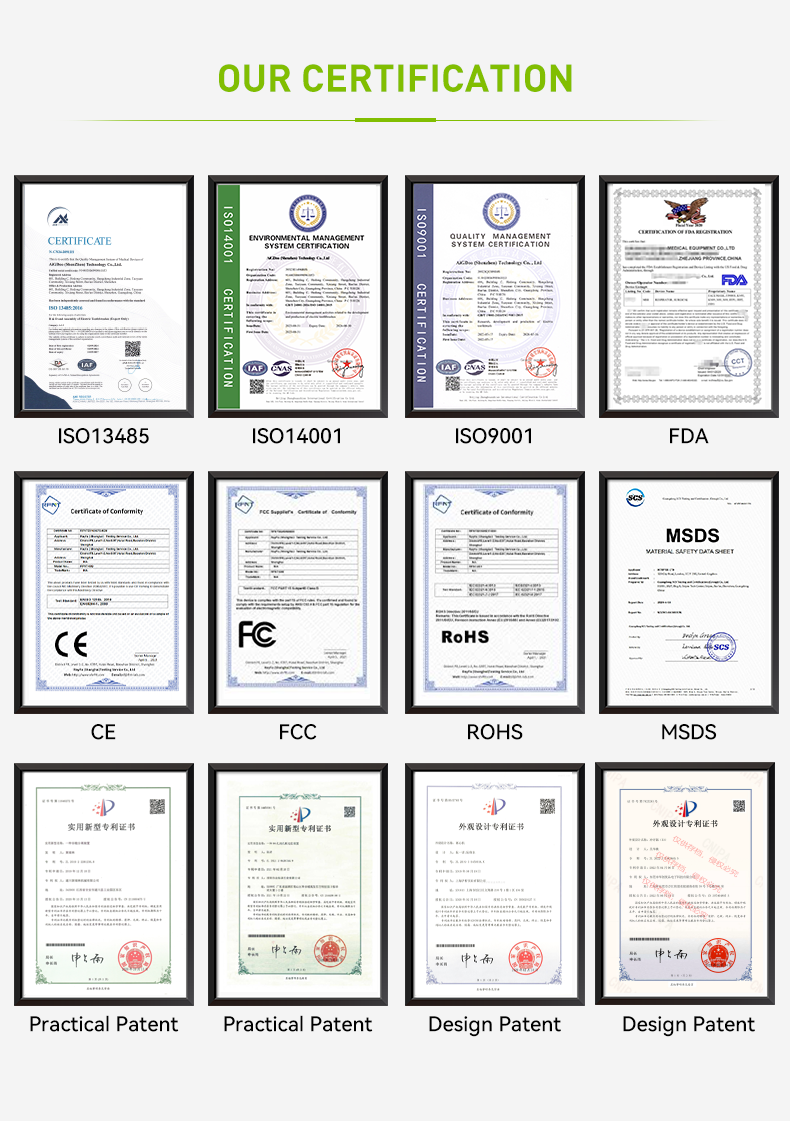
When sourcing kids oral care products, brands must prioritize safety, effectiveness, and child-friendly design. Whether you're a distributor, retailer, or dental clinic looking for reliable pediatric dental supplies, selecting the right B2B manufacturer is crucial. This guide will help you identify the best children's dental products while ensuring compliance with international safety standards. Why Safe & Engaging Kids Oral Care Products Matter Children have delicate gums and developing teeth, making safe toothbrushes for kids a top priority. Poor-quality products can cause irritation or fail to clean effectively, leading to long-term dental issues. Additionally, kids are more likely to embrace oral care if products feature fun designs, gentle bristles, and appealing flavors. When sourcing children's dental products, look for: Soft, rounded bristles to protect gums Non-toxic, BPA-free materials Ergonomic handles for small hands Attractive colors & characters to encourage brushing Key Features to Look for in a Supplier Not all manufacturers specialize in pediatric dental supplies, so vetting your supplier is essential. Consider these factors: Certifications – Ensure compliance with FDA, CE, or ISO standards.Customization Options – Can they offer branded designs or age-specific products?Safety Testing – Do they conduct rigorous quality checks?Innovative Technology – Some suppliers integrate cold light whitening technology in kid-safe whitening products. A trusted manufacturer should provide detailed product specifications and safety documentation. Must-Have…
In an era of increasingly compact and high-performance devices, adapter overheating has quietly become a recurring issue in many B2B-manufactured home care appliances. Unexpectedly, a growing number of users report sinus discomfort—such as facial pressure, dryness, or even mild inflammation—after prolonged device use. Could the heat generated by a poorly designed power adapter be contributing to this physical symptom? In this article, we explore how adapter thermal behavior may influence user experience, and what manufacturers can do to prevent possible health and safety concerns. What Causes Adapter Overheating? Adapter overheating generally results from inefficient energy conversion, poor ventilation, or under-specified components that can’t handle real-world voltage demands. In compact devices like water flossers, beauty steamers, or ultrasonic brushes, adapters are often housed near operating areas—sometimes even embedded within handheld units. When these adapters are not properly managed thermally, they can reach temperatures exceeding 50–60°C, radiating heat toward the user’s face and nasal region. Prolonged exposure, especially during daily use, may cause unexpected discomfort. Sinus Discomfort: A User-Centered Perspective Sinus discomfort is typically associated with exposure to dry heat, temperature imbalance, or environmental irritants. In the context of personal care electronics, if an adapter heats up near the facial region, it…
In the competitive oral care device market, pulse instability—fluctuating or irregular jet or vibration output—has often been brushed off as a minor firmware or hardware imperfection. However, recent user reports and clinical observations suggest a potential link between inconsistent pulses and a more serious concern: enamel erosion. Could uneven mechanical output in devices like water flossers or sonic toothbrushes be gradually undermining enamel health? This article explores the connection and outlines how manufacturers can prevent this emerging risk. What Is Pulse Instability and How Does It Occur? Pulse instability refers to the irregular delivery of energy pulses—either in frequency, amplitude, or duration—during the operation of an oral care device. In products such as: Sonic toothbrushes Water flossers Ultrasonic plaque removers Pulse irregularities can arise from: Firmware glitches in PWM (pulse-width modulation) control Inconsistent motor torque output Degraded battery performance Clogged or variably pressured nozzles Such instabilities result in unpredictable pressure spikes or drops, which can affect both performance and user comfort. Understanding Enamel Erosion: A Silent, Irreversible Problem Enamel erosion refers to the gradual wear of the tooth’s outermost protective layer, caused by physical abrasion or acid attack. Unlike cavities, erosion is non-bacterial and often overlooked until symptoms—such as sensitivity…
As user expectations for high-precision oral care devices continue to rise, complaints involving sync disruption—particularly in sonic toothbrushes and high-frequency massaging tools—have become more than just performance issues. A new concern is emerging: lip sensitivity caused by seemingly minor inconsistencies in vibration, torque, or waveform synchronization. Could this pairing point to an overlooked design flaw? This article explores the mechanical-to-sensory link and outlines six key insights for manufacturers to avoid such unintended discomfort in end-users. What Is Sync Disruption in Oral Care Devices? Sync disruption refers to the loss of alignment between internal motion components—such as motor oscillation, head rotation, or pulse modulation—and the intended control signal. In products like sonic toothbrushes, facial brushes, or lip-care massagers, synchronization is essential for delivering a uniform and gentle touch. Disruption can occur due to: Firmware glitches or delayed signal feedback Mechanical backlash or gear misalignment Inconsistent power supply or battery lag Even microsecond-level timing mismatches can create unstable pulses, which are especially perceptible in sensitive areas like the lips. Why Are Lips Uniquely Sensitive to These Disruptions? The lip area contains a dense concentration of nerve endings, making it one of the most touch-sensitive zones on the human body. When sync disruption…


.jpg)
.jpg)
.jpg)
.jpg)
.jpg)



.jpg)
.jpg)