
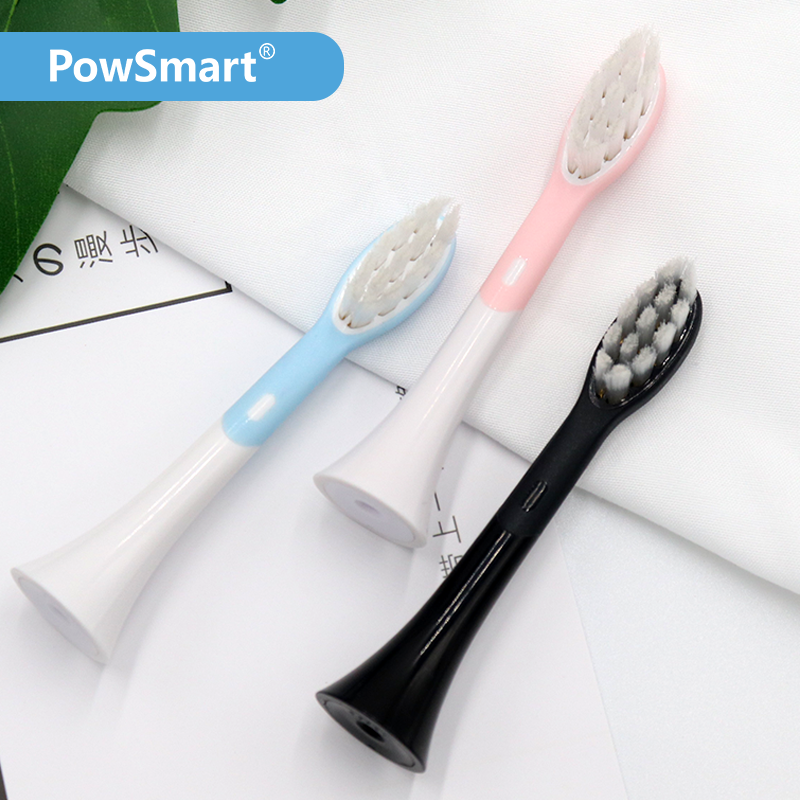
Maintaining oral hygiene with orthodontic appliances requires precision, patience, and the right tools. The clean braces technique—a structured approach to keeping teeth and gums healthy during orthodontic treatment—has gained popularity among dental professionals. At the center of this technique is the Powsmart ortho head, a brush head designed to solve the unique cleaning challenges faced by individuals with braces. The Hygiene Challenges of Orthodontic Braces Braces introduce a complex environment in the oral cavity: brackets, wires, ligatures, and limited space create ample opportunity for plaque buildup and food retention. Without proper tools, users often fail to reach behind wires and around brackets, leading to: Gingivitis and gum inflammation Decalcification and white spot lesions Bad breath and oral discomfort This is where the clean braces technique comes into play—with the Powsmart ortho head playing a vital role. What Sets the Powsmart Ortho Head Apart? The Powsmart ortho head is engineered with a V-shaped bristle pattern, specifically contoured to clean around orthodontic fixtures. Unlike flat or dome-shaped heads, it is tailored to: Reach both above and below the bracket with one pass Glide along the gum line without causing irritation Provide controlled contact to prevent enamel abrasion Its slim profile also improves…
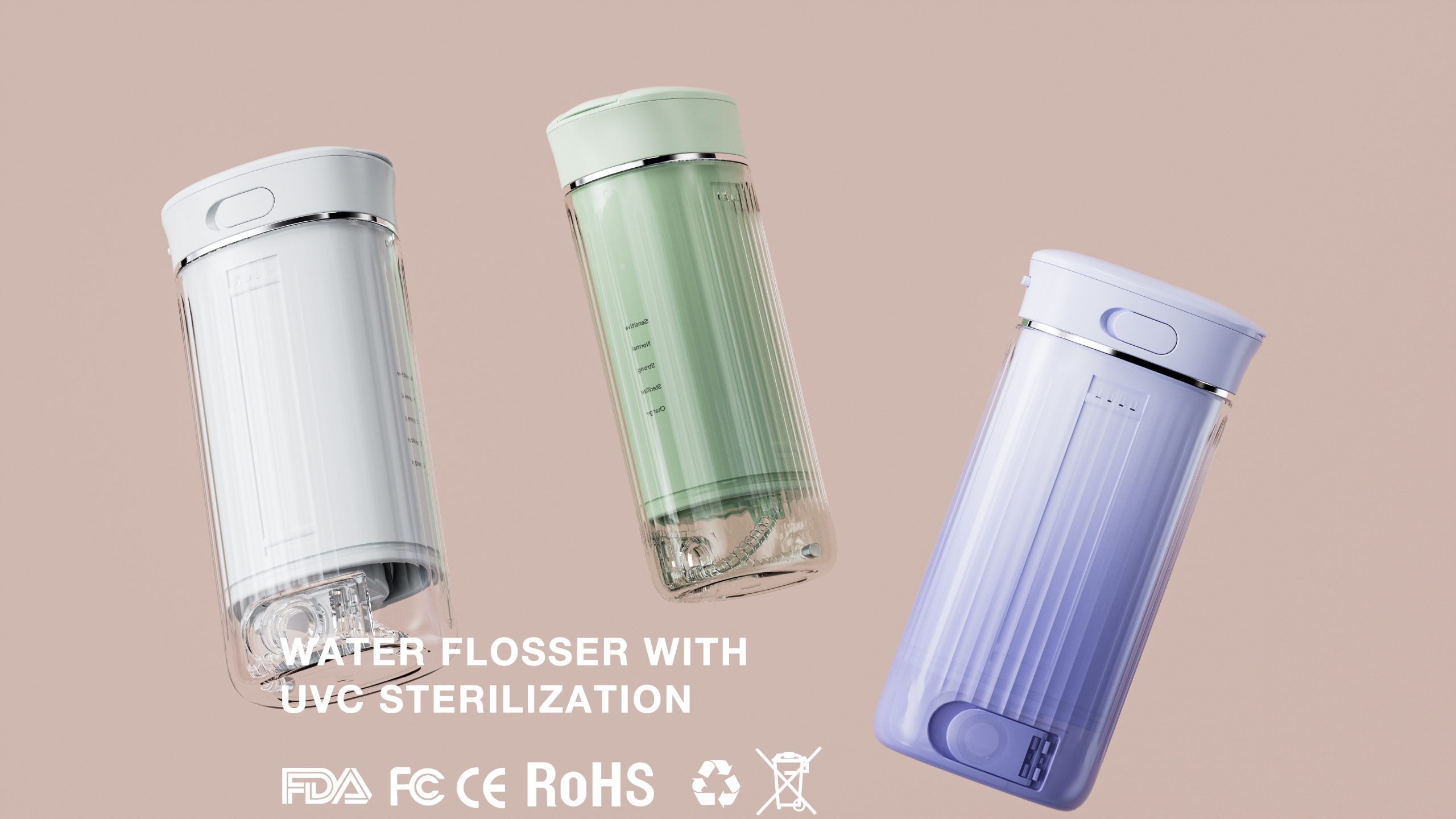
With the rise in demand for compact and portable hygiene tools, the idea of a travel electric toothbrush that fits in a wallet may sound futuristic—but it’s closer to reality than many think. Manufacturers and OEM brands are now exploring advanced folding toothbrush design solutions to maximize portability without compromising on brushing performance. Why Portability Matters in Travel Oral Care Business travelers, minimalists, and digital nomads are increasingly seeking ultra-compact personal care devices. Traditional electric toothbrushes are often bulky and require a dedicated case or bag space. A folding toothbrush design offers a revolutionary answer to this challenge by minimizing dimensions without eliminating core features. Key user demands include: Pocket-sized or wallet-friendly form factor Built-in hygienic bristle protection Lightweight construction without fragile mechanisms This presents an opportunity for B2B innovation in the travel hygiene category. Design Mechanics Behind Folding Toothbrush Technology To make a travel electric toothbrush truly compact, folding technology must go beyond aesthetics. It needs to incorporate: A collapsible handle without compromising grip strength Hinge materials that resist corrosion and wear from moisture Magnetic or secure lock systems to ensure stability during use Advanced prototypes have shown that bristle heads can be flipped into the handle, or that…
.jpg)
As we all know, the rise in conditions such as gingivitis, periodontitis, and, overall gum sensitivity has created strong demand for sensitive gums electric toothbrush products. In response, oral care brands are turning their attention to gum care electric toothbrush OEM opportunities to deliver targeted, effective solutions to their end users. In this blog, we explore the key manufacturing considerations, technology trends, and benefits of partnering with a factory that understands clinically proven oral care requirements for gum-focused electric toothbrushes. And, A periodontal toothbrush differs from standard models in both design and functionality. It’s engineered to deliver a gentle yet effective cleaning experience, ideal for users with inflamed, bleeding, or post-surgical gums. Soft, high-density bristles for less abrasion Low-frequency sonic vibrations to avoid irritation Pressure-sensitive sensors to prevent overbrushing Gum massage modes to stimulate blood circulation OEM manufacturers must be able to incorporate these features, while maintaining consistent quality and performance. What Makes a Gum Care Toothbrush Clinically Proven? To be labeled as a clinically proven oral care device, a gum care toothbrush must undergo rigorous testing. Brand owners looking to establish credibility in the market should prioritize manufacturers who offer: Access to independent clinical trials or in-house testing labs Compliance with international medical device standards (FDA, CE,…
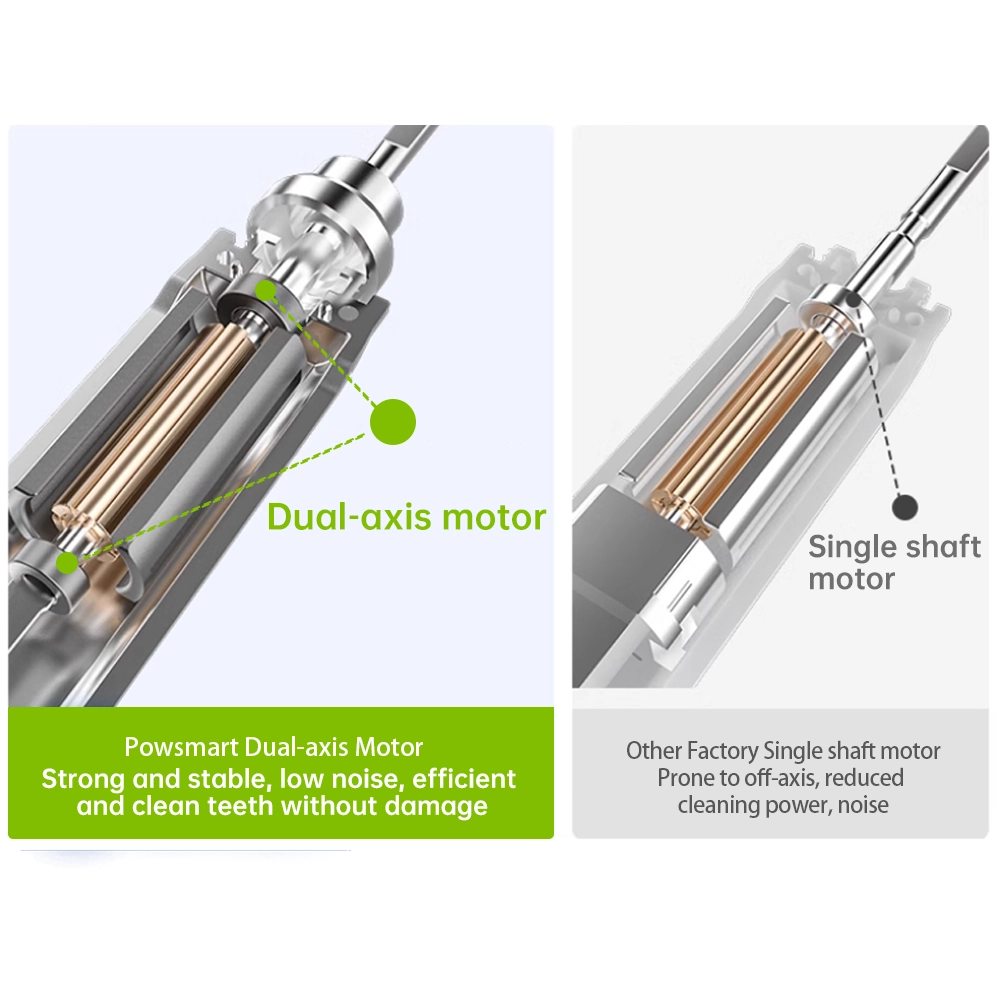
As the demand for smarter, quieter, and more effective oral care devices grows, magnetic levitation motor toothbrushes are emerging as the next big innovation. This advanced dental tech offers high-performance brushing, ultra-low noise, and minimal mechanical wear—key selling points in today’s competitive personal care market. For brands seeking innovative oral care products, understanding this breakthrough technology is essential. Whether you're a startup entering the market or an established brand looking to upgrade your lineup, partnering with an oral care products supplier specializing in levitation motor integration could be the key to staying ahead. What Is a Magnetic Levitation Motor Toothbrush? A magnetic levitation motor toothbrush utilizes a linear magnetic drive system, replacing traditional mechanical components with electromagnetic force to create high-frequency oscillations. Key Advantages: High-speed vibration (31,000–48,000 RPM) for superior plaque removal Quieter operation due to reduced mechanical friction Longer motor lifespan with minimal wear-and-tear Smooth, consistent performance even after prolonged use This cutting-edge magnetic levitation motor toothbrush technology has set new standards for performance and durability in electric oral care devices. Why Magnetic Levitation Motors Outperform Traditional Motors Traditional motors rely on gear systems or rotor-based designs. While effective, they create: More vibration noise Greater energy loss through friction Faster wear on internal parts In contrast, levitation motors use magnetic…
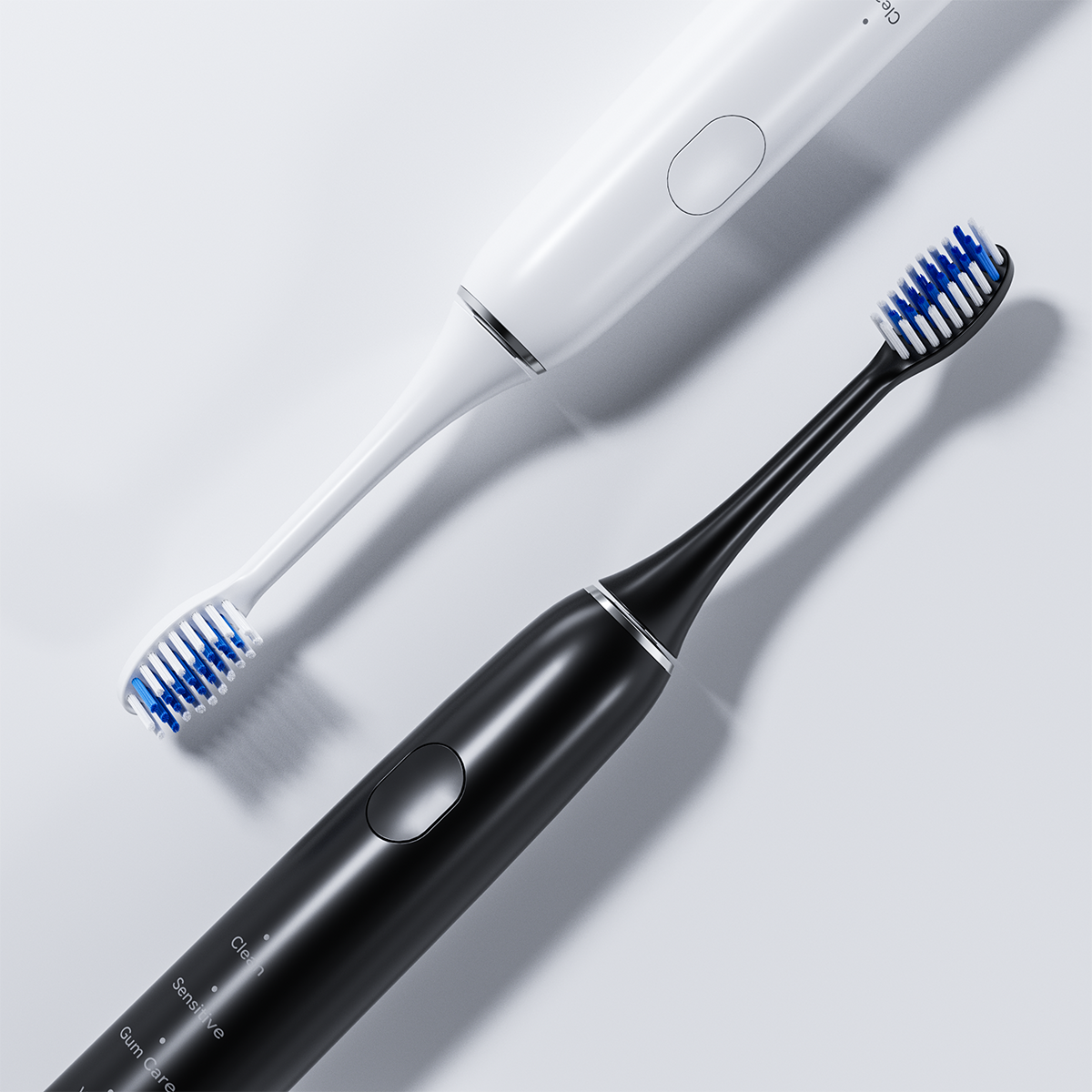
As consumers increasingly prioritize smart, effective, and health-focused technologies, demand for cutting-edge magnetic levitation motor toothbrushes is rapidly growing. Brands seeking to enter or expand in this space need a reliable Magnetic Levitation Toothbrush Factory with proven experience in both innovation and large-scale manufacturing. This article outlines what to look for in a top-tier manufacturing partner offering premium dental OEM services. What Is a Magnetic Levitation Toothbrush? Magnetic levitation (maglev) toothbrushes use advanced brush motors driven by magnetic fields, enabling ultra-high-speed vibrations with minimal noise and friction. Compared to traditional sonic motors, maglev motors deliver smoother performance, higher cleaning efficiency, and longer product lifespan. Key advantages include: High-frequency vibration (31,000–40,000 rpm) for superior plaque removal Quieter operation due to frictionless motor design Energy efficiency and longer battery life Improved durability, ideal for long-term consumer use For brands seeking innovative oral care products, maglev motor technology offers a premium experience that appeals to tech-savvy and health-conscious consumers alike. What Makes a Reliable Maglev Toothbrush Factory? When selecting a maglev toothbrush factory, it’s critical to evaluate the following factors: Engineering and R&D capabilities: Can the factory develop proprietary brush motor systems or adapt designs to your brand’s needs? Production scalability: Can they meet your volume needs without sacrificing…
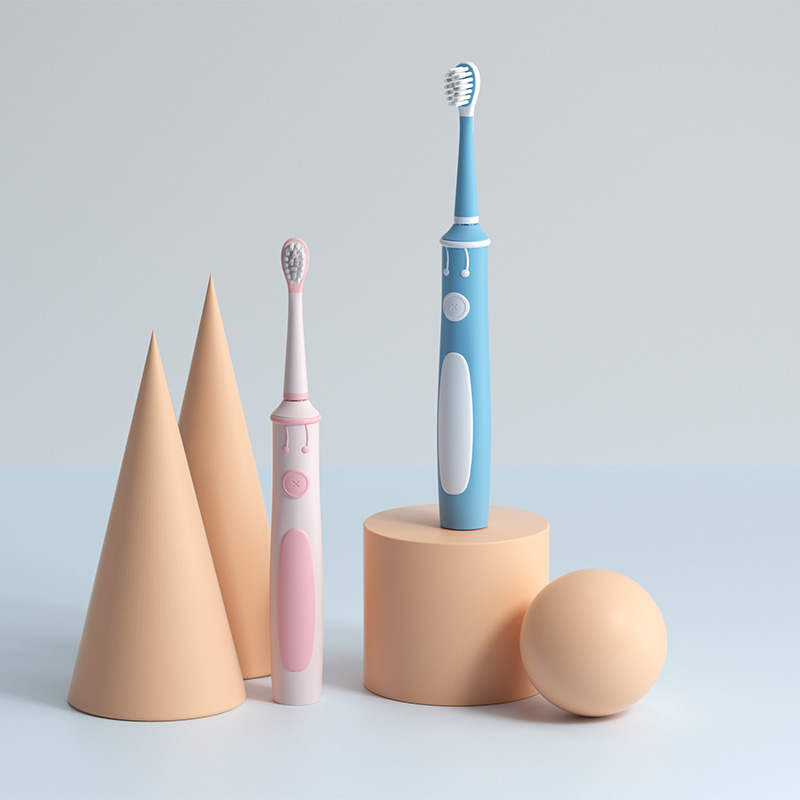
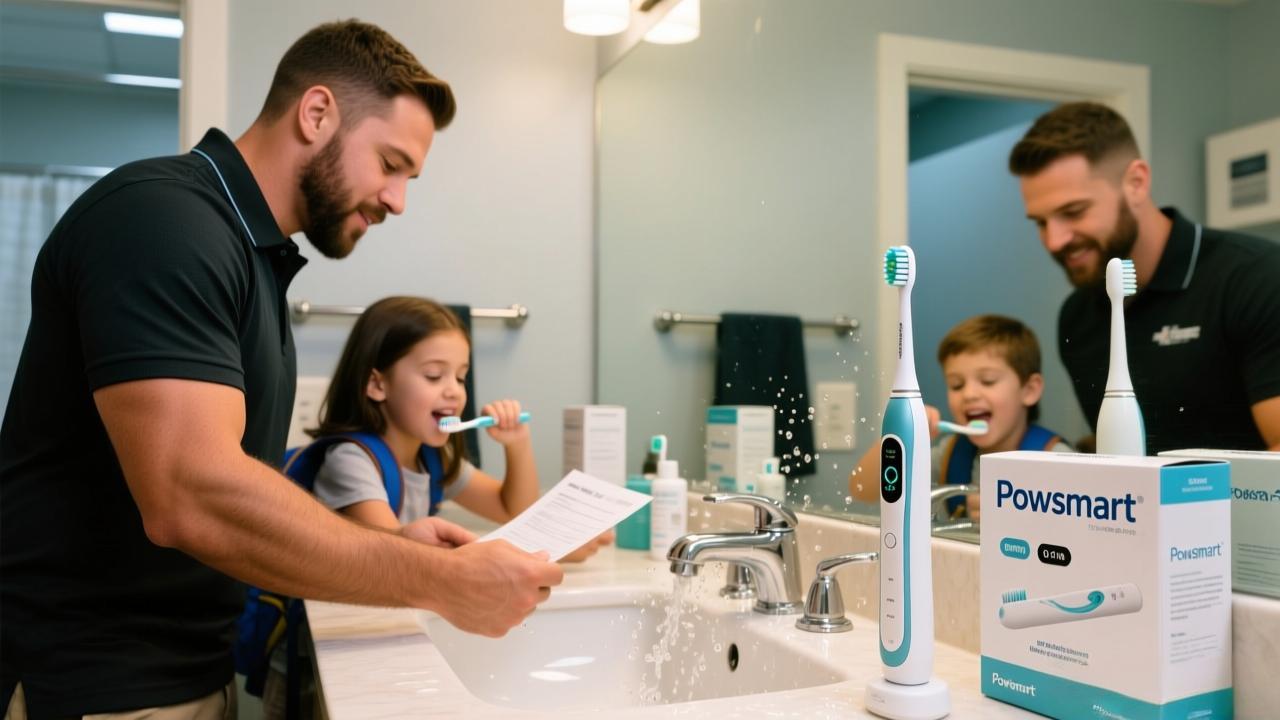
In today’s highly competitive oral care market, offering a high-quality, safe, and attractive electric toothbrush for children is essential for any brand targeting the pediatric segment. However, success in this market depends heavily on choosing the right toothbrush manufacturer for kids—one that understands the specific safety, design, and functional needs of young users. This is where Powsmart stands out as a leading Kids electric toothbrush OEM partner with extensive experience in delivering innovative, child-friendly oral care solutions. Experience and Specialization in Child Toothbrush Manufacturing When it comes to child toothbrush manufacturing, specialization makes all the difference. Powsmart has over a decade of experience in designing and producing electric toothbrushes specifically for children. From ergonomic handle sizes to ultra-soft bristles and colorful, engaging designs, every aspect is tailored to support a fun and safe brushing experience for kids aged 3 to 12. We strictly follow global child safety regulations and offer certifications such as CE, FDA, and RoHS, ensuring that every product meets international standards. Customization Capabilities for Brand Differentiation As a premium custom electric toothbrush supplier, Powsmart understands that brand identity is vital. That’s why we offer full OEM/ODM customization, including: Handle shape and size Vibrating or sonic motor options Brush…
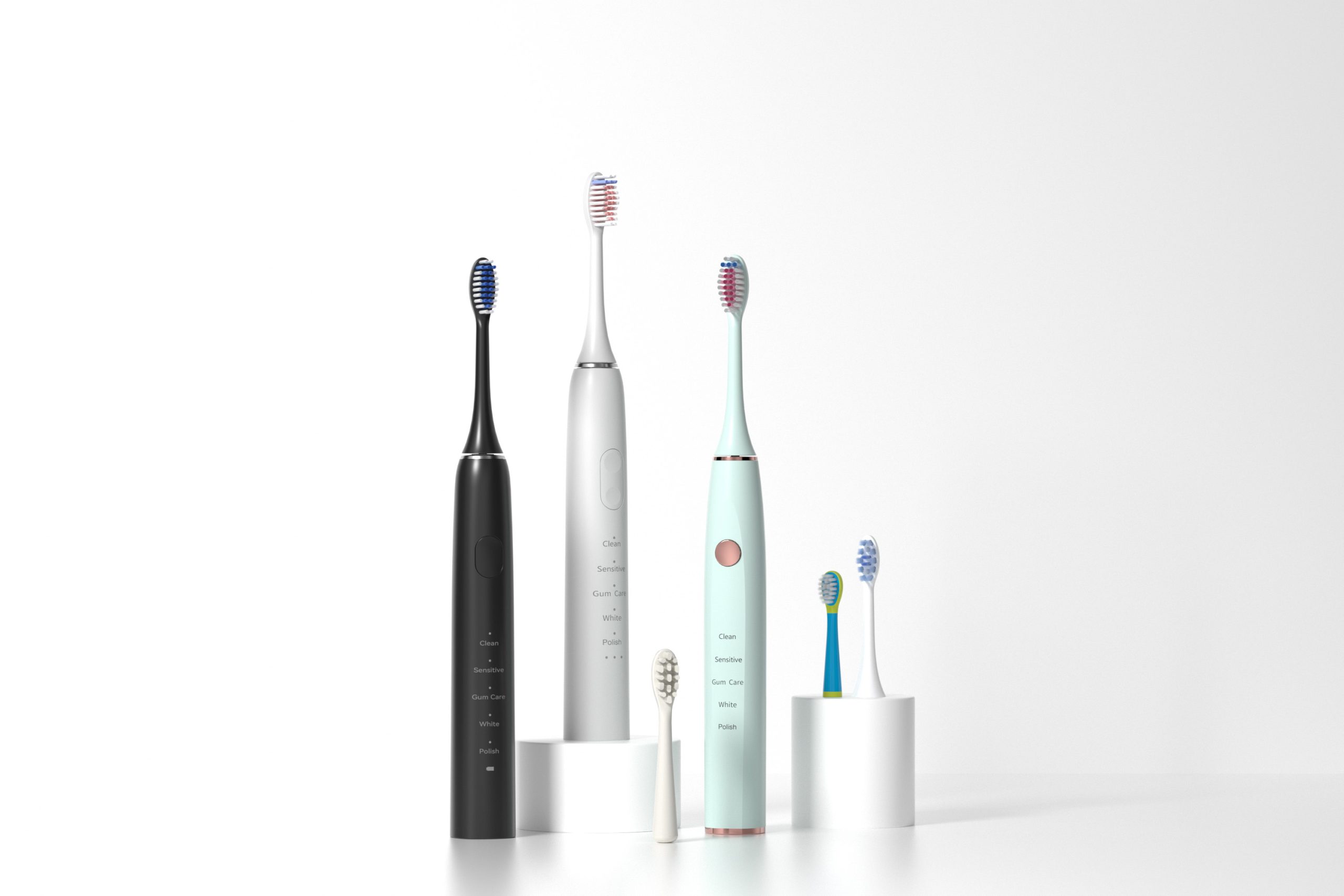
Introduction: Can a Gum Health Sonic Toothbrush Cause Unexpected Jaw Discomfort? The Gum Health Sonic Toothbrush is widely marketed as a solution for users with sensitive gums and periodontal concerns. Designed to offer gentle, effective plaque removal with high-frequency vibration, it seems like an ideal fit for oral care routines focused on long-term gum maintenance. However, some users have raised concerns about increased jaw discomfort after switching to this type of toothbrush. This blog explores the design implications, usage patterns, and OEM considerations behind this growing user feedback. Sonic Frequency vs. Muscular Response: Where Is the Link? One of the hallmarks of a Gum Health Sonic Toothbrush is its ability to deliver micro-vibrations at 30,000–40,000 strokes per minute. While these frequencies effectively dislodge plaque along the gumline, they can also result in subtle muscle activation in the temporomandibular region during prolonged use. For individuals with pre-existing TMJ sensitivity, this may lead to: Muscle tension buildup during brushing Post-use soreness in the lower jaw Potential aggravation of underlying jaw disorders The issue doesn’t lie in the brush's performance, but rather in how users interact with it based on grip strength, brushing duration, and head pressure. Company web: https://www.powsmart.com/product/electric-toothbrush/ Ergonomics and Jaw…

Introduction: Addressing Chemical Residue in POWSMART Ultrasonic Toothbrush Manufacturing As the demand for advanced oral care technology grows, the POWSMART Ultrasonic Toothbrush has gained attention for its precision cleaning and ergonomic design. However, concerns have surfaced within certain procurement and compliance circles about chemical residue levels in these devices. Are the materials used during manufacturing or post-processing leaving behind residue levels that surpass regulatory limits? This article examines whether these concerns are substantiated and how B2B clients can evaluate material safety with confidence. Understanding Chemical Residue in Oral Care Products Chemical residue refers to trace amounts of solvents, adhesives, coatings, or cleaning agents that may remain on product surfaces after production. In the context of the POWSMART Ultrasonic Toothbrush, this could potentially involve: Mold release agents used in plastic injection Surface coatings for waterproofing or anti-slip finishes Disinfectants or ultrasonic bath chemicals used during final assembly While these materials are essential for product functionality, improper processing or insufficient rinsing can lead to residual buildup. Regulatory Thresholds: What Is “Over the Limit”? In most major markets—including the U.S., EU, and parts of Asia—oral hygiene products are subject to strict material safety standards. Regulations typically cover: BPA content in plastics Volatile Organic…
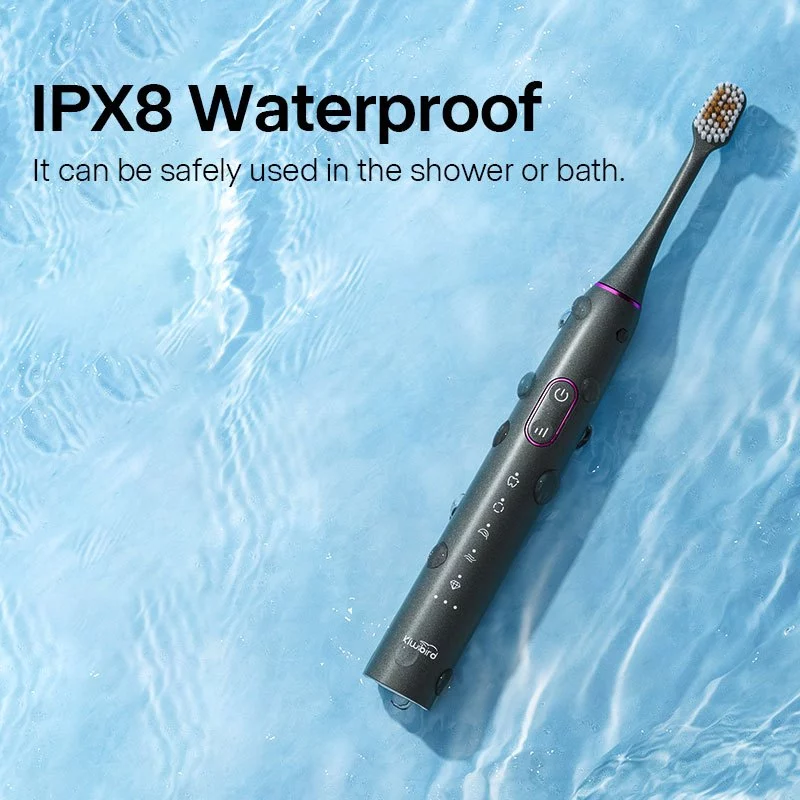
As consumer lifestyles become increasingly dynamic, the demand for shower-safe dental care solutions is rising globally. Brands seeking to enter or expand in international markets must offer products that combine innovation, reliability, and user convenience. Among them, the IPX7 waterproof electric toothbrush has become a key product category, offering users peace of mind during wet-environment usage. In this blog, we explore how electric toothbrush customization for global markets, when paired with IPX7 waterproof certification, can help brands stay ahead of market trends and consumer expectations. Understanding the IPX7 Waterproof Standard The IPX7 waterproof rating means that a device can withstand immersion in up to 1 meter of water for 30 minutes without suffering damage. For electric toothbrushes, this translates to: Safe usage in showers and wet environments Enhanced durability and corrosion resistance Improved product lifespan and customer satisfaction By offering a waterproof electric toothbrush, brands can provide users with shower-safe dental care solutions that align with modern hygiene routines. Customization Opportunities for Global Brands Electric toothbrush customization for global markets involves more than just logo printing. Manufacturers must offer flexible and scalable solutions, such as: Custom handle designs and ergonomic features tailored to target demographics Multi-mode brushing functions (clean, sensitive, polish, etc.) Custom packaging and branding to suit different…
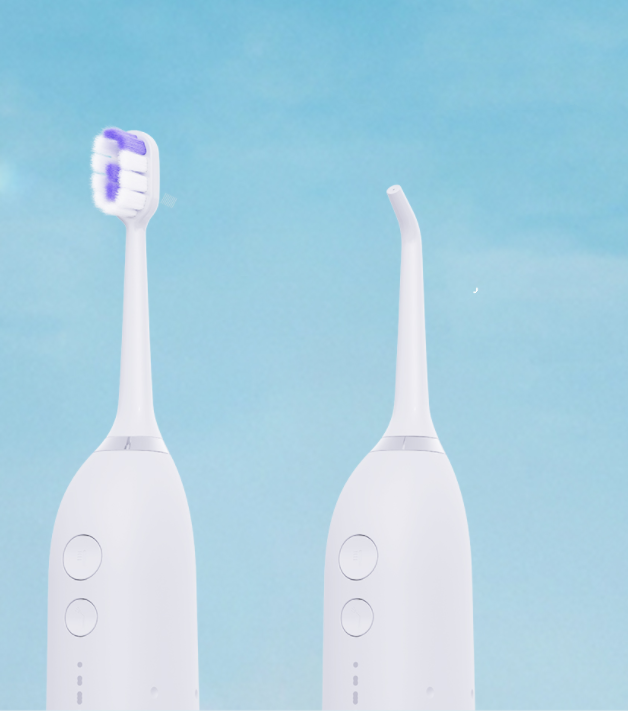
As consumers become more aware of comprehensive oral hygiene, the demand for specialized devices that go beyond surface-level cleaning is on the rise. One such product is the Deep Clean Interdental Electric Toothbrush — a toothbrush engineered to reach between teeth and along the gum line with precision. For oral care brands, sourcing the right electric toothbrush manufacturing solutions that deliver effective interdental cleaning is key to product success in this evolving market. This blog explores how manufacturers can support oral care brands in developing next-generation gum line toothbrush solutions, with a focus on deep clean oral care OEM strategies. Understanding the Importance of Interdental Cleaning Traditional brushing methods often leave behind plaque and food particles between teeth. This is where interdental cleaning becomes essential. A Deep Clean Interdental Electric Toothbrush is designed to reach those hard-to-access spaces. Offering consumers an efficient way to prevent gingivitis, cavities, and bad breath. Brands that want to stay ahead in oral care innovation must prioritize gum line toothbrush designs that address these specific hygiene needs. Key Features of a Deep Clean Interdental Electric Toothbrush When developing or sourcing a Deep Clean Interdental Electric Toothbrush, manufacturers must integrate certain performance features that cater to both function and user comfort: Slim,…
.jpg)
As consumer awareness of oral health continues to grow, the market for sensitive teeth toothbrushes has expanded rapidly. People with gum sensitivity require products that offer effective cleaning while minimizing irritation. In response to this demand, many brands are now seeking trusted partners for electric toothbrush production for sensitive teeth. For businesses aiming to meet this niche market, collaborating with experienced OEMs that specialize in gentle gum care technology is key to success. Understanding the Needs of Users with Sensitive Teeth Sensitive teeth and gums require special care. Aggressive brushing or hard bristles can cause pain, gum recession, or further enamel erosion. This is where the gum care electric brush plays a vital role. These brushes are engineered to deliver a gentle cleaning experience, using soft bristles and low-frequency vibration or sonic technology to protect gum tissue while removing plaque effectively. To meet user expectations, brands need to develop products with features such as: Ultra-soft bristles for minimal abrasion Pressure sensors to prevent over-brushing Multiple cleaning modes, especially “Gentle” or “Sensitive” modes Rounded brush heads for a soothing feel on gums Key Design Considerations for Gentle Cleaning OEM Solutions When selecting a manufacturer for a gentle cleaning OEM solution, it’s important to prioritize factories that…
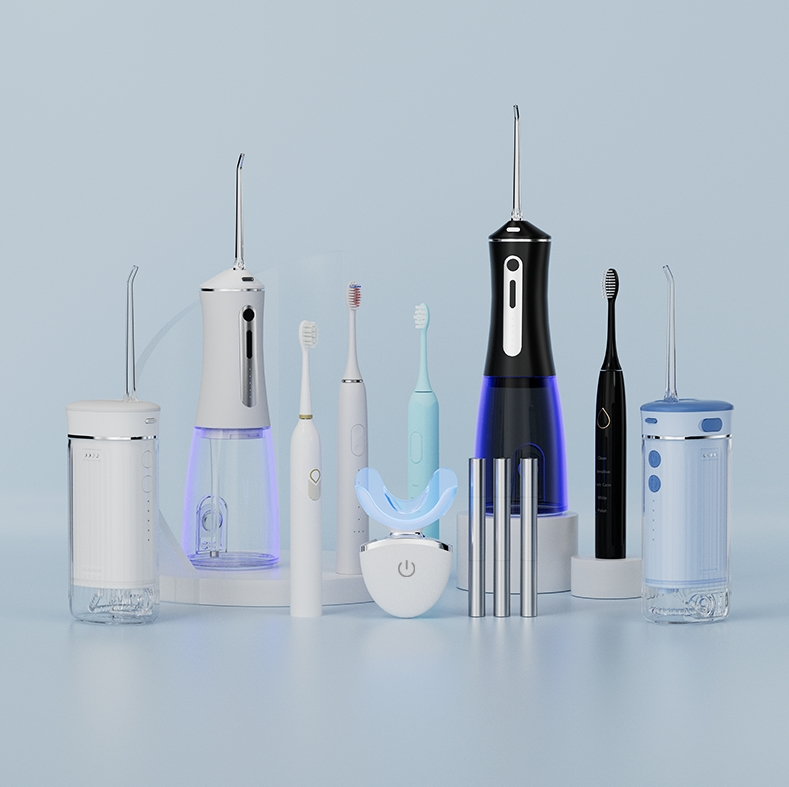
As consumers become increasingly health-conscious and tech-savvy, the demand for high-performance oral care solutions like smart sonic toothbrushes has surged. For dental care brands, entering or expanding in this competitive market requires speed, reliability, and innovation. That’s where working with a trusted sonic toothbrush private label manufacturer comes in. This article explores how brand owners can benefit from complete OEM services, including custom design, manufacturing, and packaging, to successfully launch or scale their smart sonic brush OEM business. Why Choose a Sonic Toothbrush Private Label Partner? Launching your own oral care products OEM line doesn’t mean you have to start from scratch. A reliable private label partner enables you to bring a premium product to market faster, without the complexity of R&D or in-house production. Benefits of partnering with a private label OEM manufacturer include: Fast time-to-market with ready-made or customizable sonic brush models Cost-effective production without compromising on quality Access to the latest custom dental tech innovations Branding freedom with packaging, design, and user experience What to Expect from Complete OEM Services When we talk about complete OEM services, we mean end-to-end support that covers every step from product concept to delivery. A professional sonic toothbrush OEM partner offers: Product Development & Customization: From…
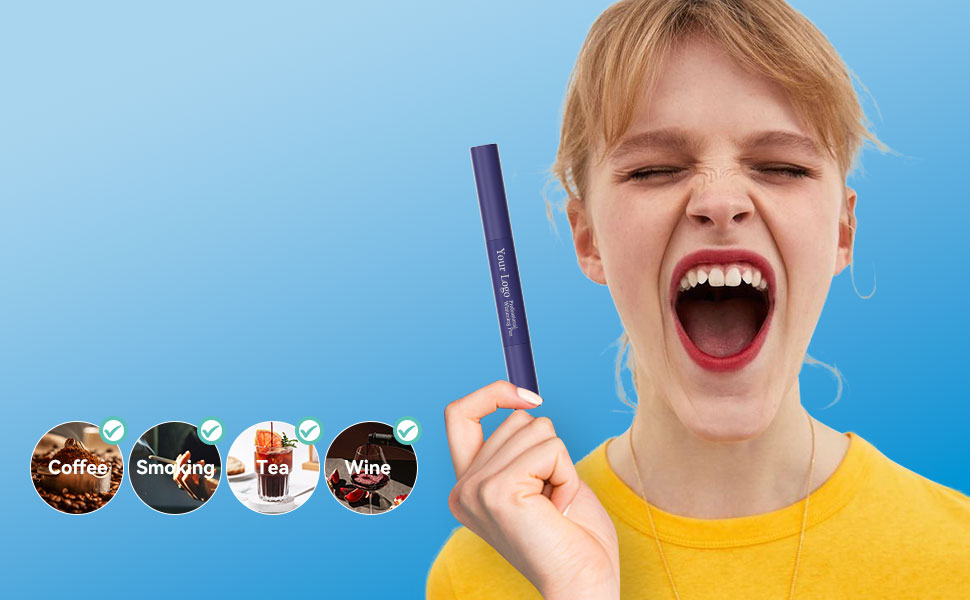
Introduction: High-Tech Motion, Low-Tech Flaws? As magnetic drive technology becomes a hallmark of advanced oral care, the Magnetic Levitation Toothbrush is increasingly seen as a premium solution offering efficient vibration with minimal mechanical resistance. However, reports of brush shedding—bristles loosening or falling off during use—raise concerns about whether the levitation system contributes to premature head degradation. This article investigates the core causes behind shedding incidents and how manufacturers can mitigate them while preserving levitation performance. What Is a Magnetic Levitation Toothbrush? Unlike traditional DC motor toothbrushes, a Magnetic Levitation Toothbrush utilizes electromagnetic force to suspend and drive the brush head, resulting in: Higher vibration frequency (up to 40,000 RPM) Lower internal friction Reduced mechanical noise Smoother brushing cycles This technology promises enhanced comfort and cleaning efficiency, especially in premium product segments. Understanding Brush Shedding and Its Implications Brush shedding typically refers to the premature detachment of bristles or brush tuft bundles from the head base. For manufacturers and OEM partners, this failure mode presents risks including: Reduced brushing effectiveness Increased risk of bristle ingestion Accelerated product returns and warranty claims Negative brand impact due to safety concerns Therefore, shedding is more than an aesthetic issue—it is a critical quality and…
.jpg)
Introduction: Can Rotational Precision Clash with Fluid Consistency? As oral care devices evolve, the POWSMART Rotating Oscillating Toothbrush has earned a reputation for precision plaque removal and gum-friendly cleaning. However, some industry professionals and procurement teams have raised concerns about water pressure instability—especially when these brushes are used with built-in or connected water-flushing modules. Does this indicate a design flaw, or is it an integration challenge between mechanical and hydraulic systems? Understanding the Rotating Oscillating Mechanism The POWSMART Rotating Oscillating Toothbrush operates by spinning and pulsing the brush head alternately, often at 7,600 to 8,800 RPM. This motion enhances surface coverage and dislodges debris with less user effort. However, when this mechanical motion is integrated with water flushing functionality—such as in hybrid electric toothbrush-flosser designs—it introduces additional complexity to water pressure management. What Is Water Pressure Instability in This Context? Water pressure instability refers to fluctuations or sudden drops/spikes in water delivery, which can lead to: Inconsistent cleaning experience User discomfort (especially around sensitive gums) Malfunction of internal pump systems Increased wear on O-rings and sealing components For ODM/OEM buyers, this instability can lead to customer dissatisfaction and potential product returns. Causes Behind Pressure Instability in Hybrid Toothbrushes In the…
The rise of minimalist personal care products has pushed the Black Electric Toothbrush ODM trend into high demand, especially for brands seeking sleek aesthetics and premium-feel designs. However, as more ODM partners adopt darker anodized or painted finishes, concerns are growing about potential handle corrosion over time—especially in humid bathroom environments. So, is this merely a design oversight or a material-related challenge that deserves serious attention? Why Handle Corrosion Is a Growing Concern Handle corrosion is not merely a cosmetic issue. In the case of black-finished toothbrushes, surface deterioration can expose internal circuits, weaken the structural integrity, and significantly shorten product lifespan. From a branding perspective, premature wear of a product marketed as “premium” can negatively impact customer perception and trust—especially for B2B buyers aiming for retail or subscription markets. Coating Materials Commonly Used in Black Electric Toothbrush ODM Manufacturers often use techniques such as: Anodized aluminum coatings Painted or UV matte plastic finishes Electrophoretic deposition (EPD) While these methods provide rich black appearances, their resistance to corrosion depends heavily on process quality, environmental sealing, and exposure to soaps, water, and skin oils. Factors That Accelerate Handle Corrosion The following issues are frequently linked to handle corrosion in black electric…

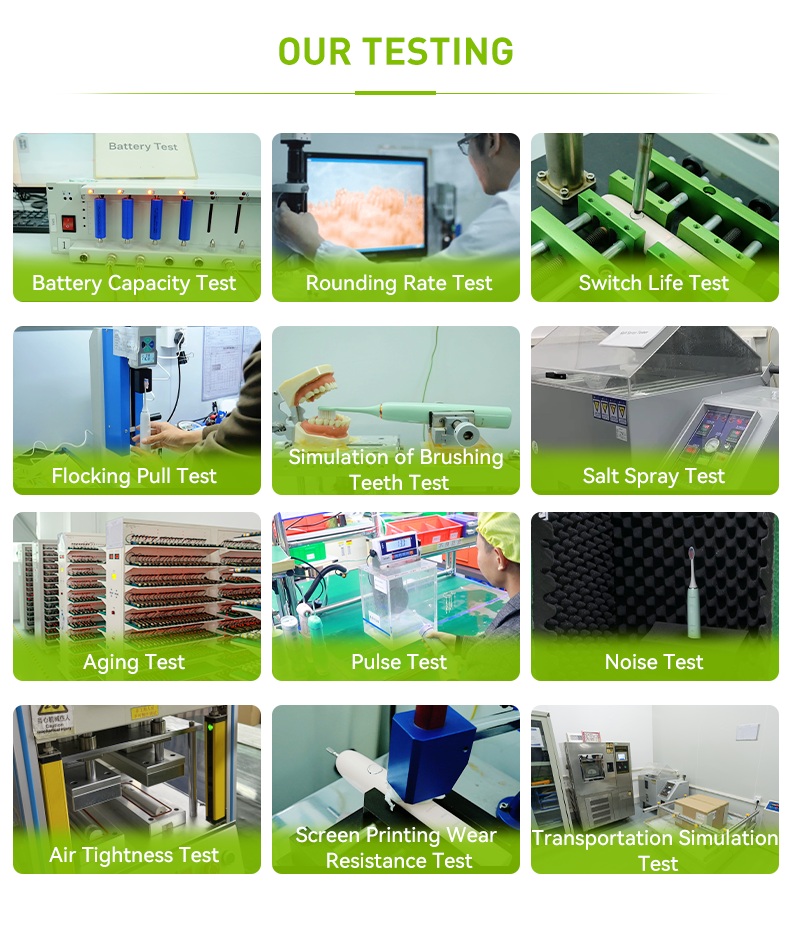
In the highly competitive oral care market, choosing a reliable electric toothbrush manufacturer & supplier is a critical step for brand success. Whether you're launching a new smart toothbrush line or scaling up your current product range, working with an experienced and innovation-driven supplier can make all the difference. This is where Powsmart, a trusted electric toothbrush factory based in China, stands out as a strategic partner for global oral care brands. About Powsmart: Professionalism in Every Detail As a leading dental OEM China supplier, Powsmart specializes in the design, development, and production of high-quality electric toothbrushes and related oral care products. With a focus on smart technology integration, our team combines engineering expertise, strong R&D capabilities, and modern manufacturing systems to deliver customized solutions that meet the highest international standards. Key highlights include: Over 20 years of electric toothbrush production experience Full-stack OEM/ODM services for global clients In-house R&D and industrial design team Certified quality management systems (ISO, CE, FDA compliance) Electric Toothbrush Quality Manufacturing: Our Commitment to Excellence At Powsmart, electric toothbrush quality manufacturing is not just a promise — it’s our foundation. We follow strict quality control protocols from raw material sourcing to final assembly, ensuring every brush meets our clients’ technical…
.jpg)
In the sensitive recovery phase following dental surgery, the choice of hygiene tools becomes critical. One product that has gained increasing attention is the Post-Surgery Oral Care Brush—a device designed specifically for gentle gum handling. However, an ongoing debate questions whether even these soft-bristled brushes might unintentionally contribute to gum recession, especially with prolonged or incorrect use. For OEMs, ODMs, and private-label buyers, understanding the risks and design safeguards is essential. Understanding Post-Surgical Gum Vulnerability After procedures such as scaling, flap surgery, or implant placement, the gingival tissue is especially vulnerable to external trauma. During this stage, even slight overpressure or friction can impact healing. While Post-Surgery Oral Care Brushes are marketed for their softness, the material quality and bristle density vary significantly across manufacturers, affecting real-world safety performance. How Improper Brush Design Can Exacerbate Gum Recession Gum recession can result from: Excessive brushing force Poorly rounded bristle tips Inadequate flexibility of the neck Lack of tapered filament ends If a brush lacks sufficient softness or ergonomic design, it can cause repetitive micro-trauma to the gingival margin, slowing tissue regeneration and triggering recession over time. For B2B buyers, these factors should be part of QA and procurement checklists. Role of…
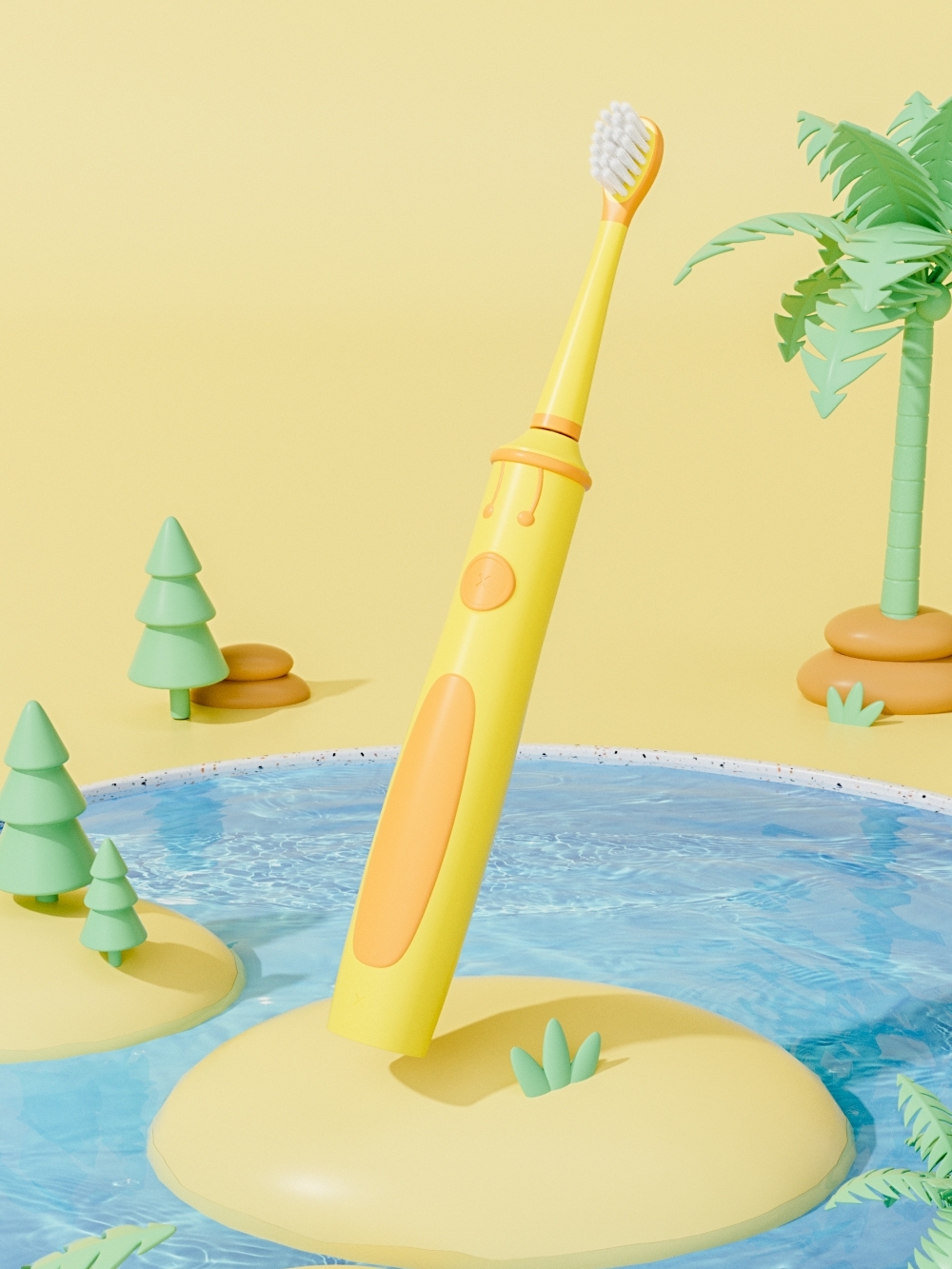
In today’s oral care market, children's hygiene routines are no longer just about function—they're about engagement, safety, and personalization. As demand rises for children’s smart toothbrush solutions that combine effective cleaning with interactive features, retailers and brand owners must explore how to offer custom kid-friendly smart toothbrushes. This blog explores the latest trends and manufacturing possibilities in Kids’ Smart Toothbrush Customization, offering insights for electric toothbrush retailers & distributors looking to partner with the right suppliers. Why Kids Need Smart Toothbrushes: Safety Meets Engagement Children require specialized brushing tools not just in size but in function and experience. A children’s smart toothbrush must balance three core needs: Gentle but effective cleaning for developing teeth and gums Fun, game-like experiences to encourage brushing routines Built-in safety features such as pressure sensors and timers Fun & Safe Brushing Solutions have become a critical selling point for parents, making product differentiation essential for brands. The Rise of Custom Kid-Friendly Smart Toothbrushes As smart technologies evolve, brands now have the opportunity to offer custom kid-friendly smart toothbrushes with tailored designs. Customization options include: App integration with brushing games or reward systems Animated LED displays, music playback, and storytelling modes Soft brush heads, ergonomic grips, and silicone-based safety coatings Brand-specific…
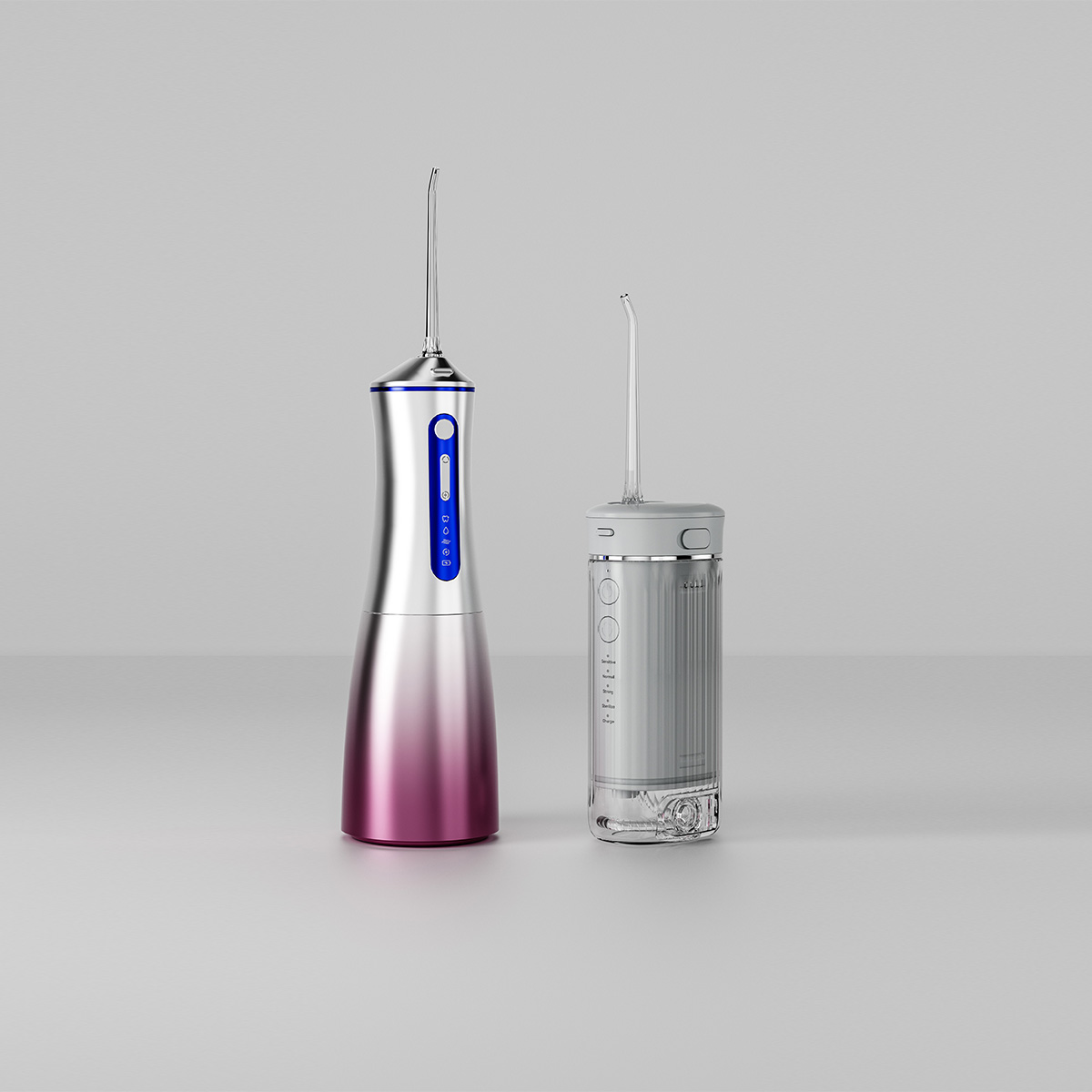
Introduction: Performance vs. Heat—A Critical OEM Question As the demand for high-frequency sonic toothbrushes continues to rise, many private-label brands turn to OEM manufacturers like POWSMART for scalable, customized solutions. While these POWSMART Sonic Brush OEM units are known for power and precision, questions are emerging about their long-term thermal stability. Are overheating risks something buyers and brands should be concerned about? This blog explores the factors that can lead to heat-related issues and how proper OEM design eliminates such concerns. Understanding Heat Generation in Sonic Brushes Sonic toothbrushes typically operate at high vibration rates—often exceeding 30,000 to 40,000 strokes per minute. This performance is made possible by compact magnetic motors, lithium batteries, and high-frequency PCB drivers. Naturally, these components generate heat. When properly managed, this is harmless. But when engineering tolerances are low, or material quality is compromised, overheating risks can lead to: Battery swelling or failure Degraded bristle head plastics Reduced motor efficiency User discomfort or safety concerns Manufacturers must especially prioritize this critical aspect when designing ODM/OEM models for global markets with varying power standards and user behavior. Key OEM Design Challenges Behind Overheating Several engineering decisions within the OEM manufacturing process can directly influence thermal stability:…
.jpg)
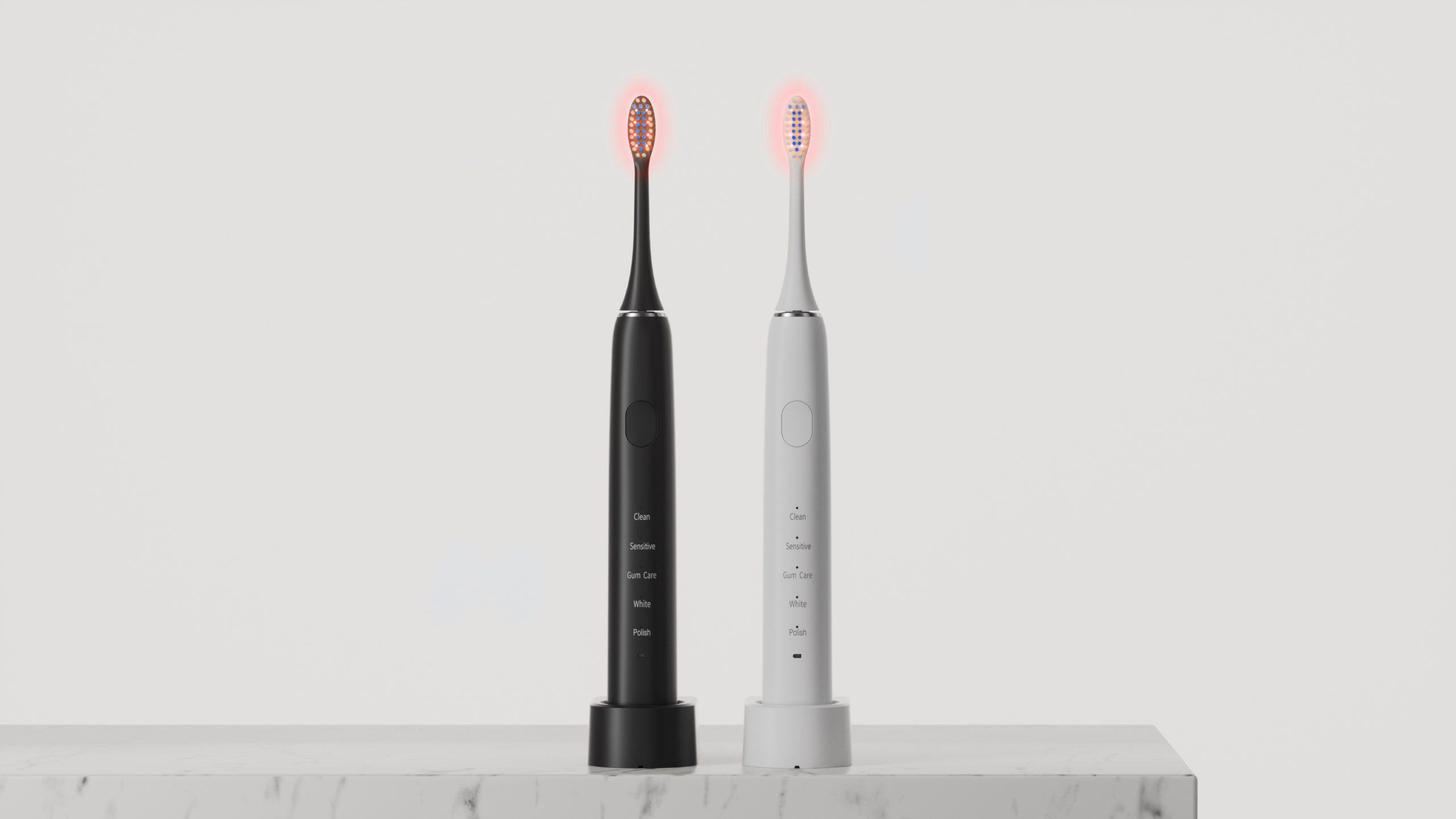
As global consumers become more focused on advanced oral hygiene, the demand for high-performance, technology-driven toothbrushes continues to grow. Among the most popular innovations is the 40,000 VPM Smart Sonic Toothbrush — a High-Frequency Cleaning Technology toothbrush designed to deliver superior cleaning efficiency through sonic vibration. For oral care brands aiming to expand or upgrade their product line, partnering with a reliable sonic toothbrush OEM is the key to success. In this blog, we’ll explore the benefits of this high-frequency technology, why it’s ideal for today’s health-conscious users, and how choosing the right electric toothbrush quality manufacturing partner can elevate your brand. What Is a 40,000 VPM Smart Sonic Toothbrush? The term “VPM” stands for vibrations per minute. A 40,000 VPM Smart Sonic Toothbrush uses sonic technology to deliver up to 40,000 vibrations per minute — far exceeding the capabilities of manual or traditional electric brushes. This high-frequency performance ensures effective plaque removal, improved gum health, and an overall more thorough brushing experience. Key features include: Powerful yet gentle sonic vibrations Intelligent pressure sensors and brushing timers Multiple cleaning modes (clean, white, sensitive, gum care, polish) USB charging and long battery life Optional Bluetooth connectivity for app integration Why High-Frequency Electric Brushes…


.jpg)
.jpg)
.jpg)
.jpg)
.jpg)





.jpg)
.jpg)
.jpg)
.jpg)