With the rise of high-performance oral care tools, the 40000 Strokes/Min Sonic Brush has become a benchmark in the electric toothbrush market. This rapid-motion technology promises superior plaque removal, deep cleaning, and improved user efficiency. However, among dental professionals and OEM partners alike, a recurring concern has emerged: Does the 40000 Strokes/Min Sonic Brush contribute to Gum Recession?
To answer this, we must investigate how high-frequency brushing interacts with delicate gingival tissue, and whether poor design, improper usage, or mechanical imbalance could aggravate the risk.
The sonic toothbrush operating at 40000 strokes per minute uses high-speed vibration to agitate fluids and dislodge plaque even beyond the physical contact of bristles. This intense oscillation is ideal for:
However, such intensity must be finely tuned. If not, users may apply excessive pressure or experience prolonged exposure to vibrational force—two key contributors to gum recession.
Gum recession refers to the gradual pulling away of gingival tissue from the tooth root. This exposes the root surface, making teeth more sensitive and vulnerable to decay. Causes of gum recession typically include:
This makes it essential for B2B manufacturers to ensure that high-speed toothbrushes are ergonomically safe and clinically validated. Company web: https://www.powsmart.com/product/electric-toothbrush/
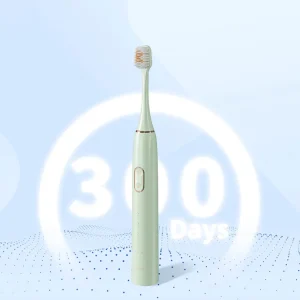
While the 40000 Strokes/Min Sonic Brush in itself is not inherently harmful, specific design flaws or usage patterns can increase risk:
These factors make it clear that the solution lies not in lowering speed, but in engineering safety and guidance into the product.
To protect users and reassure distributors and retail partners, OEMs can integrate the following design considerations:
When the 40000 Strokes/Min Sonic Brush is combined with intelligent design and usage guidance, it remains safe—even for users with mild gingival concerns.
To gain trust from B2B buyers, manufacturers should back product performance with:
Such data not only reinforces safety but also becomes a key differentiator in OEM product proposals.
In summary, Gum Recession is not caused by the 40000 Strokes/Min Sonic Brush per se, but rather by how the brush is designed and used. Manufacturers who proactively address pressure regulation, bristle ergonomics, and user training will unlock the full potential of sonic technology—without compromising oral tissue integrity.
For B2B stakeholders, the message is clear: sonic speed can be a selling point, but only if accompanied by smart engineering and clinical reassurance. Contact us
Can Scalable Toothbrush Production Capacity Optimize Your Toothbrush Material Sourcing Costs?
.jpg)
Is Your POWSMART Smart Rechargeable Toothbrush Leaking Battery?
.jpg)
Perfect Pressure Every Time: Designing User-Friendly Water Flosser Settings for Your OEM Brand
.jpg)
Quiet Electric Toothbrush for Night Use – OEM Supply for Hotels & Wellness Brands
.jpg)
Is Sensitive Gum Electric Toothbrush Shedding Bristles?
Is the Disinfection Stand for Electric Toothbrushes Useful? An OEM Analysis from the Factory
ergonomic sonic toothbrush wholesale | Comfortable Grip Design OEM Factory
Are Erratic Brushing Mode confusion and Timers Failing Simultaneously?
Jet Stream Water Flosser – High-Pressure Oral Irrigator

Want Electric Toothbrush Industry Insights for a Thorough Electric Toothbrush Competitor Analysis?
Private Label Electric Toothbrush Solutions for Global Oral Care Brands
Optimizing Water Flosser Performance: The Science Behind PSI Settings
.jpg)
The Secret of the Cross-Sectional Shape of Electric Toothbrush Bristles: The Difference Between Diamond, Round and Cone in Protecting Gums
Fort Worth Electric Toothbrush Wholesale Buying Guide
Can Reliable Water Flosser Component Suppliers Support Cordless Water Flosser Manufacturing?
Light Burns Cause Bite Misalignment? Whitener Safety Controversy!


.jpg)
.jpg)
.jpg)
.jpg)
.jpg)



.jpg)
.jpg)