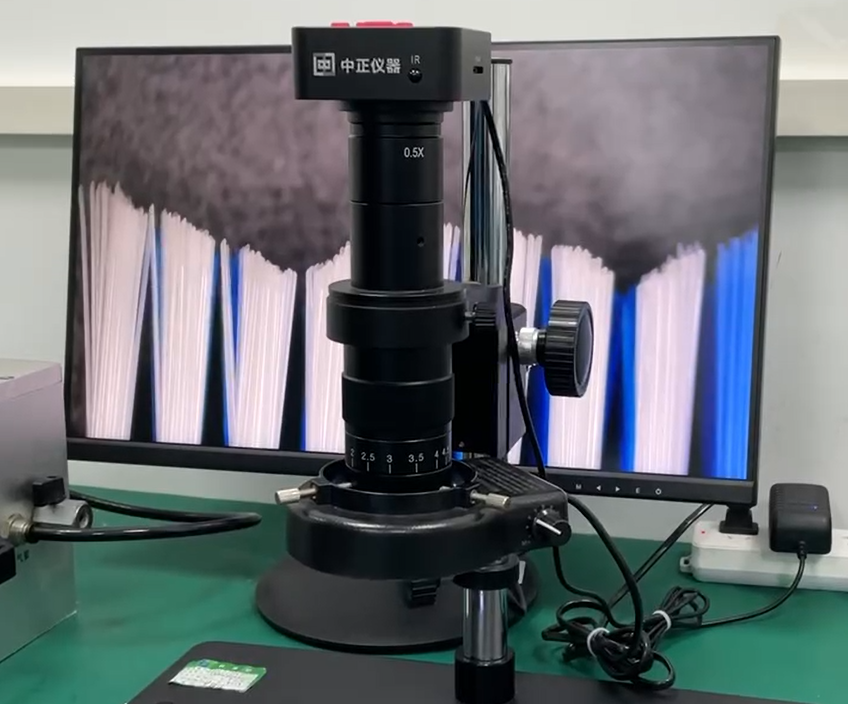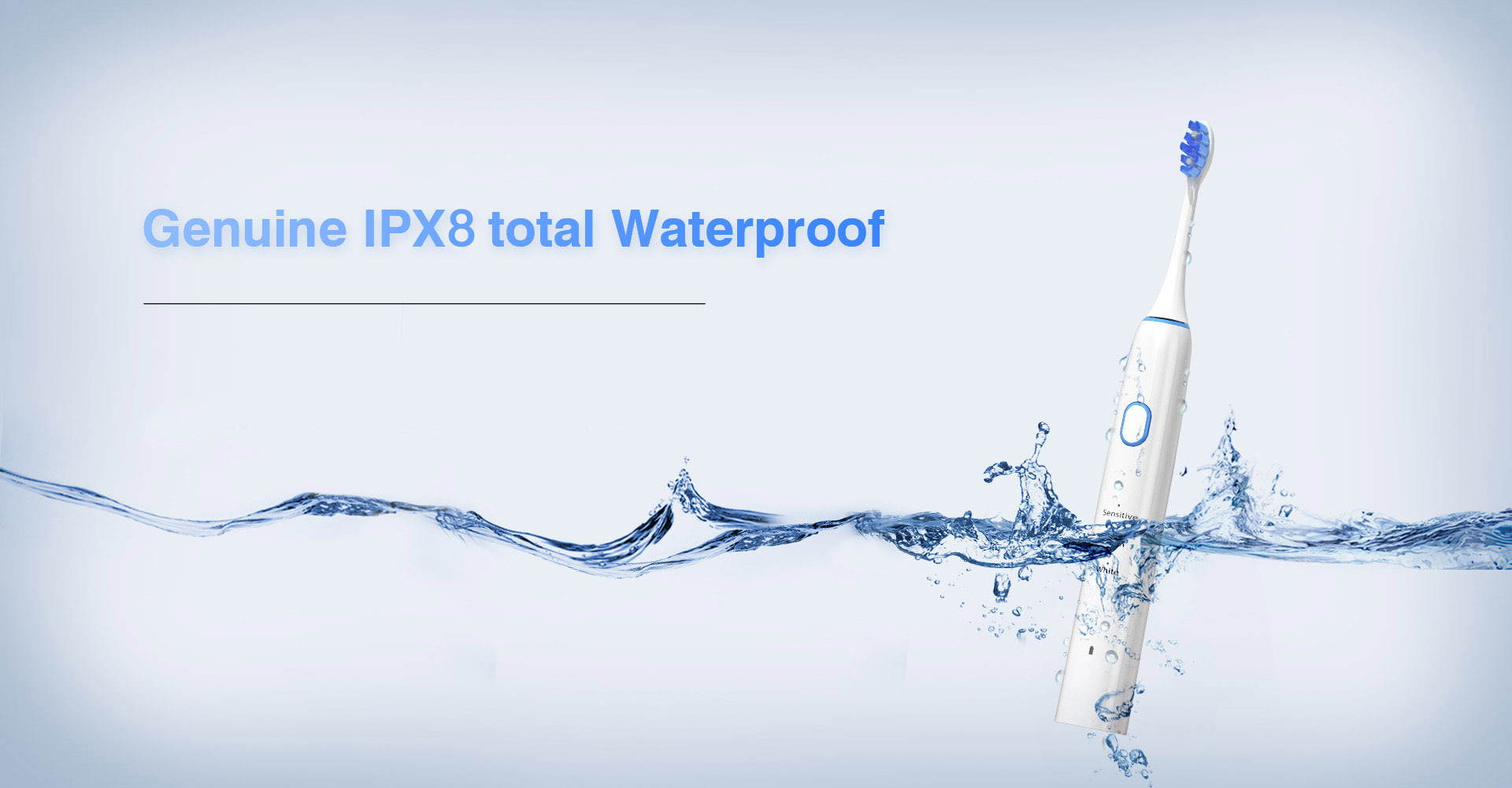
In the field of oral care, there are many other tools to choose from besides electric toothbrushes, such as manual toothbrushes, flossers, water flossers and so on. Each tool has its unique advantages and applicability, but in terms of effectiveness, convenience and experience, electric toothbrushes are gradually taking over. This article will compare electric toothbrushes with other oral care tools in five aspects. 1. Cleaning effect Electric toothbrushes are able to clean teeth more deeply than traditional manual toothbrushes due to their high-speed vibration or rotation function, especially in the areas around the teeth and gum line. Manual toothbrushes, although less expensive, are not as effective as electric toothbrushes in cleaning, especially for plaque and food debris removal. Flossing, on the other hand, is mainly used to clean the crevices between teeth, but flossing alone cannot fully clean the entire mouth. Powsmart, as an electric toothbrush factory, produces electric toothbrushes with advanced cleaning technology that can effectively reduce plaque buildup and help users maintain longer-lasting oral health. 2. Ease of Use In terms of ease of use, electric toothbrushes have the advantage. Electric toothbrushes make brushing easier by automatically vibrating or rotating, so users only need to gently place the…

What is the Electric Toothbrush Market Forecast? When we think about oral hygiene, the first thing that comes to mind is brushing our teeth. Brushing your teeth twice a day is essential for maintaining good oral health. It not only makes your teeth clean but also eliminates harmful bacteria and plaque from your mouth. With technological advancements, manual toothbrushes are now being replaced with electric toothbrushes that provide better cleaning and convenience. The electric toothbrush market has witnessed significant growth in recent years, and this trend is expected to continue in the coming years.In this article, we will provide an overview of the electric toothbrush market, factors driving its growth, market trends and innovations, market segmentation by type, price range, and distribution channel, market size and revenue projections, regional analysis, competitive landscape, and key market players.We will also discuss the challenges and opportunities in the electric toothbrush market.Powsmart custom electric toothbrush and private label electric toothbrush with our expertise and dedication to quality, we offer a wide range of options to meet the unique needs of our customers. Overview of the Electric Toothbrush Market The electric toothbrush market is a rapidly growing market that is witnessing significant growth. Electric toothbrushes…
We all know how important it is to maintain good oral hygiene.Brushing our teeth twice a day is a crucial part of our daily routine, and one of the essential tools we use for this task is the toothbrush. But have you ever wondered how much it costs to manufacture a toothbrush? In this blog post, we will take a deep dive into the world of toothbrush manufacturing and explore the different factors that affect its cost.Many factors, from the materials used to the manufacturing process, contribute to the final cost of a toothbrush for the electric toothbrush manufacturer.Understanding the manufacturing process and the factors that affect the cost will give us a better appreciation of the value of this simple yet essential tool.So, let's get started and uncover the fascinating world of toothbrush manufacturing. Materials Used in Toothbrush Manufacturing The materials used in toothbrush manufacturing play a significant role in determining the final cost. The most common materials used for toothbrush bristles are nylon and polyester. Nylon bristles are more expensive than polyester bristles, but they are also more durable. This means that toothbrushes with nylon bristles last longer, which can be a selling point for some consumers.The handles of toothbrushes…
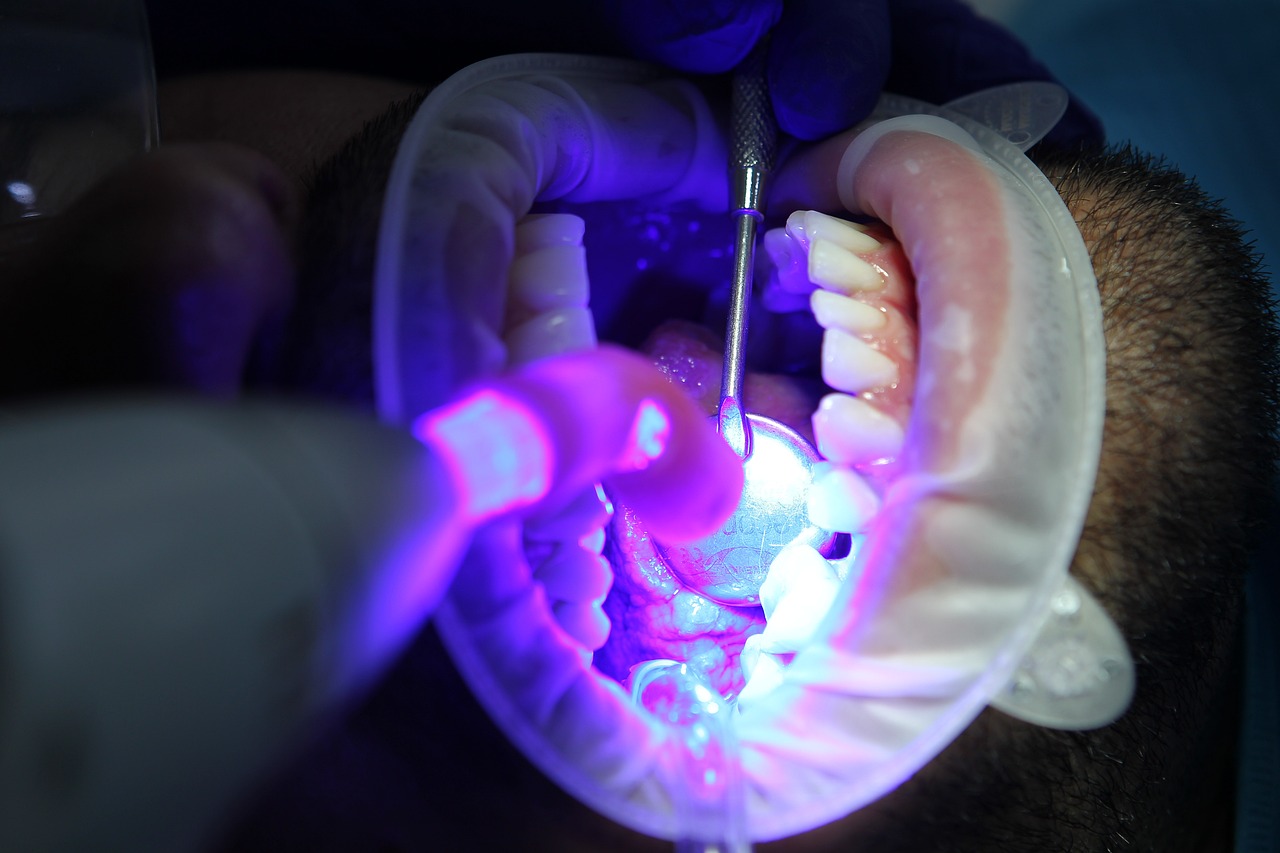
Imagine walking into a room full of people with bright, dazzling smiles. Their teeth gleam with a radiance that commands attention and exudes confidence. You can't help but wonder how they achieved such pearly whites. Well, the secret is out – they have visited a teeth whitening professional. If you have a passion for helping people achieve beautiful smiles and want to start a teeth whitening business, you're in the right place.In this guide, we will walk you through the essential steps to launch your own teeth whitening business. From understanding the market and legal requirements to setting up your workspace and attracting clients, we've got you covered. So, get ready to embark on a journey that will transform not only your clients' smiles but also your entrepreneurial dreams.Let's dive in! Research and Market Analysis Before diving headfirst into any business venture, it's crucial to conduct thorough research and analyze the market to ensure you're on the right track. Starting a teeth whitening business is no exception. By understanding the current market trends, target audience, and competition, you can position your business for success.Begin by researching the demand for teeth whitening services in your area. Look for statistics and trends that indicate the…
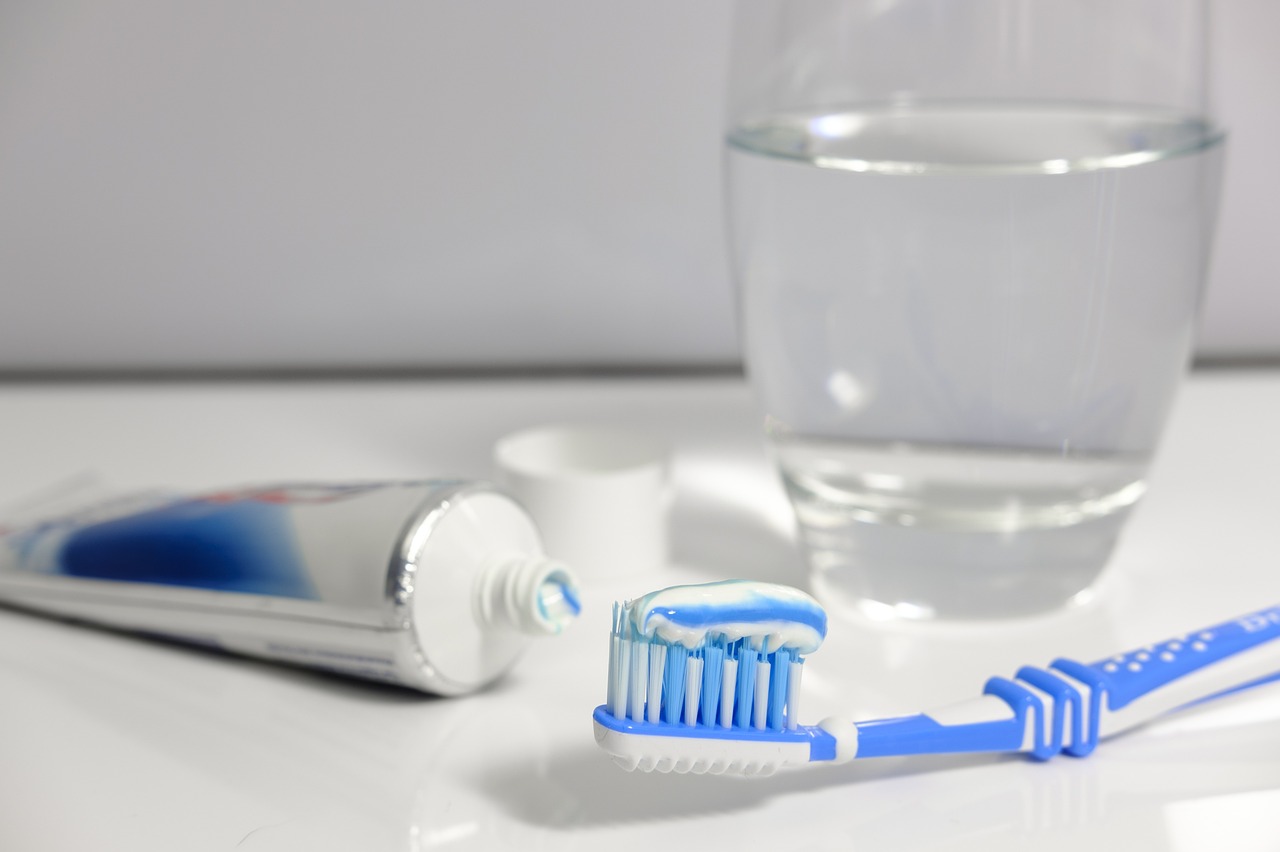
Have you ever wondered if you could create your own electric toothbrush? Well, wonder no more! In this guide, we will walk you through the step-by-step process of making your very own electric toothbrush from scratch. With just a few materials and a little bit of time, you'll have a personalized toothbrush that will leave your teeth feeling clean and fresh. So, let's get started!As a leading electric toothbrush manufacturer, we offer wholesale options for those looking to stock up on this essential oral care product. Materials needed Before we dive into the process, let's gather all the materials you'll need to make your own electric toothbrush:A toothbrush handleA small electric motorA battery packYou can find these materials at your local hardware store or online. Once you have everything ready, we can move on to the next step!Our electric toothbrush factory, the perfect solution for dental hygiene enthusiasts. Gather the necessary components The first step in making your own electric toothbrush is to gather all the necessary components. Start by finding a toothbrush handle that you like. You can choose a regular toothbrush handle or get creative with a unique design. Next, locate a small electric motor that will fit inside the handle.…
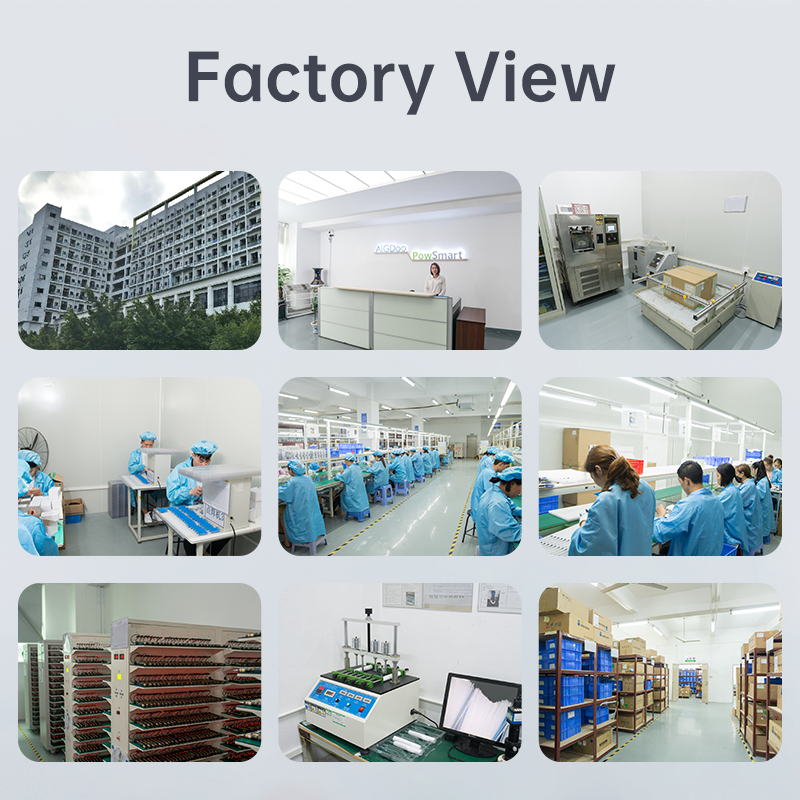
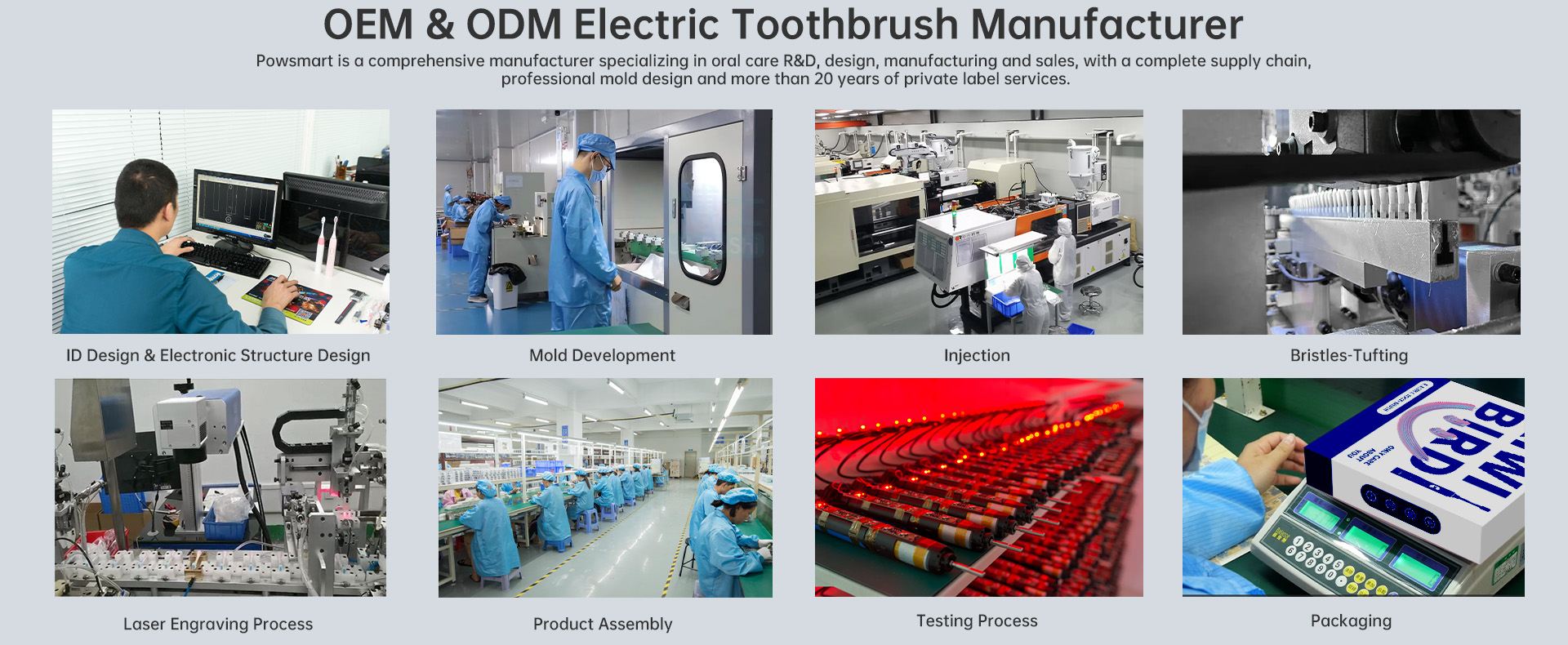
Established in 2004. Powsmart Technology Co., Ltd is a comprehensive enterprise integrating R&D, production and sales of electric toothbrush, teeth whitening device and water flosser. At the same time, we provide customized services of toothbrushes, teeth whitening products and oral irrigators, Our company covers an area of 5000 square meters and has more than 100 R & D and production personnel. All of products have passed many international quality inspection Certifications and we have won the national high-tech enterprise honor and owned hundreds of product patents. The company has passed ISO9001/ISO13485 system certification and FDA certification registration; Our main products include Sonic electric toothbrush, Sonic wave electric toothbrush, teeth whitening kit and water flosser, etc. All products have obtained FCC, CE, FDA, ROHS, SGS,MSDS certificates can provide customers with high-quality and detailed products and services. We mainly export to the United States, Europe, Southeast Asia countries and other places. What can be customized for electric toothbrush or Water Flosser? The appearance, structure and electronic parts design of the customer-supplied products. Powsmart Technology Co., Ltd. is responsible for the whole manufacturing process, such as product mold design, mold production, plastic injection molding, electronic parts procurement, incoming material detection, assembly, testing, packaging and other production tasks. Prerequisites for cooperation in ODM service of electric toothbrush Or Water flosser…
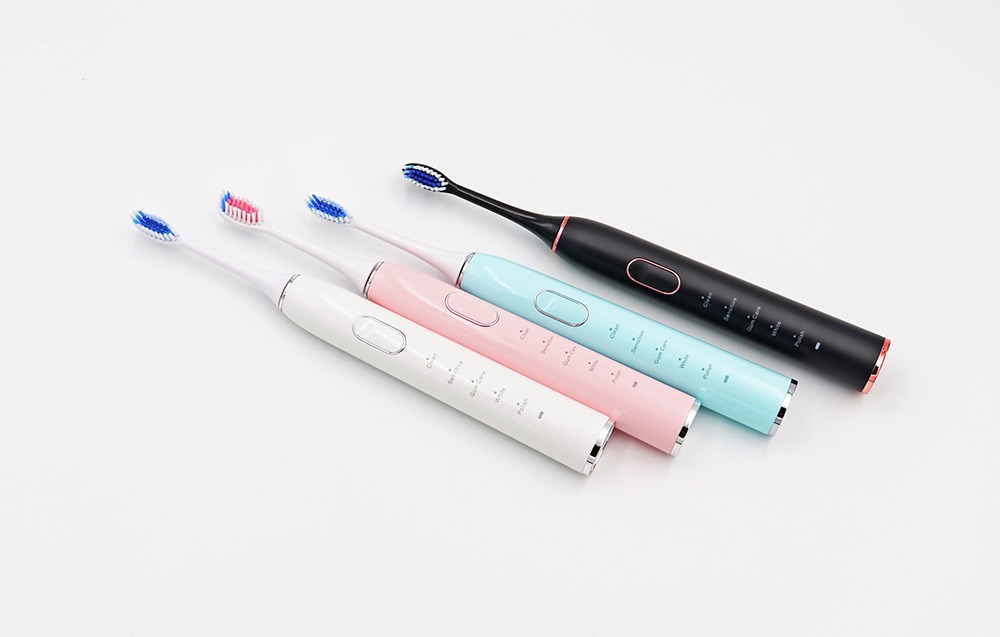
Oral health has become a major concern in modern society. As technology continues to evolve, the change from manual to electric toothbrushes is gradually changing our daily oral care habits. This article will explore this revolutionary change and the important role of sonic toothbrushes in it. 1.The shift from manual to electric Over the past few decades, manual toothbrushes have been the main tool in people's daily oral care routine. However, with the development of technology, electric toothbrushes have gradually become the choice of more and more people. Compared with manual toothbrushes, electric toothbrushes offer higher cleaning efficiency and a more convenient experience. Especially the sonic toothbrush, which generates a stream of water through high-frequency vibration to flush the teeth, can more deeply clean the surface of the teeth and the crevices of the teeth, and effectively prevent the formation of dental plaque and dental calculus. 2. the advantages of sonic toothbrush (1)Deep cleaning: the high-frequency vibration of the sonic toothbrush can produce a powerful water impact, can deeply clean the tooth surface and tooth gap, effectively remove plaque and food debris. (2)Protect gums: Compared with the rotating brush head of traditional electric toothbrushes, the bristles of sonic toothbrushes are…
As consumers become more health-conscious and hygiene-focused, demand for durable, safe, and family-friendly electric toothbrushes continues to rise. Specifically, IPX7 Waterproof Electric Toothbrush models are gaining popularity for their water resistance, reliability, and usability in wet environments like showers or sinks. This trend presents a valuable opportunity for oral care brands to expand their product lines—especially if they can partner with a capable IPX7 toothbrush OEM. In this blog, we explore the key considerations for sourcing high-quality waterproof electric toothbrushes suitable for both kids and adults, and how to identify the right family toothbrush supplier. What Does IPX7 Waterproofing Mean for Electric Toothbrushes? IPX7 waterproof electric toothbrush certification indicates that the device can withstand immersion in water up to 1 meter deep for 30 minutes. This level of water resistance ensures: Safe daily use in bathrooms and showers Long-term durability and reduced risk of internal damage Easy cleaning and maintenance for all family members For brands, offering IPX7 toothbrush OEM products means added value and peace of mind for consumers, especially families with young children who may handle products less carefully. Key Features to Look for in a Family-Friendly IPX7 Toothbrush When sourcing from a family toothbrush supplier, brand owners should look for…
With consumer expectations rising, the demand for higher safety and quality in oral care devices like electric toothbrushes is stronger than ever. In this blog, Powsmart will explain how electric toothbrush manufacturers align with medical device production standards to achieve ISO 13485 electric toothbrush and deliver products trusted by both dental professionals and consumers.https://www.powsmart.com/about-powsmart/ What is ISO 13485 and Why is it Important for Electric Toothbrushes? ISO 13485 is an internationally recognized standard specifically for medical device quality management systems. While electric toothbrushes are often classified as consumer electronics, premium models, especially those used in clinical or specialized dental care, are increasingly expected to meet medical device production standards. Compliance with ISO 13485 electric toothbrush guidelines ensures: Safer product design and manufacturing Consistent quality control across batches Enhanced credibility in both consumer and professional markets Manufacturers adopting this system stand out with superior reliability and performance. Implementing a Rigorous Quality Management System (QMS) Meeting ISO 13485 starts with establishing a comprehensive quality management system.Key components include: Detailed documentation at every production stage Traceability for all components and processes Risk assessment and corrective action plans Continuous training for quality and production teams By building a robust QMS, manufacturers ensure that each electric toothbrush meets strict international…
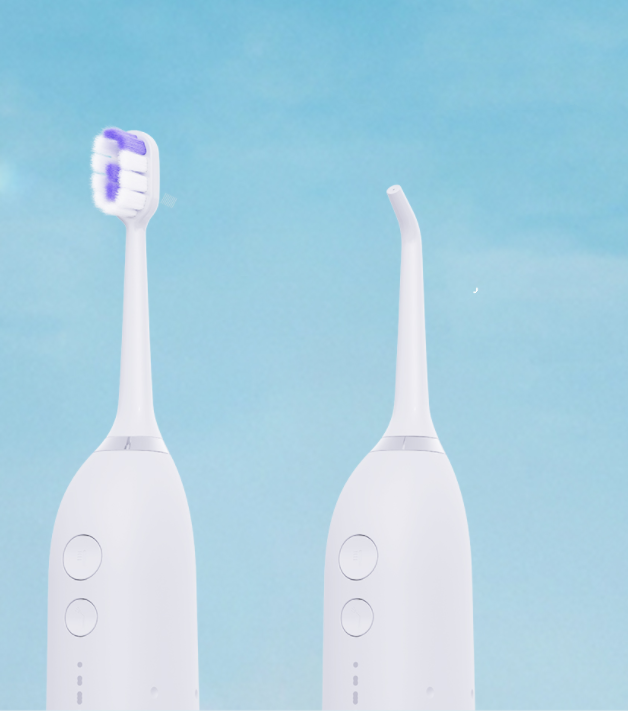
In recent years, consumer interest in multifunctional oral hygiene solutions has been on the rise. As people seek more efficient and convenient routines, the electric toothbrush + water flosser combination has emerged as a game-changing innovation. This two-in-one device offers users a comprehensive oral care solution in a compact and easy-to-use form. As an oral care products factory, understanding real market feedback is essential to guide future development and investment. Why the Two-in-One Device Is Gaining Popularity The rise in demand for two-in-one devices reflects shifting consumer preferences toward space-saving, travel-friendly, and tech-integrated solutions. Combining brushing and flossing in one device eliminates the need for two separate products, while also improving the consistency of oral hygiene routines. Key reasons for popularity include: Time efficiency: Simultaneous brushing and water flossing saves time. Minimalism: Reduces clutter on the bathroom counter. Cost-effectiveness: One purchase, multiple functions. Improved compliance: Easier for users to follow a daily oral care routine. Market Feedback from End-Users and Distributors Our team at the oral care products factory has collected feedback from global distributors and end-users over the past 12 months. Highlights include: Positive Consumer Response:Most users reported a noticeable improvement in oral cleanliness and gum health. They appreciated the innovation and were…
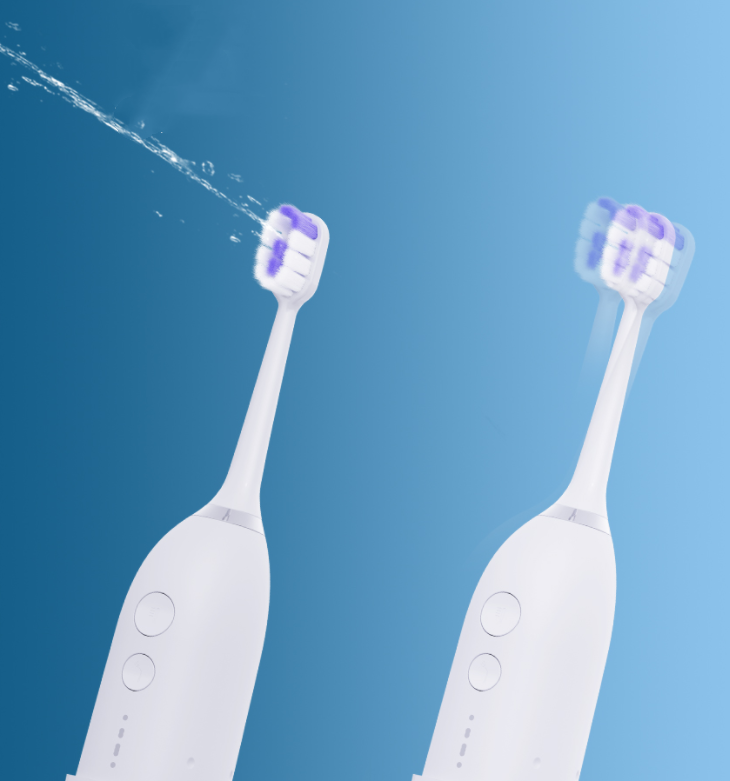
As consumer demand for convenience and efficiency continues to rise, 2-in-1 dental care devices are becoming a major trend in the oral hygiene market. Among them, the Water Flosser Toothbrush Combo stands out as a smart, space-saving, and effective solution. For brands looking to expand or differentiate their product lines, this 2-in-1 oral care solution offers tremendous potential. In this blog, we explore the benefits, key product considerations, and what to look for in a manufacturing partner. What is a Water Flosser Toothbrush Combo? A water flosser toothbrush combo integrates two essential oral hygiene functions into a single device: Electric toothbrush: For high-efficiency brushing and plaque removal. Water flosser: For deep interdental cleaning and improved gum health. This combo oral hygiene device allows users to switch seamlessly between brushing and flossing—offering a complete oral care routine with minimal countertop clutter. It’s ideal for consumers who want all-in-one convenience and enhanced dental care performance.3. Market Demand and Growth Potential The global oral care market is experiencing a shift toward smart, multifunctional products. According to market trend reports, the 2-in-1 dental care segment is expected to grow significantly over the next 5 years, driven by: Growing awareness of gum health Increasing consumer preference for compact, multi-use devices Demand…
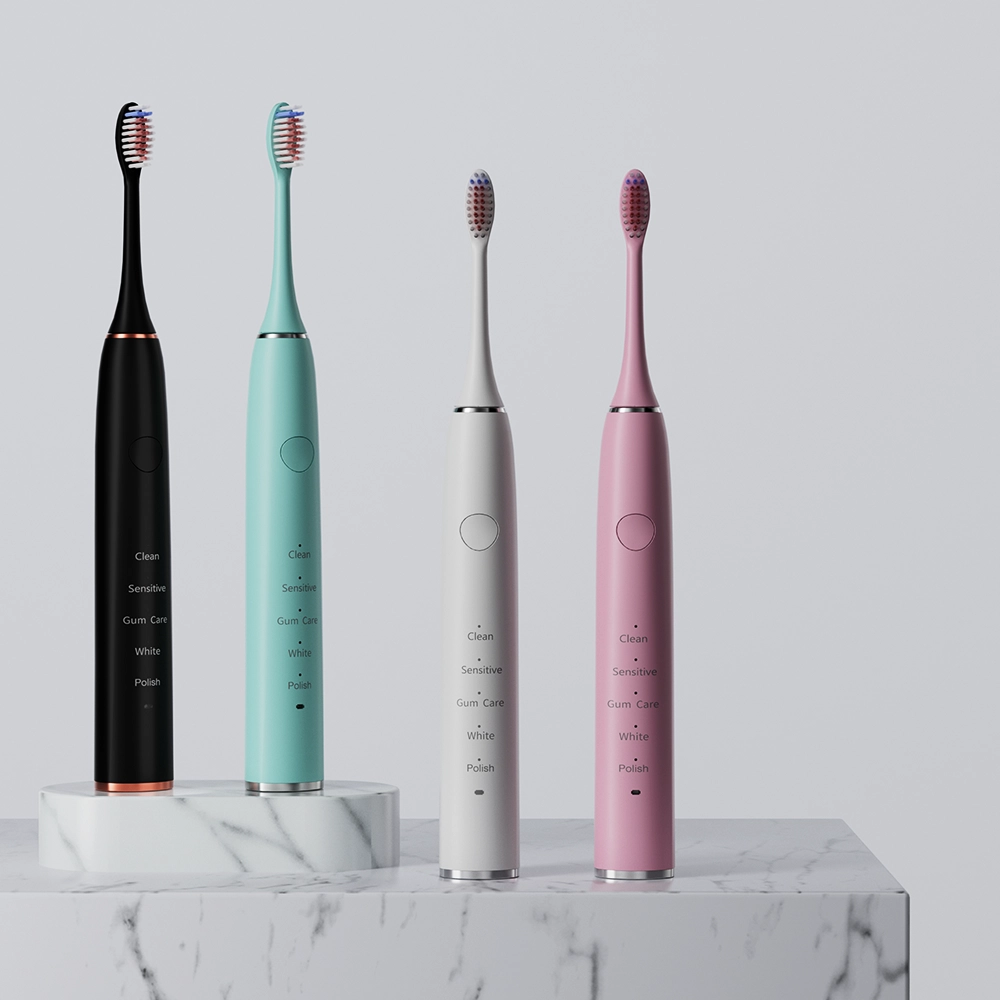
In the ever-expanding electric toothbrush market, Powsmart, as a professional electric toothbrush factory with 20 years of OEM/ODM experience, has taken its place in the industry with its excellent technical R&D and production capacity. In this article, we will introduce our factory's core competitiveness in five aspects in detail to help you better understand Powsmart's unique advantages in the field of electric toothbrushes. 1. Deep foundation of technology research and development Powsmart has been committed to investment and innovation in technology research and development to ensure that we are always at the forefront of electric toothbrush factories. We have a research and development team composed of many experienced engineers, not only with appearance designers, hardware and software engineers, but also obtained nearly 200 patents, without fear of infringement risk. Every year, we launch 2-3 new products. 2.advanced production equipment and technology As an experienced electric toothbrush factory, Powsmart has introduced many international advanced production equipments to ensure the high efficiency and quality of the production process. We not only have manual operation and control machine testing, we also have automated operation, from raw material purchase, processing to assembly, in strict accordance with ISO9001 quality management system standards. The factory has…
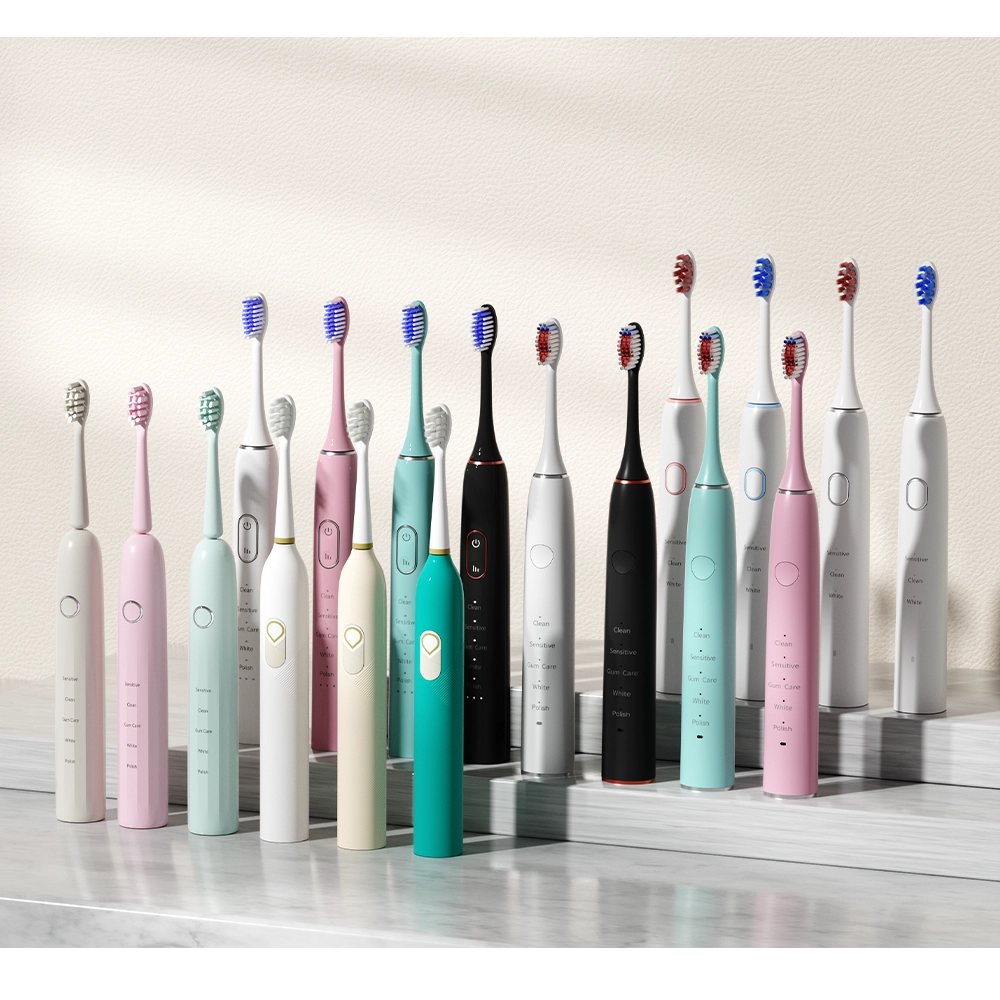
Oral health is not just about the health of your teeth and gums, it is closely related to your overall health. Scientific studies have shown that oral diseases are strongly associated with the development of many systemic diseases. Therefore, maintaining good oral health is crucial to promoting overall health. As an electric toothbrush factory with 20 years of OEM/ODM experience, Powsmart is committed to helping users maintain their oral and overall health by providing high-quality oral care products. In this article, we will explore the relationship between oral health and overall health from five aspects and introduce how to achieve health management by choosing the right oral care tools. 1. Oral Health and Cardiovascular Health Research has shown that bacteria in the mouth may affect heart health through the bloodstream. Chronic gum inflammation and periodontal disease may be linked to cardiovascular diseases such as heart disease and stroke. Bacteria entering the bloodstream from infected gums can trigger an inflammatory response in the heart's blood vessels. Electric toothbrushes are effective in reducing the bacterial load in the mouth due to their efficient cleaning characteristics, thus reducing the risk of related cardiovascular diseases. Powsmart, as a professional electric toothbrush factory, focuses on…
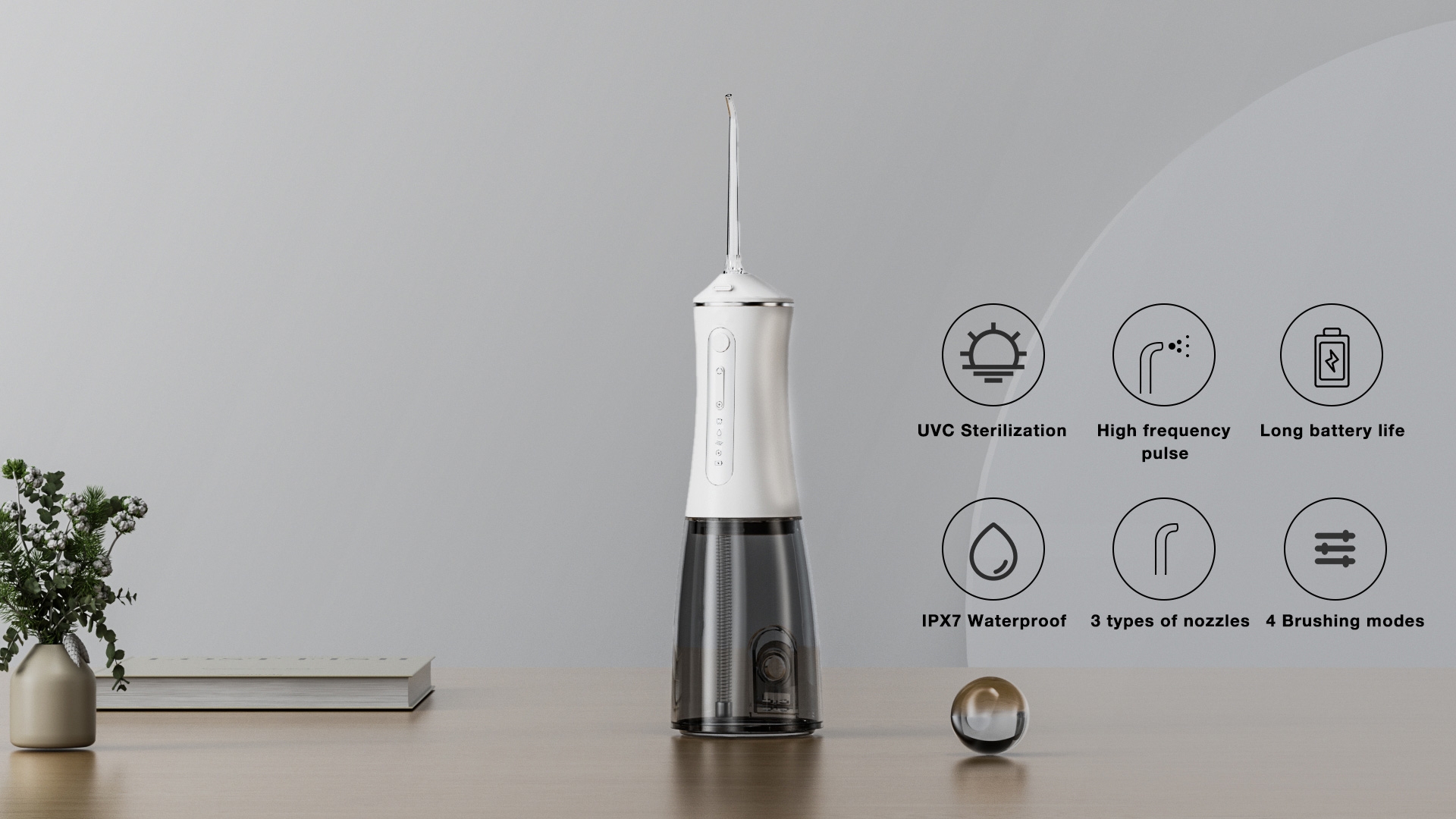
As consumers around the world pay more attention to oral health, dental floss rinsers, as a convenient and efficient cleaning tool, are gradually gaining a foothold in the international market. However, entering the international market is not an easy task, and it is necessary to comply with the access standards and regulations of each country. As a tooth flosser supplier with 20 years of experience, Powsmart produces tooth flossers that are not only compact and portable, which are especially suitable for travel enthusiasts and people on business trips, but also meet worldwide compliance requirements. In this article, we will discuss in depth the access standards and compliance issues of the international market for toothpowder flossers. 1. Regulatory Requirements in Different Countries As a part of medical devices, dental flossers are usually subject to strict regulations in different countries. In the U.S., the FDA (U.S. Food and Drug Administration) imposes strict requirements on the design, production and safety of dental flossers. When entering the European market, CE marking is an indispensable criterion, indicating that the product complies with the health, safety and environmental protection requirements of the European Union. Other countries such as Japan and China also have their own set…
As people pay more attention to oral health, tooth flosser is becoming more and more popular as an efficient cleaning tool. It penetrates deep into the teeth through high-pressure water flow to remove food debris and plaque, effectively preventing gingivitis and periodontal disease. As a tooth flosser factory with 20 years of OEM/ODM experience, Powsmart is committed to providing high-quality tooth flosser products to customers all over the world. In this article, we will provide you with a detailed guide to the daily use of tooth flossers to help you better maintain your oral health. 1. Correctly choose the right tooth rinser for you Choosing the right toothbrush for you is the first step in keeping your mouth clean. There are many types of dental flossers on the market, including handheld, desktop, portable and so on. Depending on your personal usage habits and needs, you can choose the right model. As a tooth flosser factory, Powsmart produces tooth flossers mainly categorized into home handheld and portable, which are suitable for people with different tooth sensitivity. Whether you use it for daily use or travel with it, our tooth flosser can meet your needs. 2. Preparation before use Before using the…
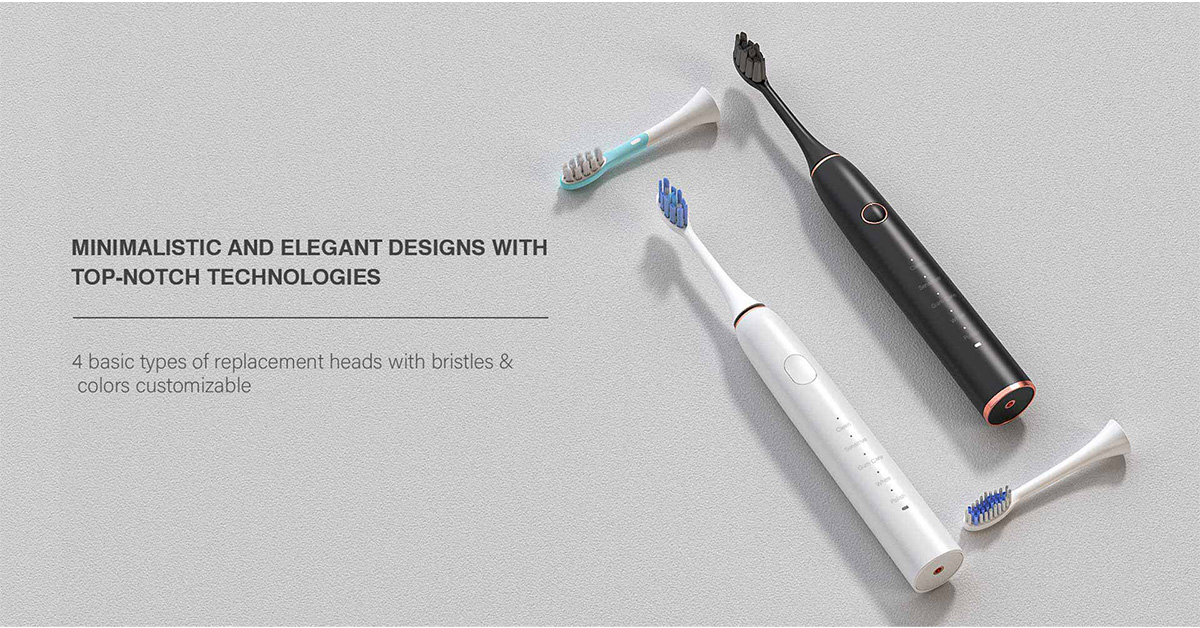
In today's competitive market, the success of an electric toothbrush factory depends not only on production capacity but also on quality control and innovation. As a company with 20 years of OEM/ODM experience, Powsmart always focuses on finding the best balance between quality and innovation. In this article, we will introduce five aspects of how Powsmart continuously pursues excellence in the operation of its electric toothbrush factory. 1. Quality First: Every Step of the Manufacturing Process At Powsmart, we understand that quality is the cornerstone of business survival. As a leading electric toothbrush factory, we strictly control every step of the manufacturing process to ensure that our products meet the highest standards. From the selection of raw materials to the inspection of finished products, every step of our operations is carefully designed to minimize defects and ensure consistency. Our electric toothbrush factory employs 38 rigorous tests and is able to do 100% testing before leaving the factory to ensure that every product meets or exceeds our customers' expectations. This dedication to quality has enabled Powsmart to build a solid foundation of trust in the marketplace and provide reliable products to our customers. 2. Innovation-driven: ever-improving product performance Innovation is one…
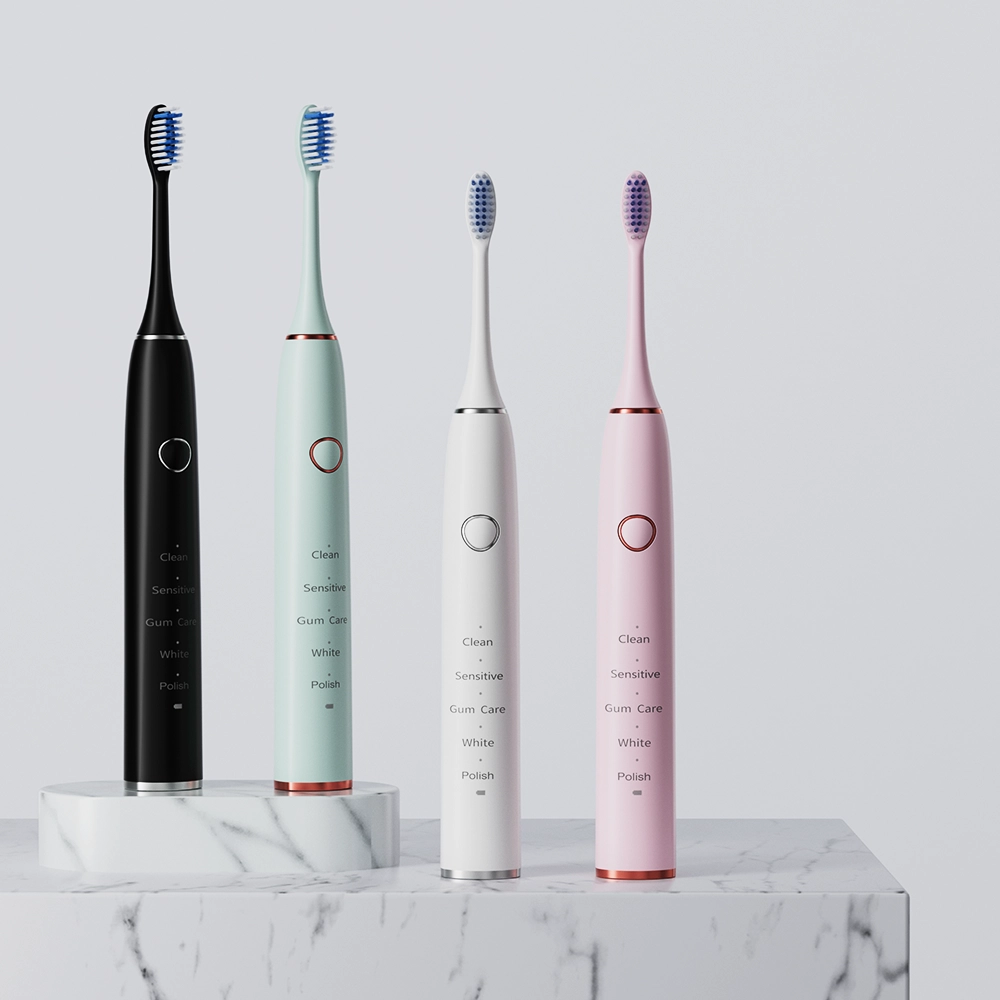
Introduction With modern people's increasing concern for oral health, electric toothbrushes, as an essential tool for daily oral care, are becoming a market favorite. As a professional electric toothbrush manufacturing factory with 20 years of OEM/ODM experience, Powsmart is committed to providing our customers with high-quality electric toothbrush products. Next, we will take you deep into the production process of Powsmart electric toothbrushes, revealing fine craftsmanship and technological innovation. 1. Design and R&D: From Concept to Product The production of every Powsmart electric toothbrush begins with a design and development phase. Our team of engineers and designers work closely together to combine market needs, customer feedback, and the latest technology to create an electric toothbrush that is both functional and aesthetically pleasing. Our team of engineers and designers have over 10 years of experience in the industry, and with this wealth of experience, through multiple rounds of proof-of-concept and functionality testing, Powsmart ensures that each electric toothbrush not only meets the user's needs but also delivers superior cleaning results. Strict control at the design stage is the first step to the success of our products. 2. Selection and Sourcing of Raw Materials: Guarantee of Quality High-quality raw materials are the…
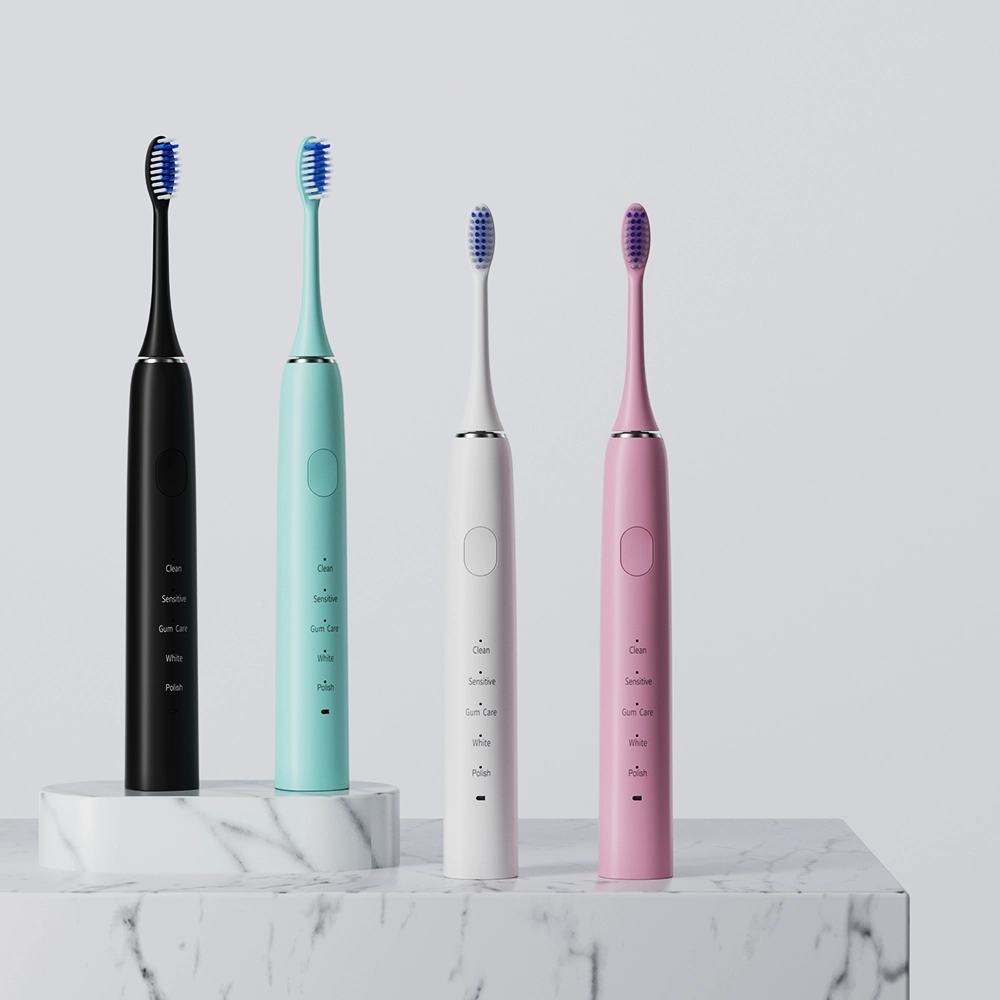
With the continuous progress of science and technology, oral care has also ushered in the era of intelligentization. As a representative of this intelligent technology, electric toothbrush is gradually becoming a necessity in people's daily life. For electric toothbrush factories, how to stand out in the fierce market competition is an important issue. Today we will discuss the importance of electric toothbrushes in the future of oral care from three aspects: smart technology, product advantages and future trends. 1. Smart technology empowers oral care Electric toothbrush factories are constantly improving product performance and user experience, driven by smart technology. Today's electric toothbrushes are not just mechanical cleaning tools, but high-tech products that integrate intelligent sensing, precise control and personalization. Take Powsmart for example, as an electric toothbrush factory with 20 years of OEM/ODM experience, we are always committed to applying the latest technology in product design and manufacturing. Through advanced sensors, the electric toothbrush can monitor the brushing force, angle and time in real time to ensure that every brush is optimized. This not only greatly improves the efficiency of oral care, but also allows the user to adjust the brushing style according to individual needs for personalized care. 2.…


.jpg)
.jpg)
.jpg)
.jpg)
.jpg)




.jpg)
.jpg)