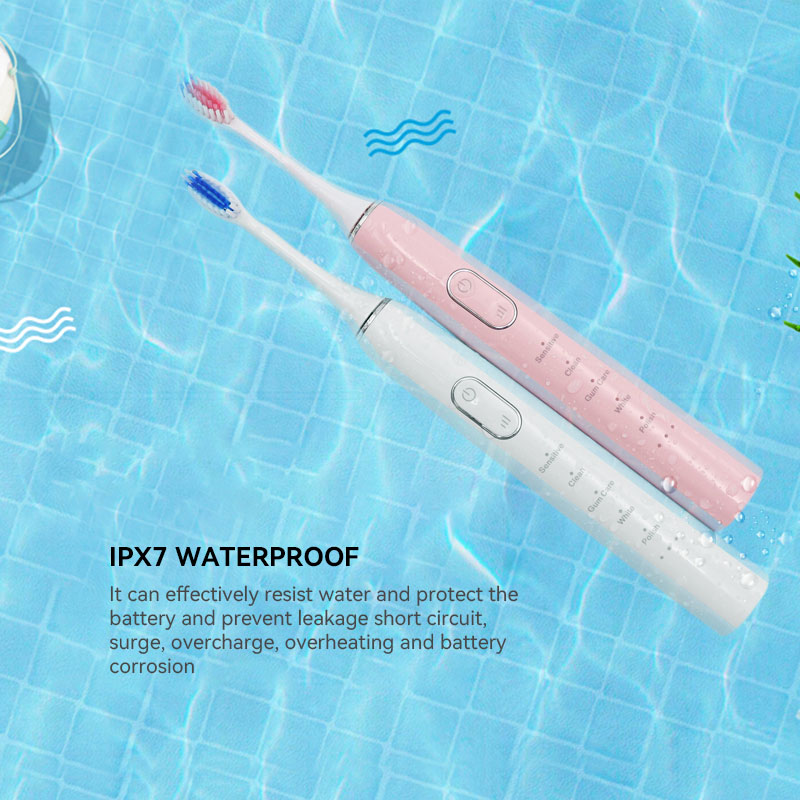
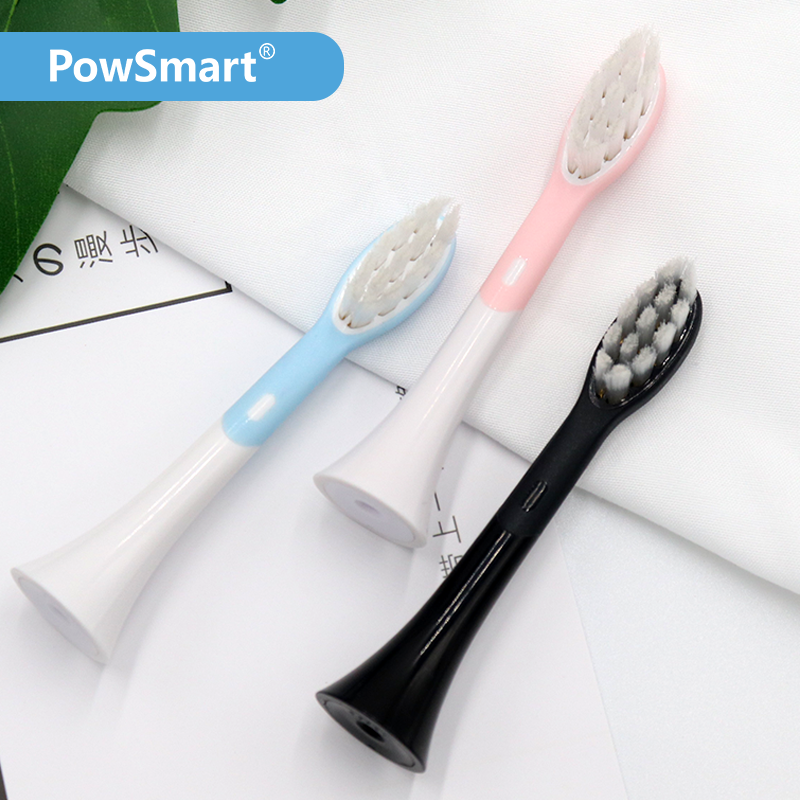
Electric toothbrushes have revolutionized modern oral hygiene. Among them, the rotating electric toothbrush stands out for its widespread use and affordability. However, behind its popularity lies a growing concern: the harm of rotating electric toothbrushes to the oral cavity. From an electric toothbrush factory’s perspective, understanding these risks is essential — not only for developing safer products but also for guiding oral care brands in selecting the right designs for their markets. This article explores the pros and cons of different types of electric toothbrushes, especially the rotating kind, and how brands can make more informed decisions.
Rotating electric toothbrushes use a circular motion to mechanically remove plaque. Their mechanism is often simpler and more aggressive than sonic or ultrasonic alternatives. While they offer decent cleaning performance, they lack the finesse needed for sensitive gums and enamel.
Bristle heads that rotate at a fixed speed
Usually affordable and widely distributed
Basic technology compared to high-frequency models
While effective at plaque removal, they can be harsh on the oral cavity, especially when used improperly or for extended periods.
Many dentists and dental researchers have raised concerns about the long-term harm of rotating electric toothbrushes to the oral cavity, including:
Gum Recession: Aggressive rotating motion can gradually erode the gum line, leading to sensitivity and potential periodontal issues.
Enamel Abrasion: Continuous mechanical friction, especially with hard bristles, can wear down enamel over time.
Tooth Sensitivity: Loss of enamel and gum coverage can result in nerve exposure, causing discomfort with hot or cold foods.
Uneven Cleaning: Unlike sonic brushes, rotating heads may miss tight spaces or deeper grooves, leading to inconsistent cleaning.
For manufacturers, recognizing these effects is essential to ensure that product design does not compromise user safety.
From a design and technology standpoint, not all electric toothbrushes perform the same. Here’s a quick product comparison:
| Feature | Rotating | Sonic | Ultrasonic |
| Motion Type | Circular | High-frequency vibration | Ultrasound + vibration |
| Cleaning Depth | Moderate | Deep | Micro-level |
| Oral Sensitivity Safety | Lower | Higher | Highest |
| Market Segment | Entry-level | Mid- to high-end | High-end / specialized |
As shown, while rotating electric toothbrushes serve a large market, they may not be suitable for users with sensitive gums or existing oral issues.
As an experienced electric toothbrush factory, we advise brand owners to:
Prioritize user safety in product design: Consider switching from basic rotating motors to sonic or hybrid technologies.
Customize bristle stiffness and head design: A softer bristle with ergonomic design can greatly reduce oral damage.
Offer options for different age and sensitivity groups: Kids, seniors, and sensitive-teeth users require gentler options.
Invest in performance testing: Simulate long-term use on dental models to assess the risk of gum and enamel damage.
Factories that understand both the technology and the biology of the oral cavity are best positioned to guide safe product innovation.
In the race to deliver competitive pricing and fast launches, it’s easy to overlook long-term health impacts. But for oral care brands, especially in global markets with rising consumer awareness, product safety is non-negotiable.
By understanding the harm of rotating electric toothbrushes to the oral cavity, and comparing the performance of different types of electric toothbrushes, brands can make better product decisions. Partnering with a knowledgeable electric toothbrush factory ensures not just production efficiency, but also brand integrity and customer trust.
Looking for a manufacturer that can help you strike that balance between performance, safety, and cost? We’re here to help.
Electric Toothbrush Subscription Programs for Recurring Revenue
.jpg)
Electric Toothbrush with Dual Motor OEM
Horizontal vs Vertical Brushing: How Smart Toothbrush Design Guides Proper Technique
Cordless Water Flosser for Family Use – Portable Home Oral Hygiene Solutions
wireless charging base toothbrush OEM
How Does an LED Whitening Lamp Activate a Specialized Whitening Gel Formulation for Fast Results?
.jpg)
Can the right oral care products prevent pain this National Toothache Day?
Seeking Electric Toothbrush Innovation Partners Who Are Electric Toothbrush Sustainable Supplier?
.jpg)
Key Considerations for Sourcing OEM Water Flossers with Advanced Features
How Does a Contract Manufacturing Agreement Secure a Steady Brush Head Replacement Supply?
How to Create High-premium Oral Care Products through the Concept of “Treating Yourself Well”?

Why Use Medical Silicone Tubing with a Waterproof Motor Housing in Water Flossers?
App Connected Toothbrush | Smarter Dental Care
Best Toothbrush Heads Compared
.jpg)
What Should Be Noted When Developing or Selecting Children’s Oral Care Products?
Downtown Chicago Electric Toothbrush Repair Services


.jpg)
.jpg)
.jpg)
.jpg)
.jpg)






.jpg)

.jpg)