.jpg)
In an era of increasingly compact and high-performance devices, adapter overheating has quietly become a recurring issue in many B2B-manufactured home care appliances. Unexpectedly, a growing number of users report sinus discomfort—such as facial pressure, dryness, or even mild inflammation—after prolonged device use. Could the heat generated by a poorly designed power adapter be contributing to this physical symptom? In this article, we explore how adapter thermal behavior may influence user experience, and what manufacturers can do to prevent possible health and safety concerns. What Causes Adapter Overheating? Adapter overheating generally results from inefficient energy conversion, poor ventilation, or under-specified components that can’t handle real-world voltage demands. In compact devices like water flossers, beauty steamers, or ultrasonic brushes, adapters are often housed near operating areas—sometimes even embedded within handheld units. When these adapters are not properly managed thermally, they can reach temperatures exceeding 50–60°C, radiating heat toward the user’s face and nasal region. Prolonged exposure, especially during daily use, may cause unexpected discomfort. Sinus Discomfort: A User-Centered Perspective Sinus discomfort is typically associated with exposure to dry heat, temperature imbalance, or environmental irritants. In the context of personal care electronics, if an adapter heats up near the facial region, it…
.jpg)
Maintaining a consistent and effective oral hygiene routine is essential not only for individual health, but also as a key message for oral care brands developing and marketing hygiene products. One of the most commonly asked questions by consumers—and one that brands should address in their product messaging—is: how many times should you clean your mouth in a day? In this blog, we’ll explore the times you clean your teeth recommended by dental professionals, highlight essential oral care tips, and explain how brands can translate these insights into effective product strategies through oral care OEM manufacturing partnerships. Dentist Recommendations: The Ideal Daily Oral Care Routine According to leading dental associations, the daily oral care routine recommended by dentists typically includes: Brushing your teeth at least twice a day (morning and before bed) using a fluoride toothpaste. Flossing once daily to remove plaque and food particles between teeth. Using a mouth rinse once or twice a day, depending on specific needs like sensitivity, breath control, or gum health. In total, a comprehensive daily routine involves clean your mouth at least 2–3 times per day, ensuring all areas—teeth, tongue, and gums—are thoroughly maintained. The Risks of Infrequent Cleaning Not adhering to these recommended frequencies can lead to long-term…
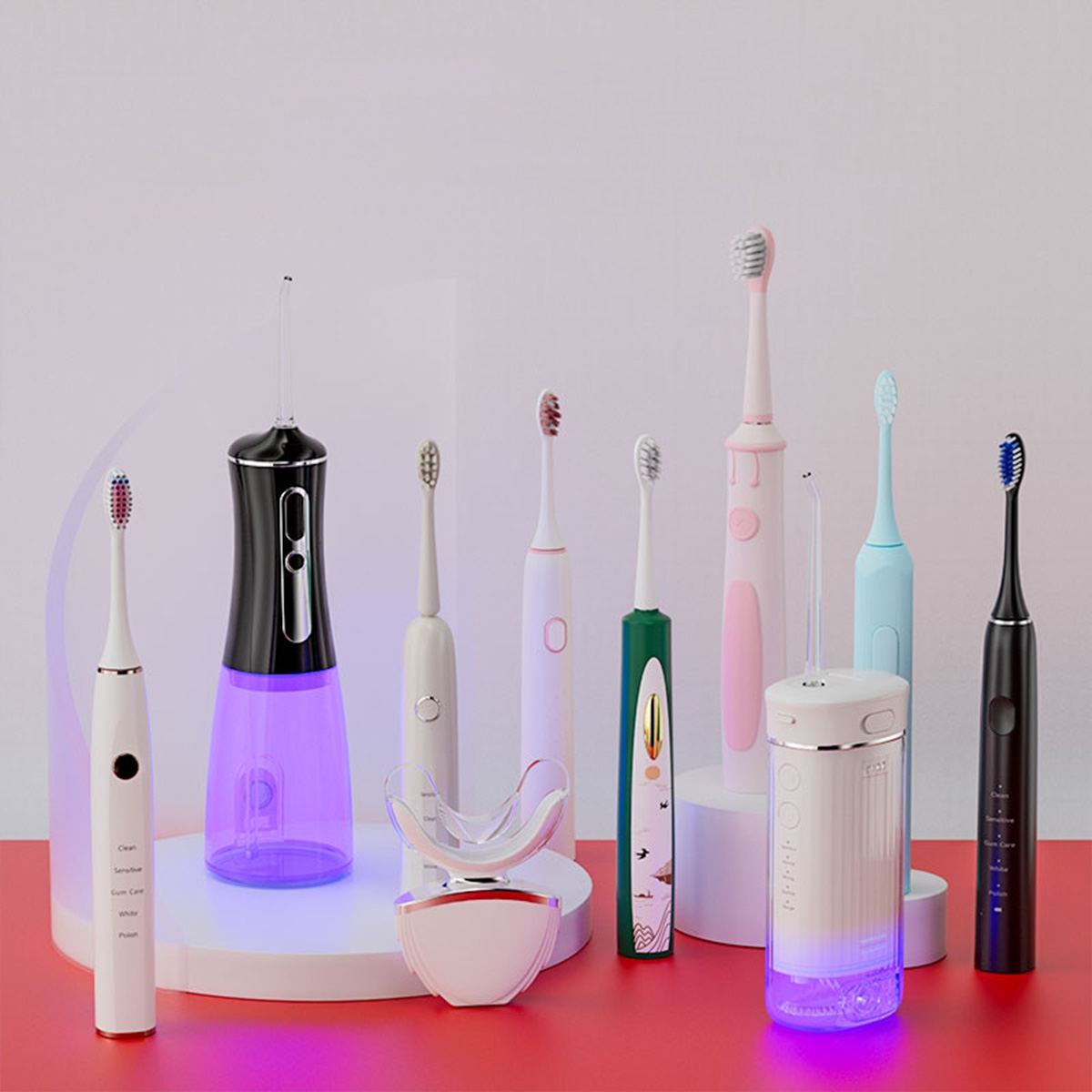
As dental clinics increasingly focus on holistic patient care and service diversification, selling oral care-related products directly in-clinic has become a strategic extension. By offering curated retail options, clinics can enhance patient compliance, improve oral hygiene outcomes, and unlock a valuable revenue stream. However, to maximize benefits, clinics must carefully choose which products to carry and understand key factors like safety, marketability, and profit margins. This blog provides a practical guide for dental professionals exploring dental clinic retail options—what to sell, how to source, and what to consider. Recommended Oral Care Products for Dental Clinics Clinics should focus on selling products that are both clinically effective and frequently recommended during treatment. Popular and trusted categories include: Electric toothbrushes – Ideal for long-term plaque control and gum care. Oral irrigators (water flossers) – Effective for patients with braces, implants, or gum issues. Interdental brushes – A must-have for patients with tight contacts or periodontal needs. Toothpaste and mouthwash – Especially those with active ingredients like fluoride or chlorhexidine. Whitening kits – For patients interested in cosmetic improvements under dental supervision. By offering these high-demand oral care-related products, clinics support patient routines and extend the value of in-clinic treatments. The Importance of Patient Compliance and Product Relevance A critical…
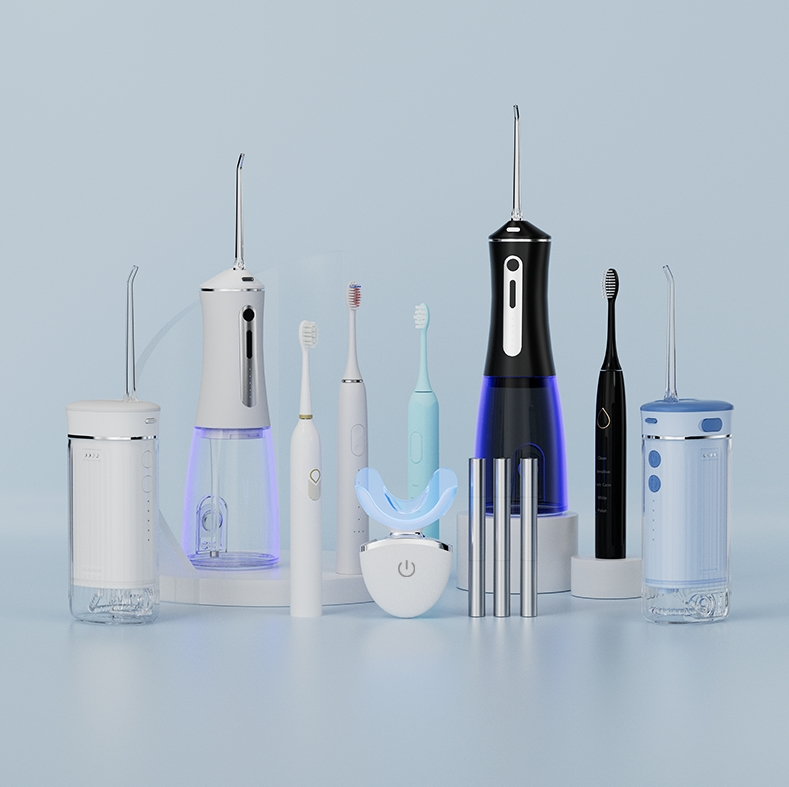
In today's global market, sourcing oral care products is no longer just a matter of price. While minimizing cost is a natural objective, focusing solely on the cost-effectiveness of price without considering quality, compliance, and reliability can lead to long-term risks for oral care brands. A strategic approach to oral care sourcing—especially one that embraces value-based purchasing—can protect brand reputation and ensure consistent product performance.This article explores what happens when brands prioritize low price over quality, and why a balanced approach to sourcing oral care products is essential. Quality Compromise: The Most Immediate Risk When procurement focuses only on cost, quality is often the first casualty. In the oral care category, products like electric toothbrushes, flossers, and whitening kits must meet strict dental product standards. Compromising quality can result in: Product malfunctions or defects Inadequate plaque removal or gum damage Customer dissatisfaction and negative reviews If your supplier doesn’t meet the expected cost vs quality balance, the short-term savings can lead to long-term brand damage. Compliance and Certification Issues Suppliers offering unusually low prices may skip critical certifications, or fail to meet the regulatory requirements of key markets. This creates legal and operational headaches: Non-compliance with dental product standards Customs clearance issues Risk…
In the competitive oral care device market, pulse instability—fluctuating or irregular jet or vibration output—has often been brushed off as a minor firmware or hardware imperfection. However, recent user reports and clinical observations suggest a potential link between inconsistent pulses and a more serious concern: enamel erosion. Could uneven mechanical output in devices like water flossers or sonic toothbrushes be gradually undermining enamel health? This article explores the connection and outlines how manufacturers can prevent this emerging risk. What Is Pulse Instability and How Does It Occur? Pulse instability refers to the irregular delivery of energy pulses—either in frequency, amplitude, or duration—during the operation of an oral care device. In products such as: Sonic toothbrushes Water flossers Ultrasonic plaque removers Pulse irregularities can arise from: Firmware glitches in PWM (pulse-width modulation) control Inconsistent motor torque output Degraded battery performance Clogged or variably pressured nozzles Such instabilities result in unpredictable pressure spikes or drops, which can affect both performance and user comfort. Understanding Enamel Erosion: A Silent, Irreversible Problem Enamel erosion refers to the gradual wear of the tooth’s outermost protective layer, caused by physical abrasion or acid attack. Unlike cavities, erosion is non-bacterial and often overlooked until symptoms—such as sensitivity…
In the precision world of smart oral care, user expectations hinge on two fundamentals: stable performance and convenience. But what happens when frequent mode malfunctions unexpectedly increase refill frequency, turning routine oral care into a frustrating experience? Recent customer data and manufacturer-side diagnostics suggest these two issues may not be isolated events. In this article, we explore how mode control failures can trigger inefficient water/fluid consumption and what OEMs can do to prevent this from impacting user satisfaction and brand perception. Understanding Mode Malfunction: A Hidden Source of Inefficiency In water flossers, electric toothbrushes with irrigation, or multi-mode oral hygiene devices, mode malfunction typically refers to: Random or unintended switching between pressure or spray modes Failure to hold a selected mode across sessions Inconsistent pulse strength in the same operating mode These malfunctions often stem from: Poorly calibrated PCB logic or firmware instability Faulty mode switch buttons or touch sensors Cross-interference from battery voltage drops or ESD events Though seemingly minor, such issues can deeply affect device efficiency—particularly in fluid-dispensing products. How Malfunctions Impact Refill Frequency When a device’s spray or pulse mode is unstable, the water or solution it uses may be consumed unevenly. For example: Switching to a…
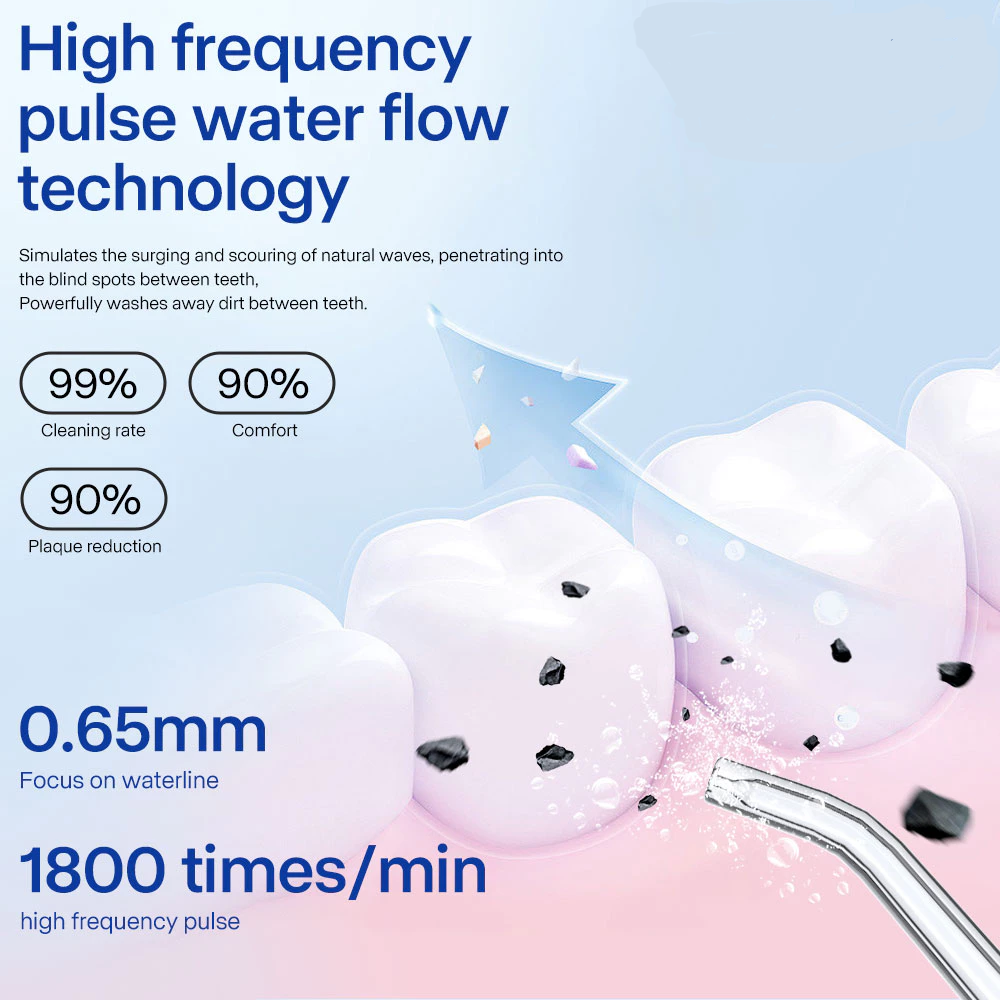
In today’s competitive oral care market, selecting the right oral hygiene tools is critical—not just for consumers, but also for oral care product brands looking to meet evolving needs. Among the most discussed topics is the ongoing debate: dental floss and water flosser. For brands sourcing products or working with manufacturers, understanding the dental floss comparison from both a clinical and consumer usability perspective is essential.This blog provides a structured analysis to help oral care brands and OEMs make informed decisions when planning product lines or partnering with factories. Traditional Dental Floss: Time-Tested but With Limitations Traditional dental floss has long been considered a staple in oral hygiene. Its benefits include: Direct plaque scraping: Flossing between teeth with physical string removes plaque from surfaces where toothbrushes can't reach. Cost-effective and portable: It's low-cost and easy to carry, making it accessible to all users. However, traditional floss has several drawbacks that modern consumers increasingly note: Difficult technique: Many users struggle with proper flossing technique, reducing effectiveness. Inconvenience: It can be time-consuming and uncomfortable, especially for those with tightly spaced teeth or dental work like braces. Gum sensitivity: Incorrect usage can lead to gum cuts or bleeding, particularly among first-time users. As a result,…
For any water flosser or oral irrigator brand targeting global markets, user control and flow reliability are non-negotiable. Yet in many customer complaints and field test reports, a recurring problem appears: button unresponsiveness occurring alongside flow inconsistency. While these may seem like separate issues at first, deeper technical diagnostics reveal a shared root cause—and an actionable solution. In this article, we’ll explore how these two defects are interlinked, what causes them, and how manufacturers can eliminate them through engineering and quality process refinement. Recognizing the Symptoms: A Dual-Fault Scenario In real-world usage scenarios, the following symptoms often appear together: Power or mode button fails to respond when pressed Flow output from the nozzle becomes intermittent, surging or stopping randomly Users complain that the device suddenly stops mid-use and needs to be restarted Touch-sensitive panels become less reliable after several uses This combination not only disrupts usability but also undermines the product’s perceived quality—especially when users expect precise control in premium models. Common Causes Behind Button Unresponsiveness An unresponsive button is rarely caused by the button itself alone. Instead, it often results from: Poor PCB contact design or oxidation on traces Water ingress that interferes with electrical pathways Firmware latency or…
In precision oral care or grooming devices, system-level reliability is key. Yet, in recent OEM failure analysis cases, one hidden yet recurring issue is gaining attention: indicator failure triggered by motor resonance. While at first glance, a blinking light or non-responsive LED may seem like an isolated electrical problem, the root cause often lies in mechanical vibration patterns. How exactly does motor resonance affect indicator circuits, and what can manufacturers do to prevent this cascade failure? What Is Motor Resonance and Why Does It Matter? Motor resonance occurs when a motor’s operational frequency aligns with the natural frequency of certain internal components—causing amplified vibrations. These can stem from: Poor axial balancing of rotating parts Structural cavity design without proper damping Inconsistent load due to nozzle blockage or gear imbalance Variations in input voltage under load In devices like sonic toothbrushes or water flossers, this phenomenon isn’t just about sound or feel—it creates ripple effects across the electronic subsystems, including the indicator module. Understanding Indicator Failure in the Field Indicator failure can present in several forms: Status LED flickers or turns off during operation Charging light fails to activate Mode or intensity lights become intermittent or completely non-functional In smart devices,…
In the world of oral care devices and small consumer electronics, two seemingly separate malfunctions—shaft fracture and indicator failure—can actually be symptoms of a deeper systemic flaw. While each issue alone can disrupt performance, their co-occurrence might point to underlying design or manufacturing challenges that B2B manufacturers must address. What Is a Shaft Fracture and Why Does It Happen? A shaft fracture typically refers to the mechanical breakage of the rotating or oscillating shaft that powers a toothbrush head or drive component. Common causes include: Material fatigue due to substandard alloys or improper heat treatment Overloading from improper torque distribution Misalignment during assembly or long-term wear Shaft integrity is fundamental to device longevity, especially in high-frequency applications like sonic toothbrushes or portable water flossers. Understanding Indicator Failure An indicator failure refers to the malfunction of a visual or tactile feedback component—commonly an LED or vibration alert—that informs users of power status, charging, or mode selection. Possible reasons include: PCB solder point damage from vibration Water ingress affecting signal circuits Faulty firmware or connection instability While these failures seem electronic in nature, they may share mechanical triggers with shaft issues. Company web:https://www.powsmart.com/product/electric-toothbrush/ Are Shaft Fracture and Indicator Failure Connected? Interestingly, evidence…
In water-based oral care devices and precision fluid systems, nozzle clogging is more than just a maintenance nuisance—it’s a primary trigger for pressure loss, leading to a sharp decline in performance, efficiency, and user satisfaction. For OEMs and B2B product manufacturers, understanding this chain reaction is critical to optimizing product reliability and lifecycle cost. What Exactly Is Nozzle Clogging? Nozzle clogging refers to the partial or complete obstruction of fluid exit pathways due to the accumulation of debris, scale, gel residue, or biological contaminants. This is particularly common in: Water flossers and irrigators Cosmetic mist sprayers Dental handpieces and medical fluidics Even minor buildup can disrupt flow dynamics, altering the pressure distribution and triggering downstream performance issues. How Nozzle Clogging Leads to Pressure Loss When a nozzle becomes constricted, the system compensates by altering internal flow rates. The results include: Reduced spray force: The flow can’t reach optimal velocity. Pump overload: Increased back pressure forces the motor or diaphragm to work harder, which may lead to premature wear. Intermittent delivery: Inconsistent spray patterns disrupt treatment or user experience. Simply put, pressure loss is not always due to pump failure—it often starts at the nozzle. Company web:https://www.powsmart.com/product/electric-toothbrush/ Root Causes of Clogging…
.jpg)
As electric toothbrushes become an essential part of daily oral care routines, one recurring issue reported by users is that electric toothbrush vibration decreases over time. This can lead to reduced cleaning performance and consumer dissatisfaction—posing risks for both end users and brands. For oral care brands, especially those working with OEM/ODM suppliers, understanding the reasons behind weakened vibration in electric toothbrushes is crucial. This blog will explore common causes, preventive actions, and the importance of choosing an expert in electric toothbrush quality manufacturing. Why Does the Vibration Decrease Over Time? A noticeable drop in brushing performance often stems from several technical or mechanical issues. Here are the main causes: Battery degradation: Lithium-ion batteries can lose capacity after repeated charging cycles, resulting in lower power output and weakened motor performance. Motor wear or imbalance: A worn-out or misaligned motor is a key reason behind weakened vibration in electric toothbrushes. Mechanical obstruction: Dust, toothpaste residue, or water ingress in the motor or drive shaft can restrict movement. Electronic control failure: PCB malfunction or signal delay may cause improper voltage delivery to the motor, impacting vibration intensity. How Poor Manufacturing Affects Vibration Performance While usage habits contribute to performance decline, many cases trace back…
In water-handling systems like oral irrigators, countertop dispensers, and personal care appliances, pump failure and tank leakage are among the most dreaded failure combinations. While either issue alone can degrade performance, their convergence may suggest a terminal malfunction—unless addressed through proper diagnostics and design foresight. Understanding the Role of Pump and Tank in Device Integrity The pump acts as the heart of fluid distribution, driving water through regulated channels. The tank, in contrast, serves as the primary reservoir that ensures uninterrupted supply. Both components must function in tandem to maintain consistent flow rate, pressure stability, and hygiene control. When either fails—especially when both do—the user experience degrades rapidly, and the product lifecycle may shorten dramatically. What Typically Causes Pump Failure? Common causes include: Motor burnout due to overload or voltage instability Seal degradation within the pump chamber, leading to internal fluid seepage Airlock or cavitation, reducing pump efficiency and generating excessive wear Backflow contamination, especially if check valves fail Pump failure often results in no fluid delivery, erratic pulsing, or audible stress from the motor system. Root Causes of Tank Leakage A leaking tank typically points to: Microfractures due to repeated pressure cycling or drop damage Weld seam failure in…
In many fluid-handling or oral care appliances, two of the most frequently reported maintenance issues are hose cracking and valve jamming. These failures not only affect product reliability and user experience but can also raise questions about whether full-unit replacement is necessary—or if component-level solutions can suffice. The Functional Role of Hoses and Valves in Fluid Devices In any pressurized system—whether dental irrigators, countertop water units, or hygiene dispensers—the hose serves as the primary conduit for fluid transfer, while the valve controls the flow rate and directional control. If either part fails, flow precision is lost; if both fail simultaneously, the system may be rendered inoperable. What Causes Hose Cracking? Hose cracking often results from: Material fatigue due to repetitive bending or coiling Exposure to harsh cleaning agents or UV radiation Manufacturing defects like uneven wall thickness Thermal cycling, which leads to embrittlement over time Once a crack forms, pressure drops, leaks become frequent, and internal contamination may follow. Company web:https://www.powsmart.com/product/electric-toothbrush/ Understanding Valve Jamming Mechanisms A jammed valve can stem from: Mineral buildup (e.g., calcium scaling in hard water conditions) Foreign particle intrusion during fluid intake Seal degradation, causing frictional resistance Actuator misalignment in electronically controlled systems Valve jamming disrupts…
The global oral care market is evolving rapidly, and electric oral cleaning products have taken center stage. With their proven performance, smart technology, and growing popularity, these devices are transforming the way consumers manage their oral hygiene. For brand owners seeking opportunities in oral care products manufacturing, understanding the value and future potential of these products is crucial. In this blog, we explore the benefits of electric oral cleaning products, their scientificity and effectiveness, and why now is the right time to invest in this growing market. The Rise of Electric Oral Cleaning Products Electric toothbrushes and oral irrigators are no longer luxury items—they are mainstream essentials. As consumers become more health-conscious and tech-savvy, electric oral hygiene tools are both effective and convenient options. Key growth factors include: Higher awareness of dental health. Increased demand for smart home care solutions. A shift from traditional brushing to clinically tested electric alternatives. This rising demand opens vast potential for oral care products manufacturing partners to innovate and meet market expectations. Scientificity and Effectiveness of Electric Products Modern electric oral cleaning products are not just gadgets—they are backed by clinical studies and research. The scientificity and effectiveness of electric products have been validated in several ways: Electric…
In recent quality audits, water dispersion irregularities and jet scattering anomalies have become a recurring concern in oral irrigator systems. While consumers may initially tolerate these issues, the long-term impact on cleaning effectiveness, component durability, and user satisfaction cannot be ignored. Are these symptoms merely surface-level flaws, or do they signal deeper design or manufacturing challenges? Understanding the Mechanics Behind Water Dispersion Water dispersion refers to the uncontrolled or non-uniform spreading of the water stream once it exits the nozzle. In precision-based devices such as dental irrigators, consistent flow is critical. When dispersion occurs, the water loses its directional focus, resulting in reduced impact pressure and ineffective debris removal. Root Causes of Jet Scattering Jet scattering typically accompanies water dispersion, manifesting as unpredictable or divergent spray paths. This may stem from several factors: Microscopic defects or uneven surfaces inside the nozzle tip Misalignment in pump-nozzle calibration Build-up of limescale or foreign particles disrupting water trajectory Such deviations can severely compromise a product’s perceived quality, especially in B2B scenarios involving dental professionals or healthcare retailers. Company web: https://www.powsmart.com/product/electric-toothbrush/ Component Design: Are We Prioritizing Form Over Function? In many OEM/ODM designs, aesthetic nozzle shaping or overly compact dimensions may unintentionally increase the risk…
In recent years, consumers have increasingly moved away from single-product solutions and begun seeking comprehensive oral care solutions that provide ease, efficiency, and long-term dental benefits. For oral care product brands, this consumer behavior presents a significant opportunity: offering oral care product sets that address multiple needs in one package. This blog explores why complete solutions are trending, and how brands can align with reliable manufacturers to deliver comprehensive oral care systems that meet rising consumer expectations. What Is a Complete Oral Care Routine? A complete oral care routine goes beyond just brushing. It typically includes an electric toothbrush, an oral irrigator (water flosser), mouthwash, floss, and tongue cleaner—sometimes even travel cases or smart app integrations. Consumers are increasingly drawn to curated product bundles that save time and eliminate guesswork. For product brands, positioning a comprehensive oral care approach allows for upselling, brand loyalty, and differentiation in a saturated market. The Convenience Factor: Why Sets Win Consumer Attention One of the primary drivers behind the preference for bundled products is the convenience factor. In a fast-paced world, consumers value time-saving, ready-to-use solutions. Oral care product sets eliminate the need for separate purchases and decision-making. Instead of researching multiple products across brands, consumers trust a complete system designed…
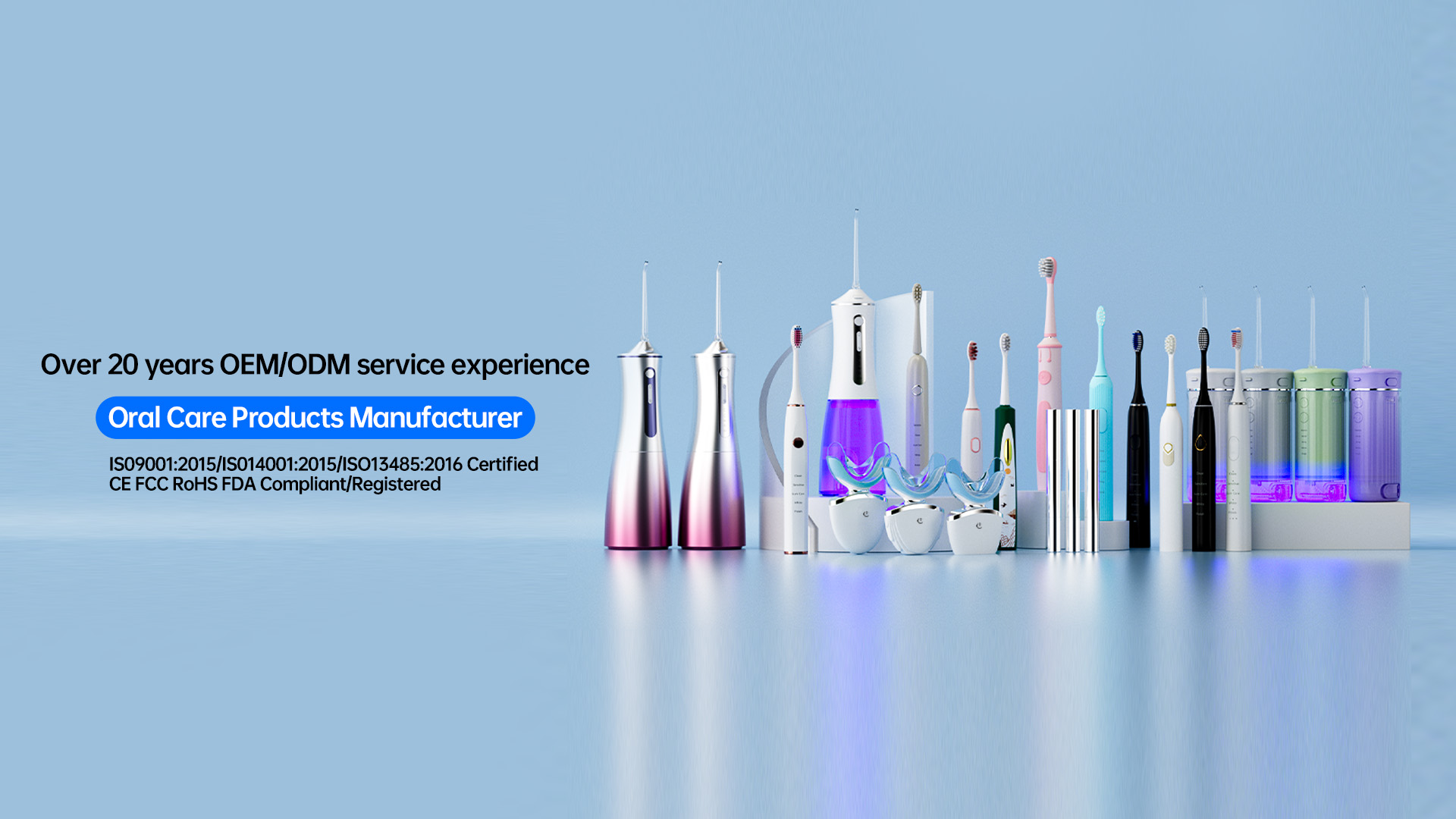
In recent years, building winniing oral care brands have become increasingly saturated with new entrants and global giants alike. Whether you're launching a DTC (direct-to-consumer) oral care startup or expanding your current product line, creating a strong, sustainable brand is more critical than ever. This article offers tips for oral care product brand owners to navigate this environment successfully, focusing on brand strategy, market positioning, and identifying your competitive advantage. Define a Clear Brand Strategy from Day One A strong brand strategy sets the foundation for everything—from packaging and pricing to marketing and manufacturing. For oral care brands, this means defining your brand’s mission, tone, and target customer base. Key questions to ask: What pain point are you solving for consumers? Is your product premium, clinical, sustainable, or technology-driven? How do you want consumers to feel about your brand? Your answers should guide all strategic decisions moving forward—including which manufacturing partner to choose. Look for a factory that aligns with your values, whether that's eco-friendly production, cutting-edge technology, or small-batch flexibility. Know Your Market Positioning: Stand Out or Get Left Behind In competitive dental care markets, vague branding won't cut it. You need sharp, differentiated market positioning that sets you apart from traditional toothbrush…
When seal degradation is left unchecked in oral care and hygiene devices, the result can be more than just cosmetic wear. A compromised seal allows moisture and organic debris to accumulate internally, creating the perfect environment for bacterial regrowth. Over time, this invisible contamination can undermine product safety, degrade user experience, and expose manufacturers to significant liability. So is this problem preventable? With proactive design and production measures, the answer is a resounding yes. What Causes Seal Degradation? Seal degradation is the process by which gaskets, O-rings, or adhesive barriers lose their integrity. This can occur for several reasons: Material fatigue from repeated compression cycles Chemical attack from aggressive cleaning agents or peroxide-based solutions Thermal expansion and contraction causing micro-cracks Poor-quality elastomers that dry out or become brittle over time Once these seals fail, pathways open for moisture infiltration and microbial contamination. Why Bacterial Regrowth Happens After Seal Failure Bacterial colonies thrive in warm, damp spaces. When a degraded seal allows saliva, cleaning fluid, or even tap water to seep into the device: Residual moisture remains trapped inside hidden chambers Biofilm develops, adhering stubbornly to internal surfaces Periodic reactivation of bacteria occurs every time the device heats up during operation…
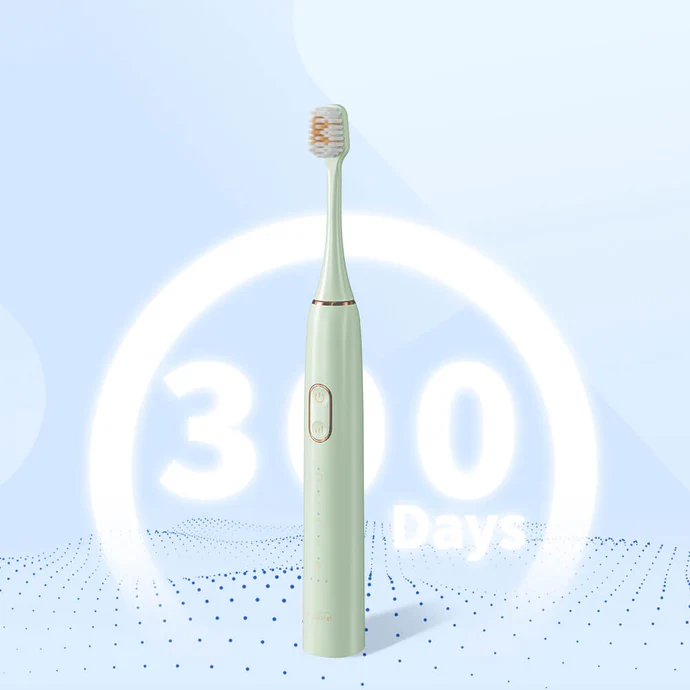
As demand for smart, high-performance oral care devices continues to grow, electric toothbrush brands are investing more in design, marketing, and features. Yet, one often-overlooked issue continues to affect customer satisfaction and warranty rates—electric toothbrush charging issues. Have you ever received customer complaints that their electric toothbrush burned out during charging? It's more common than you think—and often stems from poor charging design, incorrect usage instructions, or manufacturing flaws. In this blog, we’ll explore the root causes, share expert toothbrush charging cautions, and offer suggestions from factory insights to help your brand deliver reliable, long-lasting products. Common Reasons Why Electric Toothbrushes Burn Out Understanding the causes of toothbrush burnout helps both brands and OEM partners design safer, longer-lasting devices. Below are the main culprits: Over-voltage or incompatible charging adapters: Using a high-wattage phone charger or non-approved adapter can overload the circuit. Lack of overcharge protection: If the toothbrush’s PCB or battery lacks protective components, continuous charging can overheat and damage internal parts. Exposure to moisture during charging: Improper sealing design allows water ingress into the charging port or base, short-circuiting the internal system. Poor-quality components: Low-grade batteries or control boards, often used by unqualified manufacturers, can cause premature failure. Each of these reflects…


.jpg)
.jpg)
.jpg)
.jpg)
.jpg)



.jpg)
.jpg)
.jpg)