In the design and manufacture of electronic devices, particularly those intended for portable or high-performance applications, Vibration Weakening and Circuit Short are two critical risk factors that can significantly impact product reliability and safety. While these issues are often analyzed separately, recent failure analyses suggest a strong connection between vibration-induced mechanical wear and the increased likelihood of electrical short circuits. For OEM and ODM manufacturers, understanding this relationship is crucial to minimizing defect rates and ensuring long-term product durability.
Vibration Weakening refers to the gradual reduction in structural or mechanical integrity of components due to continuous or repeated exposure to vibration. This phenomenon is common in battery-powered portable devices such as electric toothbrushes, grooming tools, or industrial handheld equipment.
Frequent vibration can loosen screws, degrade solder joints, wear down plastic mounts, and shift internal assemblies out of alignment. As the internal structure becomes unstable, the device may experience performance degradation, audible noise, and even malfunction.
A Circuit Short (short circuit) occurs when an unintended connection forms between two conductive paths, allowing current to bypass its designated route. This can cause excessive current flow, overheating, and potentially catastrophic failures such as component burn-out or battery venting.
Circuit shorts can result from design flaws, manufacturing defects, or environmental damage—but one of the lesser-known contributors is Vibration Weakening, which can physically move conductors closer together or expose damaged insulation layers.
Although Vibration Weakening and Circuit Short may seem unrelated, they are often two stages of the same failure process. Here’s how vibration-induced damage can evolve into an electrical hazard:
Over time, these issues greatly increase the risk of a Circuit Short, which can result in operational failure or even safety hazards such as fire or electric shock.
The risk of combined Vibration Weakening and Circuit Short failure modes is especially high under the following conditions:
To mitigate the combined risks of Vibration Weakening and Circuit Short, B2B manufacturers can adopt these proven strategies:
For B2B device producers, the relationship between Vibration Weakening and Circuit Short represents a hidden but significant risk to product quality and safety. Ignoring this link can result in costly recalls, warranty claims, or customer dissatisfaction.
By addressing both mechanical and electrical vulnerabilities during the design and production phases, manufacturers can greatly reduce failure rates, extend product lifespans, and meet the stringent quality demands of global markets. Recognizing and solving the combined threat of Vibration Weakening and Circuit Short is not only an engineering necessity but also a key factor in securing competitive advantage in the OEM/ODM space.

Interested in Private Label Oral Care? Ask About Our Volume Discount Available!
How does a high-performance Water Pump OEM partnership ensure the success of Precision Nozzle Manufacturing?
.jpg)
Teeth Whitening Kit Private Label Solutions for B2B Brands
Peroxide Free Whitening Device Supplier for Global Oral Care Brands
Discover the Best Electric Toothbrushes from PowSmart: Your Ultimate Oral Care Solution
Home Use Teeth Whitening Device OEM for Global Oral Care Brands
Fast Lead Time Electric Toothbrush Supplier for Global B2B Buyers
Rechargeable Whitening Device OEM for Global B2B Brands
LA Teeth Whitening Kits | Hollywood Smile Guide for Locals & Retailers
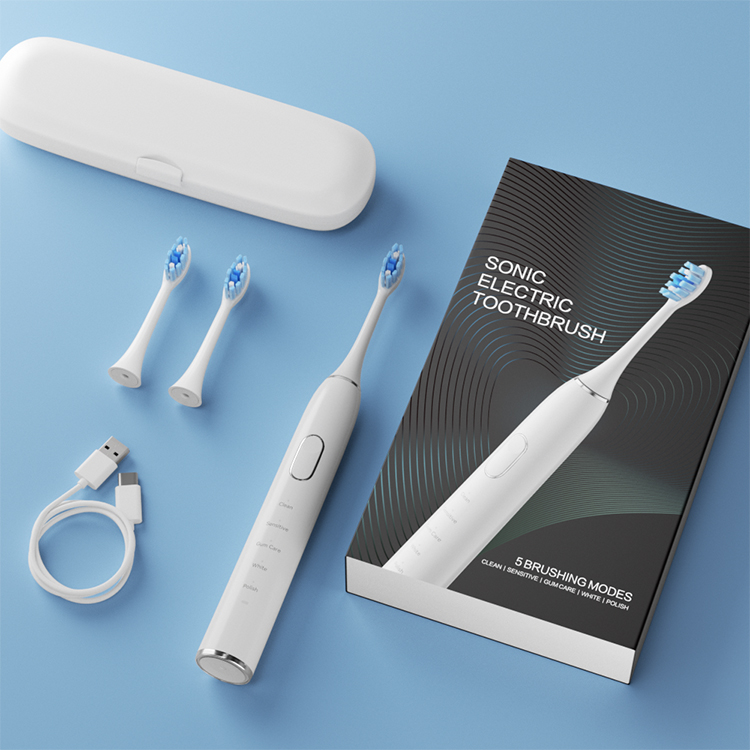
Need an OEM Electric Toothbrush with Comprehensive Custom Branding Service?
Waterproof Electric Toothbrush – OEM Manufacturing & Bulk Supply for Global Partners

How to Choose the Right Manufacturer Before Expanding Whitening Products
Is Toothbrush Export Manufacturing Viable with a Professional Toothbrush OEM Partner?
USB-C Charging Electric Toothbrush OEM
PowSmart: The Premier Electric Toothbrush Manufacturer in China for the US Market
How Does Jet Stream Technology Function Efficiently in a Simple Gravity Feed System?


.jpg)
.jpg)
.jpg)
.jpg)
.jpg)