
In the world of high-precision electronic and mechanical devices, unexpected problems such as Contact Oxidation and Weak Pressure can severely impact overall product performance and end-user satisfaction. Many OEM and ODM partners are beginning to realize that these two seemingly unrelated issues may, in fact, be closely connected. Understanding how electrical contact quality can influence mechanical output like pressure stability is critical for improving the durability and reliability of modern devices.
Contact Oxidation refers to the formation of an insulating oxide layer on metallic contact surfaces, typically resulting from exposure to oxygen, humidity, or contaminants over time. In battery-powered or electrically actuated devices, contact oxidation can occur at the battery terminals, PCB connectors, motor brushes, or micro-switches.
As oxidation builds up, the electrical conductivity at these points decreases, leading to increased resistance and inconsistent power delivery. This seemingly minor issue in the electrical system can ripple through the device’s operation—ultimately affecting mechanical systems that depend on stable electrical input to function correctly.
Weak Pressure occurs when a device fails to generate or maintain its intended mechanical force—such as air pressure, water pressure, or hydraulic pressure. In consumer appliances like water flossers or industrial sprayers, weak pressure translates to reduced performance, ineffective operation, and user complaints. In many cases, manufacturers trace weak pressure back to pump failures, valve leaks, or blocked nozzles. However, the role of electrical system health—including Contact Oxidation—is often overlooked.
So, how can Contact Oxidation result in Weak Pressure? The answer lies in the interplay between electrical resistance and mechanical output:
In these ways, Contact Oxidation indirectly but significantly results in Weak Pressure performance issues.Company web:https://www.powsmart.com/product/electric-toothbrush/
Certain design or environmental conditions can make devices more prone to both Contact Oxidation and the resulting Weak Pressure:
To prevent Contact Oxidation from leading to Weak Pressure, B2B manufacturers should take proactive measures during design and production:
For many B2B device manufacturers, the link between Contact Oxidation and Weak Pressure remains an underappreciated but critical design factor. Ignoring the electrical health of internal systems can lead to mechanical failure modes that are costly to diagnose and correct in the field.
By prioritizing oxidation-resistant design and ensuring clean, stable electrical contact points, OEM and ODM partners can not only prevent Weak Pressure issues but also extend the operational life and reliability of their products—resulting in higher customer satisfaction and lower return rates.Contact us
.jpg)
Why Market Orthodontic Oral Care Products Through a Dental Clinic Partnership Program?
.jpg)
Is Ultra-Quiet Magnetic Motor Brush Generating Noise Complaints?
.jpg)
Designing Kid Electric Toothbrush Models for Your Fun Dental Care Products Range?
.jpg)
Powsmart Electric Toothbrush: The Ultimate Choice for a Healthy Smile
.jpg)
Navigating Electric Toothbrush Import Regulations?
Powsmart Electric Toothbrush: The Ultimate Choice for a Healthy Smile
How Does Custom Handle Design Benefit from Full-scale OEM/ODM Manufacturing Capabilities?
Discover the Ultimate Oral Care Solutions with PowSmart Electric Toothbrush Manufacturer in China
distributor sonic toothbrush in Los Angeles
Does Deep Clean Toothbrush Mode Cause Timer Malfunction?
Discover the Ultimate Electric Toothbrush from PowSmart: Your Perfect Oral Care Solution
Can APP Connectivity Development Enhance Brushing Data Tracking for Users?
Explore the Top Electric Toothbrush Manufacturer: PowSmart in China
Waterproof Electric Toothbrush – OEM Manufacturing & Bulk Supply for Global Partners
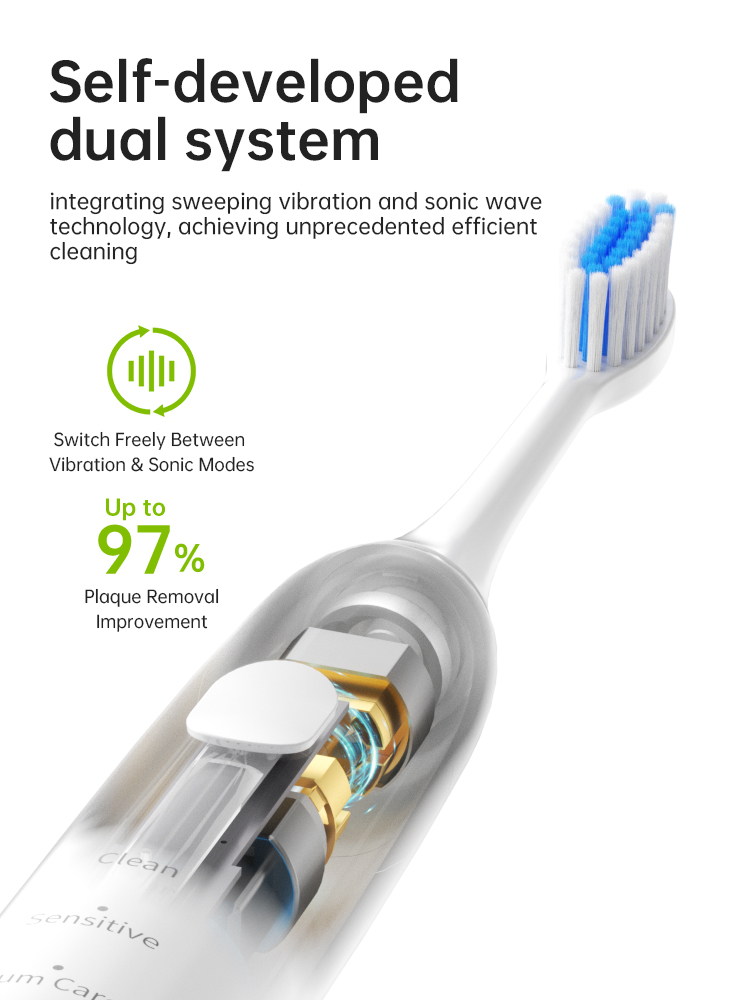
Planning a Toothbrush Subscription Box for Your Direct-to-Consumer Brand?
Interested in Private Label Oral Care? Ask About Our Volume Discount Available!


.jpg)
.jpg)
.jpg)
.jpg)
.jpg)








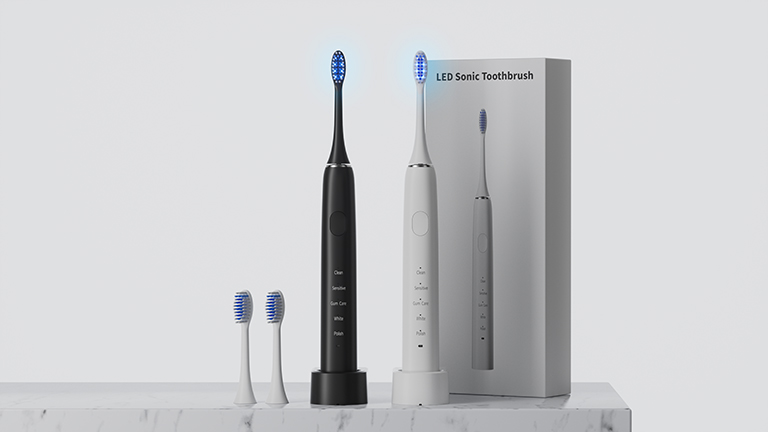
.jpg)