.jpg)
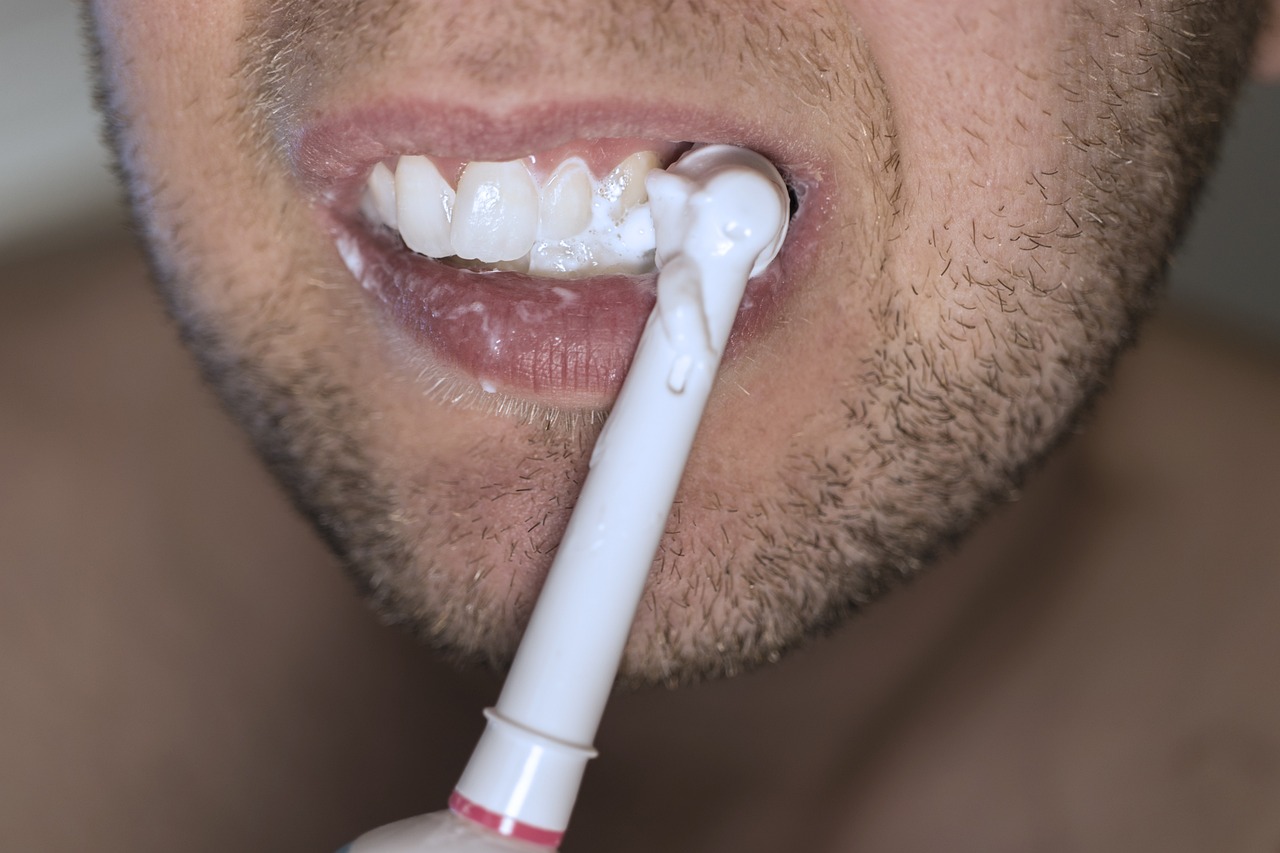
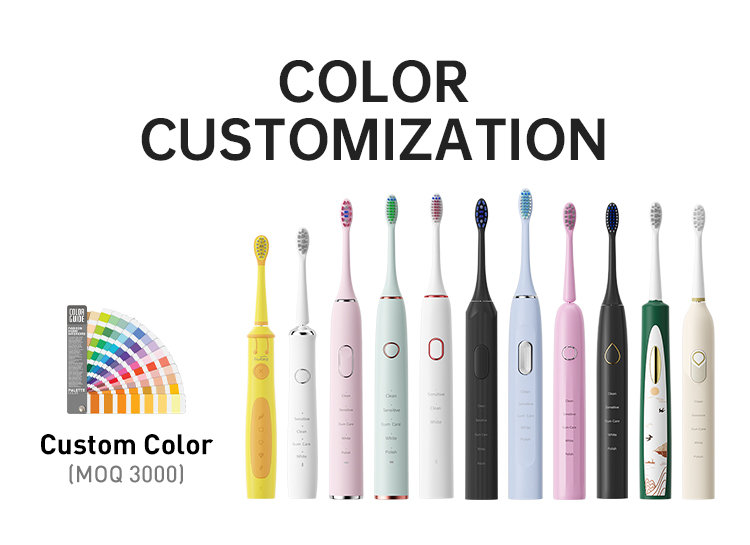
When it comes to sourcing high-quality electric toothbrushes, Dallas and the broader DFW (Dallas–Fort Worth) region are gaining global recognition. The city’s strategic location, strong logistics network, and growing expertise in Dallas dental manufacturing make it an ideal base for oral care brands seeking reliable partners. Many DFW toothbrush private label services available companies are now offering advanced production capabilities, including sonic motor integration, ergonomic handle designs, and long-lasting battery technology — ensuring your brand can compete in both domestic and international markets. Private Label Services That Empower Your Brand Whether you’re a start-up oral care business or an established brand, a Texas toothbrush private label services can help you launch a premium electric toothbrush line without the burden of building your own manufacturing facility. From mold creation to motor assembly, Dallas-based OEM factories often provide turnkey solutions: Product design customization to match your brand identity Quality compliance with FDA and international standards Flexible order quantities for both small and large runs This approach allows you to focus on marketing, distribution, and customer relationships — while your manufacturing partner handles the technical details. The Importance of Custom Packaging in Branding First impressions matter, and in retail environments, packaging is your silent salesperson. Many…
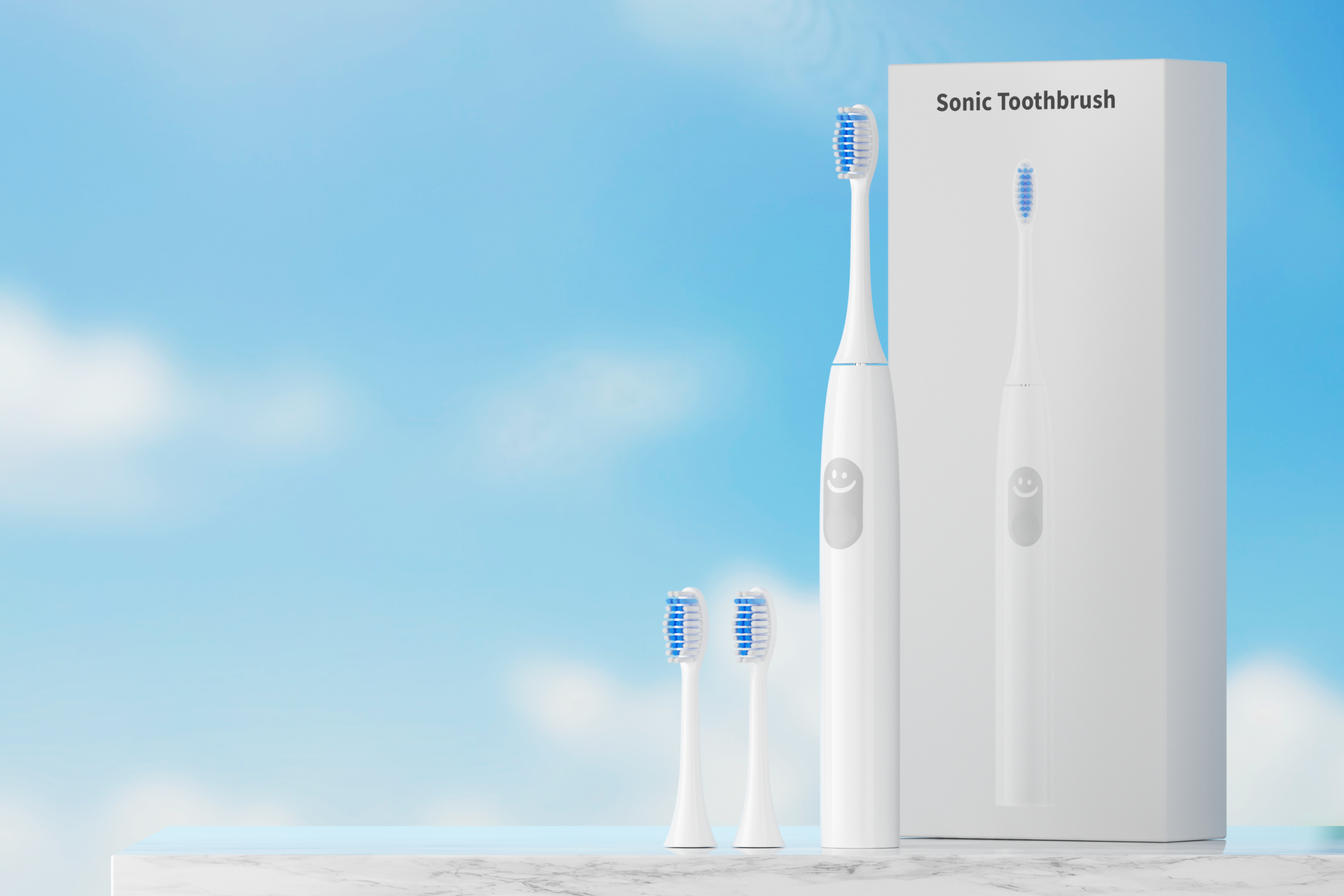
When retailers advertise a Dallas toothbrush sale, buyers often ask whether deals are truly in-store only and how to quickly locate Dallas store toothbrush stock across the city. For manufacturers, distributors and retail partners, clarity here matters: accurate stock visibility, channel rules, and a coordinated fulfillment plan influence sell-through, shrink, and customer satisfaction. Below we unpack how to manage in-store-only promotions, surface local inventory to consumers, and optimize the commercial mechanics that make Dallas promotions succeed. Define “in-store only” clearly — contractually and at POS First and foremost, ensure the promotion terms are crystal clear. “In-store only” can mean different things to different partners, so formalize it in trade agreements and shelf signage: Specify eligible SKUs, package sizes and date/time windows. State whether online click-and-collect or ship-from-store orders are permitted. Provide retailers with templated POS copy to avoid inconsistent claims. Clear legal and merchandising language prevents customer confusion and protects margins when running a Dallas toothbrush sale. Real-time inventory visibility: avoid frustrated shoppers Nothing kills conversion faster than “see online — none in store.” To make Dallas store toothbrush inventory discoverable: Integrate distributor stock feeds with retailer POS systems for live inventory levels. Enable “check local store stock” widgets on…
.jpg)
If you live in Dallas, you already know how important first impressions are. Whether you are meeting clients, attending social events, or enjoying time with family, a confident smile plays a vital role. Yet many professionals struggle with two common problems: Inconsistent brushing routines due to busy schedules Standard toothbrushes that fail to deliver professional-level cleaning This is where the luxury smart electric toothbrush Dallas edition becomes a game-changer. Problem: Daily Stress and Oral Health Many Dallas executives and professionals have demanding workdays. Long hours, business dinners, and constant travel often leave little time for proper oral care. As a result, people notice sensitivity, plaque buildup, or gum issues. These problems not only affect health but also confidence in personal and professional interactions. Solution: Smart Technology for Smarter Care A luxury smart toothbrush addresses these challenges directly. Unlike traditional brushes, it uses advanced sonic technology and AI-powered apps to guide brushing in real time. This ensures complete coverage—even during rushed mornings. The Powsmart smart toothbrush offers multiple modes, USB-C charging, and long battery life, making it perfect for professionals on the go. In addition, smart reminders help users stay consistent, even when life gets hectic. Problem: Seeking a Gift That…
.jpg)
Sonic Electric Toothbrush Manufacturing in Dallas: Powsmart Leads the Way When it comes to finding a reliable sonic electric toothbrush factory or manufacturer in Dallas, discerning brands look for expertise, quality, and innovation. Powsmart, a leader in personal care electronics, stands out as a premier provider from its strategic base. This article explores the sonic electric toothbrush manufacturing landscape in Dallas and why Powsmart is your ideal partner. Why Choose a Dallas-Based Sonic Electric Toothbrush Manufacturer? Dallas is not just a hub for commerce; it's a center for advanced manufacturing and logistics. Partnering with a local sonic electric toothbrush supplier in Dallas offers significant advantages: Streamlined Logistics & Faster Turnaround: Reduce shipping times and costs within the North American market. Superior Quality Control: Direct communication and easier facility visits ensure products meet the highest standards. Innovation Ecosystem: Access to a talented workforce and technological resources fosters cutting-edge product development. Powsmart: Your Trusted Sonic Electric Toothbrush Factory in Dallas At www.powsmart.com, we specialize in the design, development, and manufacturing of high-performance sonic electric toothbrushes. Our Dallas-oriented operations are geared towards serving brands that demand excellence. Our Manufacturing Capabilities: Advanced Sonic Technology: We engineer toothbrushes with powerful, high-frequency vibrations that effectively remove plaque and improve gum health. Customization and OEM Services: Whether you're a startup…
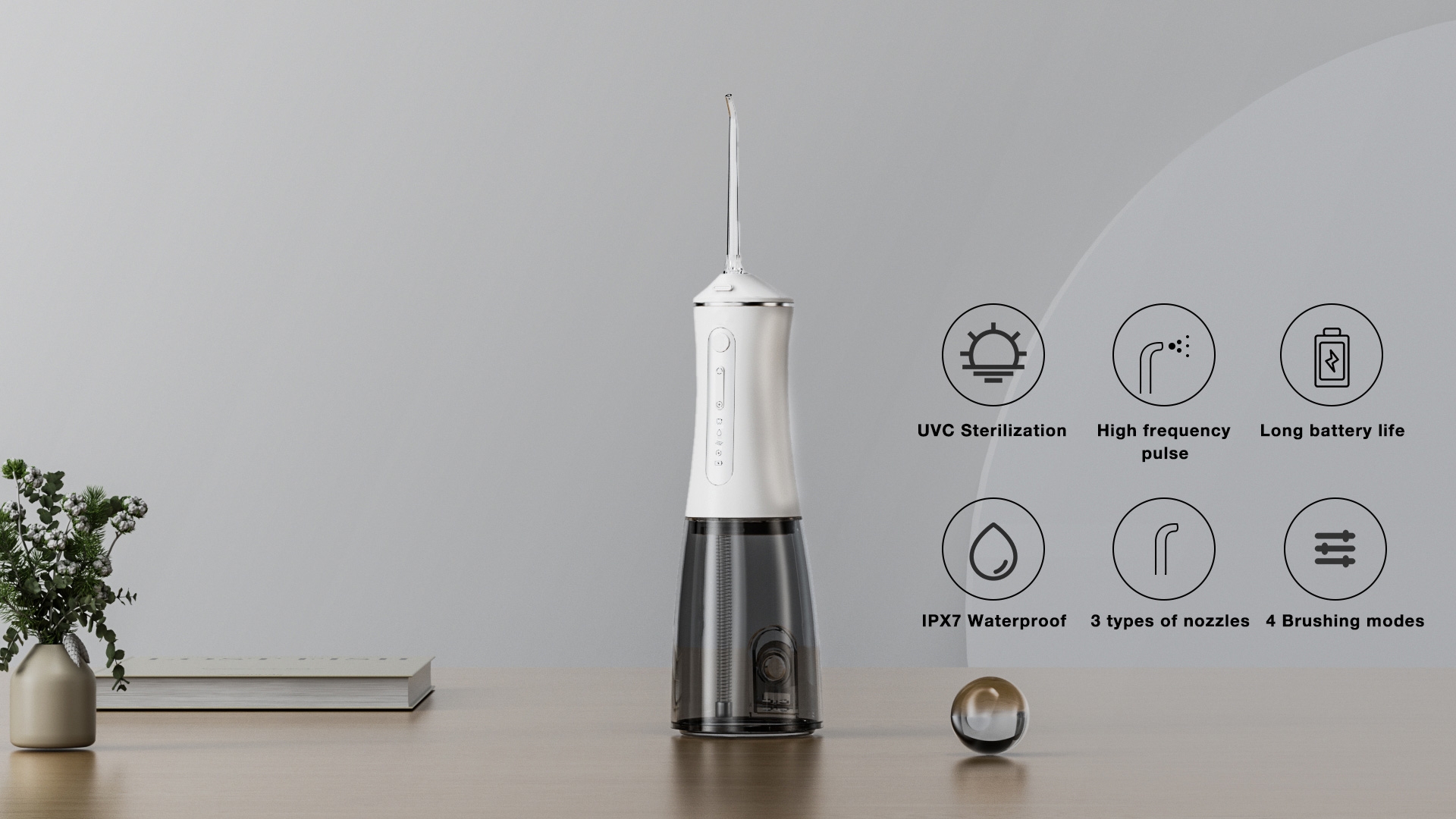
In the fast-paced world of e-commerce, global opportunities are evolving rapidly. One of the sectors seeing significant growth is the oral care industry, with products like water flossers gaining traction worldwide. The global demand for innovative and effective oral care solutions has opened doors for manufacturers to tap into cross-border e-commerce. But how can brands leverage these opportunities? And what operational strategies should be considered to successfully market water flossers globally? In this blog, we explore the strategies and challenges associated with sell the water flosser to the world, as well as the key operational advice for oral care brands. Understanding the Growing Demand for Oral Care Products The global demand for oral care products is increasing as more consumers recognize the importance of maintaining good oral hygiene. Water flossers, which use a stream of pulsating water to clean between teeth, are quickly becoming a preferred option for many users. Unlike traditional flossing methods, water flossers offer a gentle yet effective cleaning process, making them popular with individuals seeking an alternative to manual flossing or those with dental issues that require extra care. With the global focus on health and wellness, people are investing more in products that support their…

Dealing with a toothache can be excruciating, and while seeing a dentist is the best long-term solution, you may need quick relief before your appointment. Whether it’s due to a cavity, gum irritation, or sensitivity, these toothache remedies can help alleviate discomfort fast. 1. Salt Water Rinse – A Natural Disinfectant A salt water rinse is one of the simplest and most effective ways to reduce inflammation and kill bacteria. Mix half a teaspoon of salt in a glass of warm water and swish it around your mouth for 30 seconds before spitting it out. This helps cleanse the affected area and promotes healing. 2. Cold Compress – Reduce Swelling & Numb Pain If your toothache is accompanied by swelling, applying a cold compress to the outside of your cheek can help. The cold constricts blood vessels, reducing inflammation and temporarily numbing the pain. Wrap an ice pack in a cloth and hold it against the sore area for 15-minute intervals. 3. Hydrogen Peroxide Rinse – Fight Bacterial Infection A diluted hydrogen peroxide rinse (equal parts 3% hydrogen peroxide and water) can disinfect the mouth and relieve pain caused by infections. Swish the solution for about 30 seconds, then rinse thoroughly with water. Avoid swallowing it, as hydrogen…
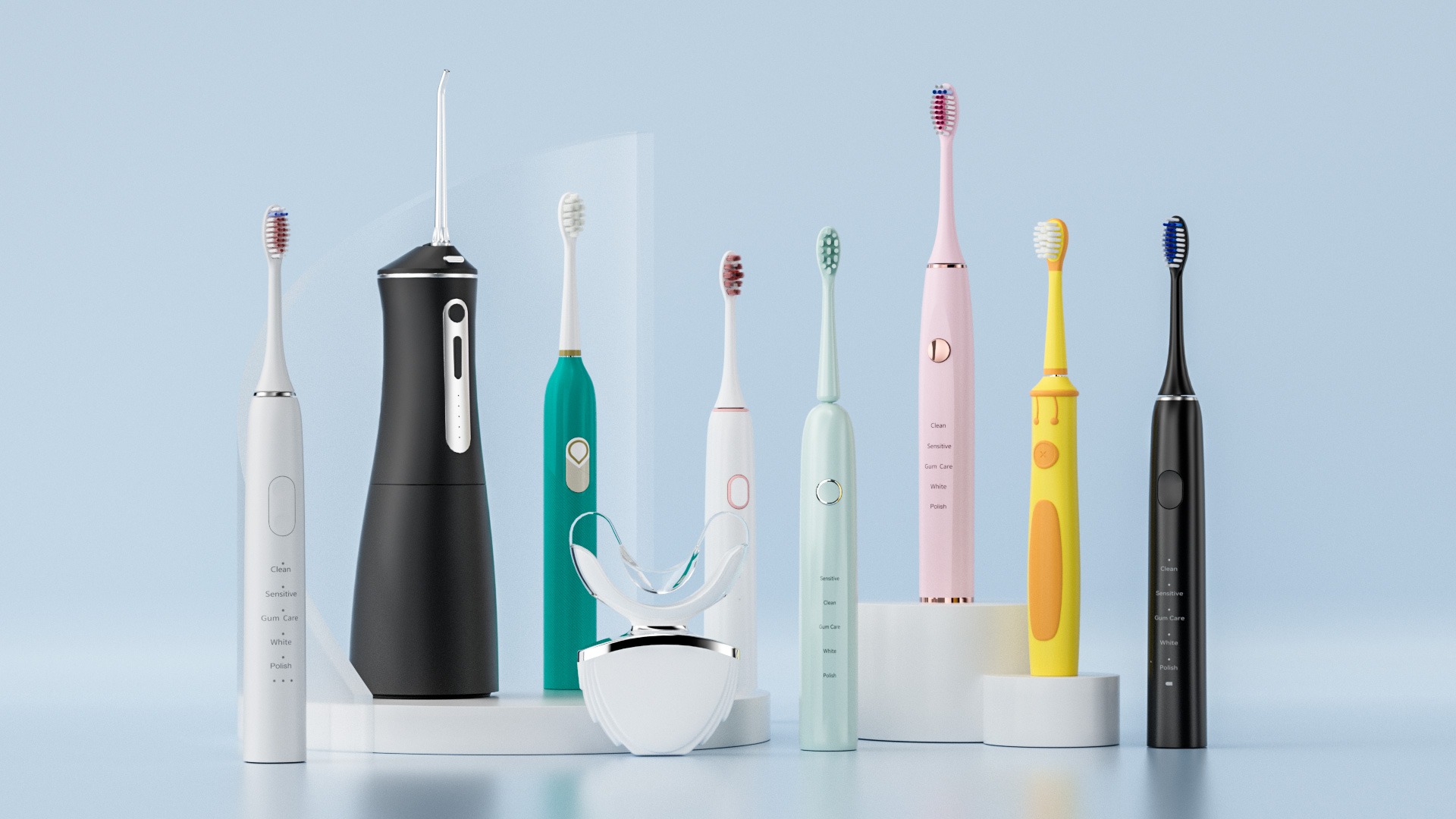
As the old saying goes, "an ounce of prevention is better than a pound of cure"—and this couldn't be truer when it comes to toothache. Toothaches are often the result of neglected oral care, but with the right habits, you can avoid pain before it starts. Here are six key strategies to keep toothaches at bay. 1. Master the Basics: Brushing Your Teeth Properly The foundation of dental health starts with brushing your teeth at least twice daily. Use a soft-bristled brush and fluoride toothpaste, gently cleaning all surfaces of your teeth for two minutes each session. Pay special attention to the gumline, where plaque tends to accumulate. 2. Upgrade to an Electric Toothbrush for Superior Cleaning Studies show that electric toothbrushes remove more plaque than manual brushes, thanks to their oscillating or sonic technology. They provide consistent brushing pressure and often include timers to ensure you clean your teeth thoroughly. Investing in one can significantly reduce your risk of cavities and gum disease. 3. Don’t Skip Flossing—Your Teeth’s Best Friend Flossing your teeth daily is just as important as brushing. It removes food particles and plaque between teeth—areas your toothbrush can’t reach. If traditional floss is tricky, try water flossers or interdental brushes for an…
.jpg)
When dental clinics and distributor partners source clinic-grade tools, reliability, regulatory compliance, and after-sales support matter as much as product specs. For practices near Puget Sound or for regional buyers evaluating new vendors, dental equipment suppliers in Lakebay WA offer several tangible advantages — especially when the purchase includes high-performance electric toothbrush systems and their clinical accessories. Below we outline six clear reasons why Lakebay-based suppliers make a smart choice for clinics and channel partners. Proximity brings faster service and easier demos First, local proximity to a supplier shortens lead times and simplifies product trials. Clinics can arrange hands-on demos of clinic-grade electric toothbrush models, compare brush heads, test charging docks, and evaluate hygiene stations in person. As a result, buyers gain confidence in performance before committing to bulk orders. Regional knowledge of regulation and compliance Moreover, experienced dental equipment suppliers in Lakebay WA understand state and federal medical device regulations, including labeling, electrical safety, and infection-control expectations. Consequently, they can help clinics choose electric toothbrushes and accessories that meet clinic-grade standards and simplify documentation for procurement and audits. Tailored clinic solutions — from electric toothbrush fleets to replacement logistics In addition, Lakebay suppliers typically offer B2B services beyond single…
.jpg)
China Electric Toothbrush Factory & Manufacturer for Powsmart | OEM/ODM Supplier Powsmart, a trusted name in personal oral care, sources its high-performance electric toothbrushes directly from its partner factory in China. As a dedicated electric toothbrush manufacturer and supplier, we leverage advanced manufacturing and rigorous quality control to produce products that rival leading global brands in features and performance, but at a highly competitive wholesale price. This article outlines why partnering with a Chinese factory like Powsmart's is a strategic advantage for distributors and retailers worldwide. Why Source Electric Toothbrushes from a China-Based Factory? The "Made in China" label, especially in the electronics sector, has evolved to represent innovation, quality, and efficiency. For Powsmart, our factory is the cornerstone of our supply chain, enabling us to meet the demands of diverse international markets. Cost-Effectiveness: By manufacturing in China, we achieve significant economies of scale, reducing production costs without compromising on quality. These savings are passed on to our distributors, offering higher profit margins. Advanced Manufacturing Capabilities: Our factory is equipped with state-of-the-art technology for injection molding, automated assembly, and precision engineering. This ensures every Powsmart electric toothbrush is built to exact specifications. Scalability and Flexibility: As both a manufacturer and supplier, we have…
For electric toothbrush stores in Manhattan seeking reliable, high-quality, and competitively priced products, Powsmart stands as a premier partner. It is crucial to clarify that Powsmart electric toothbrushes are manufactured and supplied by our factories and suppliers located in China. We are a China-based factory and manufacturer, supplying the brand Powsmart to retailers and wholesalers in Manhattan, USA, and beyond. This global manufacturing model allows us to deliver exceptional value without compromising on the advanced features and performance that Manhattan consumers demand. Meeting Manhattan's High-End Market Demand The Manhattan market is discerning. Customers look for efficiency, advanced technology, and wellness-focused products. Powssmart electric toothbrushes, supplied directly from our specialized factories in China, are engineered to meet these exact needs. Our products incorporate features often found in leading global brands, making them ideal for retailers targeting both budget-conscious and tech-savvy shoppers in New York City. Product Advantages & Features (Sourced from Powsmart.com): Superior Plaque Removal: Featuring advanced sonic technology with up to 40,000 vibrations per minute, Powsmart brushes effectively disrupt and remove plaque, promoting healthier gums and whiter teeth. Multiple Cleaning Modes: Cater to individual preferences with multiple settings such as Clean, White, Soft, and Massage. This versatility is a key selling point for…
.jpg)
Sonic Electric Toothbrush Supplier & Manufacturer for Illinois | Powsmart If you're searching for a high-quality sonic electric toothbrush in Illinois, look no further. Powsmart is a leading Chinese manufacturer and supplier of innovative oral care products, serving clients worldwide—including distributors, wholesalers, and brands right here in Illinois. As an experienced OEM and ODM contract factory, Powsmart specializes in producing professional-grade sonic electric toothbrushes that rival leading brands in performance, design, and reliability. All our products are manufactured in our state-of-the-art facility in Shenzhen, China, and supplied globally to partners in Illinois and beyond. Why Choose Powsmart Sonic Electric Toothbrushes? Powsmart sonic electric toothbrushes are engineered with advanced features that ensure superior cleaning performance, durability, and user satisfaction. Here’s what sets our products apart: Powerful Sonic Technology: High-frequency vibrations provide deep cleaning and plaque removal. Long-Lasting Battery: Extended use between charges for convenience. Multiple Cleaning Modes: Customizable experiences for sensitive teeth, whitening, gum care, and more. Smart Timers and Sensors: Ensure recommended brushing time and protect gums from excessive pressure. Eco-Friendly and Replaceable Heads: Reduce waste and support long-term use. Our products are designed to meet the same high standards as top-tier brands, making them an ideal choice for private labeling, distribution, or…
As consumers prioritize convenience and mobility, the demand for travel electric toothbrush OEM solutions has seen remarkable growth. For brands looking to expand their product line or enter the on-the-go oral care market, offering a foldable electric toothbrush with USB charging capabilities is an excellent opportunity. This blog outlines the key features of modern travel toothbrushes, and how private-label manufacturing can help brands deliver high-quality, differentiated products to their customers. Why Foldable Design Matters for Modern Travelers Compact and functional design is at the core of successful custom travel electric toothbrushes. The foldable electric toothbrush format meets consumer needs for: Portability: Easy to carry in pockets, handbags, or travel kits. Hygiene: Foldable casing protects the brush head from external contamination. Space-saving: Ideal for minimalist packaging and travel accessories. For brands, working with an OEM partner that specializes in ergonomic and innovative foldable designs gives your product a competitive edge in both retail and online markets. Powsmart is an oral care product manufacturer integrating R&D, production and sales. It has provided OEM customization services for brand owners for over 20 years.https://www.powsmart.com/about-powsmart/ USB Charging: A Standard for Portability and Sustainability Today's consumers expect USB compatibility. A portable USB electric toothbrush addresses both…
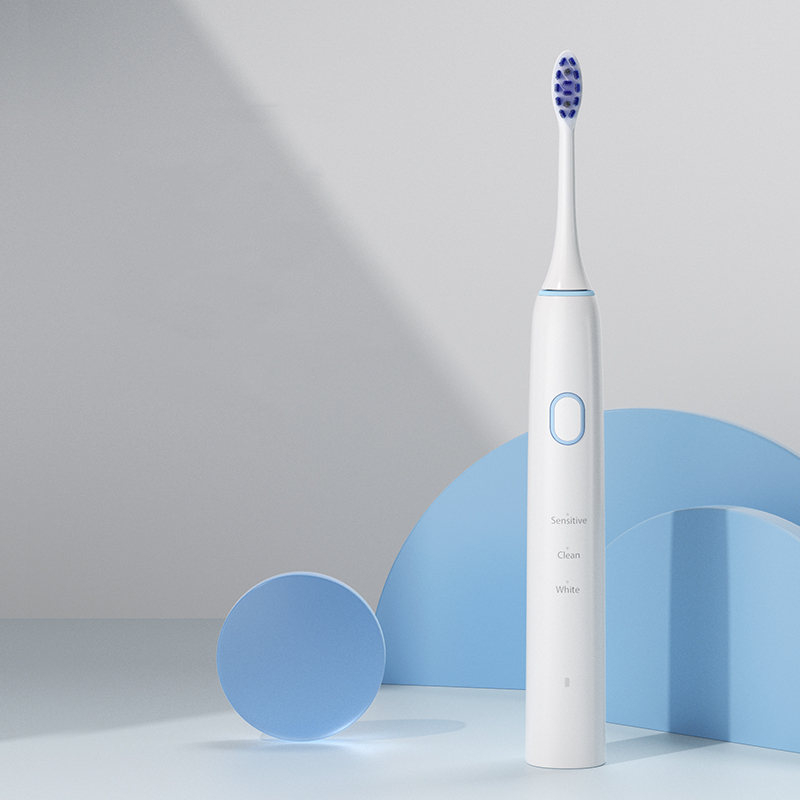
In today’s competitive oral care market, user comfort has become as important as performance. One of the biggest complaints among electric toothbrush users is noise. That’s where the demand for quiet electric toothbrush manufacturing is rapidly rising. Brands are now looking for manufacturers that can deliver high-quality, low noise sonic technology to offer their customers a superior, near-silent brushing experience. Whether you're an established oral care brand or launching a new product line, understanding the technical and manufacturing aspects of silent sonic brush development is key to success in this evolving category. The Rise of Low-Noise Oral Care Products Noise reduction in personal care devices is no longer a niche feature—it's a standard expectation. Consumers are gravitating toward electric toothbrushes that operate below 60 dB. This trend is driving brands to seek specialized quiet electric toothbrush manufacturing partners who understand the nuances of low db sonic technology and its impact on user experience and marketability. What Is Low Decibel Sonic Technology? Low noise sonic technology refers to the integration of precision motor systems, sound insulation components, and vibration damping structures in electric toothbrushes. Key innovations include: Brushless motors with minimal vibration Floating brush head suspension to absorb excess movement Internal acoustic insulation designs to reduce audible frequencies…
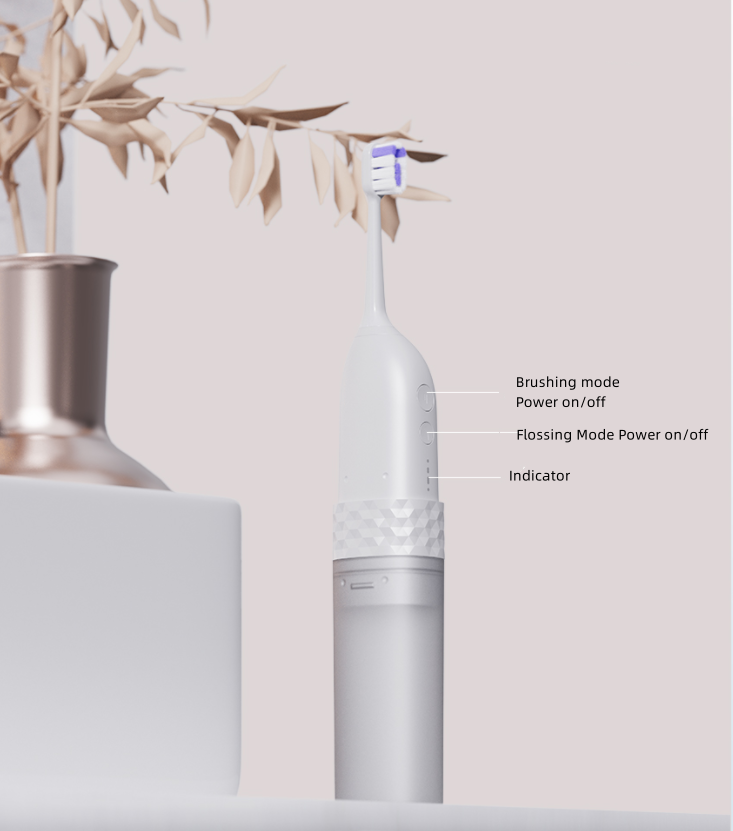
In recent years, dental clinics and oral care brands have increasingly recognized the value of offering customized, dentist-approved oral care solutions directly to patients. A key product in this trend is the electric toothbrush for Dentists & Clinics —specifically, electric toothbrushes designed for professional use or patient resale. As demand rises, so does the need for reliable professional electric toothbrush OEM solutions that support custom branding options tailored to each clinic or brand’s identity. Why Clinics Are Choosing Electric Toothbrushes for Patients Electric toothbrushes have proven to be more effective than manual brushes in reducing plaque and improving gum health. For dentists and hygienists, recommending or supplying an electric toothbrush ensures patients have access to tools that align with professional oral care standards. Key advantages include: Consistent brushing performance Built-in timers and pressure sensors Long-term plaque reduction benefits Higher patient compliance A dentist-approved brush not only improves outcomes but also builds trust between the clinic and patient. The Role of OEM in Professional Electric Toothbrush Supply As more clinics look to offer in-house products, professional electric toothbrush OEM services have become essential. OEM partnerships allow dental brands and clinics to: Customize product design and packaging Integrate clinic logos and brand colors Choose performance specifications (e.g.,…
.jpg)
In today’s smart oral care market, Powsmart app connectivity is redefining user engagement by transforming real-time brushing data into personalized, actionable insights. For B2B buyers and OEM partners, understanding how this connectivity works is key to delivering added value in electric toothbrush products—and standing out in a competitive, tech-forward landscape. The Power of Real-Time Brushing Data Unlike basic timers or pressure sensors, real-time brushing data enables continuous tracking of multiple parameters, such as: Brushing duration and frequency Applied pressure Brush angle and coverage zones Missed areas and overbrushed zones This data is transmitted instantly via Powsmart app connectivity, creating an intelligent feedback loop between the device and the user. Seamless App Connectivity and Its Architecture The Powsmart app connectivity is powered by low-energy Bluetooth modules integrated into the brush handle. The architecture typically involves: A secure device-to-app communication channel Sync capabilities across multiple devices (phones, tablets) Real-time visual guides and brushing maps Cloud storage options for long-term data trends This connectivity layer ensures data is not just collected—but contextualized in a user-friendly format for both consumers and professionals. Company web: https://www.powsmart.com/product/electric-toothbrush/ Turning Raw Data into Actionable Insights Raw metrics are just the beginning. Through intelligent algorithms, real-time brushing data is…
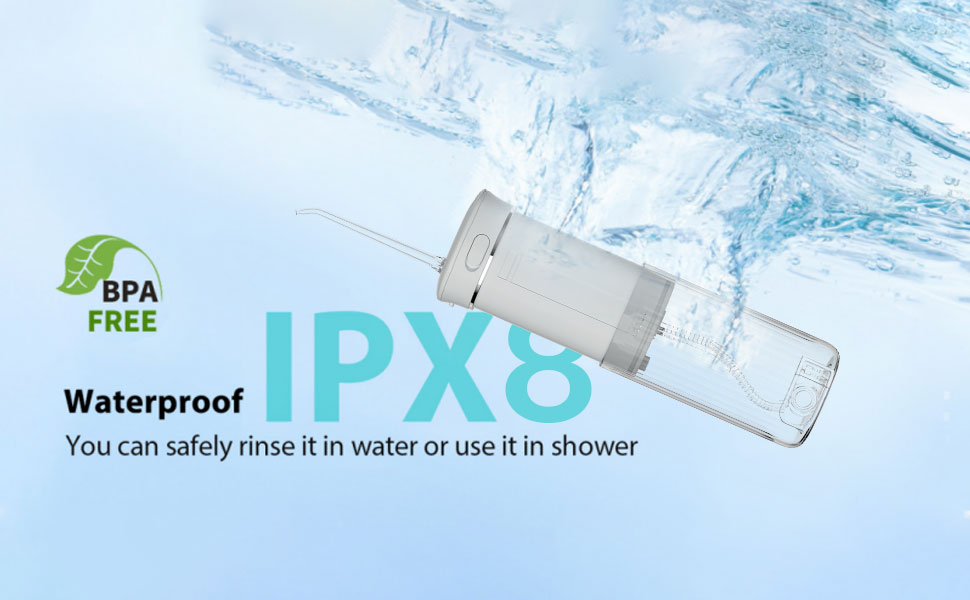
For frequent flyers and global travelers, a TSA friendly toothbrush paired with a well-designed portable toothbrush case promises convenience and compliance during airport security checks. But is the experience truly hassle-free—or are there hidden design flaws that B2B buyers and OEM manufacturers should address? What Makes a Toothbrush “TSA Friendly”? To qualify as a TSA friendly toothbrush, the product must meet several criteria enforced by airport security: Battery-operated or USB-rechargeable (not lithium-ion above certain limits) Easily identifiable on X-ray scans Compact enough to fit into carry-on toiletry pouches Not containing liquid or gel reservoirs (which trigger liquid screening policies) For electric toothbrushes, this often means minimalistic design and clear labeling. Combining these features with a portable toothbrush case helps streamline inspection while protecting the brush. The Role of a Portable Toothbrush Case in Travel Compliance A portable toothbrush case not only shields the toothbrush from contamination but also helps organize accessories like brush heads, charging cables, and adapters. From a B2B perspective, the case should be: TSA-transparent or semi-transparent for quick scanning Shock-resistant to protect internal components Ventilated to avoid bacterial buildup during storage Cases that are too bulky or opaque may raise red flags at checkpoints, defeating their travel-friendly…

With the rapid evolution of oral care technology, Bluetooth toothbrush tracking combined with an AI-driven smart dental coach is now capable of providing personalized feedback, behavior correction, and real-time brushing guidance. But can this high-tech duo truly replace traditional dentist visits—or is it just a supportive tool in the broader dental care ecosystem? For manufacturers and B2B buyers, the implications are worth exploring. What Is Bluetooth Toothbrush Tracking? At its core, Bluetooth toothbrush tracking refers to the integration of low-energy Bluetooth modules in toothbrushes to sync with a companion mobile app. This system tracks various brushing behaviors such as: Duration and frequency Coverage of brushing zones Applied pressure and brushing angles Missed or neglected areas This level of granularity allows both the user and supporting platforms to get a clear view of oral care performance over time. The Role of the Smart Dental Coach When combined with real-time data, a smart dental coach becomes a virtual guide, using AI algorithms to analyze brushing patterns and deliver corrective advice, including: Notifications about bad habits (e.g., “You consistently miss molars”) Visual brushing maps Custom routines based on user age, gum condition, or braces Weekly progress reports and improvement scores For OEMs, integrating…
.jpg)
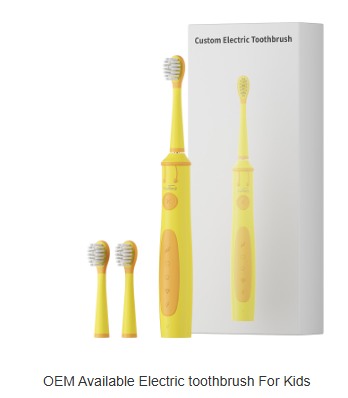
Introduction: How Cartoon Toothbrush Support Better Kids BrushingEncouraging regular brushing habits in children has always been a struggle. However, integrating cartoon toothbrush designs can turn brushing into a joyful activity. Whether you’re developing a private label solution or working with trusted manufacturers like the Powsmart child toothbrush, choosing a playful yet functional design can boost both oral care engagement and brand success. Understanding Why Kids Resist Brushing Routines Many children dislike brushing due to discomfort, fear, or boredom. Without engaging tools like a cartoon toothbrush, young users often fail to develop consistent brushing habits. To improve kids brushing compliance, brands need toothbrushes designed with child psychology and play-based learning in mind. The Power of Cartoons in Children’s Toothbrush Design Cartoon visuals enhance emotional connection and excitement. A cartoon toothbrush with bright colors, familiar characters, and fun themes can transform a chore into a game. These playful dental care tools also help kids feel more confident and motivated. Some models even include lights, music, or interactive timers to reinforce the 2-minute brushing routine. Why Powsmart Child Toothbrushes Are Loved by Kids and Parents The Powsmart child toothbrush line combines child-friendly aesthetics with professional safety features. Using soft bristles and food-grade silicone…
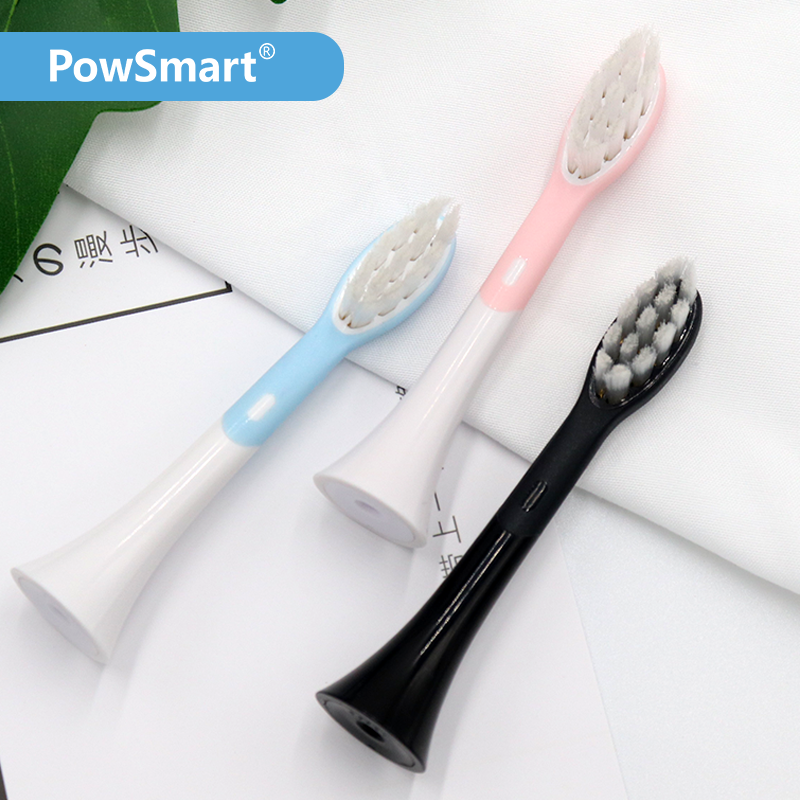
Maintaining oral hygiene with orthodontic appliances requires precision, patience, and the right tools. The clean braces technique—a structured approach to keeping teeth and gums healthy during orthodontic treatment—has gained popularity among dental professionals. At the center of this technique is the Powsmart ortho head, a brush head designed to solve the unique cleaning challenges faced by individuals with braces. The Hygiene Challenges of Orthodontic Braces Braces introduce a complex environment in the oral cavity: brackets, wires, ligatures, and limited space create ample opportunity for plaque buildup and food retention. Without proper tools, users often fail to reach behind wires and around brackets, leading to: Gingivitis and gum inflammation Decalcification and white spot lesions Bad breath and oral discomfort This is where the clean braces technique comes into play—with the Powsmart ortho head playing a vital role. What Sets the Powsmart Ortho Head Apart? The Powsmart ortho head is engineered with a V-shaped bristle pattern, specifically contoured to clean around orthodontic fixtures. Unlike flat or dome-shaped heads, it is tailored to: Reach both above and below the bracket with one pass Glide along the gum line without causing irritation Provide controlled contact to prevent enamel abrasion Its slim profile also improves…
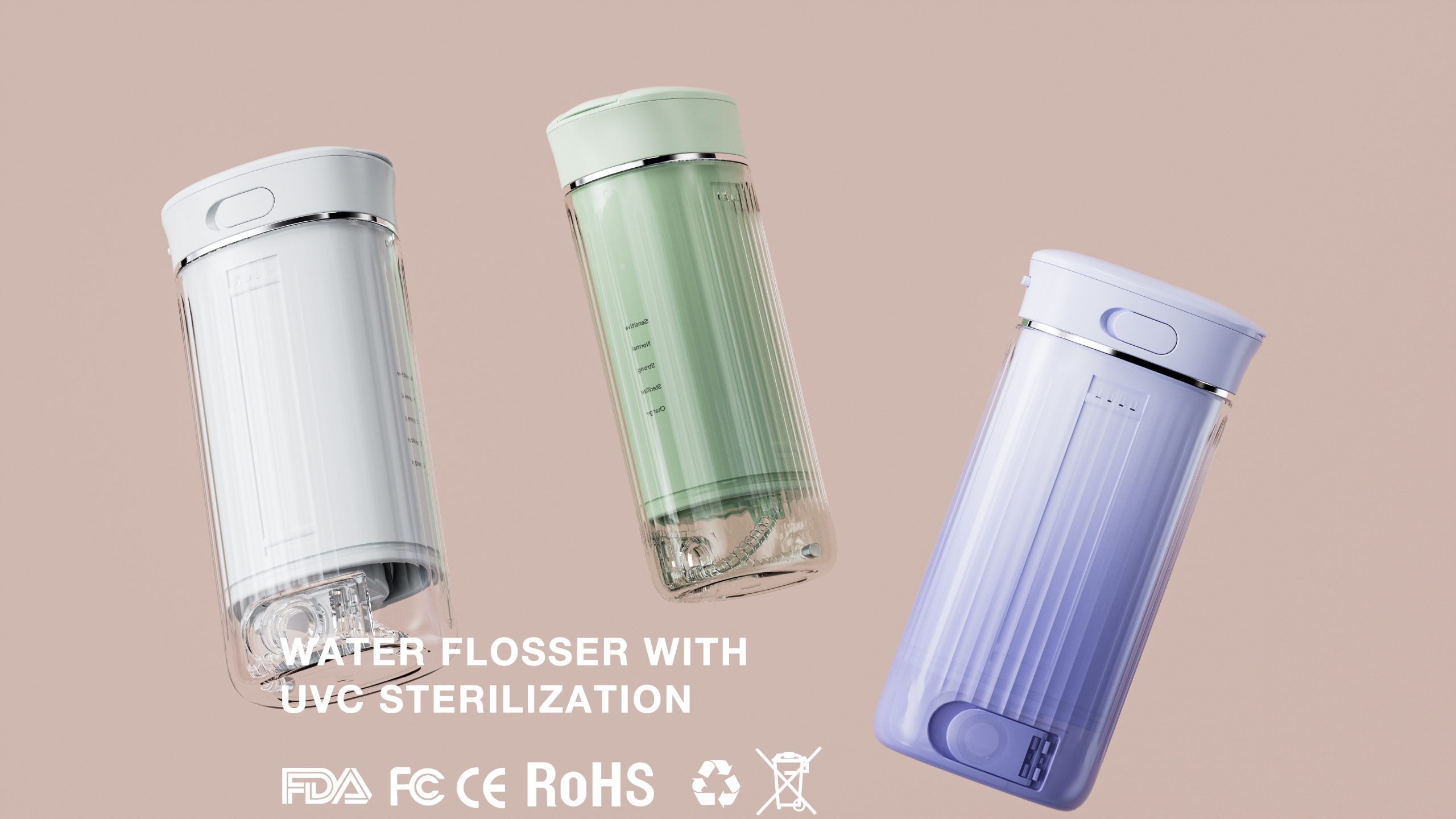
With the rise in demand for compact and portable hygiene tools, the idea of a travel electric toothbrush that fits in a wallet may sound futuristic—but it’s closer to reality than many think. Manufacturers and OEM brands are now exploring advanced folding toothbrush design solutions to maximize portability without compromising on brushing performance. Why Portability Matters in Travel Oral Care Business travelers, minimalists, and digital nomads are increasingly seeking ultra-compact personal care devices. Traditional electric toothbrushes are often bulky and require a dedicated case or bag space. A folding toothbrush design offers a revolutionary answer to this challenge by minimizing dimensions without eliminating core features. Key user demands include: Pocket-sized or wallet-friendly form factor Built-in hygienic bristle protection Lightweight construction without fragile mechanisms This presents an opportunity for B2B innovation in the travel hygiene category. Design Mechanics Behind Folding Toothbrush Technology To make a travel electric toothbrush truly compact, folding technology must go beyond aesthetics. It needs to incorporate: A collapsible handle without compromising grip strength Hinge materials that resist corrosion and wear from moisture Magnetic or secure lock systems to ensure stability during use Advanced prototypes have shown that bristle heads can be flipped into the handle, or that…


.jpg)
.jpg)
.jpg)
.jpg)
.jpg)



.jpg)