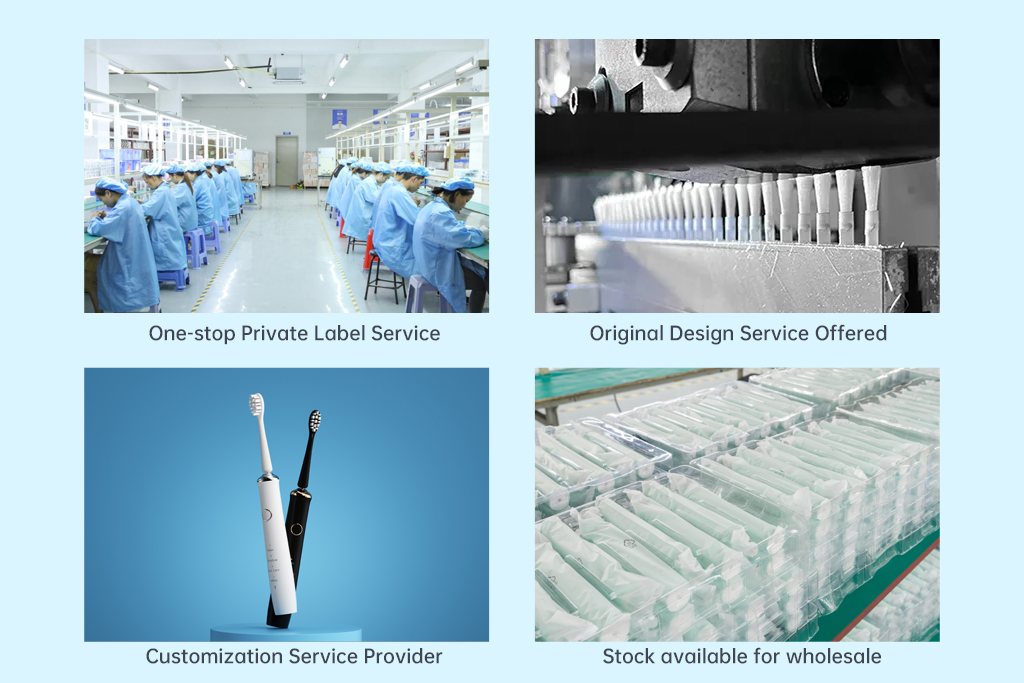
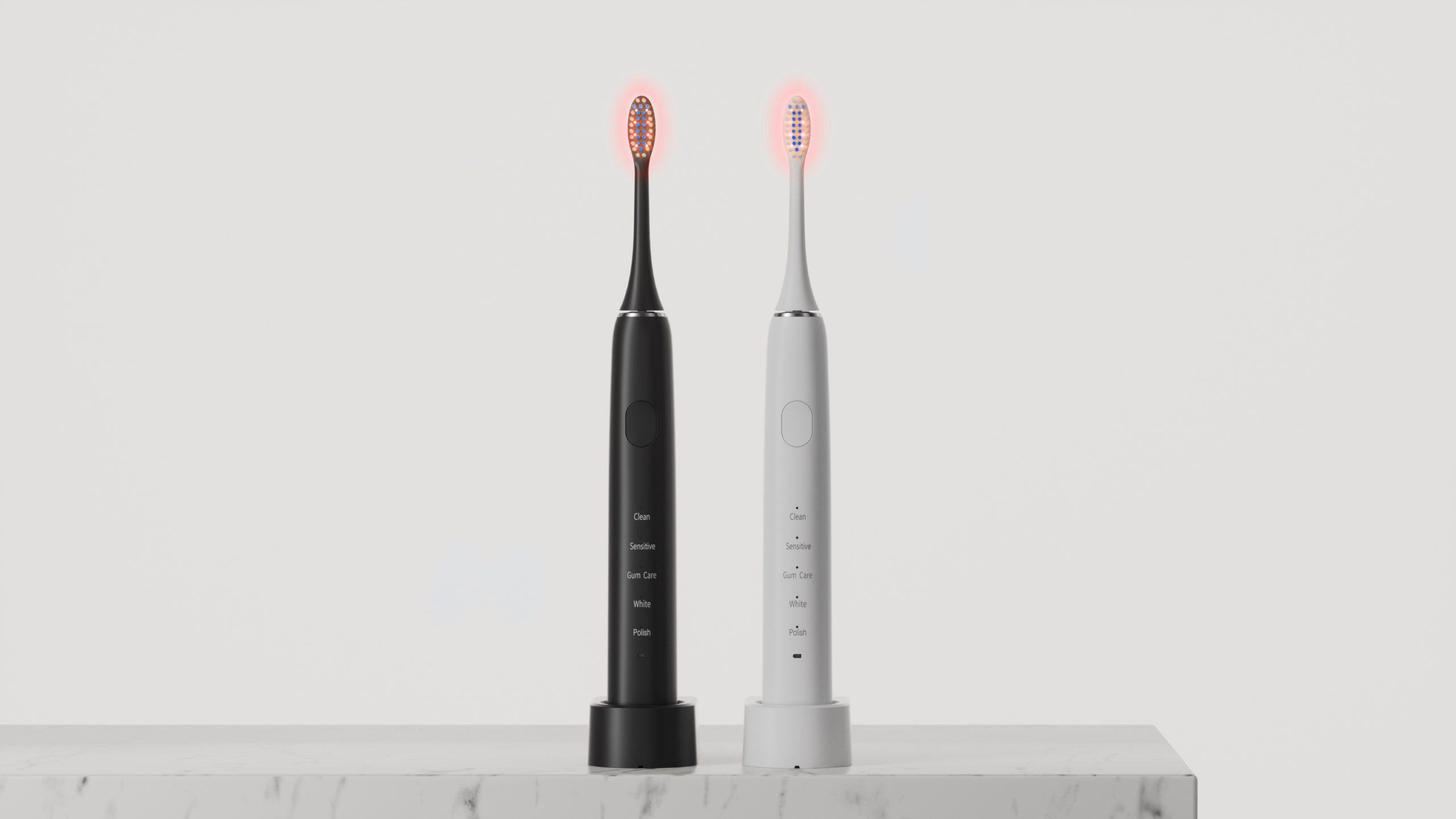
For oral care brands seeking long-term growth and product credibility, finding the right electric toothbrush factory is critical. In today’s competitive market, quality, consistency, and regulatory compliance are essential. This blog serves as a practical guide for brand owners to conduct a structured electric toothbrush factory evaluation, covering the key factors that ensure your product meets both market expectations and global toothbrush production standards. Below are 5 must-read criteria to help you identify a reliable manufacturing partner. Manufacturing Capabilities & Facility Infrastructure When evaluating a potential partner in oral care manufacturing, begin by examining their production scale and technical infrastructure. Key areas to consider include: In-house mold development for brush heads and motor components Automated production lines to ensure precision and consistency Capacity to handle large OEM/ODM orders without quality compromise A high-quality electric toothbrush factory will be able to demonstrate robust capabilities across all production stages, from injection molding to final assembly and packaging. Compliance with Toothbrush Production Standards Global markets demand strict adherence to safety and quality regulations. A factory’s ability to comply with international toothbrush production standards is a non-negotiable factor. Look for compliance with: ISO 13485 (for medical-grade manufacturing) CE, FCC, FDA certifications depending on target markets RoHS and REACH environmental…
.jpg)
In the world of small electrical appliances, especially oral care devices like electric toothbrushes and water flossers, Motor Overheating and Device Overheating are two critical risks that often go hand in hand. While these issues may seem like isolated technical failures, their combined presence can pose a "double danger" that affects not only product performance but also user safety and brand reputation. So how are these two overheating phenomena related, and why should manufacturers be on high alert? The Fundamental Difference Between Motor Overheating and Device Overheating To begin, it is essential to distinguish between Motor Overheating and Device Overheating. Motor Overheating refers to the excessive temperature rise in the motor core due to prolonged use, high resistance, or mechanical friction. On the other hand, Device Overheating includes not only the motor's heat but also the accumulation of heat in the battery, circuit board, and housing. Although separate in origin, these two forms of overheating frequently influence each other. For example, a poorly ventilated housing may trap the heat generated by the motor, leading to widespread Device Overheating. Causes Behind Motor Overheating Common causes of Motor Overheating include: Overloading: When the motor is subjected to excessive resistance (e.g., pressing the…
For manufacturers and brands in the oral care industry, customer complaints about Gum Bleeding caused by Enamel Scratches are no longer rare. With the rise of sonic toothbrushes, water flossers, and dental devices, users are increasingly sensitive to oral discomfort and damage. But does this mean manufacturers or OEM/ODM suppliers need to panic? This article explores how Enamel Scratches occur, why they trigger Gum Bleeding, and what design or material flaws may be the root cause—especially in products intended for daily use. The Hidden Connection Between Enamel Scratches and Gum Bleeding While enamel and gum tissue are distinct, their health is closely interrelated. Enamel Scratches—even micro-level ones—can lead to sharp edges or rough surfaces on toothbrush bristles or flossing nozzles. When such compromised surfaces come in contact with sensitive gum tissue, Gum Bleeding can easily result. This risk becomes higher in products where bristle quality, nozzle coating, or polishing processes are insufficiently controlled. Moreover, once enamel is scratched, the underlying tooth structure may become more prone to bacterial retention, leading to localized gum inflammation—another indirect cause of Gum Bleeding. Key Product Design and Material Issues Leading to Enamel Scratches Several hidden design or material flaws in oral care products can…
In precision-driven devices such as electric toothbrushes, water flossers, and personal care equipment, maintaining stable performance is paramount. However, Noise Increase—whether electrical or mechanical—has become a critical concern, as it may directly contribute to Vibration Inconsistency. This article will thoroughly explore how these two factors interact, why manufacturers should care, and what measures can prevent performance degradation caused by their relationship. What is Noise in Electrical and Mechanical Systems? In B2B manufacturing of smart or powered devices, “noise” does not simply refer to sound. It also includes: Electrical Noise: Unwanted electromagnetic interference (EMI) or fluctuations in voltage/current that disrupt signal clarity. Mechanical Noise: Unplanned or excess vibrations, friction, or movement in motors and gears. This Noise Increase can generate disturbances in sensor feedback loops, motor operation, and even user-perceived performance—laying the foundation for potential Vibration Inconsistency in the product. How Noise Increase Leads to Vibration Inconsistency The relationship between Noise Increase and Vibration Inconsistency is closer than it may first appear: Motor Control Disruption: Electrical noise can interfere with motor drivers and controllers, causing unintended shifts in speed or oscillation patterns. Mechanical Resonance Overlap: Excessive mechanical noise leads to unintended harmonics that amplify or dampen motor vibrations unpredictably. Sensor Misreading:…
In the world of electric toothbrush manufacturing, both performance stability and user safety are non-negotiable. However, two common issues—Brush Head Wobble and Battery Swelling—can jeopardize these fundamental qualities. Many users tolerate slight wobbling or reduced battery performance unknowingly, but when these two problems occur together, the consequences can be far more serious than expected. This article explains why manufacturers and suppliers should never overlook these seemingly minor defects, as they directly impact product durability, safety, and brand reputation. What Causes Brush Head Wobble? Brush Head Wobble refers to the unwanted lateral or vertical movement of the toothbrush head during operation. While a small degree of vibration is expected for cleaning purposes, excessive wobble results from: Imprecise Shaft Fitting: Poor manufacturing tolerance can cause misalignment between the drive shaft and brush head connector. Material Fatigue: Over time, plastic or metal parts may wear out, loosening the head's connection. Assembly Errors: Inconsistent torque control during automated assembly can result in loosely mounted brush heads. When the brush head wobbles, cleaning efficiency drops and users may experience gum discomfort or premature head failure. Worse yet, persistent wobble stresses the internal drive components, hastening device breakdown. The Hidden Dangers of Battery Swelling At first…
In the development and manufacturing of oral care devices, especially water flossers and similar equipment, ensuring long and reliable usage time is vital. However, Short Tank Runtime remains a common issue in many products, directly affecting their usability and effectiveness. For users managing sensitive oral conditions such as Oral Ulcers, this problem can become more than an inconvenience—it can compromise care quality. This article explores how short tank capacity impacts oral ulcer treatment, the causes behind this issue, and what manufacturers can do to resolve it. Why Short Tank Runtime Matters in Oral Ulcer Care Oral Ulcers require special attention during daily cleaning routines. These small but painful sores can worsen with improper hygiene or insufficient cleaning, leading to delayed healing and potential infections. When a water flosser suffers from Short Tank Runtime, the device may not provide sufficient continuous water flow to properly rinse the ulcer area. This interruption forces users to stop mid-cleaning to refill the tank, breaking the cleaning process and potentially leaving bacteria or food particles behind. Inadequate rinsing due to runtime limitations may reduce the effectiveness of oral ulcer treatment and prolong discomfort or recovery times. Causes of Short Tank Runtime in Water Flossers Several…
As water flossers continue to grow in popularity across global markets, manufacturers are focusing not only on cleaning performance but also on the safety and user experience of these devices. Two often-overlooked but critically linked factors are Excessive Noise and the potential for Aspiration Risk. While noise levels may seem like a minor inconvenience at first glance, excessive sound can directly contribute to unsafe usage conditions—especially among sensitive user groups. This article explores how these two issues are related, and why B2B suppliers should pay close attention. The Relationship Between Excessive Noise and Aspiration Risk Excessive Noise produced by water flossers can lead to multiple unintended consequences, one of which is the increased possibility of Aspiration Risk—the accidental inhalation of water droplets or debris into the respiratory tract. When a device operates loudly, it can startle or distract the user, disrupting the careful coordination required to maintain correct oral posture during use. For elderly users, children, or individuals with reduced motor control, this distraction can make it easier to lose concentration or improperly tilt the device, raising the likelihood of aspiration incidents. Therefore, manufacturers cannot ignore the link between noise output and user safety. Causes of Excessive Noise in Water…
.jpg)
In today’s increasingly competitive personal care market, consumers' preferences of electric toothbrushes are becoming more discerning, not only about the features of the product but also the price point. For brands and suppliers aiming to remain competitive and relevant, it is essential to understand how consumers weigh functions and prices of electric toothbrushes in their purchasing decisions. This blog provides a strategic look at demand preference and analysis, helping brands align with the right electric toothbrush manufacturer who can meet evolving market expectations. Core Consumer Expectations: Smart, Efficient, and Affordable Modern consumers prioritize electric toothbrushes that are not just effective, but also intelligent and user-friendly. Based on recent consumer research, the most requested features include: Multiple brushing modes (sensitive, whitening, gum care) Smart timers and pressure sensors Long battery life and fast charging Quiet operation and compact design However, while many users desire advanced features, a large portion of consumers' preferences of electric toothbrushes remain price-sensitive. This is where the balance between functionality and affordability becomes crucial in product planning and sourcing. Demand Preference and Analysis: Features vs. Cost Demand preference and analysis reveal three major consumer segments: Premium Users: Willing to pay over $80 for AI-enabled brushes, Bluetooth connectivity, and ultra-sonic vibration technology. Mid-Market Consumers:…
In the development and manufacturing of oral care devices such as water flossers, two critical concerns often overlooked by many brands are Design Flaw and the resulting risk of Gum Injury. While these products are intended to improve dental hygiene and user comfort, improper design choices can inadvertently harm sensitive gum tissue. This risk not only impacts end-user health but also poses severe challenges to manufacturers in terms of product liability, brand reputation, and market competitiveness. The Connection Between Design Flaws and Gum Injury A Design Flaw in a water flosser can manifest in several ways, including incorrect nozzle shape, improper water pressure calibration, and inadequate control interfaces. These flaws may lead to excessive water force or an uneven spray pattern that directly impacts the gums, causing tissue irritation, bleeding, or long-term sensitivity—collectively known as Gum Injury. For example, if the nozzle tip is too sharp or angled improperly, it may focus pressure on a narrow gum area, increasing the risk of damage. Similarly, if water pressure levels are poorly regulated, even a brief exposure to an overpowered jet can injure soft gum tissue, particularly for users with sensitive or receding gums. Common Design Flaws Leading to Gum Injury Several…

In the highly competitive oral care market, finding the right Oral Care Product Manufacturer is critical for any brand seeking to deliver safe, effective, and market-ready products. Whether you’re launching a new line of electric toothbrushes, oral irrigators, or whitening solutions, the choice of manufacturing partner can determine your product’s success—or failure. To streamline your decision-making process, we’ve created the ultimate checklist for evaluating a manufacturer, helping you identify quality dental suppliers who can act as your reliable OEM partner. Certification and Compliance: Look for an FDA-Certified Factory The first item on your checklist should be regulatory compliance. A reputable manufacturer should operate an FDA-certified factory and adhere to ISO standards relevant to medical or oral care devices (e.g., ISO 13485 for medical-grade production). What to check: FDA registration or certification documentation ISO certifications (especially ISO 13485 or ISO 9001) CE, RoHS, or other region-specific compliance (if targeting global markets) These certifications ensure that the manufacturer meets the legal and hygiene standards required to produce oral care products safely. Manufacturing Capabilities and Specialization Not every factory that makes beauty or healthcare products is optimized for oral care. You need a manufacturer that specializes in producing oral care devices such as electric toothbrushes or oral…
In the competitive market of electric oral care products, mode malfunction and pulse instability are two issues that are often overlooked—until they begin to erode overall device stability and consumer trust. Although these two failures may appear isolated, they are frequently symptoms of deeper flaws in design, firmware control, or component compatibility. The Hidden Role of Mode Malfunction in Product Failure Mode malfunction refers to the improper switching, freezing, or unintended behavior of pre-set cleaning modes. This issue often stems from: Faulty microcontroller firmware Inconsistent voltage supply Substandard mode-selector buttons or PCB contact points A mode malfunction does more than disrupt the user experience—it can lead to incomplete cleaning cycles, overuse of sensitive settings, or total system lockout, all of which severely undermine product credibility. Pulse Instability: More Than Just a Comfort Issue While some manufacturers dismiss pulse instability as a user comfort concern, its implications are far more serious. A stable pulse frequency is critical to: Effective plaque removal User gum safety Internal motor balance and longevity Pulse irregularities can result from degraded sensors, power surges, or inconsistent motor performance. Over time, they contribute to wear and tear that accelerates device failure and customer returns. The Interconnection: When One…
In today’s highly competitive market, find the right electric toothbrush manufacturers is critical for oral care brands aiming to scale efficiently. Whether you are a startup entering the market or an established company seeking product diversification, partnering with a trustworthy oral care supplier is the foundation of quality, innovation, and long-term brand influence. This article offers a comprehensive roadmap for selecting a manufacturer that aligns with your business goals, supports OEM electric toothbrush production, and drives your oral care brand expansion strategy. Define Your Product and Brand Requirements First Before contacting any factory or supplier, clearly define your product specifications and brand positioning. Ask yourself: What type of branded toothbrush production do you require (e.g., sonic, oscillating, kids’ brushes)? Do you need full OEM electric toothbrush solutions or white-label production? What certifications (e.g., CE, FDA, ISO) must the products comply with? What are your expected order quantities, price range, and delivery timelines? Having a solid product brief helps you find suitable electric toothbrush manufacturers early and avoid costly mismatches. Where and How to Source Reliable Manufacturers Finding a reliable oral care supplier goes beyond a simple online search. Here are proven sourcing strategies: Trade shows: Events like IDS (Germany), Dental South China, and Cosmoprof Asia are great for…

With the continuous oral care industry upgrade, global consumers are becoming more health-conscious and tech-savvy. This shift is accelerating demand for innovative, reliable, and personalized oral care product options such as electric toothbrushes and oral irrigators. For oral care brands, finding the right manufacturing partner—especially high-quality electric toothbrush factories—is critical to staying competitive in this fast-changing market. Understand the Current Trends in Oral Care Consumption Before seeking cooperation, it’s important to understand trends in oral care consumption. Today’s consumers demand more than just functionality—they expect intelligent features, sleek designs, and sustainable materials. The rise of smart devices, travel-ready designs, and kid-friendly oral care tools has redefined what successful oral care OEM partnerships should deliver. A factory that understands these trends can offer better product insight and adaptability, ultimately supporting your brand’s long-term growth. Define Your Product Needs: Standard vs. Customized Electric Toothbrush Not all factories offer the same level of flexibility. Do you need a basic, ready-to-ship model, or are you developing a customized electric toothbrush with unique branding, smart features, or special materials? Standard Products: Quicker turnaround and lower cost. Customized OEM/ODM: Requires more R&D capability but offers brand differentiation. Clarity in product direction helps you filter suppliers early and align with…
Hose cracks in water flosser devices are an often underestimated issue that can silently lead to water pressure instability, user dissatisfaction, and even safety concerns. For manufacturers and OEM/ODM suppliers, understanding and preventing this problem is essential to maintaining product performance, quality reputation, and customer trust. What Causes Hose Cracks in Water Flossers? Hose cracks typically result from a combination of mechanical stress and environmental degradation. Common contributing factors include: Repeated bending and torsion from daily usage Poor-quality thermoplastic elastomers or PVC materials Exposure to high water temperatures or disinfectants Aging and material fatigue in long-term storage conditions Over time, these cracks may begin microscopically, eventually leading to visible rupture or sudden hose failure under pressure. How Do Hose Cracks Lead to Water Pressure Instability? Once hose integrity is compromised, water pressure instability becomes inevitable. The internal pressure becomes uneven, resulting in: Interrupted or weak water pulses, affecting flossing efficiency Backflow or leakage around cracked areas Fluctuating spray that fails to reach target zones in the mouth Increased motor strain, potentially reducing device lifespan This undermines the core functionality of the device and leads to higher customer complaints or returns.Company web: :https://www.powsmart.com/product/electric-toothbrush/ Early Warning Signs Manufacturers Should Not Ignore Detecting…
In today's smart personal care devices, features like the travel lock are designed to enhance user safety and convenience. However, recent engineering reports and field failures have exposed a surprising vulnerability: travel lock failure may inadvertently trigger a power surge, leading to electronic malfunctions, battery degradation, or even fire hazards. For B2B manufacturers, this risk demands urgent attention—not only to uphold product reliability but also to maintain compliance and market trust. What Is a Travel Lock and How Does It Work? The travel lock is a safety function built into electric toothbrushes and grooming devices to prevent accidental activation during transport. It’s typically engaged by holding a button for a few seconds, disabling the power function until manually released. However, when poorly implemented or damaged during manufacturing or transit, this lock can fail—causing the device to activate unexpectedly while packed in a confined space, such as luggage. How Travel Lock Failure Leads to Power Surges Unexpected activation of a device inside a sealed environment causes the motor to run without ventilation or resistance, potentially leading to: Internal component overheating Prolonged, unmonitored power draw Battery stress and swelling Faulty circuit load distribution This excessive, irregular power consumption can result in a…
Gum recession is a growing concern in oral health, often attributed to factors like aggressive brushing or periodontal disease. However, recent user feedback and clinical observations point to an overlooked culprit: pulse inconsistency in electric oral care devices, especially water flossers and sonic toothbrushes. For manufacturers in the B2B market, understanding and mitigating this issue is vital to product safety, user trust, and long-term brand reputation. What Is Pulse Inconsistency and Why Does It Matter? Pulse inconsistency refers to irregular or fluctuating pressure and frequency in electric toothbrushes and water flossers. Instead of delivering a stable, rhythmic action, the device may spike or dip unpredictably. This can occur due to: Inadequate motor regulation Inconsistent power supply Poor-quality control in pulse generator circuits Software glitches in smart devices While seemingly minor, such irregularity can have a significant cumulative effect on gum tissue. How Pulse Inconsistency Leads to Gum Recession Gums are highly sensitive to mechanical force. Consistent, gentle stimulation can promote circulation and health, but unpredictable pulses act like micro-traumas. Over time, the repeated application of uneven pressure may cause the gum line to shrink or detach from the tooth, leading to gum recession. Clinical professionals have begun to associate irregular…
As B2B manufacturers and distributors in the oral care industry, ensuring the reliability and hygiene of water flossers is a top priority. A growing concern among users—and a crucial quality control point for suppliers—is reservoir mold growth and its potential to cause nozzle clogging. These issues not only impact user satisfaction but can lead to product returns, brand damage, and even health risks. In this blog, we explore the root causes, consequences, and solutions related to mold buildup in water flosser tanks and its impact on spray performance. How Does Mold Form in Water Flosser Reservoirs? The reservoir of a water flosser is a moist, enclosed environment—ideal conditions for microbial growth. When users fail to regularly clean and dry the tank, residual water combined with oral debris creates a perfect breeding ground for reservoir mold. Over time, fungal growth adheres to the inner walls and base of the tank, especially in hard-to-reach crevices, leading to hygiene hazards and operational issues. The Direct Link Between Reservoir Mold and Nozzle Clogging Mold growth doesn’t just affect the tank's cleanliness—it poses a mechanical risk. Once fungal spores or biofilm fragments break free, they travel with the water through the flosser’s internal tubing and…
When it comes to child safety, the materials used in kids' electric toothbrushes play a critical role. With increasing concern around material toxicity, parents are more cautious than ever, and brands that manufacture or supply children's oral care products must meet rising standards. For B2B buyers—whether you're sourcing for retail, OEM, or private label—understanding the safety implications of materials is no longer optional, it's essential. Why Child-Specific Material Standards Matter Children’s oral tissues are more sensitive, and their immune systems less developed than adults'. A brush head made from substandard plastic or pigment may leach harmful chemicals into the mouth during brushing. This is especially risky for children who tend to chew on brush heads. That’s why child safety begins with choosing certified, non-toxic, BPA-free, and phthalate-free materials that are compliant with FDA, LFGB, or EU EN71 standards. Common Risks: What Does “Material Toxicity” Really Mean? The term material toxicity refers to the potential for a material to release harmful substances under normal or stressed use. In kids' toothbrushes, this can involve: Plasticizers like DEHP used in flexible components Heavy metals in colored plastics or paint Low-grade adhesives that release formaldehyde Flavored coatings that don’t meet food-grade standards These substances…
When electric toothbrushes exhibit brush shedding—that is, filaments falling out prematurely—and simultaneous sensor failure, the problem may be deeper than just poor-quality materials. These two faults are often interconnected, and for B2B buyers sourcing private-label or OEM dental devices, the hidden risks behind such issues deserve close attention. This article explores six essential dimensions of this dual failure mode, and how manufacturers can proactively prevent it through better design, testing, and material selection. What Is Brush Shedding and Why Does It Matter? Brush shedding refers to the premature detachment of bristles from the brush head. In commercial-grade devices, shedding is more than a cosmetic or hygienic problem—it signals quality inconsistency, compromised bonding, or mechanical instability. Excessive shedding not only shortens product lifespan but can lead to consumer distrust, especially if loose filaments are swallowed or cause gum irritation. Furthermore, shedding can interfere with optical or pressure sensors inside the brush that rely on stable bristle density to gauge brushing force or angle. How Brush Shedding Leads to Sensor Malfunction The correlation between brush shedding and sensor failure lies in physical and signal disruption: Pressure Sensors: These sensors often rely on even force distribution through the bristles. As filaments fall out,…
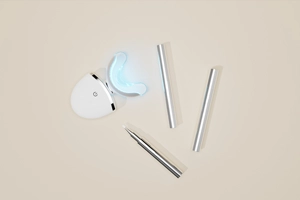
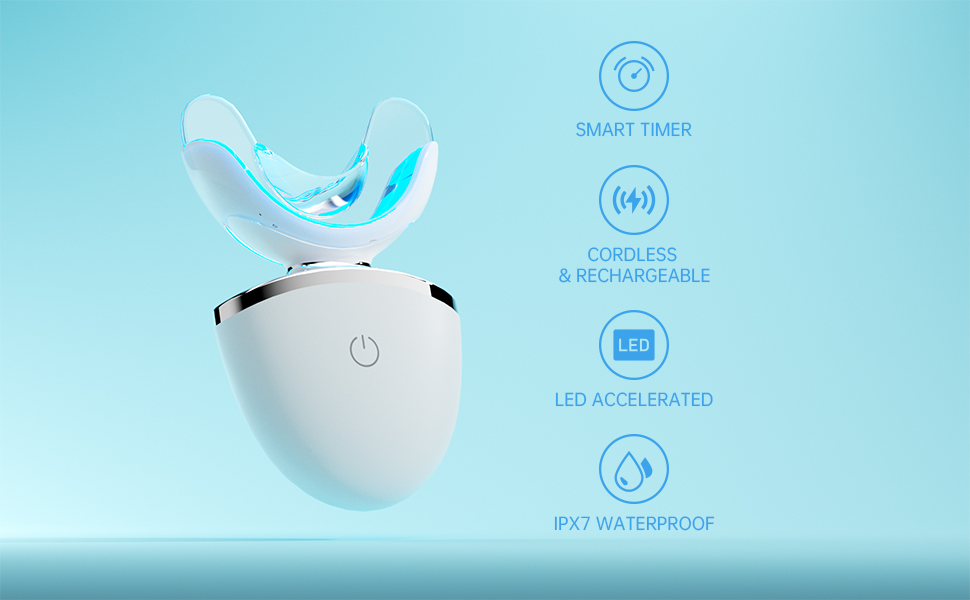
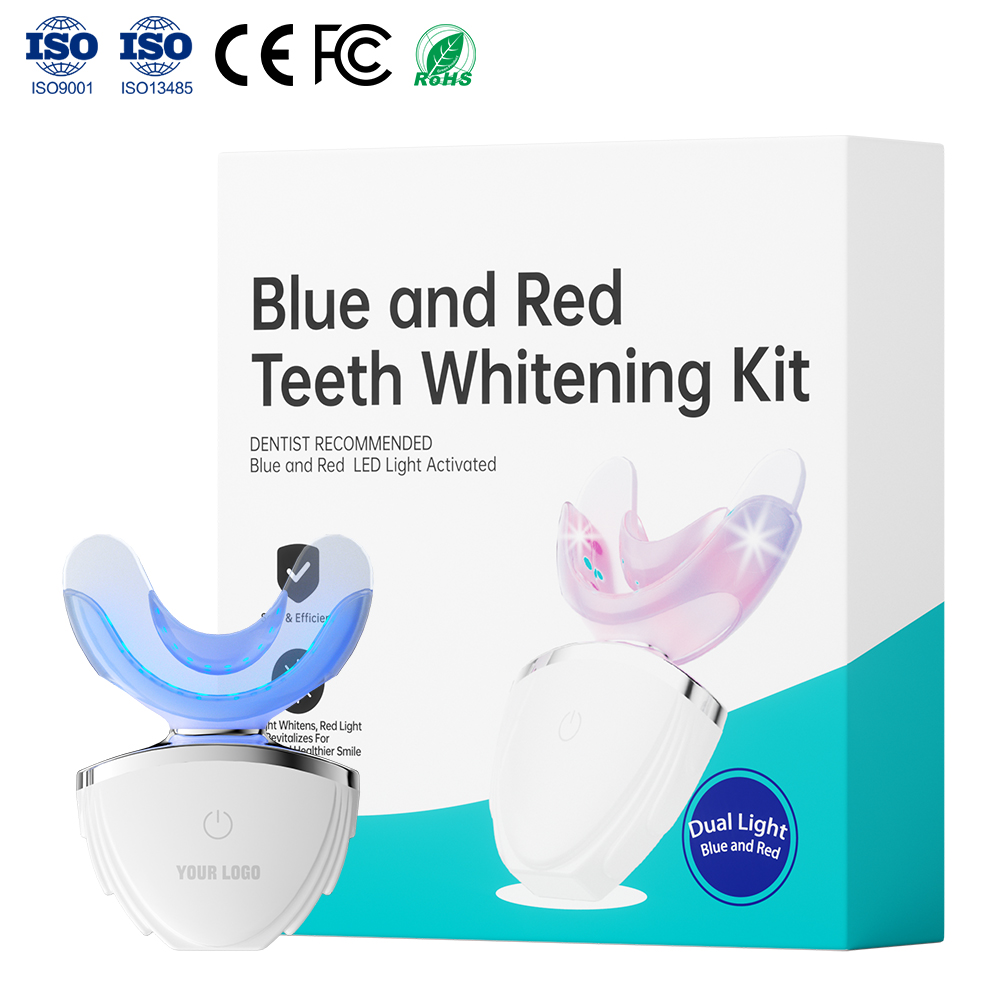
Frequent reports of gum irritation after using at-home whitening kits raise two critical questions for manufacturers: are your user instructions detailed enough to prevent misuse, and does your warranty coverage truly protect end users and channel partners from adverse reactions? In this article, we explore six perspectives to help B2B suppliers fortify manuals, streamline claims processes, and bolster partner confidence. Clarity and Accessibility of User Instructions First, ambiguous or overly technical manuals contribute directly to misuse: Overly Dense Text: Walls of small print discourage thorough reading, leading users to skip isolation and timing steps. Lack of Visual Aids: Without clear diagrams showing tray placement and gel boundaries, users often apply bleach too close to gingival margins. Untranslated Localizations: Incomplete language versions create misunderstandings in non-English markets. Action: Simplify instructions into step-by-step illustrated guides, emphasize critical precautions in call-outs, and ensure all translations are professionally validated. Highlighting Signs and First-Aid for Gum Irritation Next, user manuals must proactively educate on identifying and managing early signs of gum irritation: Symptom Checklist: List redness, tingling, or minor bleeding as early warnings. Immediate Remedies: Recommend saline rinses or cold compresses to soothe mild irritation. Usage Pause Criteria: Advise users to halt treatment and consult…


.jpg)
.jpg)
.jpg)
.jpg)
.jpg)




.jpg)