.jpg)
When consumers use teeth whitening products or oral hygiene devices that release bleaching agents such as hydrogen peroxide, they may unexpectedly experience tongue numbness due to hydrogen peroxide burns. Is this sensation a typical and temporary side effect, or a signal of underlying product design flaws? For manufacturers and OEM suppliers, understanding this connection is essential to ensure product safety, user comfort, and market trust. The Cause of Hydrogen Peroxide Burns in Oral Care Products Hydrogen peroxide is widely used for its strong antibacterial and whitening properties. However, if its concentration exceeds safe limits or if the delivery system malfunctions—such as improper gel release or faulty applicator tips—hydrogen peroxide burns can occur. These burns damage the soft tissues of the mouth, including the tongue, leading to discomfort and possible tissue irritation. Inadequate control over hydrogen peroxide exposure, often due to poor formulation or defective applicators, significantly raises this risk. Why Does Tongue Numbness Follow Hydrogen Peroxide Burns? Following a hydrogen peroxide burn, users frequently report tongue numbness, which can last from a few hours to several days depending on exposure severity. This numbness results from the chemical’s aggressive interaction with nerve endings on the tongue's surface. Manufacturers must note that…
In modern personal care and dental devices, battery degradation and LED dimming are two frequently encountered yet underestimated issues that affect both performance and user satisfaction. Over time, as the battery’s health declines, it directly contributes to LED brightness reduction, which can undermine whitening effectiveness, operation visibility, or aesthetic appeal. But is this process truly unavoidable—or can manufacturers design products that resist this twin challenge? Why Battery Degradation Leads to LED Dimming The relationship between battery degradation and LED dimming is rooted in power delivery. As batteries age—due to charge cycles, temperature exposure, and material fatigue—their internal resistance increases, reducing their ability to deliver consistent voltage and current. For LEDs, which rely on stable power input to maintain brightness, this fluctuation results in visible dimming. In oral care devices such as whitening trays or LED-based toothbrushes, this reduced light output can compromise treatment efficacy or user confidence in the device's performance. The Impact of LED Dimming on Product Functionality LED dimming triggered by battery degradation is not merely a cosmetic flaw. It has deeper implications: Reduced bleaching or sterilization efficiency in light-assisted products; Weakened user interface signals (e.g., indicator lights for status or errors); Perceived decline in product quality, reducing…
In the world of oral care product manufacturing, especially for whitening kits, water flossers, and electric toothbrushes, consumer complaints about gum irritation or throat irritation are increasingly common. These discomforts can stem from various product design, material, or formulation flaws. For OEM and ODM suppliers, understanding the root causes is vital—not only for ensuring end-user safety but also for safeguarding brand reputation and regulatory compliance. Understanding Gum Irritation and Its Triggers Gum irritation usually presents as redness, swelling, or soreness along the gum line. In many cases, this discomfort is the result of: Overly aggressive bristle design in electric toothbrushes; Excessive bleaching agent concentration in whitening gels; Improper tray or flosser tip alignment, causing mechanical trauma to soft tissue. If ignored during the design phase, these issues can lead to chronic gum sensitivity and potential periodontal damage, forcing dissatisfied customers to abandon the product early. What Causes Throat Irritation in Oral Care Devices? Throat irritation, while less discussed, is equally problematic. This typically arises from: Gel leakage from whitening trays, allowing peroxide or carbamide compounds to run down the throat; Aerosolized water mist from flossers, irritating sensitive throat tissues; Use of strong flavoring or additives in pastes and gels that…
In the design and operation of oral irrigators, vacuum-assisted skincare devices, or dental suction tools, two common issues—pump failure and weak suction—often occur together. While either problem alone can degrade performance, their combination often signals a terminal system malfunction that demands immediate design review and structural correction. What Causes Pump Failure in Small-Scale Devices? Pump failure** typically results from mechanical wear, motor burnout, or obstructions. In B2B-use cases like high-frequency clinic tools or home devices used intensively, the following root causes are frequently seen: Motor degradation due to overheating or continuous overuse Seal breakdown, allowing air ingress and reducing pressure Pump chamber blockage from limescale, biofilm, or gel residue Uncalibrated motor speed, leading to off-balance flow rates In many designs, the pump is directly tied to the device’s core functional output—once compromised, performance drops sharply. How Pump Failure Leads to Weak Suction The most immediate effect of pump degradation is suction loss. Without proper internal pressure regulation and consistent mechanical actuation, devices can’t draw fluid efficiently. Key mechanical reasons include: Reduced vacuum generation Inconsistent pulse flow or irregular fluid stream Internal backflow or valve inversion due to design wear Power–fluid sync issues where the motor and pump cycle fall out…
When discussing the durability and efficiency of personal oral care devices, particularly electric toothbrushes and water flossers, the relationship between weak pressure and potential enamel thinning often comes into question. Can insufficient pressure actually contribute to the gradual erosion of enamel? This concern is increasingly relevant for manufacturers aiming to balance gentle care with effective cleaning. What Is Enamel Thinning and Why Is It a Concern? Enamel thinning refers to the gradual loss of the protective outer layer of the tooth, which safeguards the inner dentin and pulp. This condition leads to: Increased tooth sensitivity; Higher risk of cavities and decay; Discoloration and an uneven tooth surface; Overall decline in oral health. Once enamel is worn away, it cannot regenerate naturally, making prevention critical. The Role of Pressure in Oral Cleaning Devices Proper pressure during brushing or water flossing is essential to remove plaque and food debris effectively without damaging enamel. However, weak pressure can cause: Incomplete removal of plaque, leaving acidic biofilm on the enamel surface; Extended brushing or flossing time, encouraging overuse and excessive friction; Inconsistent contact with the tooth surface, requiring users to press harder manually, possibly causing mechanical enamel wear. Thus, weak pressure may indirectly contribute…
In the realm of personal care devices such as electric toothbrushes, water flossers, and oral whitening kits, the risk of mucosal irritation due to lingering chemical residues is an increasingly serious concern. While trace amounts of cleaning agents, lubricants, or manufacturing chemicals are often considered acceptable within industry standards, their cumulative effects on sensitive oral mucosa raise valid safety questions. Is this irritation merely a temporary discomfort—or a sign of potential toxicity? What Causes Chemical Residues in Oral Care Devices? Chemical residues may remain on or within devices due to several factors in manufacturing and user handling: Incomplete rinsing or cleaning during factory production processes; Use of substandard or improperly cured sealants, adhesives, or coatings; Degradation of internal materials, such as plastics or rubber, releasing byproducts over time; Improper user maintenance, such as failure to thoroughly rinse cleaning agents off the device. These residues can transfer to the oral cavity during use, potentially causing discomfort or harm. How Chemical Residues Trigger Mucosal Irritation When chemical residues contact the delicate mucosal tissues inside the mouth, several reactions may occur: Chemical burns or stinging sensations due to acidic or alkaline substances; Allergic reactions to trace additives or plasticizers leaching from device components;…
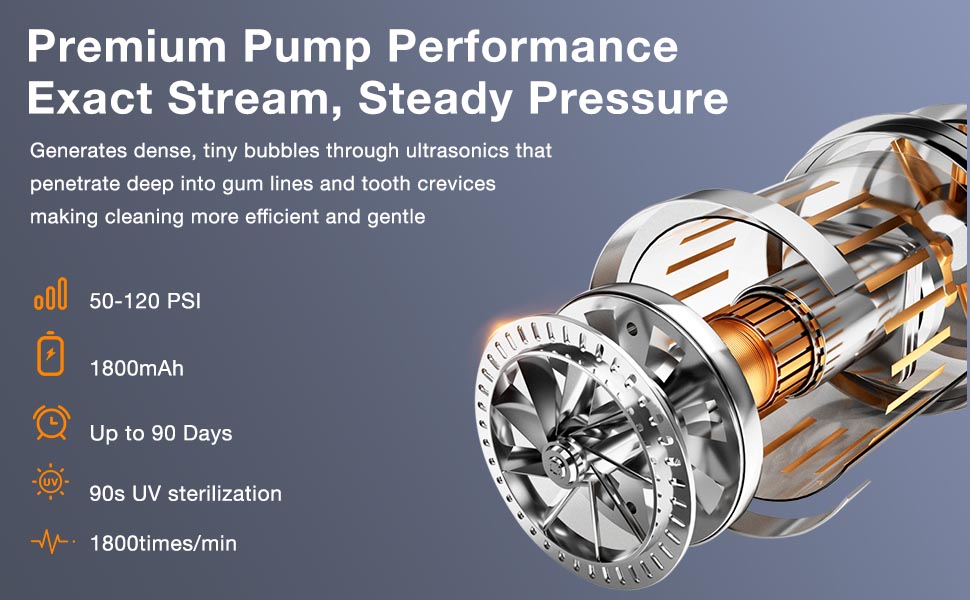
Oral irrigators, commonly known as water flossers, are essential tools in oral care, providing a highly effective way to clean between teeth and along the gumline. One of the core components that ensure the efficiency of an oral irrigator is its water pump. As a water flosser supplier, Powsmart has been providing OEM/ODM service for over 20 years. We mainly produce oral care products including electric toothbrushes, water flossers and teeth whitening products currently for private labeling service. The Role of the Water Pump in Oral Irrigators The water pump of an oral irrigator plays a crucial role in generating the pressurized water flow needed to remove food particles, plaque, and bacteria from hard-to-reach areas in the mouth. The water pump is responsible for controlling water pressure and flow rate, which directly influences the cleaning efficacy. According to studies, 80% of users report a noticeable improvement in their oral health when using an irrigator with a high-quality water pump that provides consistent pressure. Types of Water Pumps in Oral Irrigators There are several different types of water pumps, each offering distinct features in terms of performance, noise level, and durability: Piston Pumps: Common in lower-end models, piston pumps are simple and cost-effective.…
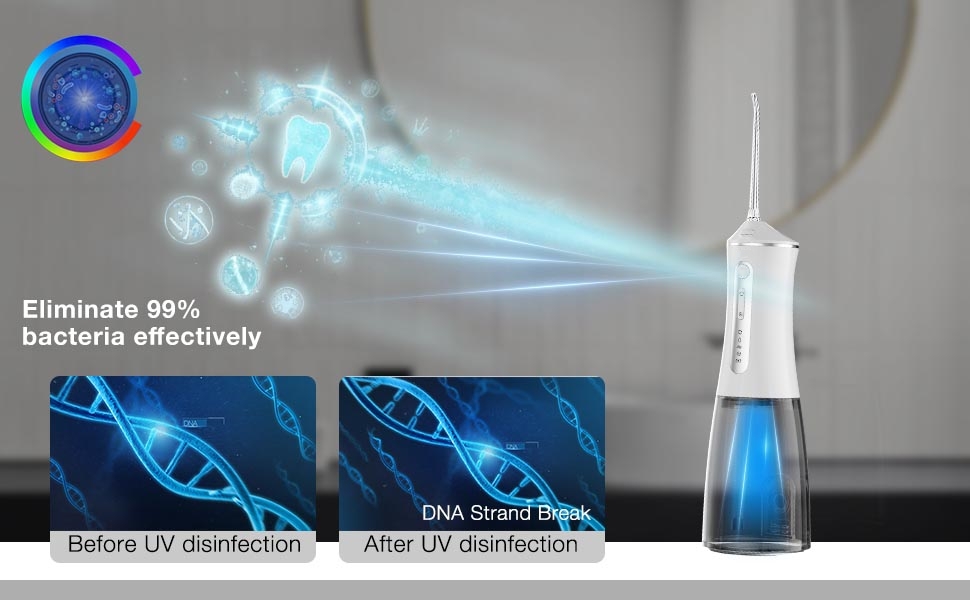
Understanding the Moldy and Smelly Problem Water flossers are widely praised for their effectiveness in maintaining oral hygiene. However, improper maintenance can lead to the water flosser moldy and smelly problem. When residue and moisture are not cleaned regularly, they create a breeding ground for mold and bacteria. This not only affects the performance of the device but also poses potential health risks. Risks of Using a Moldy Water Flosser Using a water flosser that is moldy or emits an unpleasant odor compromises its ability to clean effectively and introduces the water flosser hygienic problem. The contaminated water could introduce harmful microorganisms to the oral cavity, negating the benefits of flossing. Studies suggest that regularly maintained devices reduce bacterial contamination by up to 80%, emphasizing the importance of cleanliness. Precautions for the Use of Water Flosser To avoid the water flosser moldy and smelly problem, users should adopt these key precautions for the use of water flosser: Empty the Tank After Each Use: Residual water can stagnate, promoting bacterial growth. Clean Regularly: Use a mild cleaning solution to rinse the water tank and nozzle weekly. Store Properly: Keep the device in a dry, well-ventilated area to prevent moisture buildup. Replace…

Home dental beauty products are revolutionizing the way people maintain their oral aesthetics. These products offer convenience, affordability, and professional-grade results, making them increasingly popular among consumers. For businesses, the home dental beauty products business represents a lucrative and growing market. As a teeth whitening products factory, we’d like to share the key advantages of home dental beauty products with you and their role in shaping the oral care industry. Convenience and Accessibility One of the most significant advantages of home dental beauty products is their convenience. With these products, users can achieve whiter teeth, fresher breath, and improved oral aesthetics without frequent visits to dental clinics. Products like teeth whitening kits, LED-powered devices, and sonic brushes are designed for easy, at-home use, saving time and effort for busy individuals. This convenience makes them a compelling choice for today’s fast-paced lifestyles. Powsmart is an experienced oral care products manufacturer with over 20 years OEM/ODM service experience. Our main products available for customization includes sonic electric toothbrush, water flosser and LED teeth whitening device. Cost-Effectiveness Compared to professional dental treatments, home dental beauty products are a more affordable alternative. For instance, a complete at-home whitening kit can deliver results comparable to in-clinic treatments but at…

In the rapidly evolving oral care market, the competitiveness of your oral brand is crucial for standing out among competitors. As consumers become more discerning and aware of product quality, your brand must offer more than just good products; it must provide innovative solutions, reliable partnerships, and targeted marketing. Powsmart is an oral care products manufacturer, covering the production of electric toothbrushes, water flossers and teeth whitening devices with over 20 years OEM/ODM service experience. Partner with a Reliable Oral Care Factory One of the most effective ways to improve the competitiveness of your oral brand is to collaborate with a reliable oral care factory. A dependable manufacturing partner ensures consistent product quality, timely delivery, and compliance with safety standards. It also allows you to scale production quickly and efficiently, which is critical in meeting the growing demands of the market. As a factory with proven experience in oral care product manufacturing, Powsmart can help your brand maintain a competitive edge by offering advanced formulations, packaging innovations, and technical support. A brand that partners with a factory known for its cutting-edge research in dental products can bring new and improved solutions to market faster, strengthening its position within the industry. By choosing a…
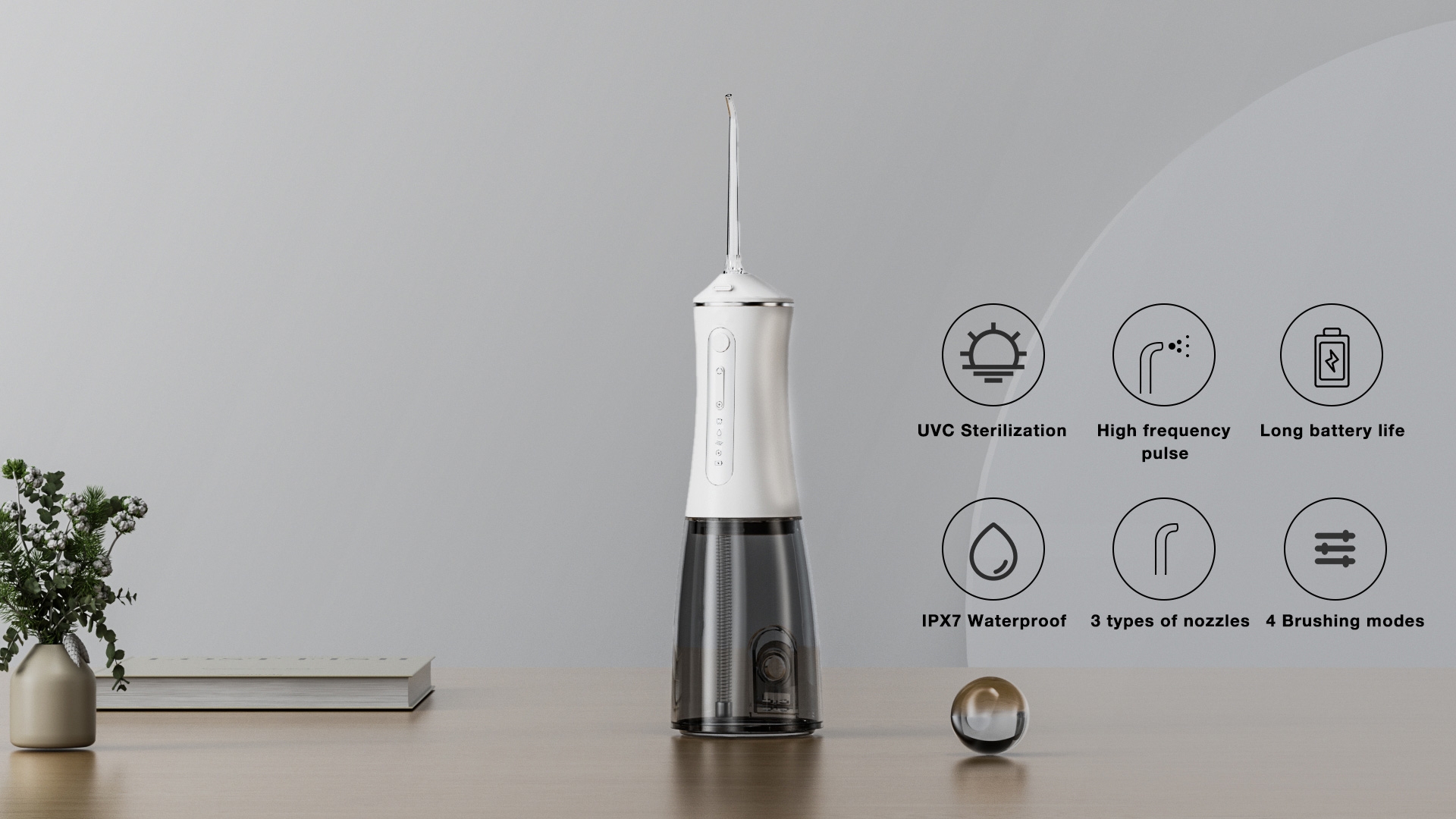
The gravity ball design of the dental flosser is a significant innovation that enhances the usability and performance of water flossers. This small yet effective component ensures a seamless cleaning experience, no matter the angle or position of the device. In this blog, we’ll delve into the key functionalities of the gravity ball design, why it matters, and how leading water flosser manufacturers integrate it into their products to deliver superior results. As an oral care products manufacturer with over 20 years OEM/ODM service experience, Powsmart is not only supply electric toothbrushes, UVC water flossers, but also producing the LED teeth whitening products. Ensuring Continuous Water Flow One of the primary functions of the gravity ball design of the dental flosser is maintaining a consistent water flow, regardless of the device's orientation. Traditional water flossers often struggle to draw water effectively when tilted, resulting in interrupted cleaning. The gravity ball acts as a movable weight within the reservoir’s intake tube, ensuring that the water intake point remains submerged. This feature allows users to reach difficult angles, such as the back molars, without sacrificing performance. Enhanced User Convenience The gravity ball design significantly improves user convenience by making water flossing more flexible. Users no…
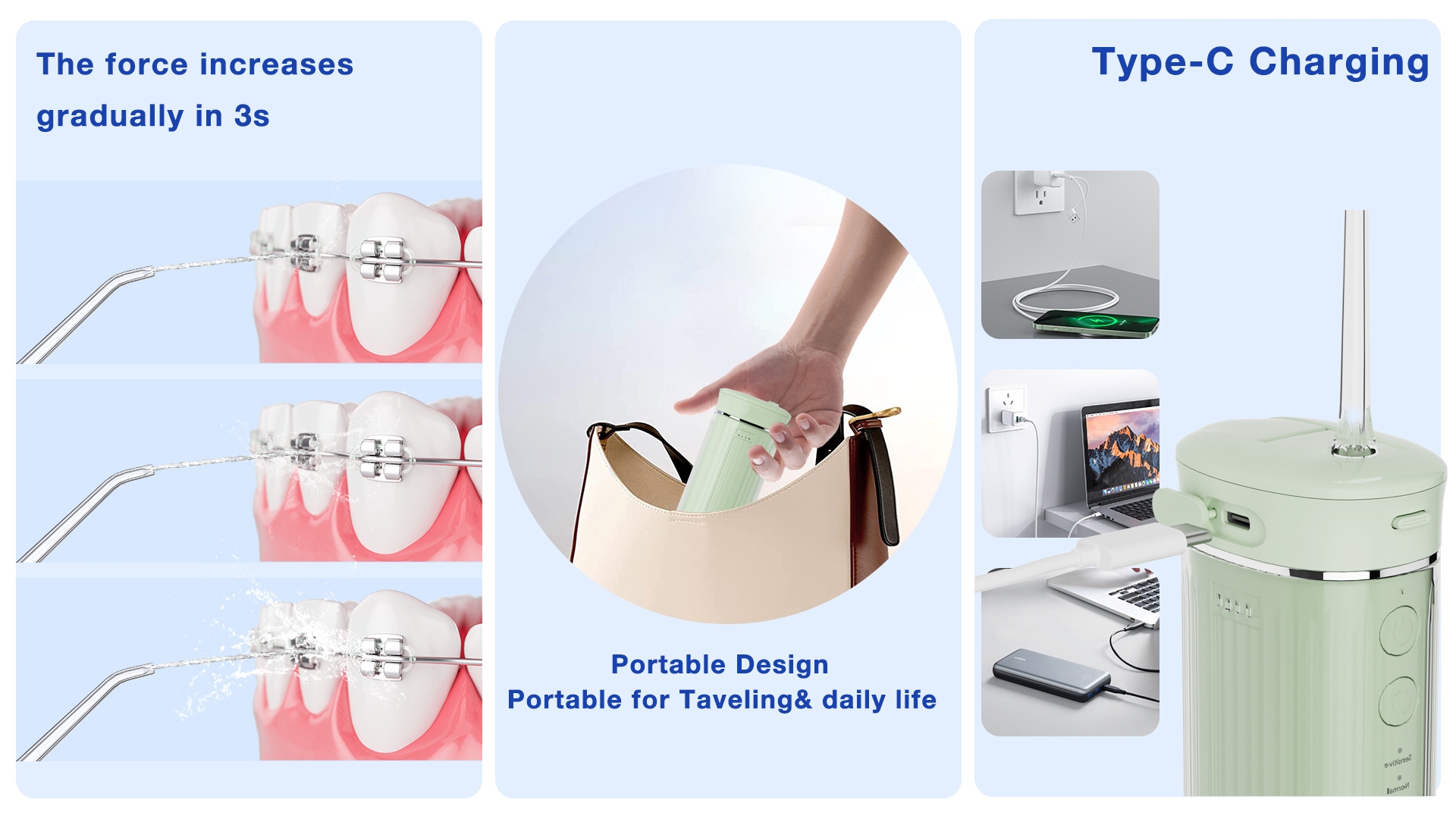
A water flosser is a game-changer for dental hygiene, helping to clean areas traditional floss cannot reach. However, with so many options available, how do you choose the best water flosser for your dental needs? In this guide, Powsmart is going to provide practical tips for choosing the best water flosser and explain how selecting the right product can transform your oral care routine. Understand Your Dental Needs Before choosing a water flosser, consider your specific dental requirements. Do you have braces, implants, or sensitive gums? For those with orthodontics, a model with specialized tips is ideal. If you have gum sensitivity, opt for a device with adjustable pressure settings. By identifying your unique needs, you can better determine the best water flosser for your dental needs. Powsmart offers different types of nozzles available for all of our UVC water flosser. Using a specific nozzles for each mouth type can greatly improve the efficiency of tooth cleaning. Key Features to Look For When evaluating water flossers, pay attention to features such as: Water Pressure Control: Ensures gentle yet effective cleaning. Tank Capacity: Larger water tanks reduce the need for frequent refills. Portability: A compact model is perfect for travel. Ease of Use: Simple controls and ergonomic design…
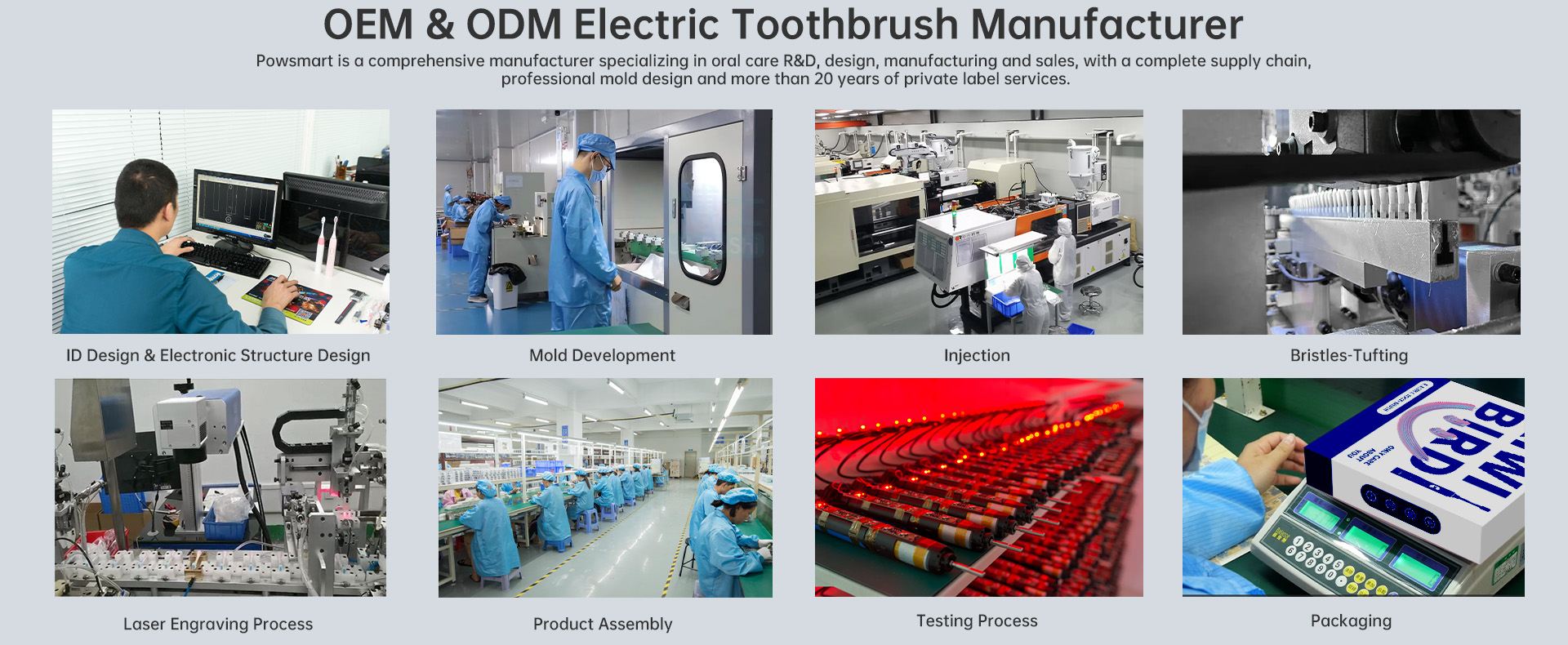
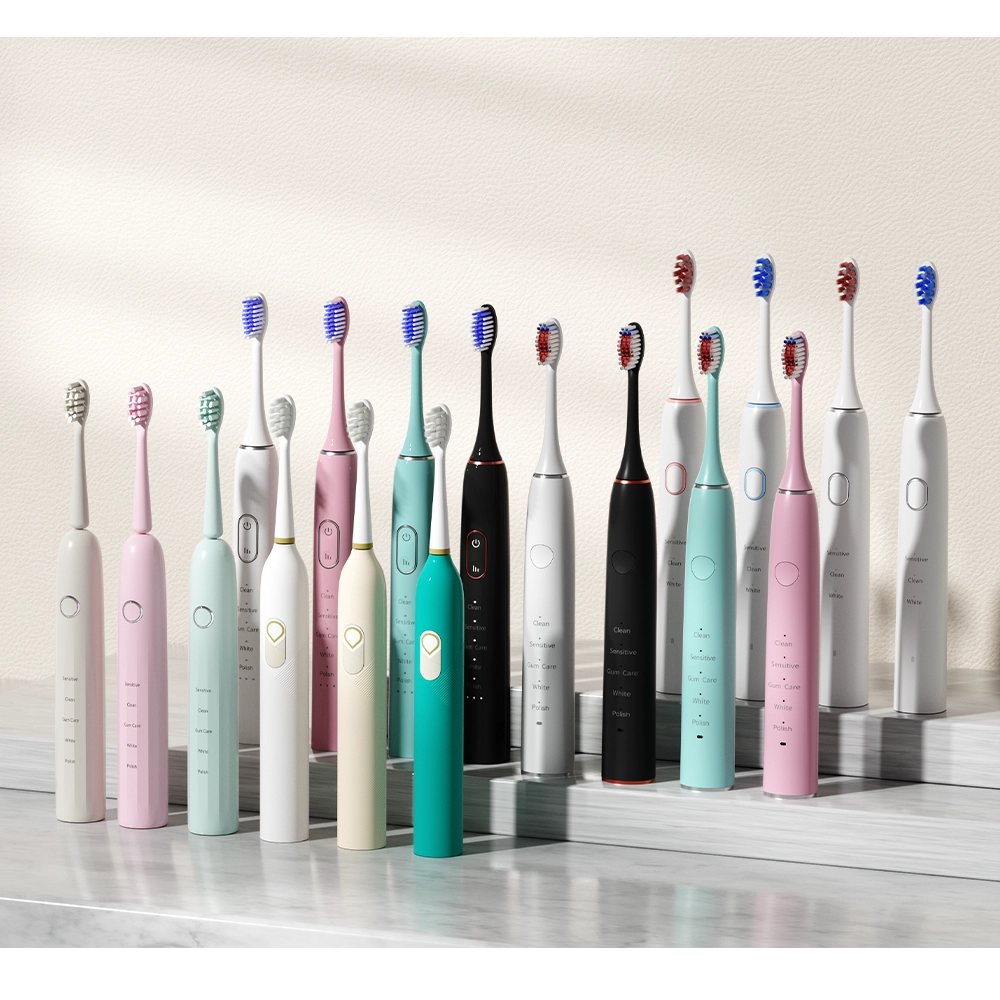
With increasing consumer awareness about dental health and rapid technological advancements, oral care manufacturers are set to play a pivotal role in shaping the future of the sector. As an experienced manufacturer with over 20 years OEM/ODM experience, let’s explore the key trends that will define the future of oral care industry with Powsmart from innovative products to sustainable practices. Personalized Oral Care Solutions The future of the oral care industry is increasingly leaning toward personalization. Consumers are seeking products tailored to their unique dental needs, such as tooth sensitivity, whitening, or gum health. Advances in technology, including AI and machine learning, allow oral care manufacturers to design customized solutions. For example, smart toothbrushes equipped with sensors can analyze brushing habits and provide real-time feedback, creating a personalized oral care experience. Besides, Powsmart is also offering one type of sweep sonic toothbrush, which is the replica of BASS brushing method. With this technology, cleaning capacity increased by more than 10 times. Sustainability in Oral Care Sustainability is no longer an option but a necessity. As environmental concerns grow, consumers are demanding eco-friendly products and packaging. Oral care manufacturers are responding by introducing biodegradable toothbrushes, toothpaste tablets, and refillable mouthwash containers. The shift toward…
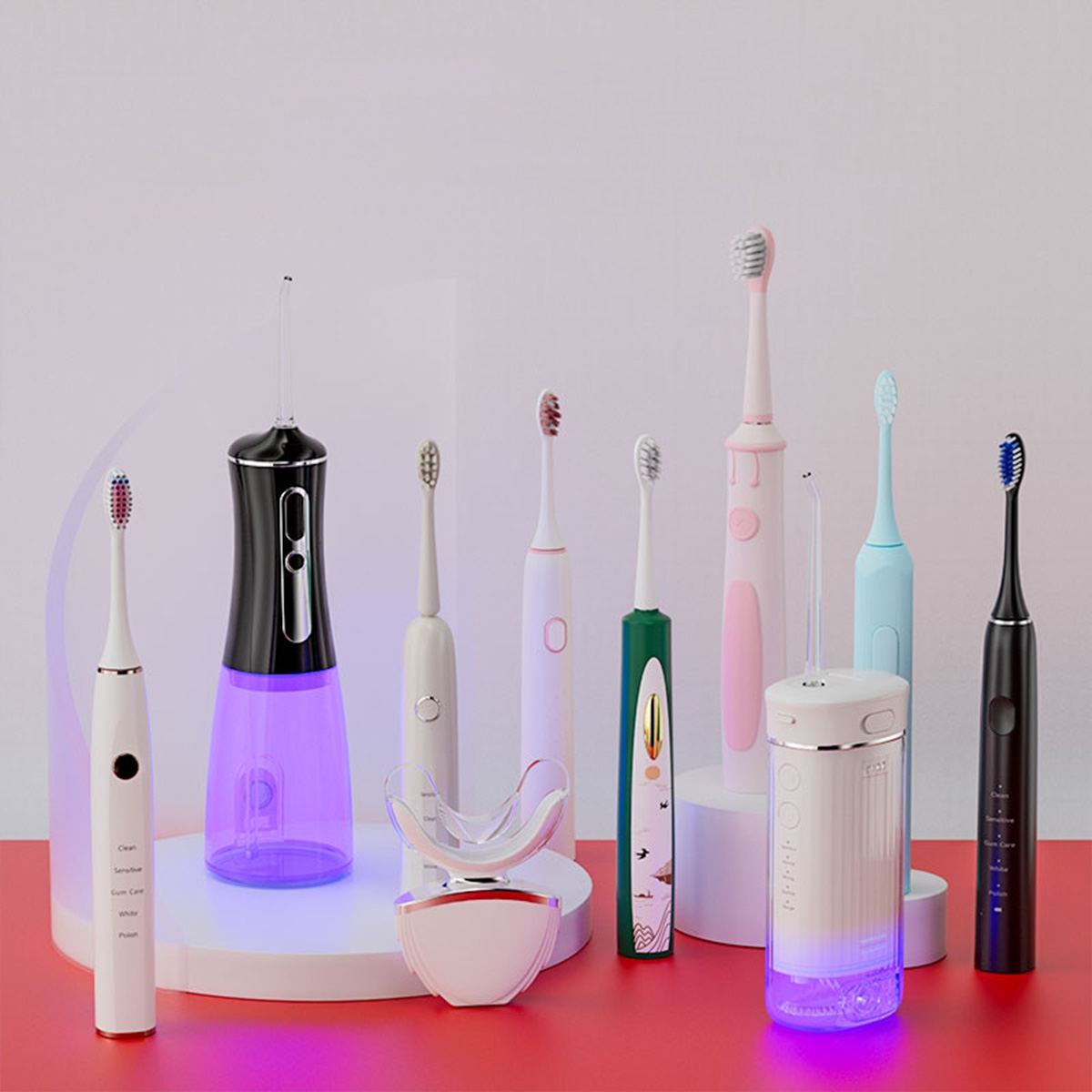
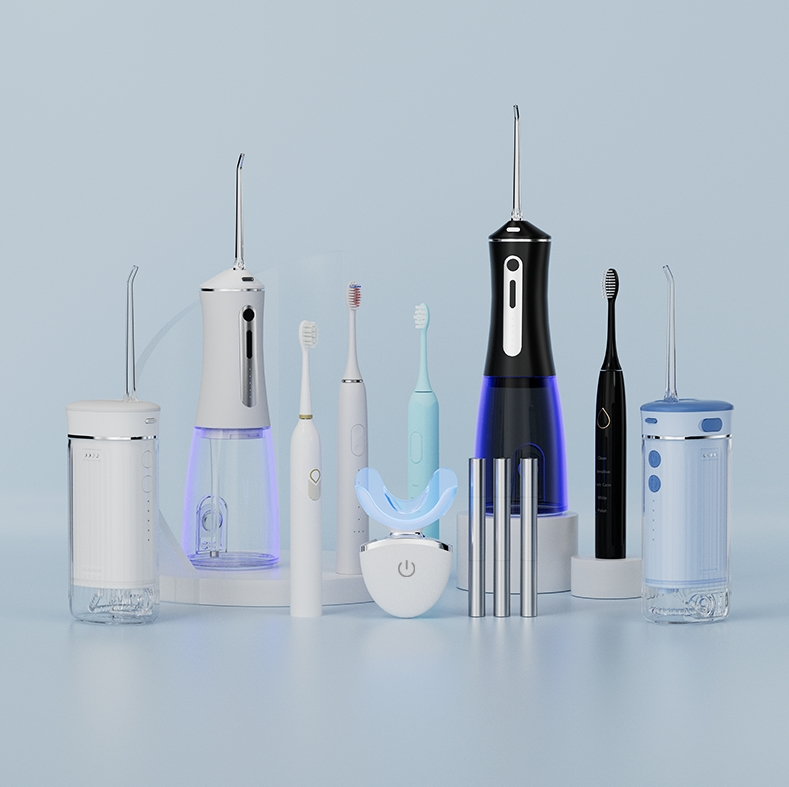
In today’s health-conscious consumer landscape, oral hygiene has become a key component of personal appearance and self-esteem. As a result, users are actively seeking advanced and effective oral care products that do more than just clean — they want solutions that help enhance their smiles and boost confidence. For oral care brand owners, this presents a significant opportunity: by Product Expansion Strategies, they can increase market share, improve customer satisfaction, and ultimately enhance brand influence. Leveraging Product Combination: Electric Toothbrush & Water Flosser One of the most effective strategies in oral care product expansion is the development of electric toothbrush and water flosser combination products. These dual-function devices meet comprehensive oral hygiene needs in one compact solution. Consumers value convenience and multifunctionality. This combination enhances daily cleaning routines by removing plaque and debris more thoroughly than brushing or flossing alone. Promoting such solutions allows brands to align themselves with modern lifestyles, reinforcing the idea of personal confidence enhancement through cleaner, healthier smiles. Customized Whitening Products for Targeted Segments Another high-potential product expansion path is the development of customized whitening products. Consumers are no longer satisfied with one-size-fits-all solutions — they are looking for personalization. Whitening pens, LED kits, and peroxide-free formulas are in…
When electric toothbrushes exhibit brush shedding—that is, filaments falling out prematurely—and simultaneous sensor failure, the problem may be deeper than just poor-quality materials. These two faults are often interconnected, and for B2B buyers sourcing private-label or OEM dental devices, the hidden risks behind such issues deserve close attention. This article explores six essential dimensions of this dual failure mode, and how manufacturers can proactively prevent it through better design, testing, and material selection. What Is Brush Shedding and Why Does It Matter? Brush shedding refers to the premature detachment of bristles from the brush head. In commercial-grade devices, shedding is more than a cosmetic or hygienic problem—it signals quality inconsistency, compromised bonding, or mechanical instability. Excessive shedding not only shortens product lifespan but can lead to consumer distrust, especially if loose filaments are swallowed or cause gum irritation. Furthermore, shedding can interfere with optical or pressure sensors inside the brush that rely on stable bristle density to gauge brushing force or angle. How Brush Shedding Leads to Sensor Malfunction The correlation between brush shedding and sensor failure lies in physical and signal disruption: Pressure Sensors: These sensors often rely on even force distribution through the bristles. As filaments fall out,…
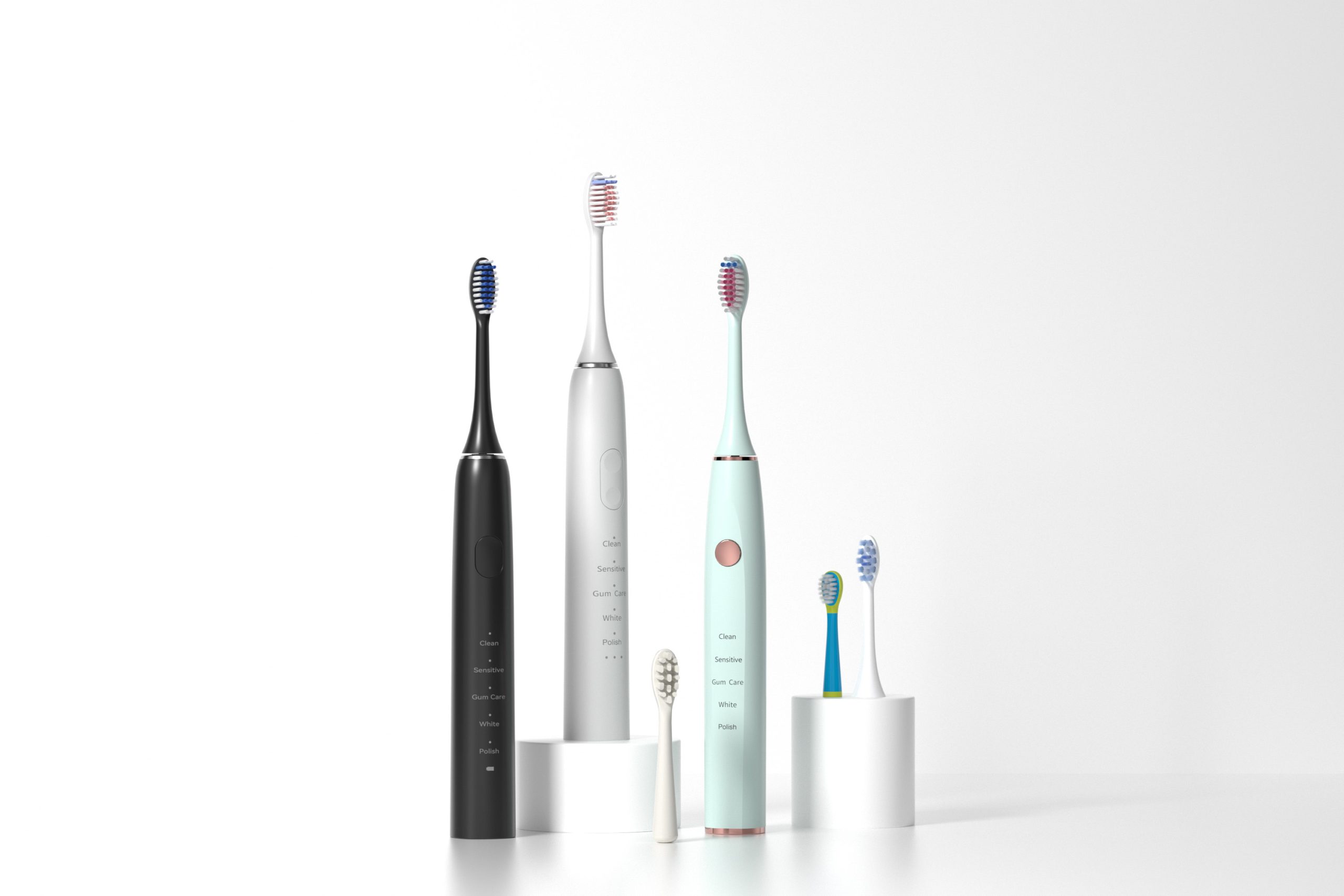
As electric toothbrushes become a standard in modern oral hygiene routines, quality control and product reliability have never been more critical. For oral care OEM partners, and especially for brands seeking factories, understanding common failure points and how to solve them is key to building strong, trustworthy products.This article offers a practical guide for brands & factories to troubleshooting electric toothbrush problems, helping improve production quality, reduce returns, and strengthen long-term customer satisfaction. Battery Life Issues: Why They Occur and How to Prevent Them One of the most frequent complaints in user feedback is related to battery life issues. Whether the toothbrush runs out of power too quickly or fails to hold a charge over time, battery reliability is critical for user retention. Key considerations for brands and factories: Use high-quality lithium-ion batteries from certified suppliers. Optimize PCB design for energy efficiency. Implement smart charging indicators and auto shutoff features to extend battery lifespan. Ensure your oral care OEM partner offers battery cycle testing during quality control. Waterproofing Standards: IP Rating is Not Optional Given the daily exposure to water and moisture, inadequate waterproofing can lead to product failures, electrical shorts, or even safety risks. Adherence to waterproofing standards—especially IPX7 or higher—is essential.…
In the realm of electric oral care devices and personal grooming tools, waterproof failure is more than a surface-level issue—it can directly result in circuit corrosion, often leading to total device failure. This hidden yet critical risk not only affects product durability but also damages brand credibility and increases after-sales costs. For OEM/ODM manufacturers, understanding how waterproof breaches evolve into irreversible electrical corrosion is vital for ensuring both product safety and long-term customer satisfaction. How Waterproof Failure Happens: The First Breach A device's waterproof design is meant to isolate sensitive internal components—particularly PCBAs, batteries, and motor drives—from moisture exposure. However, waterproof failure can stem from: Improper ultrasonic welding of the housing Defective sealing rings or poorly applied gaskets Microcracks due to drop impacts or thermal stress Assembly misalignment between structural parts Even a minor leak over time can allow vapor or condensation to enter the device’s interior—setting the stage for circuit corrosion. What Is Circuit Corrosion and Why Is It Fatal? Circuit corrosion refers to the gradual oxidation and chemical degradation of PCB traces, solder joints, and metallic components due to moisture, ions, or pH imbalance. Common signs include: Greenish or white buildup on circuit pads Erratic button or sensor…
.jpg)
Introduction: Battery Leakage in POWSMART Smart Toothbrush – A Real Concern? As the demand for high-performance oral care devices increases, the POWSMART Smart Rechargeable Toothbrush has emerged as a top-tier solution, offering advanced features like smart timers, adaptive brushing modes, and wireless charging. However, recent user feedback and technical audits suggest a less visible but significant issue—battery leakage. While often overlooked, this issue can compromise not just the functionality of the device but also user safety and brand integrity. For B2B manufacturers and OEM partners, recognizing and resolving this risk early is critical to quality assurance and customer retention. Battery Leakage: What Is It and Why It Matters Battery leakage occurs when a rechargeable cell begins to break down chemically, releasing corrosive fluids or gases. In the case of the POWSMART Smart Rechargeable Toothbrush, such leakage may be subtle but destructive over time, potentially affecting: Internal circuitry Charging efficiency Waterproof sealing User safety (e.g., skin or mucosal irritation) When left unaddressed, battery leakage becomes a silent failure mode that erodes consumer trust and leads to costly warranty claims. Common Causes Behind Battery Leakage in Smart Toothbrushes Understanding the root causes is essential to prevent recurrence. Key contributors include: Overcharging due…


.jpg)
.jpg)
.jpg)
.jpg)
.jpg)



.jpg)