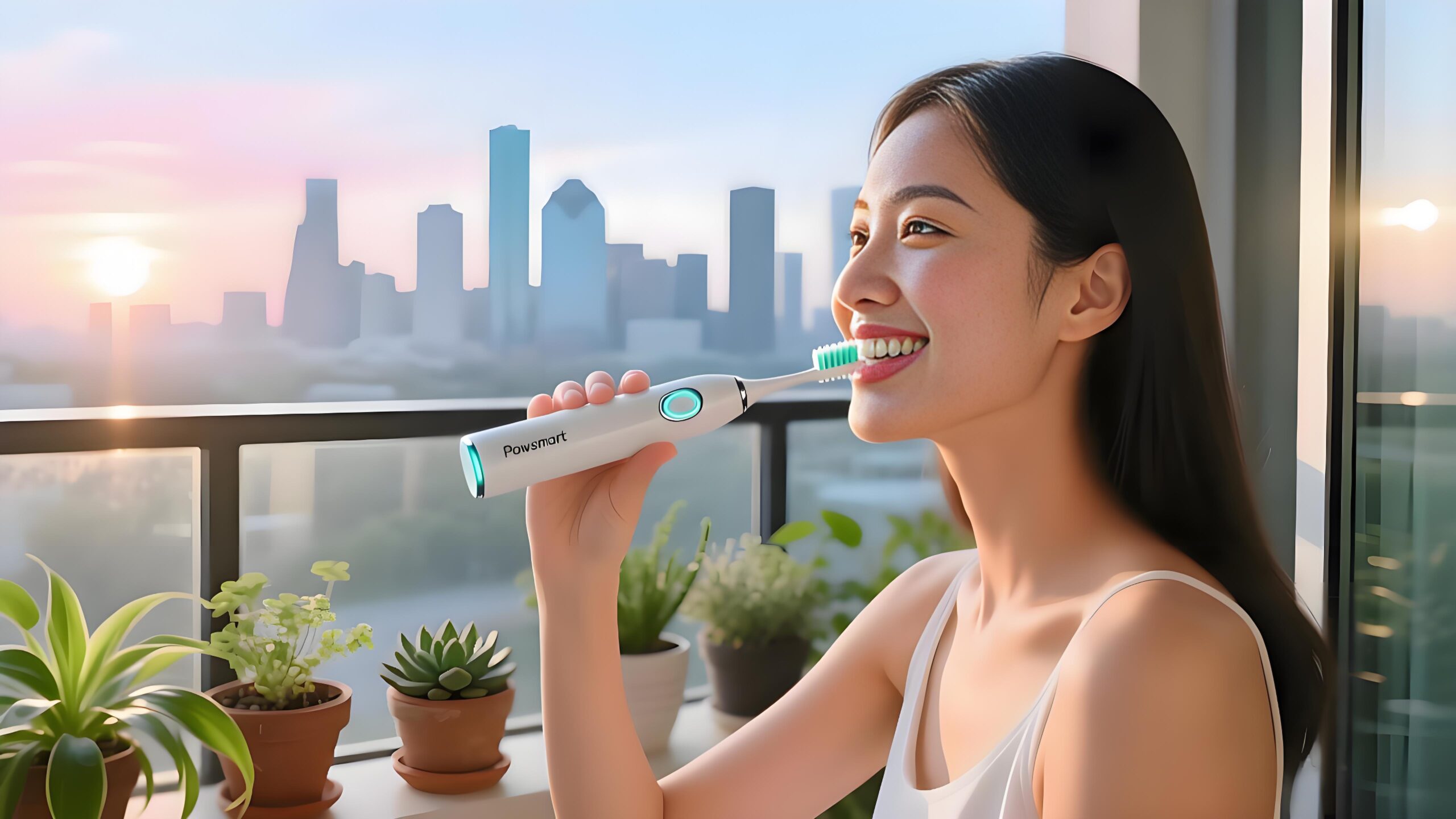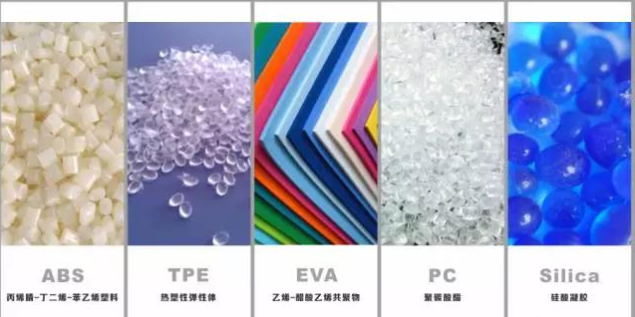
When it comes to oral care products, safety and compliance are paramount. Whether you're developing an electric toothbrush, a water flosser, or an LED teeth whitening device, ensuring your products adhere to Cosmetic Product Safety Report (CPSR) guidelines is essential for meeting regulatory standards and building consumer trust. This blog explores the CPSR material list and its importance in oral care product development. What Is a CPSR Material List? The CPSR material list is a comprehensive document that outlines all ingredients, materials, and components used in a product. For oral care products, this list ensures that every component meets the required safety standards for consumer use. By compiling this list, manufacturers can verify the safety and regulatory compliance of their products, minimizing risks and enhancing customer confidence. Why Is a CPSR Material List Important for Oral Care Products? Oral care products are in direct contact with sensitive areas, such as teeth, gums, and oral mucosa. Any unsafe materials can lead to health risks. The CPSR material list helps: Ensure ingredients are non-toxic and safe for oral use. Validate compliance with international and regional safety regulations. Provide a foundation for product certification and market approval. From the bristles of an electric…
.jpg)
In the competitive market of teeth whitening products, balancing aesthetic effectiveness with oral health safety is crucial. But manufacturers and brands must ask: is the promise of dazzling white teeth worth the potential overbleaching risk and the threat of gum recession? As OEM and ODM suppliers, recognizing the fine line between performance and user safety is vital to product design and long-term market success. What Is Overbleaching and Why Is It a Risk? Overbleaching risk refers to the excessive use or strength of whitening agents—typically hydrogen peroxide or carbamide peroxide—that penetrate beyond the enamel surface. While this may yield rapid whitening results, it can also: Cause enamel thinning; Increase tooth sensitivity; Lead to long-term structural damage. The risk becomes greater with poorly formulated gels, incorrect user guidance, or malfunctioning application devices, such as overactive LED trays or poorly timed delivery systems. How Overbleaching Contributes to Gum Recession More alarming is the connection between overbleaching risk and gum recession. Aggressive whitening agents can: Irritate gingival tissues if gel leaks onto the gums; Trigger inflammation that weakens gum attachment; Lead to gradual shrinkage of the gum line, exposing the tooth root. This not only results in discomfort and sensitivity but also opens…
.jpg)
In recent years, the boundary between beauty and personal health has become increasingly blurred. Beauty equipment brand known for facial cleansing tools, anti-aging devices, and skin rejuvenation systems are beginning to explore new territories — particularly the high-growth field of oral care expansion. With rising awareness of aesthetic dentistry and smile appearance, dental beauty trends are evolving rapidly. But is it a logical next step for beauty brands? Let’s explore. Market Potential: Oral Care as a Natural Next Step The market potential for oral care is significant. According to recent industry data, the global oral care market is going to surpass $50 billion by 2030, driven by increasing demand for aesthetic and health-conscious solutions. Consumers are no longer satisfied with basic dental hygiene; they now seek whitening, plaque removal, gum massage, and even oral beauty devices that align with their overall self-care routines. This growing demand opens a strategic path for beauty equipment brands to leverage their expertise and move into the adjacent oral care space. Trends Driving Demand: Where Beauty Meets Dental Health The convergence of beauty and dental care is evident in several key dental beauty trends: At-home teeth whitening devices are now considered part of a beauty regimen, not just a dental…
The modern oral care market is shifting rapidly toward custom dental tech and personalized user experiences. Consumers no longer want a “one-size-fits-all” electric toothbrush—they expect devices that adapt to their habits, sensitivities, and lifestyles. As such, multiple cleaning modes have become a key differentiator for brands entering or expanding in the electric toothbrush market. For brands looking to develop their own product line, understanding the available Electric toothbrush OEM options—especially around brushing modes—is essential. This blog outlines what brushing modes are, how they enhance user value, and what to look for in a reliable OEM electric toothbrush manufacturer. Understanding Electric Toothbrush Brushing Modes Electric toothbrush brushing modes refer to the programmed speed, intensity, and motion patterns that target different oral care needs. The most commonly offered modes include: Clean mode: Standard high-speed brushing for everyday plaque removal. Sensitive mode: Reduced speed and vibration for users with sensitive teeth and gums. Whitening mode: Pulsating motion to remove surface stains and polish enamel. Gum care mode: Gentle massage function to stimulate gums and improve circulation. Deep clean mode: Extended cycle with increased power for areas that need focused cleaning. For a brand, including multiple cleaning modes can broaden the product’s appeal and allow for more competitive positioning…
Many consumers report oral ulcers, heightened teeth sensitivity, or even allergy reactions after using over-the-counter whitening kits. While whitening agents aim to brighten smiles, their chemical action and delivery methods can inadvertently damage oral tissues. Below, we explore six critical factors manufacturers should address to minimize ulcer risk and ensure partner confidence in your whitening solutions. Chemical Irritants and Tissue Breakdown Firstly, the active bleaching agents—typically hydrogen peroxide or carbamide peroxide—can irritate mucosal cells: pH Imbalance: Highly acidic or alkaline gels disrupt the oral mucosa’s protective barrier, leading to microabrasions. Free Radical Damage: Overproduction of oxidative species can injure epithelial cells, initiating oral ulcers. Prolonged Exposure: Leaving gel in contact beyond recommended 15–20 minutes exacerbates tissue breakdown. Recommendation: Formulate gels at neutral pH and include antioxidants to buffer free radicals. Delivery Method and Mechanical Trauma Next, the way whitening gel is applied influences ulcer risk: Custom Trays vs. Strips: Poorly fitting trays can press gel against non-tooth surfaces, causing friction sores. Razor-Thin Strips: Thin film may migrate under the lip or between teeth, irritating soft tissue. Brush-On Pens: Misapplied droplets on gingival margins can burn delicate mucosa. Recommendation: Develop anatomically contoured trays with soft-edge seals and clear application markers to…
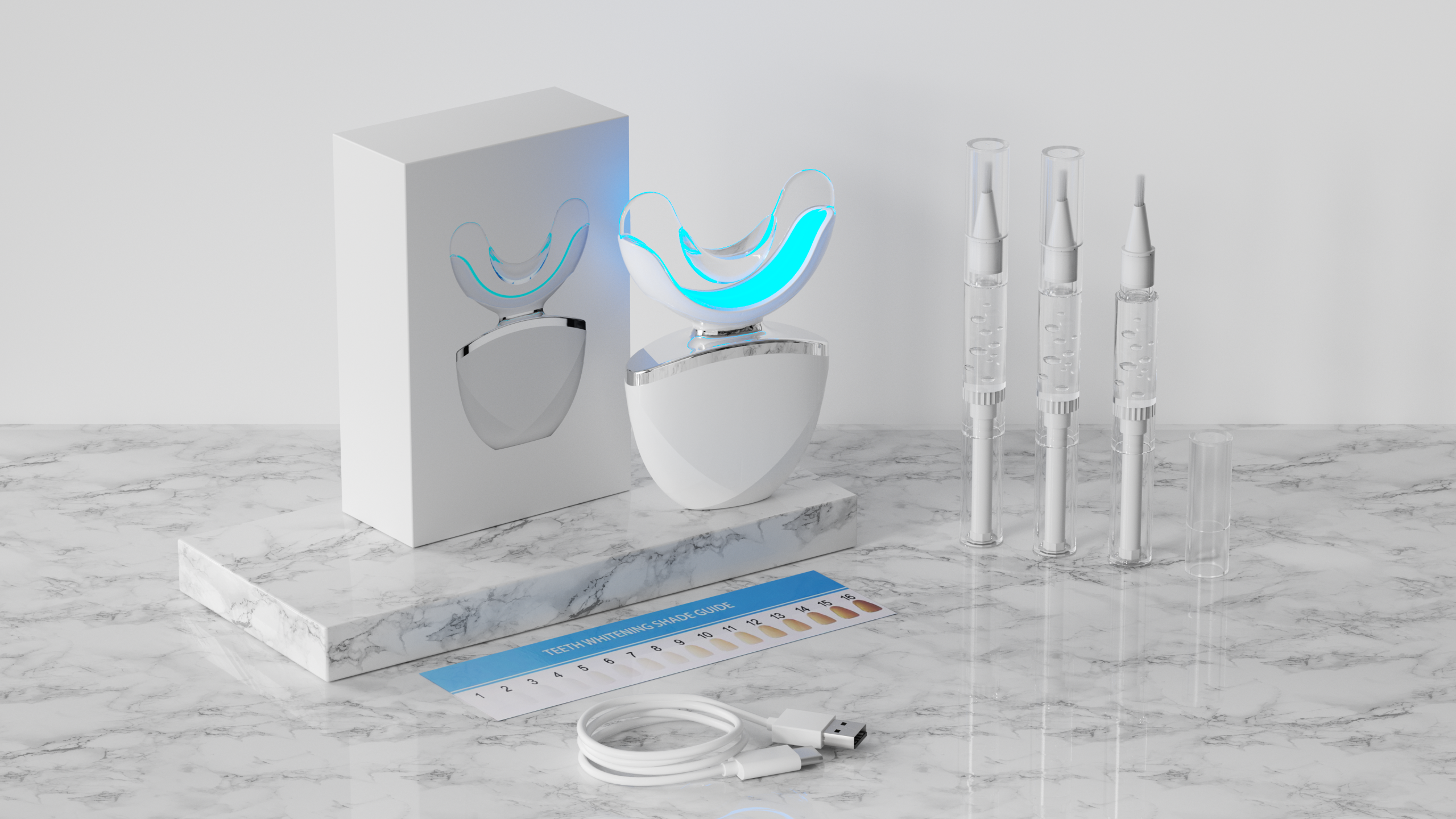
In recent years, the oral care segment has seen a surge in demand for home teeth whitening devices, driven by the consumer’s growing attention to aesthetics, health, and self-image. The market potential and growth of home teeth whitening continues to expand as consumers increasingly prefer at-home solutions that are both cost-effective and convenient. For oral care product brands, understanding what drives this trend — particularly the consumer psychology behind it — is essential. From a strategic oral care products factory perspective, aligning with these consumer needs opens up new avenues for product development, innovation, and market penetration. Understanding the Consumer Psychology: More Than Just White Teeth Personal confidence enhancement: A whiter smile is strongly associated with attractiveness, youthfulness, and professional appeal. Consumers believe that improving their teeth color can boost their self-confidence and social presence. Social media influence: In the age of selfies and video calls, visible appearance — especially smiles — has become a focus area for consumers of all ages. Health association: Many consumers equate white teeth with good health, even if that perception is largely aesthetic. These emotional motivators play a critical role in purchase decisions. Brands that tap into this mindset can better position their products for long-term success.…
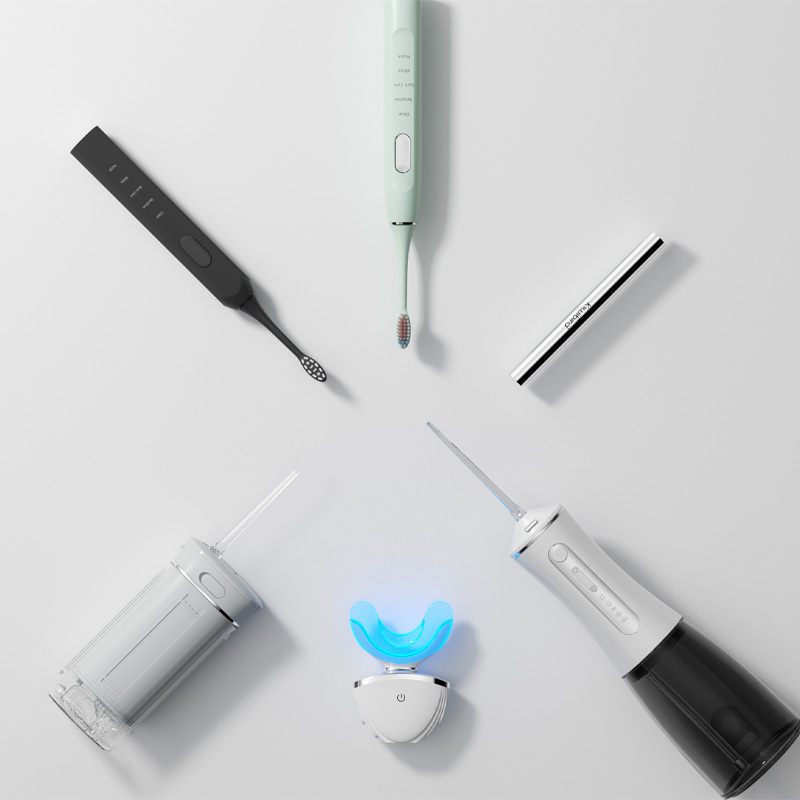
In today’s competitive personal care market, consumer interest is shifting from single-function devices to comprehensive solutions. The rise of Electric Toothbrush & Whitening Device Combos is a direct response to this trend, offering both daily dental hygiene and cosmetic enhancement in one convenient package. For oral care brands, exploring this category presents a lucrative opportunity to stand out in a crowded space. This blog will explore the market potential of combo products, highlight the advantages of cross-selling, and provide tips for growing consumer demand, with a focus on how brand owners can leverage strategic manufacturing partnerships to bring these oral care kits to market effectively. Why Combo Products Are Gaining Momentum The modern consumer seeks value, efficiency, and results—and bundled oral care kits deliver just that. A package that includes an electric toothbrush and a teeth whitening device fulfills two essential functions: Daily cleaning (via electric toothbrush) Aesthetic enhancement (via whitening system) This dual-purpose value proposition is resonating with health- and beauty-conscious consumers, especially among millennials and Gen Z. Brands that offer oral care kits can tap into both the hygiene and beauty markets simultaneously, dramatically expanding their customer base. Market Potential of Electric Toothbrush & Whitening Device Combos According to recent market analysis, global…
When performing cold-light whitening treatments, many manufacturers focus solely on stain removal efficiency, overlooking the hidden cold-light risks: high-energy blue light combined with peroxide can accelerate enamel wear, especially if pregnancy contraindications are ignored. Below, we examine six dimensions of how cold-light treatments impact enamel and outline safety strategies. Cold-Light Mechanism and Risk Factors First, it’s essential to understand how cold-light whitening works and where the risks lie: Blue-Light Activation: Devices emit 420–450 nm light to activate peroxide’s free radicals. Pigment Breakdown: Free radicals oxidize and lighten tooth stains. Micro-Crack Formation: Excessive intensity or duration can induce tiny surface cracks—one of the primary cold-light risks. Thus, precisely controlling light intensity and exposure time is the first line of defense against enamel damage. Bleach Concentration and Chemical Erosion Next, peroxide concentration interacts synergistically with blue light: High-Strength Gels: Faster whitening comes at the cost of greater chemical erosion of the enamel surface. Structural Fatigue: Repeated oxidation causes micro-expansion and contraction, weakening the enamel matrix. Decalcification Spots: Over-aggressive formulas can leave white spot lesions or sensitivity. Balancing bleaching efficacy with enamel preservation is critical during formula development. Company web: https://www.powsmart.com/product/electric-toothbrush/ Exposure Patterns and Thermal Stress Moreover, the light delivery pattern greatly affects fatigue…

In today's image-driven society, oral care is no longer just about hygiene—it's about personal confidence enhancement. A bright, healthy smile improves not only dental health but also how we carry ourselves in professional and social settings. From a factory perspective, oral care product manufacturers must understand that users are now seeking both functional effectiveness and emotional satisfaction—especially in home teeth whitening devices and everyday oral tools. The Psychological Power of a Bright Smile A radiant smile often serves as an instant confidence booster. The teeth whitening effect is not just cosmetic—it supports the idea of being your best self. In fact, many consumers embrace whitening as part of a broader lifestyle trend tied to the idea of being kind to oneself. Offering reliable whitening results can significantly enhance product value and brand reputation. For brands, choosing a manufacturer that specializes in effective whitening technology—whether through LED-based devices, safe peroxide formulas, or sonic-powered toothbrushes—can make or break product success. High-Level Appearance Design as a Strategic Differentiator Today’s consumers judge a product first by its look and feel. High-level appearance design is no longer a luxury—it's a necessity. The design of oral care products, from sleek electric toothbrush handles to premium packaging for whitening kits,…
1-scaled.jpg)
Over the past few years, consumer interest in cosmetic oral care has surged, with at-home teeth whitening leading the trend. Fueled by social media, lifestyle aesthetics, and accessible technology, Growing Demand for at-home teeth whitening products presents a significant opportunity for oral care brands seeking to expand their product lines. This blog explores the key drivers of this demand, and how brands can respond effectively — especially by finding the right whitening factory or OEM/ODM manufacturing partner. Market Dynamics: Understanding the Teeth Whitening Boom The global teeth whitening market is expected to grow steadily, driven by: The rising influence of appearance-driven consumption. Greater consumer confidence in at-home teeth whitening technologies. Increasing awareness of cosmetic oral care routines.According to industry data, the segment of home-use whitening kits is outpacing professional in-clinic treatments in both growth rate and accessibility, making it a must-have in any brand’s product portfolio. What Consumers Want: Efficacy, Convenience, and Aesthetic Appeal Today's users are looking for: Safe and effective whitening formulas with visible results. Easy-to-use devices (e.g., LED whitening trays, pens, strips). Products that match their lifestyle — minimal time, maximal results.These demands are reshaping how cosmetic oral care products are formulated, packaged, and marketed. Brands that can deliver a premium at-home whitening experience…

Oral hygiene is an essential aspect of our daily routine that requires attention and care. With the advent of technology, electric toothbrushes have revolutionized the way we brush our teeth.The traditional manual toothbrush has been replaced by high-tech electric toothbrushes that offer a range of features to ensure a thorough and personalized cleaning experience.At Powsmart, we have taken the technology to the next level by incorporating state-of-the-art features that set us apart from other electric toothbrush manufacturers.Let's explore the advanced bristle technology, smart sensors, long-lasting battery life, wireless connectivity, customizable brushing modes, quiet operation, easy-to-use design, and compatibility with multiple brush head types in detail.Powsmart can custom electric toothbrush and private label electric toothbrush allow you to have complete control over the design, from the handle shape to the bristle type.Advanced Bristle TechnologyOur electric toothbrushes come with advanced bristle technology that ensures a deep and thorough cleaning experience. The bristles are made of high-quality materials that are gentle on the teeth and gums while effectively removing plaque and debris. The bristle technology includes different types of bristle patterns and shapes that cater to specific cleaning needs. For example, our toothbrushes come with diamond-shaped bristles that are designed to clean hard-to-reach…
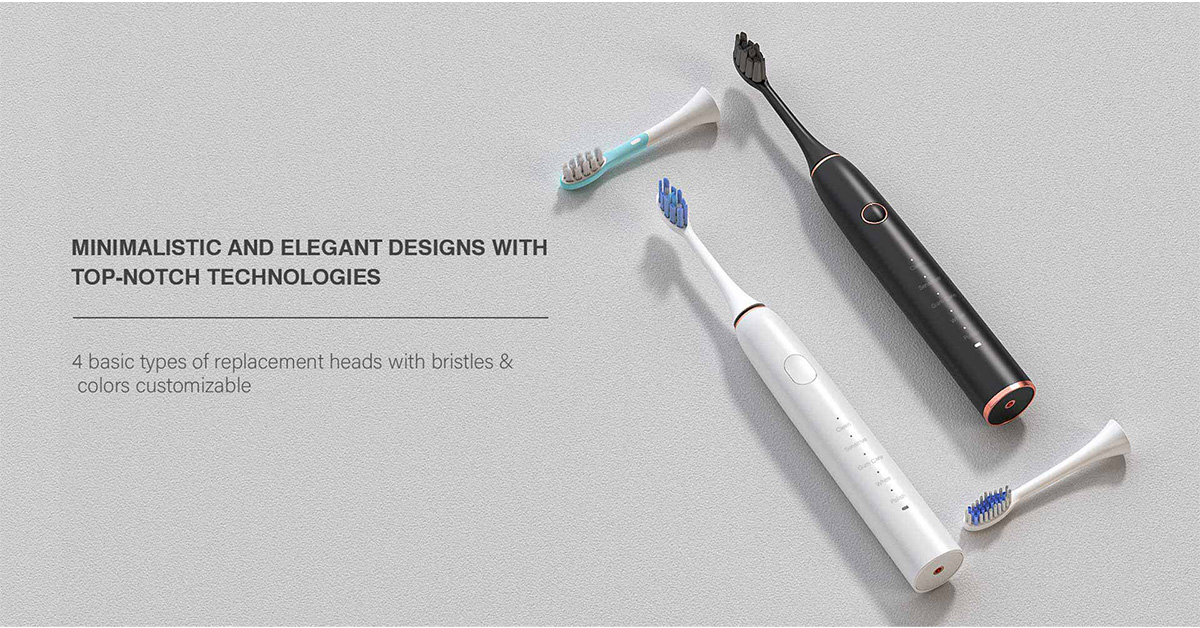
Electric toothbrushes are an important tool for our daily oral cleaning. Do you know the evolution Customized electric toothbrush manufacturer from China, supplying quick shipping, samples instantly. Contact for prompt quotes!? The electric toothbrush was first invented by a Swiss doctor and has a history of more than 60 years. Its working principle is to use a high-speed vibrating movement to drive the brush head to rotate or vibrate, thereby achieving the effect of cleaning teeth. Development process In 1938, DuPont Chemical launched a new toothbrush that used synthetic fibers instead of animal hair. The product continues to this day. After that, A Swiss doctor (Dr. Woog) invented a corded electric toothbrush for patients with hand defects in 1954. This was the predecessor of many electric toothbrushes currently on the market. In 1960, General Electric improved the corded electric toothbrush and introduced it to the market for commercial promotion. In 1992, the first sonic toothbrush, Sonicare, was launched. echnological innovation and market expansion In the 1990s, electric toothbrush manufacturing began to gradually develop towards intelligence and efficiency. Many brands have begun to introduce sonic technology, which significantly improves the cleaning effect. According to research, sonic electric toothbrushes improve cleaning performance…
In recent after-sales analysis reports, tray deformation has emerged as a hidden factor contributing to occlusal discomfort during whitening or oral treatment sessions. This issue is often underestimated by manufacturers, yet it directly affects end-user comfort and brand reputation. Can tray deformation be effectively controlled and corrected? Let’s explore the technical answers. Understanding Tray Deformation: Why It Happens Tray deformation typically refers to structural distortion of whitening trays or oral treatment mouthpieces during production, storage, or use. Common causes include: Inadequate material selection with low heat resistance Poor mold design lacking uniform wall thickness Warpage due to uneven cooling during injection molding Residual stresses from suboptimal demolding or handling Improper tray storage leading to mechanical distortion These deformations compromise tray fit, leading to pressure points inside the mouth. How Deformed Trays Cause Occlusal Discomfort Occlusal discomfort arises when the bite force is unevenly distributed due to ill-fitting trays. Specifically: Warped trays apply uneven contact force on teeth and gums Users experience bite misalignment or pressure imbalance Longer wear sessions amplify tissue strain and discomfort In severe cases, jaw fatigue and temporomandibular joint (TMJ) irritation occur Ultimately, tray deformation transforms a comfort-based treatment into a painful experience. Company web:https://www.powsmart.com/product/electric-toothbrush/ Design Flaws…
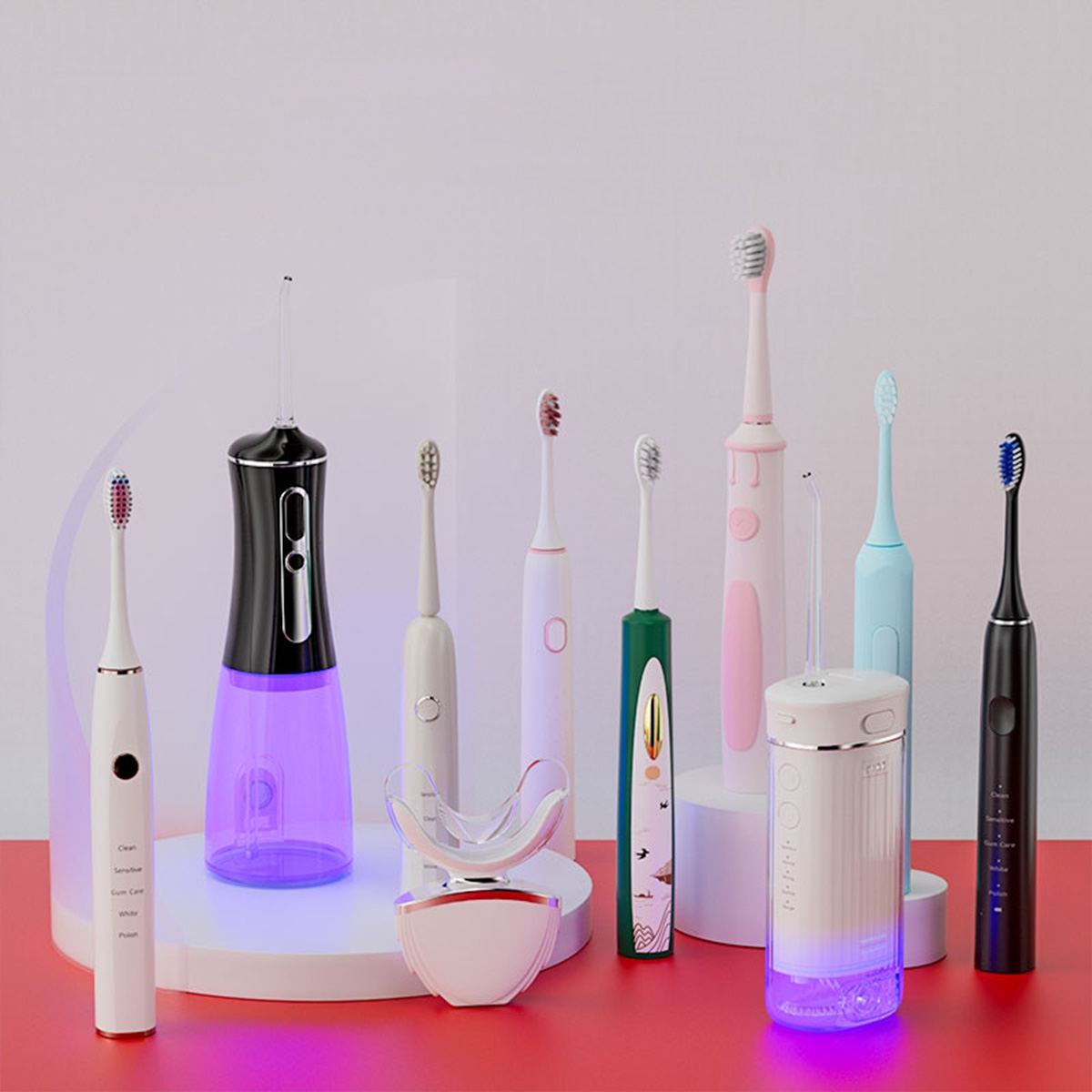
In today’s competitive personal care market, consumers are increasingly drawn to solutions that offer both effectiveness and convenience. For oral care brands, bundling products like teeth whiteners and high-quality toothbrushes into thoughtfully curated oral care combos represents a powerful strategy to deliver higher-value offerings. Not only does this approach increase consumer satisfaction, but it also opens new growth avenues for brand owners—especially when working with experienced, scalable manufacturers.This blog explores why toothbrush product bundles that include whitening kits are on the rise, and how oral care brands can leverage these bundles to gain market share and maximize customer lifetime value. Market Demand: The Rise of Whitening and Value-Driven Oral Care The global demand for teeth whitener products continues to rise, driven by consumers’ desire for a brighter smile and self-confidence. Simultaneously, users seek more comprehensive and time-efficient oral care routines. Whitening is no longer a luxury; it’s part of many consumers’ daily hygiene. Consumers prefer whitening kits that pair easily with their brushing habits. The popularity of subscription-based or e-commerce oral care brands further drives the need for oral care combos that offer visible results and routine integration. Benefits of Product Bundles: More Than Just Convenience Bundling a toothbrush with a teeth whitener delivers value on multiple levels:…
.jpg)
China Factory & Manufacturer for Electric Toothbrush Brands in Illinois Are you an electric toothbrush brand or retailer in Illinois looking for a reliable, high-quality, and cost-effective supplier? Powsmart, a premier electric toothbrush factory and manufacturer based in China, offers professional OEM/ODM services to meet the growing demand in the Illinois market. While the products are manufactured in our state-of-the-art Chinese facilities, we specialize in supplying the United States, specifically Illinois, including cities like Chicago, Aurora, and Naperville. As a trusted Chinese manufacturer, we ensure that all our products meet international quality and safety standards, providing Illinois-based businesses with competitive wholesale pricing without compromising on features. Why Source Electric Toothbrushes from Powsmart? Powsmart combines innovative technology with rigorous quality control to produce electric toothbrushes that rival leading brands. Here are the key advantages of partnering with us: Advanced Sonic Technology Our electric toothbrushes feature high-frequency sonic vibrations (up to 40,000 strokes per minute) that effectively remove plaque and promote gum health. Long-Lasting Battery Life Enjoy up to 30 days of use on a single charge (based on standard usage twice daily), making our products ideal for busy consumers. Multiple Cleaning Modes Choose from modes like Clean, White, Sensitive, and Gum Care to cater…
When examining the design of an electric toothbrush, one may notice a curious detail: the gap between the toothbrush head and the handle. While it might seem like a flaw or oversight, this small but intentional design feature serves critical purposes. In this article, we’ll delve into the reasons behind the gap, its role in the electric toothbrush structure, and why it benefits both functionality and hygiene.https://www.powsmart.com/product/electric-toothbrush/ Facilitating Optimal Movement The primary reason for the gap is to accommodate the dynamic movement of the toothbrush head. Unlike manual toothbrushes, electric toothbrushes rely on motorized mechanisms to provide oscillations, vibrations, or rotations. The gap between the toothbrush head and the handle allows the head to move freely without obstruction, ensuring maximum efficiency in cleaning teeth. Without this space, the head’s motion could be hindered, reducing the brush’s overall performance. Reducing Wear and Tear High-frequency motion during use is one of the greatest features for electric toothbrush. The gap acts as a buffer zone, preventing excessive friction between the head and the handle. This design prolongs the lifespan of the device by minimizing the wear and tear on both components, ensuring users get the most value out of their investment. Enhancing Hygiene…
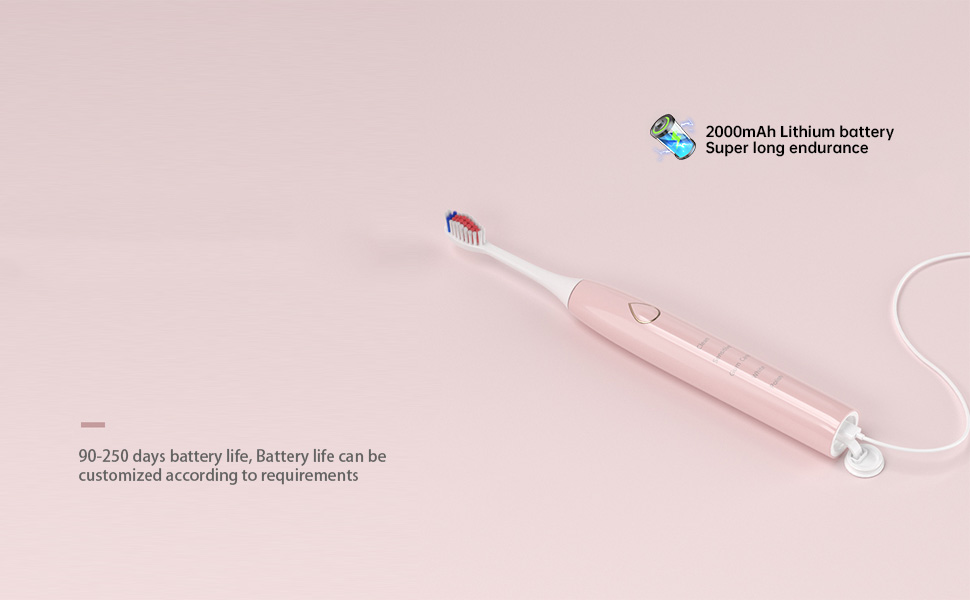
Understanding the Complexities of Pricing Electric Toothbrushes The market for electric toothbrushes has grown substantially over the last decade, driven by innovations in technology and increasing consumer awareness of dental hygiene. However, while the demand for these products is rising, manufacturers face the tricky challenge of setting a price that not only reflects the true value of the product but also aligns with market expectations. Developing a pricing strategy electric toothbrushes requires balancing multiple factors, such as manufacturing cost and market positioning. In this blog, we will explore the key considerations that go into pricing these essential consumer products. The Impact of Manufacturing Cost on Pricing Decisions The manufacturing cost is one of the most significant factors affecting the pricing of any product, and electric toothbrushes are no exception. From the development of the brush heads to the integration of smart technology features (such as pressure sensors or Bluetooth connectivity), every component of the toothbrush affects production costs. As manufacturers, it is crucial to assess the cost of raw materials—plastic, metals, and electronic components—as well as labor and operational costs to determine a baseline price. Any decision regarding pricing strategy for electric toothbrushes must account for these foundational costs to ensure profitability while…
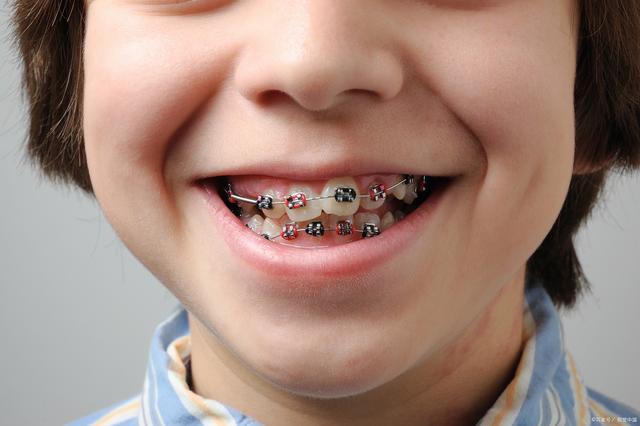
Electric toothbrushes have revolutionized modern oral hygiene. Among them, the rotating electric toothbrush stands out for its widespread use and affordability. However, behind its popularity lies a growing concern: the harm of rotating electric toothbrushes to the oral cavity. From an electric toothbrush factory’s perspective, understanding these risks is essential — not only for developing safer products but also for guiding oral care brands in selecting the right designs for their markets. This article explores the pros and cons of different types of electric toothbrushes, especially the rotating kind, and how brands can make more informed decisions. Understanding Rotating Electric Toothbrush Technology Rotating electric toothbrushes use a circular motion to mechanically remove plaque. Their mechanism is often simpler and more aggressive than sonic or ultrasonic alternatives. While they offer decent cleaning performance, they lack the finesse needed for sensitive gums and enamel. Common Characteristics: Bristle heads that rotate at a fixed speed Usually affordable and widely distributed Basic technology compared to high-frequency models While effective at plaque removal, they can be harsh on the oral cavity, especially when used improperly or for extended periods. The Harm of Rotating Electric Toothbrushes to the Oral Cavity Many dentists and dental researchers have raised…


.jpg)
.jpg)
.jpg)
.jpg)
.jpg)



.jpg)
.jpg)