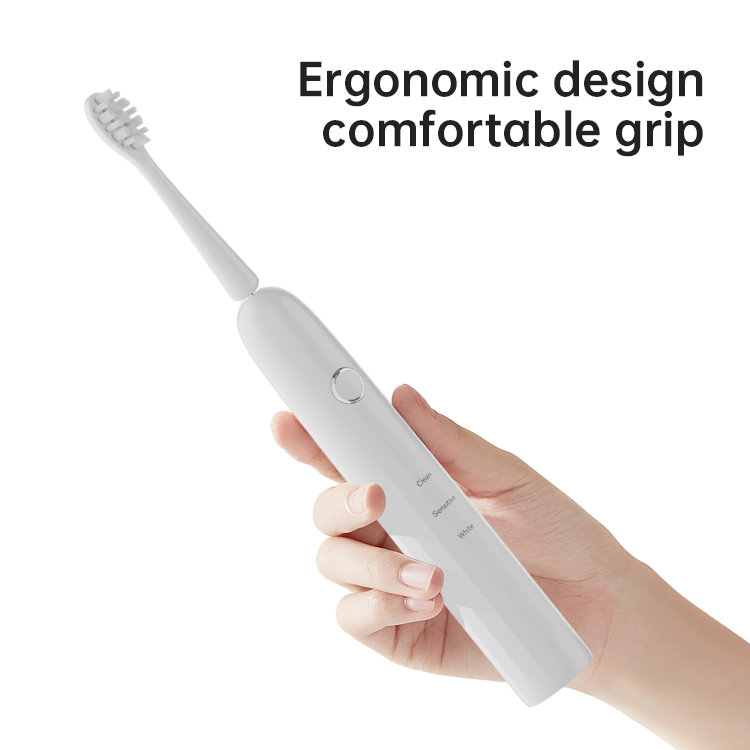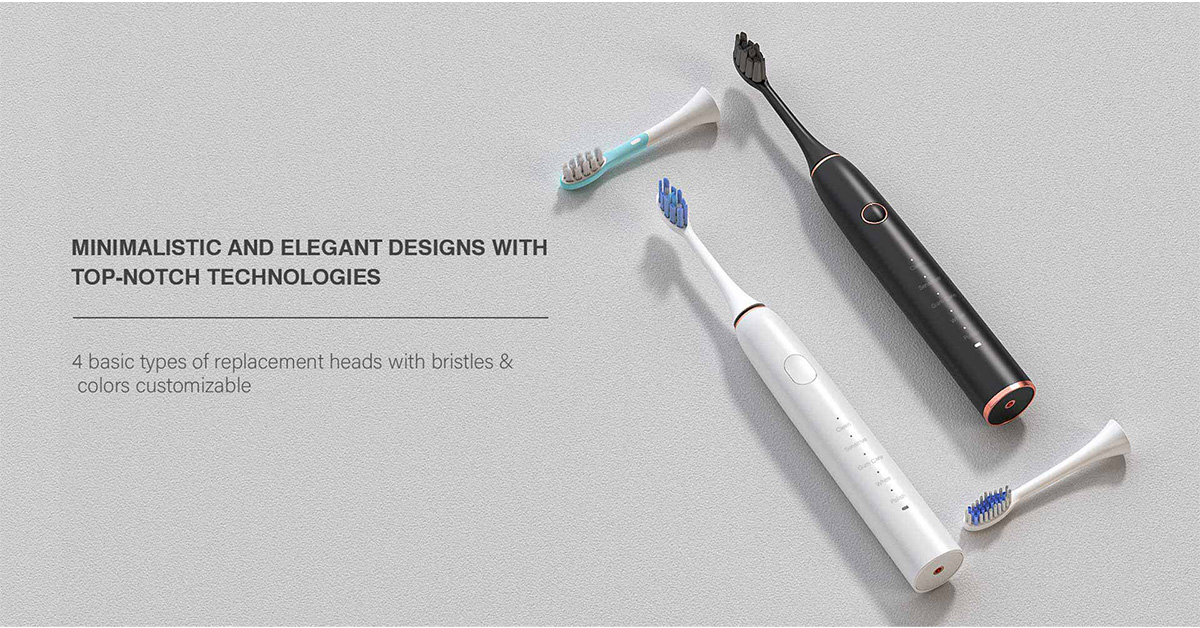
The shell of an electric toothbrush not only affects its appearance and touch, but also greatly affects the durability, safety and cost of the product. Therefore, it is very important to choose the right material for the shell of an electric toothbrush. As the competition in the electric toothbrush market becomes increasingly fierce, many brands hope to make a fuss about the materials used in electric toothbrushes to enhance the competitiveness of their brands. This article will explore some common optional materials and their characteristics for the shell of an electric toothbrush, and analyze them in combination with relevant data. Five basic materials, widely used in the manufacture of electric toothbrushes *ABS-has excellent mechanical properties with a balance of toughness, hardness and rigidity, suitable for making the internal bracket of the main body and the electric toothbrush handle shell. *TPE-has a soft touch, which is suitable for coating and bonding with the ABS substrate, effectively enhancing the airtightness and elasticity of the button assembly part of the handle shell. *EVA-has good cushioning, shock resistance, heat insulation, moisture resistance, chemical corrosion resistance, etc., and is non-toxic and non-absorbent. It is a high-quality material for making gaskets between components. *PC-has high strength…
In recent years, the kids oral care market has experienced a surge in demand, driven by rising parental awareness, global oral health campaigns, and growing disposable incomes. Meanwhile, Family Dental & Orthodontic Products are seeing increased adoption, not only among children but also among teens and adults seeking at-home care solutions. For oral care brands, this presents a compelling opportunity to diversify product lines and partner with specialized manufacturers. The Rise of Children’s Dental Products The need for tailored children’s dental products is more important than ever. Young users require safe, effective, and appealing solutions that encourage regular oral hygiene habits. Key product categories with high demand include: Electric toothbrushes designed for small mouths and gentle gums Fluoride-free toothpaste with child-safe flavors Fun, themed oral care sets that engage children through design Partnering with manufacturers who understand regulatory requirements (e.g., BPA-free, FDA-compliant materials) is essential to successfully tapping into this niche. For brands, this segment represents some of the most dynamic pediatric dental business opportunities. Addressing Family Orthodontic Solutions Modern families are increasingly seeking convenience and affordability in dental care. As such, Family Dental & Orthodontic Products — such as clear aligners, night guards, retainers, and orthodontic toothbrushes — are becoming household essentials. Brands…
As receding gums continue to pose a challenge for oral health, especially in aging and high-risk demographics, more oral care brands are seeking advanced solutions. Among the features now gaining attention is gum massage mode, a function often bundled with high-end electric toothbrushes. But the question remains—does it genuinely enhance the receding gums solution strategy, or is it just a marketing gimmick? The Growing Demand for Receding Gums Solutions Gum recession affects over 50% of adults over 40, often due to over-brushing, plaque buildup, or periodontal disease. For manufacturers targeting dental wellness, offering a credible receding gums solution is no longer optional—it’s essential. However, traditional methods like soft-bristled brushes or desensitizing toothpaste often lack the dynamic stimulation needed for long-term gum tissue vitality. What Exactly Is Gum Massage Mode? The gum massage mode is typically a pulsating or low-frequency vibration setting designed to gently stimulate blood flow in the gingival tissues. In most electric toothbrushes, this feature alternates between cleaning and micro-massaging pulses. The goal? Encourage circulation, reduce inflammation, and support tissue regeneration without applying aggressive pressure. Does It Help or Just Feel Good? Scientific studies and clinical trials indicate that users who apply gum massage mode as part of…
.jpg)
The global dental care market is expanding rapidly, driven by rising health awareness, digital innovation, and changing consumer habits. As more entrepreneurs and investors enter the space, launching a successful dental care brand is no longer just about sleek packaging or online presence — it requires deep industry knowledge, solid partnerships, and strategic execution. In this blog, we explore key elements behind oral care business success, including dental industry trends, smart branding in dentistry, and identifying the essential dental care brand business strategies that set leading brands apart. Understanding the Landscape: Dental Industry Trends You Can’t Ignore Before building a dental care brand, it’s critical to understand current and emerging dental industry trends: Natural & sustainable products: Consumers increasingly prefer eco-friendly toothbrushes, fluoride-free toothpaste, and refillable oral care devices. Smart technology: The rise of smart electric toothbrushes, app-connected flossers, and personalized data analytics. Subscription and DTC models: Successful brands are cutting out retail and going direct-to-consumer with convenience-focused oral care kits. Aesthetic-focused care: Whitening, breath-freshening, and cosmetic dental accessories are gaining popularity beyond traditional hygiene products. Monitoring these trends gives new brands a competitive edge when planning product development and marketing strategies. Essential Business Strategies for Building a Dental Care Brand Every…
.jpg)
As demand for personalized oral care grows, toothbrush devices must offer highly programmable pulse frequency control and sensitivity adaptation to accommodate multiple modes and user profiles. Only by combining a range of settings with real-time feedback can a single device truly meet the needs of all ages, oral conditions, and use-case scenarios. Segmenting Users and Their Diverse Needs First, B2B manufacturers should consider the full spectrum of end users: Children and Teens: Require low-frequency, gentle pulses to protect developing gums. Everyday Adults: Need mid-range frequency and strength in a standard cleaning mode that balances efficiency with comfort. Sensitive Users: Benefit from precise sensitivity adaptation, ensuring effective cleaning without irritation. Orthodontic and Restorative Cases: Demand specialized nozzles or brush heads to navigate braces, implants, and other hardware. Clear user personas are essential to define the must-have features for a “one-size-fits-all” device. Multi-Mode Design: From Basic to Professional Next, the device should support multiple cleaning modes for different scenarios: Standard Cleaning: Ideal for daily plaque removal. Whitening/Polish: Uses high pulse frequency and specialized brush heads for surface brightening. Gum Massage: Low-frequency pulses gently stimulate gum circulation. Orthodontic Mode: Works with dedicated nozzles or heads to flush around brackets and wires. Deep-Clean Therapy:…
When designing child-specific oral-care and whitening devices, selecting the right cold light wavelength is crucial—not only to match the sensitivity of young gums and enamel but also to integrate safely with brush head sterilization procedures. Only with both light-source safety and device disinfection can parents and clinicians confidently allow children to use these products. company web:https://www.powsmart.com/product/electric-toothbrush/ Pediatric Oral Tissue Light Tolerance Children’s oral tissues are thinner and more delicate than adults’: Wavelength Selection: The 400–420 nm range (near-UVC edge) effectively activates whitening agents while filtering out shorter UV wavelengths that could burn soft tissue. Intensity Limits: Maintain irradiance at ≤ 20 mW/cm² to avoid over-sensitivity during the transition from primary to permanent teeth. Exposure Duration: Limit sessions to under five minutes, with built-in rest periods allowing gum and mucosa recovery. Cellular Safety Across Wavelengths Different wavelengths affect cells and microbes in distinct ways: Photochemical Activation: The 430–450 nm band optimally excites peroxide breakdown, generating radicals that remove stains with minimal soft-tissue impact. Thermal Control: Filter out wavelengths above 450 nm that carry excess heat, and use onboard temperature sensors to monitor oral-surface temperatures in real time. Safety Standards: Adhere to ANSI Z136.1 thresholds to ensure irradiance stays below mucosal and…
.jpg)
As parental awareness of dental health continues to grow, the kids' dental care market is undergoing rapid expansion. While toothbrushes for children have been a staple in this space, the spotlight is now shifting toward more advanced tools—especially the water flosser for children. The question facing many oral care brands today is: Is it time to expand into the children’s oral irrigator category?This blog explores the market signals, product development potential, and strategic value of investing in pediatric oral care solutions. Market Demand: Why Children's Oral Irrigator Demand Is Growing Modern parents are increasingly proactive about instilling good oral hygiene habits early. This has resulted in growing children’s oral irrigator demand as part of a more comprehensive pediatric oral care routine. Key drivers include: Higher rates of early orthodontic treatments (e.g. braces, spacers) Dentist recommendations for better plaque control in children Parental demand for gentle yet effective flossing alternatives This makes the category a viable growth opportunity in the broader kids' dental care market. Addressing Unmet Needs in Pediatric Oral Hygiene Traditional flossing is often ineffective or ignored by children due to discomfort or lack of dexterity. Pediatric oral hygiene products that are both fun and functional—like child-sized water flossers—can: Improve compliance in…
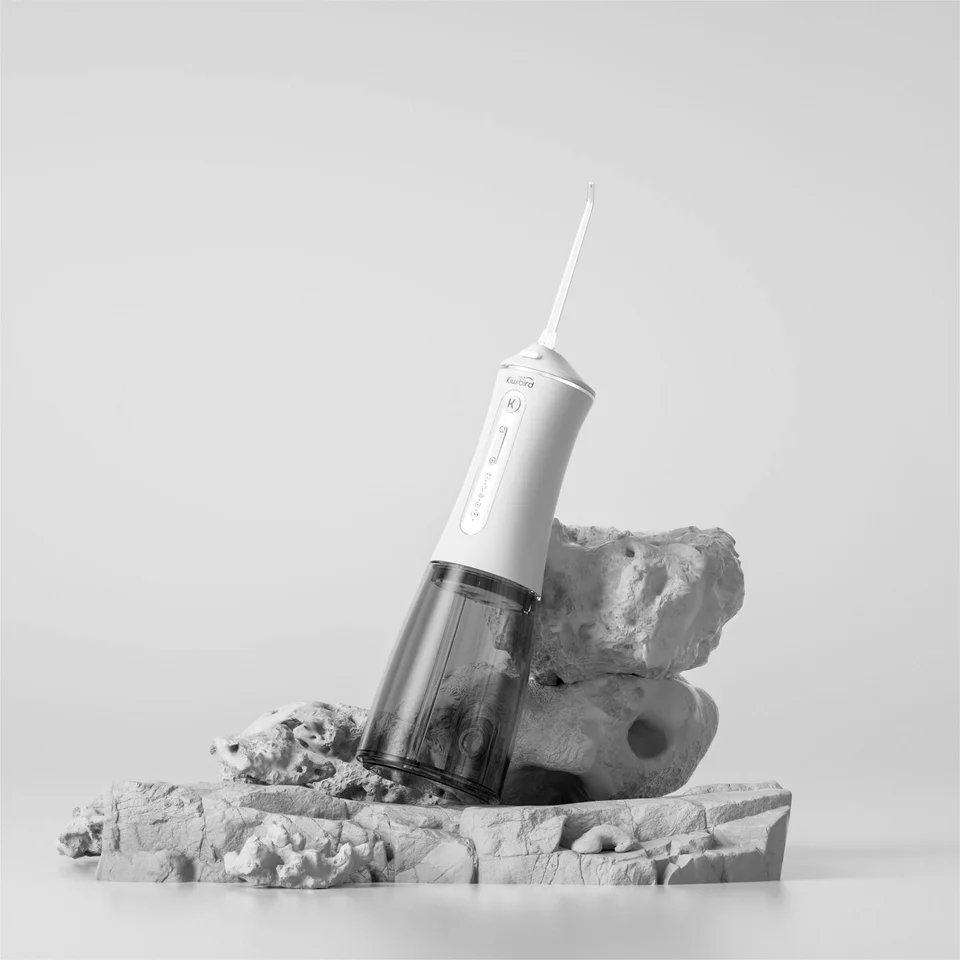
In today’s competitive oral care market, offering combinations of oral care products in well-thought-out sets has become a strategic tool for increasing brand visibility and boosting customer loyalty. Whether you're a DTC startup or a growing distributor, knowing how to structure effective bundles can be a game-changer. This article explores different sets of oral care products you can manufacture and package together, along with practical tips for promoting sales and growing your brand footprint. Why Product Combinations Drive Growth Consumers are increasingly drawn to comprehensive oral care routines. Rather than purchasing single items, they are looking for convenient, value-added sets. For brand owners, this offers a golden opportunity: Higher average order value (AOV) Increased perceived value Cross-selling and up-selling opportunities Enhanced customer retention By offering combinations of oral care products that meet diverse user needs (e.g., cleaning, whitening, gum health), brands can expand their product ecosystem and increase customer lifetime value. Popular Oral Care Product Sets to Consider Here are some proven different sets of oral care products that appeal to a broad range of consumers: A. Starter Kits Perfect for first-time buyers or gift packs. Usually include: Electric toothbrush x1 Travel toothpaste x1 Tongue cleaner x1 Optional: Mouthwash sachet x1 B. Whitening Focused Sets…
In devices designed for children’s oral care, not only must you leverage the low vibration and quiet operation of a coreless motor, but you also need clear pediatric warnings about bleach residuals. Children’s enamel is thinner and their swallowing reflexes are immature—any leftover bleaching agent can harm oral tissues or be ingested. Below, we explore six reasons why pediatric instructions must emphasize thorough rinsing of all bleach residues. Unique Pediatric Oral Physiology Children’s mouths differ markedly from adults’: Thinner Enamel: Pediatric enamel is roughly half as thick, making it more prone to chemical erosion. Immature Swallow Reflex: Young children may accidentally ingest residual bleach, causing gastrointestinal distress. Microbiome Sensitivity: Residual oxidizers can disrupt beneficial oral flora, raising caries risk. These factors make residual removal essential in pediatric guidelines. Dangers of Bleach Residuals Even trace bleach left behind can cause: Chemical Irritation: Contact with gums or mucosa can produce burning sensations or mild inflammation. Inhibited Remineralization: Ongoing peroxide decomposition can slow enamel repair, increasing sensitivity. Taste and Microbial Imbalance: Residual chemicals alter saliva chemistry, affecting taste perception and microbiome health. Children’s developing mouths are particularly vulnerable to these effects. Key Elements of Pediatric Warnings Product labeling and instructions for children should…
.jpg)
Maintaining optimal dental hygiene for braces is crucial for individuals with orthodontic appliances. Braces create additional challenges in keeping teeth clean, making it essential to have the right tools to maintain oral health during treatment. For manufacturers and suppliers in the oral care industry, offering the best cleaning and maintaining braces products can set your brand apart. This blog explores some dentist-recommended tools that are indispensable in an orthodontic care kit. Focusing on products like interdental brushes for braces and water flossers for braces, that help ensure effective cleaning and long-term oral health. The Essential Role of Braces Cleaning Products When it comes to cleaning braces, traditional brushing and flossing simply aren’t enough. The brackets and wires trap food particles and plaque, creating areas that are difficult to clean with regular toothbrushes. Therefore, braces cleaning products are designed to reach these areas more effectively. Popular and recommended products for orthodontic care kits include: Electric Toothbrushes: Many electric toothbrushes come with orthodontic modes or specialized brush heads designed for cleaning around braces. It provides deep cleaning and plaque removal. Interdental Brushes for Braces: These tiny brushes are perfect for cleaning between the brackets and wires. Ensuring thorough cleaning of areas that are otherwise difficult to reach…
As oral‐care devices evolve, ensuring child compatibility while addressing cold light sensitivity poses a unique challenge: devices must be gentle enough for young users yet powerful enough for effective phototherapy without triggering discomfort or tissue irritation. In this post, we’ll explore six key factors that B2B partners should consider when designing child-friendly, cold-light-based oral-care solutions. Special Considerations for Child Compatibility Children’s teeth and gums are still developing and therefore require extra protection: Reduced Power & Duration: Pediatric modes should operate at lower light intensity and shorter exposure times than adult settings. Choking & Ingestion Safeguards: Nozzle and applicator dimensions must meet child-safety standards to prevent accidental swallowing. Biocompatible Materials: All parts contacting the mouth must use FDA- or ISO 10993-certified, non-toxic materials free of harmful additives. Child compatibility is not just a feature—it’s a safety imperative. Cold Light Technology & Sensitivity Risks Cold light (typically 400–420 nm) is effective for whitening and disinfection but can cause cold light sensitivity if misapplied: Soft-Tissue Irritation: Blue light can provoke burning or redness on delicate pediatric gingiva. Photochemical By-Products: High-intensity exposure may generate free radicals that weaken enamel surface. Thermal Accumulation: Even “cold” LEDs can raise local temperature over prolonged use, aggravating sensitivity.…
In the world of personal care appliances and handheld devices, ergonomic discomfort has emerged as a silent but persistent issue affecting user satisfaction. One common consequence that arises from poor design is grip fatigue, especially during prolonged or repetitive use. When these two factors interact, the result is often diminished performance, negative user feedback, and elevated product returns—raising important questions for manufacturers and OEM partners alike. Understanding Ergonomic Discomfort in Product Design Ergonomic discomfort typically stems from poor alignment between the product’s shape and the user’s natural hand posture. Causes include: Awkward grip angles Unbalanced weight distribution Improper button placement Inflexible or overly textured materials Such discomfort doesn't just affect comfort—it actively leads users to overcompensate with tighter gripping force, setting the stage for grip fatigue. What Is Grip Fatigue—and Why It Matters Grip fatigue refers to the muscular exhaustion that results from sustained hand contraction. In electric toothbrushes, oral irrigators, or grooming tools, this can manifest as: Tingling or soreness in the hand and wrist Reduced control during use Unintended drops or slips Early product abandonment by users Grip fatigue is especially concerning for older adults or users with pre-existing joint issues, amplifying the urgency of ergonomic precision. Company…
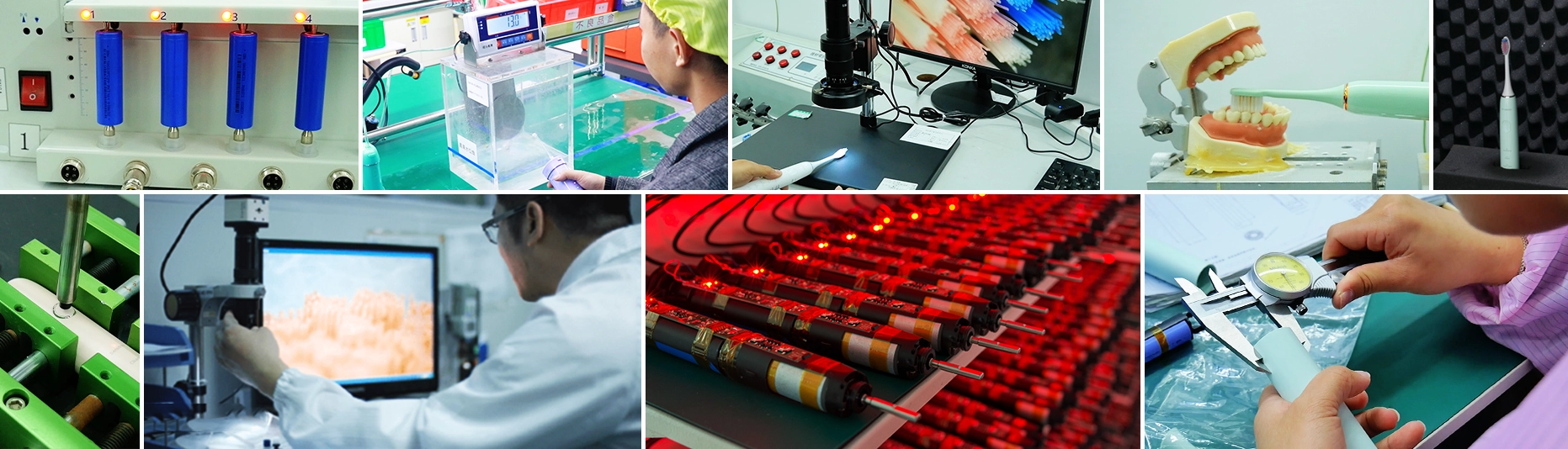
At present, the electric toothbrush production bases concentrate in Guangdong and Jiangsu and Zhejiang in the domestic electric toothbrush industry. The electric toothbrush product line covers a relatively comprehensive range. For example, the electric toothbrushes produced in Jiangsu and Zhejiang have low procurement costs, which need to be sold in large quantities. However, as for the detailed count of "how many electric toothbrush manufacturing factories there are", the answer is rather one-sided. After all, there are many types of electric toothbrush manufacturing factories, such as: specializing in electric toothbrush whole machine processing, electric toothbrush motor factories, brush head hair planting factories and R&D companies, etc. The key factor in choosing a Electric Toothbrush supplier The main focus is on the quality of the electric toothbrush. For example, waterproof level, charging method, vibration frequency and swing amplitude, etc When choosing OEM or OEM electric toothbrush manufacturers. After all, the electric toothbrush products on the market nowadays that do not meet the quality standards are all under the guise of "what functions" and claim to have all kinds of functions. But the problem is that the functional parameters and indicators are not up to standard. And the biggest difference is that there…

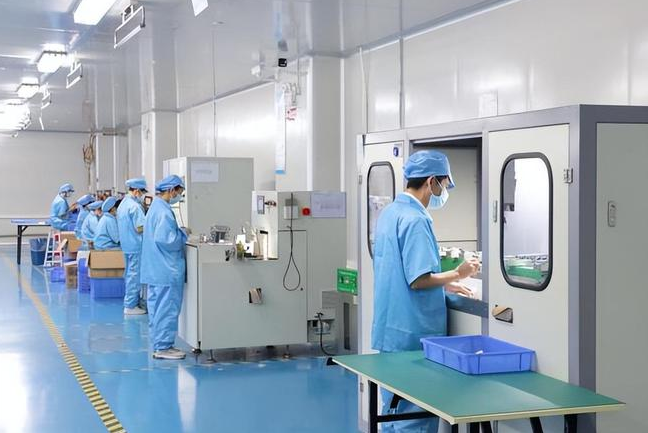
Established in 2004. Powsmart Technology Co., Ltd is a comprehensive enterprise integrating R&D, production and sales of electric toothbrush, teeth whitening device and water flosser. At the same time, we provide customized services of toothbrushes, teeth whitening products and oral irrigators, Our company covers an area of 5000 square meters and has more than 100 R & D and production personnel. All of products have passed many international quality inspection Certifications and we have won the national high-tech enterprise honor and owned hundreds of product patents. The company has passed ISO9001/ISO13485 system certification and FDA certification registration; Our main products include Sonic electric toothbrush, Sonic wave electric toothbrush, teeth whitening kit and water flosser, etc. All products have obtained FCC, CE, FDA, ROHS, SGS,MSDS certificates can provide customers with high-quality and detailed products and services. We mainly export to the United States, Europe, Southeast Asia countries and other places. What can be customized for electric toothbrush or Water Flosser? The appearance, structure and electronic parts design of the customer-supplied products. Powsmart Technology Co., Ltd. is responsible for the whole manufacturing process, such as product mold design, mold production, plastic injection molding, electronic parts procurement, incoming material detection, assembly, testing, packaging and other production tasks. Prerequisites for cooperation in ODM service of electric toothbrush Or Water flosser…
As consumers become more health-conscious and hygiene-focused, demand for durable, safe, and family-friendly electric toothbrushes continues to rise. Specifically, IPX7 Waterproof Electric Toothbrush models are gaining popularity for their water resistance, reliability, and usability in wet environments like showers or sinks. This trend presents a valuable opportunity for oral care brands to expand their product lines—especially if they can partner with a capable IPX7 toothbrush OEM. In this blog, we explore the key considerations for sourcing high-quality waterproof electric toothbrushes suitable for both kids and adults, and how to identify the right family toothbrush supplier. What Does IPX7 Waterproofing Mean for Electric Toothbrushes? IPX7 waterproof electric toothbrush certification indicates that the device can withstand immersion in water up to 1 meter deep for 30 minutes. This level of water resistance ensures: Safe daily use in bathrooms and showers Long-term durability and reduced risk of internal damage Easy cleaning and maintenance for all family members For brands, offering IPX7 toothbrush OEM products means added value and peace of mind for consumers, especially families with young children who may handle products less carefully. Key Features to Look for in a Family-Friendly IPX7 Toothbrush When sourcing from a family toothbrush supplier, brand owners should look for…
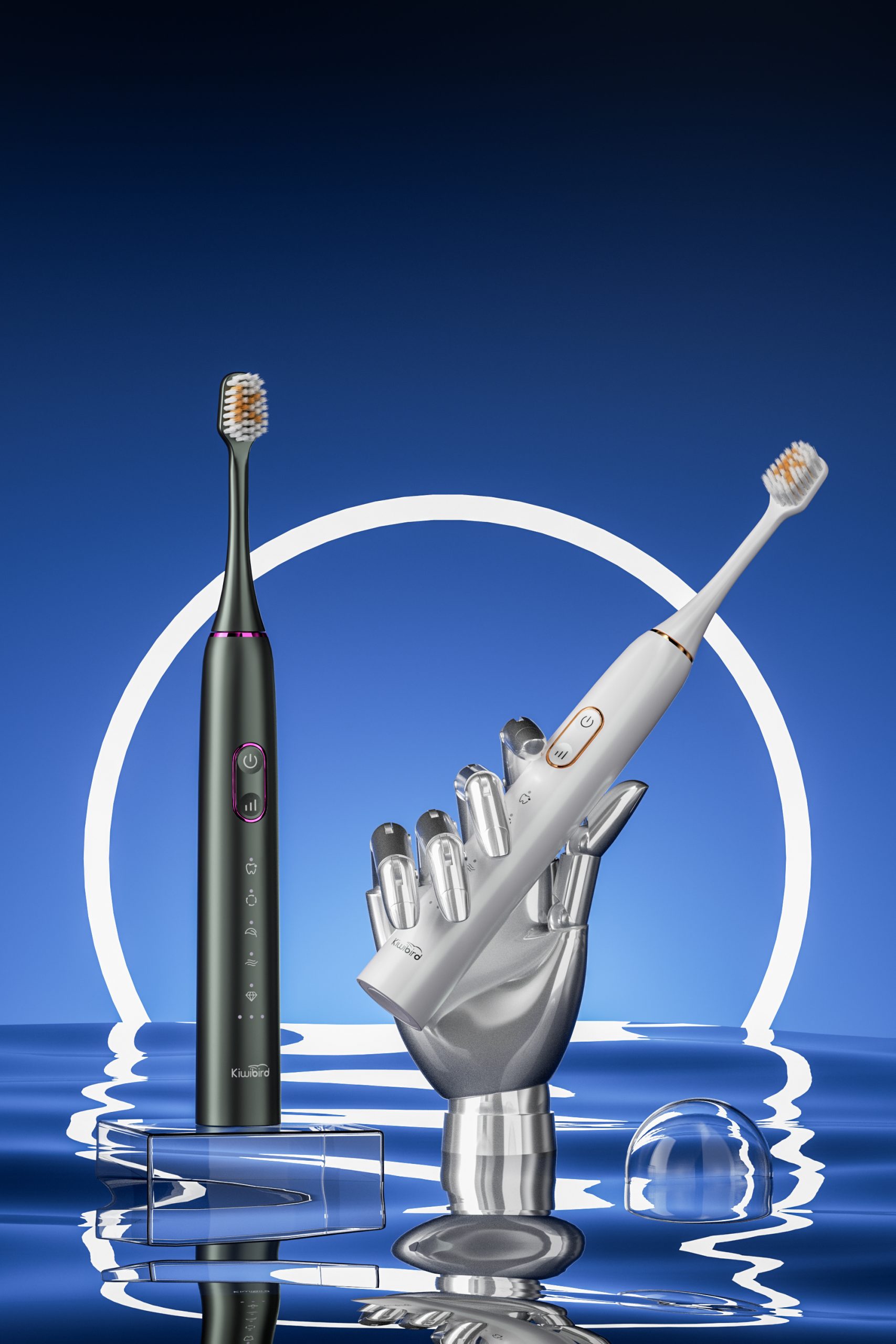
In today’s competitive oral care market, end-users are increasingly seeking low-noise dental care experiences that align with comfort, discretion, and advanced technology. As a result, brands are turning toward Ultra-Quiet Sonic Toothbrush solutions, particularly those operating below 60dB. For private labelers and oral care brands, partnering with a reliable quiet sonic electric toothbrush manufacturer is now a strategic necessity for premium product differentiation. This blog explores how cutting-edge noise-reduction technology is shaping toothbrush development and what to look for when selecting a gentle and quiet cleaning OEM partner. What Is Considered Ultra-Quiet in Sonic Toothbrushes? For comparison, a normal conversation is around 60 dB, and a typical electric toothbrush often operates between 65–75 dB. However, modern silent brushing tech aims to bring that number down to below 60 dB—offering an almost whisper-quiet experience. Features of an ultra-quiet sonic toothbrush include: Noise level ≤ 60 dB during operation Advanced motor suspension systems Precision gear control to minimize vibration transfer Enhanced user comfort without compromising brushing efficiency Key Benefits of Low-Noise Dental Care Products Why should brands and OEM partners focus on noise reduction? User Comfort & Acceptance: Quiet devices reduce sensory discomfort, especially for children, elderly users, and those with noise sensitivity. Premium Brand Perception: A quieter…
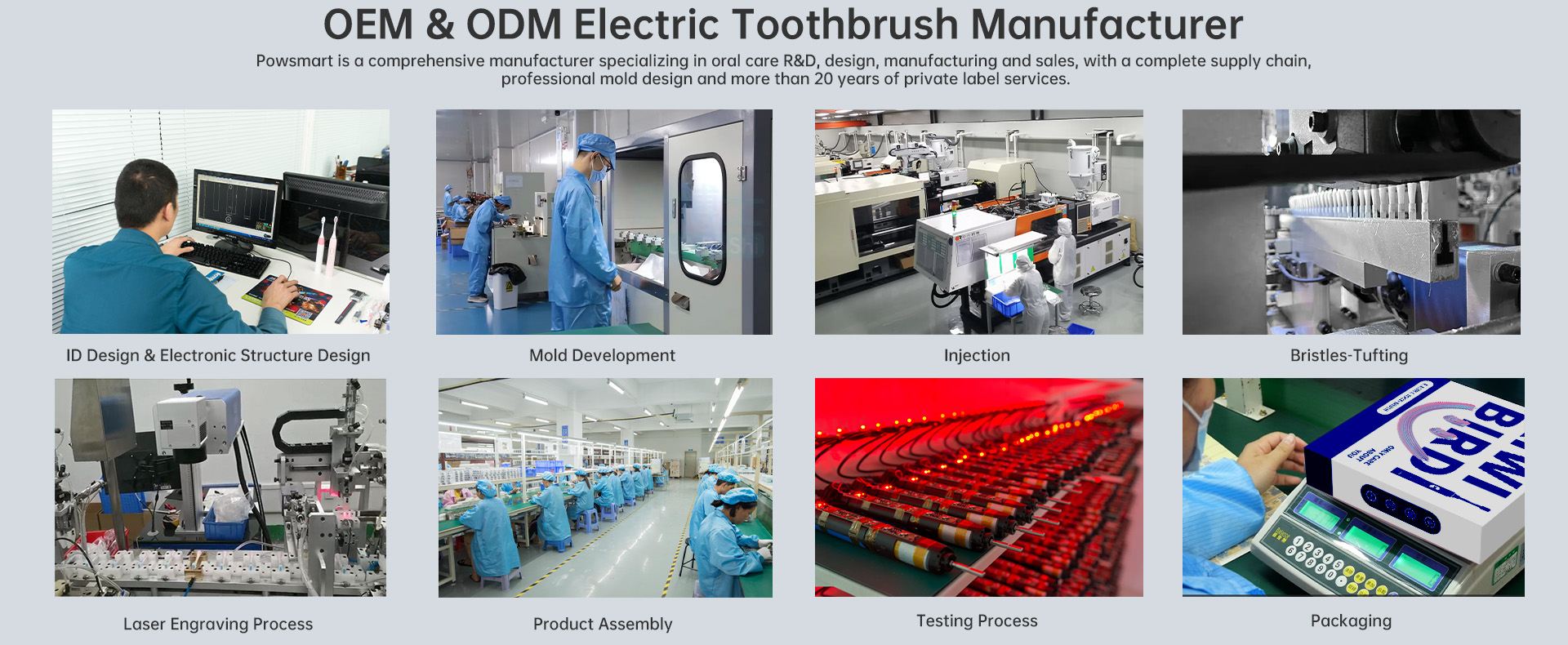
With consumer expectations rising, the demand for higher safety and quality in oral care devices like electric toothbrushes is stronger than ever. In this blog, Powsmart will explain how electric toothbrush manufacturers align with medical device production standards to achieve ISO 13485 electric toothbrush and deliver products trusted by both dental professionals and consumers.https://www.powsmart.com/about-powsmart/ What is ISO 13485 and Why is it Important for Electric Toothbrushes? ISO 13485 is an internationally recognized standard specifically for medical device quality management systems. While electric toothbrushes are often classified as consumer electronics, premium models, especially those used in clinical or specialized dental care, are increasingly expected to meet medical device production standards. Compliance with ISO 13485 electric toothbrush guidelines ensures: Safer product design and manufacturing Consistent quality control across batches Enhanced credibility in both consumer and professional markets Manufacturers adopting this system stand out with superior reliability and performance. Implementing a Rigorous Quality Management System (QMS) Meeting ISO 13485 starts with establishing a comprehensive quality management system.Key components include: Detailed documentation at every production stage Traceability for all components and processes Risk assessment and corrective action plans Continuous training for quality and production teams By building a robust QMS, manufacturers ensure that each electric toothbrush meets strict international…
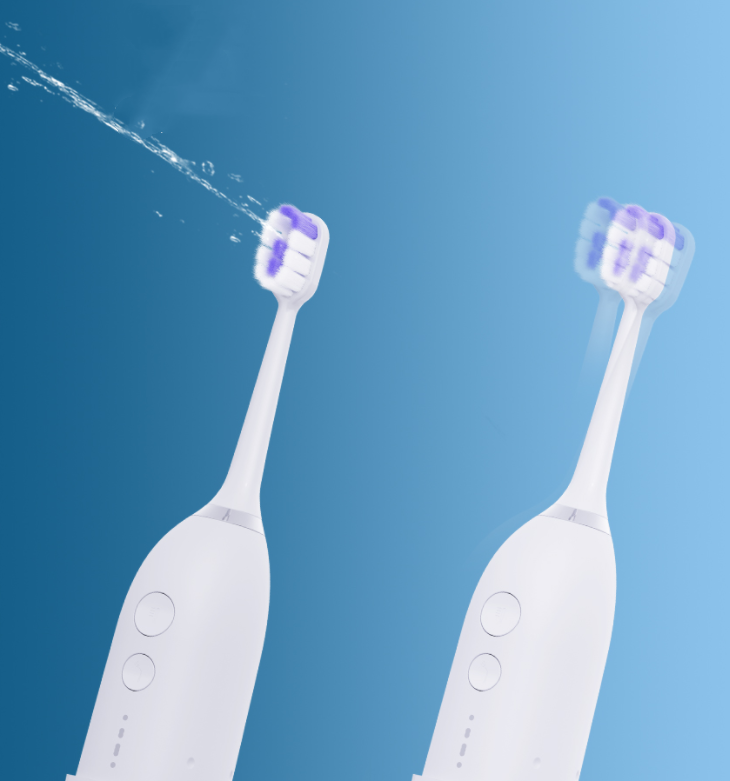
As consumer demand for convenience and efficiency continues to rise, 2-in-1 dental care devices are becoming a major trend in the oral hygiene market. Among them, the Water Flosser Toothbrush Combo stands out as a smart, space-saving, and effective solution. For brands looking to expand or differentiate their product lines, this 2-in-1 oral care solution offers tremendous potential. In this blog, we explore the benefits, key product considerations, and what to look for in a manufacturing partner. What is a Water Flosser Toothbrush Combo? A water flosser toothbrush combo integrates two essential oral hygiene functions into a single device: Electric toothbrush: For high-efficiency brushing and plaque removal. Water flosser: For deep interdental cleaning and improved gum health. This combo oral hygiene device allows users to switch seamlessly between brushing and flossing—offering a complete oral care routine with minimal countertop clutter. It’s ideal for consumers who want all-in-one convenience and enhanced dental care performance.3. Market Demand and Growth Potential The global oral care market is experiencing a shift toward smart, multifunctional products. According to market trend reports, the 2-in-1 dental care segment is expected to grow significantly over the next 5 years, driven by: Growing awareness of gum health Increasing consumer preference for compact, multi-use devices Demand…


.jpg)
.jpg)
.jpg)
.jpg)
.jpg)





.jpg)