
.jpg)
The children's oral care market is growing rapidly, fueled by increasing parental awareness, pediatric dental recommendations, and evolving consumer preferences. For oral care brands, developing or sourcing children’s oral care products requires a delicate balance between safety, effectiveness, and child appeal. This article provides a structured guide for brands and procurement teams on what to prioritize—whether you're developing in-house or seeking a reliable manufacturing partner. Safety First: Materials and Formulation Children have more sensitive systems than adults, so the first priority is safety. Brands must ensure that all components in the product are 100% safe for young users. A safe kids toothbrush should be made of BPA-free, food-grade plastic and feature soft bristles that won’t harm developing gums or enamel. For toothpaste, opt for non-toxic toothpaste for children, free from fluoride (for younger age groups), SLS, artificial colors, and parabens. Always work with manufacturers that can provide full safety certifications and material compliance documentation. Regulatory Compliance and ADA Approval Manufacturers should be familiar with global and regional safety standards. When choosing suppliers, prioritize those experienced in producing ADA-approved children's dental care products. In the U.S., the American Dental Association (ADA) seal is a trusted symbol that confirms safety and efficacy. In Europe or…
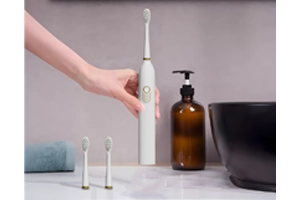
Electric toothbrushes maintenance is crucial to ensuring its longevity and effectiveness. Whether you are a consumer or a retailer partnering with an electric toothbrush factory, understanding proper care routines can extend the life of the product and enhance customer satisfaction. In this guide, we will walk you through key maintenance tips for electric toothbrushes, ensuring optimal performance for years to come. 1. Regular Cleaning of the Brush Head One of the most common issues with electric toothbrushes is the buildup of toothpaste and debris on the brush head. To prevent this, it's important to clean the brush head thoroughly after each use. Rinse it under warm water and make sure there is no residue left between the bristles. If possible, remove the brush head from the handle and wipe it down with a soft cloth to ensure all moisture is gone. In an electric toothbrush factory, manufacturers often recommend replacing the brush head every 3 months to ensure maximum hygiene and brushing efficiency. 2. Battery Care and Charging The battery is the heart of your electric toothbrush, and proper care can significantly prolong its lifespan. Always follow the manufacturer's recommendations regarding charging cycles. Avoid overcharging the toothbrush, as this can…
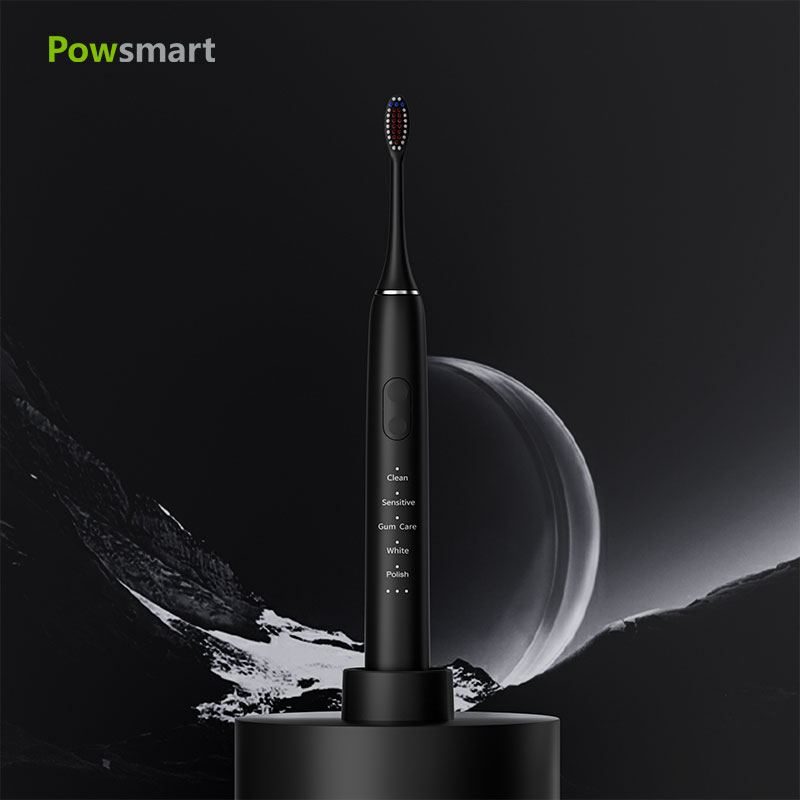
Introduction to Waterproof Technology in Electric Toothbrushes Waterproof technology is one of the essential features of modern electric toothbrushes. It ensures durability, enhances user safety, and provides ease of use, especially in wet environments like bathrooms. This key feature allows electric toothbrushes to withstand water exposure, making them highly reliable for daily dental hygiene routines. As consumer demand for durable and safe products grows, electric toothbrush factories have made significant advancements in waterproof technology to meet industry standards. Levels of Waterproof Ratings Explained Waterproof technology is classified using the IP (Ingress Protection) rating system, which indicates the degree of protection an electric toothbrush offers against water and dust. The most common rating for electric toothbrushes is IPX7 or IPX8. IPX7 means the toothbrush can be submerged in water up to 1 meter for 30 minutes without damage. Meanwhile, IPX8 offers even better protection, allowing prolonged submersion at greater depths. Leading electric toothbrush factories rigorously test their products to ensure they meet these waterproofing standards. Benefits of Waterproof Technology in Electric Toothbrushes Waterproof technology provides several benefits for electric toothbrush users. Firstly, it extends the lifespan of the toothbrush by preventing water damage to the internal components. Secondly, it enhances user…

Wave electric toothbrushes have become the product of choice for more and more consumers. As manufacturers of Wave electric toothbrushes, we understand its superior benefits. The most notable feature of the Wave electric toothbrush is that it combines oscillating and vibrating. Compared with single sonic vibration, this dual action that combines vibration and wave oscillation can effectively destroy and clear dental plaque. The vibration mode generates power through high-frequency vibrations that can penetrate deep into the gaps between teeth, while the wave oscillation simulates the action of traditional manual brushing to help clean stains on the teeth. This combination of dual actions makes the wave oscillation-and-vibration electric toothbrush more efficient at cleaning teeth. Improve cleaning effect The WAVE electric toothbrush combines large wave oscillation and vibrations to destroy and remove plaque more effectively, removing 38% more plaque than a manual toothbrush. This design imitates the BASS brushing method, which is scientific and has better cleaning effect. The oscillation and vibraion of Powsmart's WAVE electric toothbrush could be customized from 30°-60°. Easy to use, suitable for all everyone For the elderly with poor hand dexterity or young people with dental correction needs, the design of the WAVE electric toothbrush is more user-friendly, simple and efficient to use. Through the brushing experience of different wave oscillation modes,…
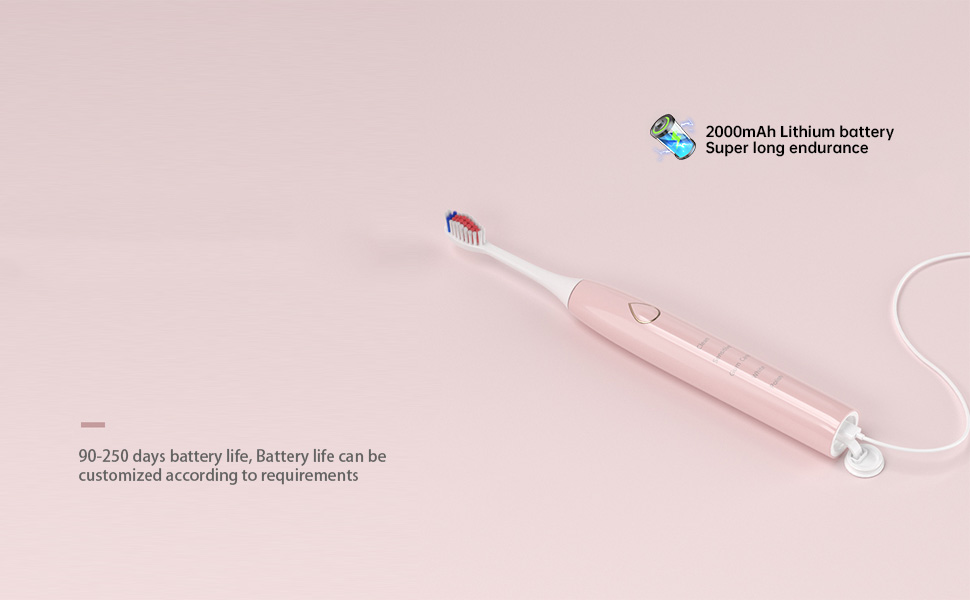
Lithium batteries have revolutionized the performance and reliability of electric toothbrushes. As a critical component, they provide long-lasting power and efficient operation, making them an essential consideration for any electric toothbrushes manufacturer. Why Lithium Batteries Are Ideal for Electric Toothbrushes Lithium batteries are widely used in electric toothbrushes due to their excellent energy density, compact size, and durability. Compared to traditional batteries, they can deliver consistent power over hundreds of charging cycles, ensuring optimal performance. For manufacturers, this means producing devices that meet customer expectations for longevity and reliability. Benefits of Lithium Batteries in Electric Toothbrushes: Long-lasting power: A single charge can last several weeks, enhancing user convenience. Lightweight design: Ensures a comfortable, ergonomic toothbrush structure. Environmentally friendlier: Many lithium batteries are designed to be recyclable, aligning with modern sustainability goals. Key Considerations for Electric Toothbrush Manufacturers Understanding the technical aspects of lithium batteries is crucial for designing high-performing devices. Battery Capacity: Toothbrushes typically require batteries with a capacity between 500mAh and 3000mAh, depending on usage patterns. Charging Systems: Incorporating fast-charging and overcharge protection features enhances safety and usability. Safety Standards: Lithium batteries must meet strict safety certifications such as CE, RoHS, and UN38.3 to ensure compliance in global markets. By collaborating with experienced battery suppliers,…
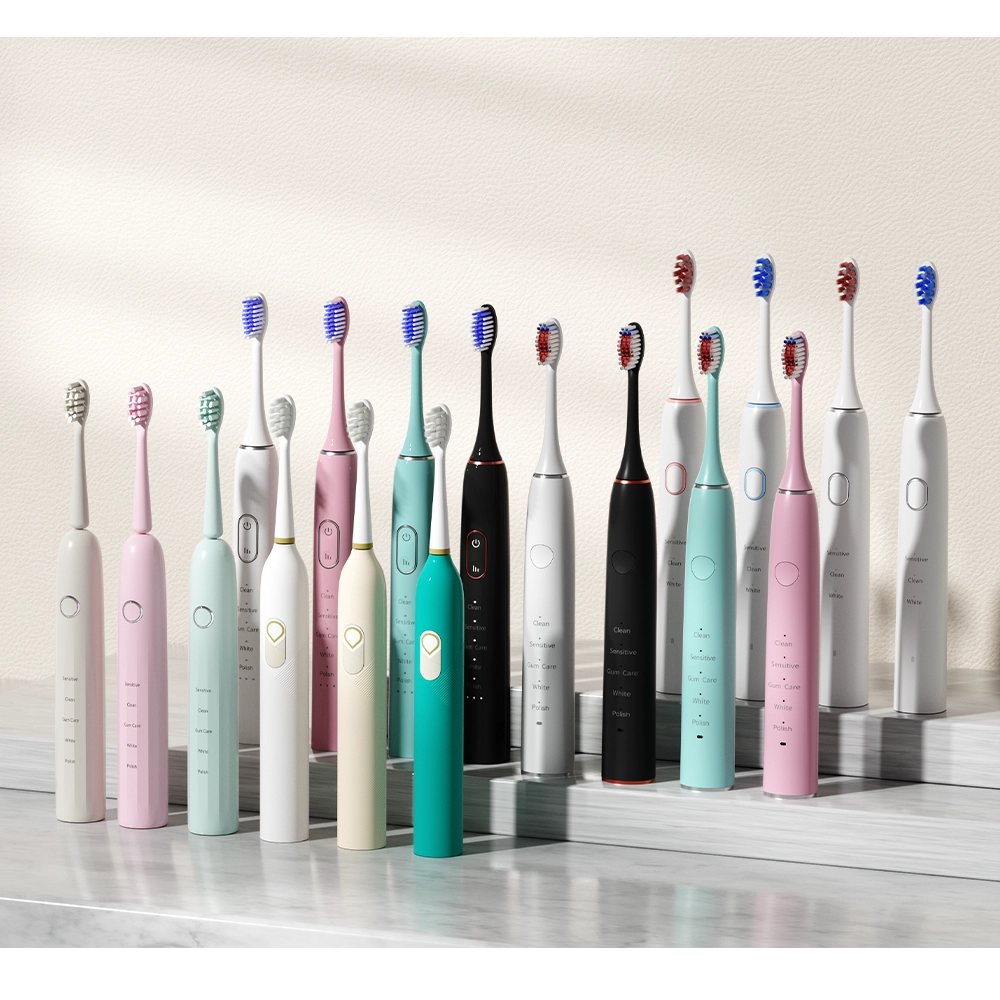
Power toothbrushes have revolutionized oral care with their efficiency and innovative features. With various options available, understanding the different types of power toothbrushes is essential for businesses aiming to meet diverse customer needs. Dry Battery Toothbrushes: Convenience and Affordability Dry battery toothbrushes are powered by replaceable AA or AAA batteries, making them a cost-effective choice for budget-conscious consumers. They are simple to use and ideal for travel due to their portability. While they lack advanced features, their affordability and ease of replacement make them appealing for customers seeking basic electric brushing solutions. For B2B buyers, offering dry battery toothbrushes provides an entry-level product that appeals to budget-conscious markets. Key Features: Low initial cost Easy maintenance with replaceable AA or AAA batteries Portable design for on-the-go users Oscillating Toothbrushes: Precision Cleaning The oscillating toothbrush is a popular choice for consumers seeking thorough plaque removal. With its rotating and pulsating motion, this type offers superior cleaning compared to manual brushes. Oscillating toothbrushes often include features like timers and pressure sensors, making them a premium option for health-conscious buyers. Key Features: Rotating bristles for deep cleaning Advanced features like timers and pressure control Higher price point but excellent cleaning performance Aluminum Travel Toothbrushes: Style Meets…
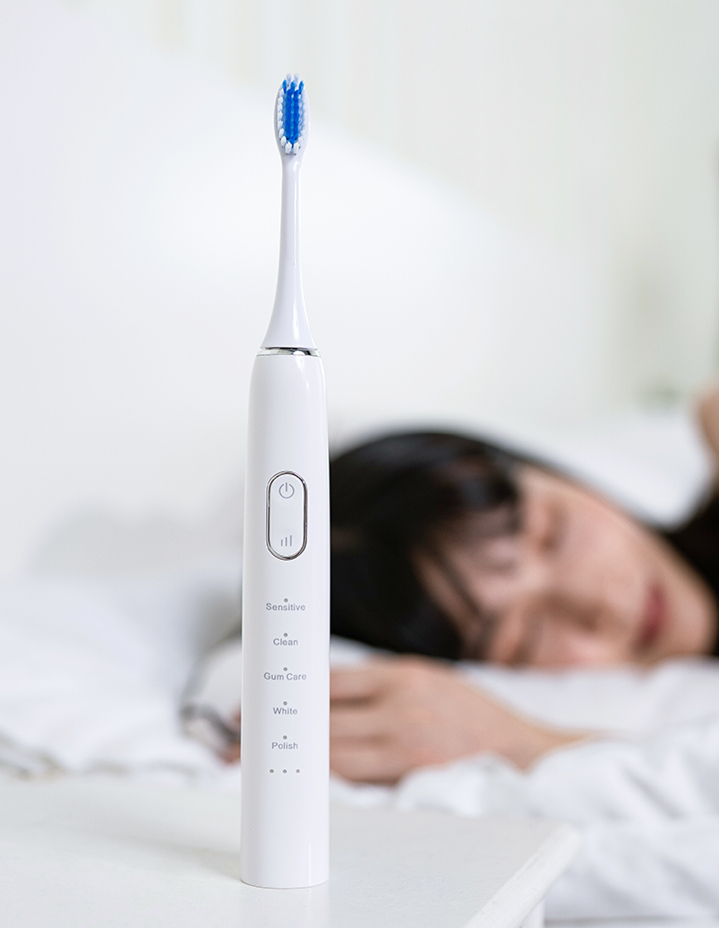
Electric toothbrushes have become an essential tool for maintaining oral hygiene, but many users often notice that certain models make excessive noise during operation. This issue can diminish the user experience and even discourage consistent usage. Understanding why an electric toothbrush makes noise and exploring potential solutions for electric toothbrushes noisy problem can help manufacturers design better products and improve customer satisfaction. Common Causes of Noise in Electric Toothbrushes Motor and Vibration Mechanics:The primary source of noise in electric toothbrushes is the motor, which generates vibrations to clean teeth effectively. While these vibrations are necessary, poor motor design or insufficient dampening materials can amplify the noise levels significantly. Material Quality:Low-quality materials used in toothbrush casings can lead to increased noise due to poor sound insulation. Thin or poorly fitted parts can rattle during operation, adding to the overall noise. Wear and Tear:Over time, components within an electric toothbrush, such as gears or bearings, may degrade, causing the device to operate louder than it initially did. Regular maintenance or timely replacement of parts can mitigate this issue. Impact of Noise on User Experience When an electric toothbrush makes noise, it can create a negative impression, particularly for users sensitive to sound or…
.jpg)
"Electric Toothbrush: Deep Clean, Sterilization Function, Gum Care" "Electric Toothbrush: Deep Clean with Sterilization Function and Gum Care" Introduction As oral hygiene awareness grows, electric toothbrushes have gained popularity among consumers for their advanced capabilities. A key feature driving this demand is the sterilization function, which ensures a higher level of cleanliness by eliminating harmful bacteria. Alongside deep cleaning and gum protection, modern electric toothbrushes also offer multi-mode cleaning options to cater to diverse user needs. For industry professionals, focusing on integrating the sterilization function and other innovative features can lead to the development of products that better align with consumer expectations. This article highlights the importance of the sterilization function, multi-mode cleaning, and gum care in enhancing the effectiveness of electric toothbrushes. 1. Deep Cleaning with Electric Toothbrusheshttps://www.powsmart.com/product/custom-logo-adult-sonic-toothbrush/ Unlike manual toothbrushes, electric toothbrushes utilize high-frequency vibrations or rotating bristles to remove plaque and food debris more effectively. This ensures a deeper and more thorough clean, reducing the risk of cavities and gum disease. Key Benefits: More efficient plaque removal compared to manual brushing Reduces the likelihood of tartar buildup Helps maintain long-term oral health 2. Importance of UV Sanitization A major concern with toothbrushes is bacterial buildup, which can compromise oral hygiene. UV…
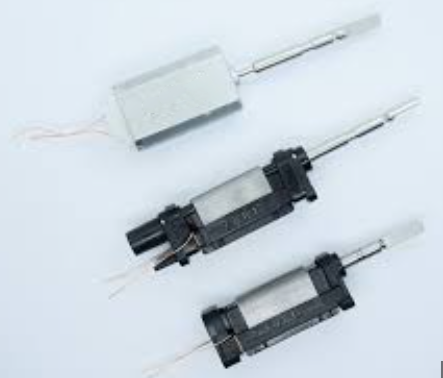
With increasing awareness of oral health, electric toothbrushes have become a preferred choice for consumers worldwide. At the heart of every electric toothbrush lies its motor, determining performance, efficiency, and user experience. The competitiveness of electric toothbrush motors is a crucial factor in differentiating products in a competitive market. Types of Electric Toothbrush Motors Understanding the types of electric toothbrush motors is essential for manufacturers aiming to enhance product quality and efficiency. The two primary types include: Brushed DC Motors: Traditional and cost-effective, but they produce more friction, resulting in shorter lifespan and higher noise levels. Brushless DC Motors (BLDC) and High-Performance Sonic Motors: These offer superior energy efficiency, lower noise, and greater durability, making them the preferred choice for premium electric toothbrushes. All of Powsmart's products are using Dual-axis motors, which is more stronger, stable, quiter and efficient compared with the single shaft motor. High-Performance Sonic Motors: A Key Differentiator High-performance sonic motors bring significant advantages to electric toothbrushes, including: Higher vibration frequencies (30,000–50,000 strokes per minute) for superior plaque removal. More consistent and powerful torque output, ensuring deep cleaning while protecting gums. Greater energy efficiency, allowing for longer battery life and sustainable usage. Low noise operation, improving user experience and comfort. Motor…
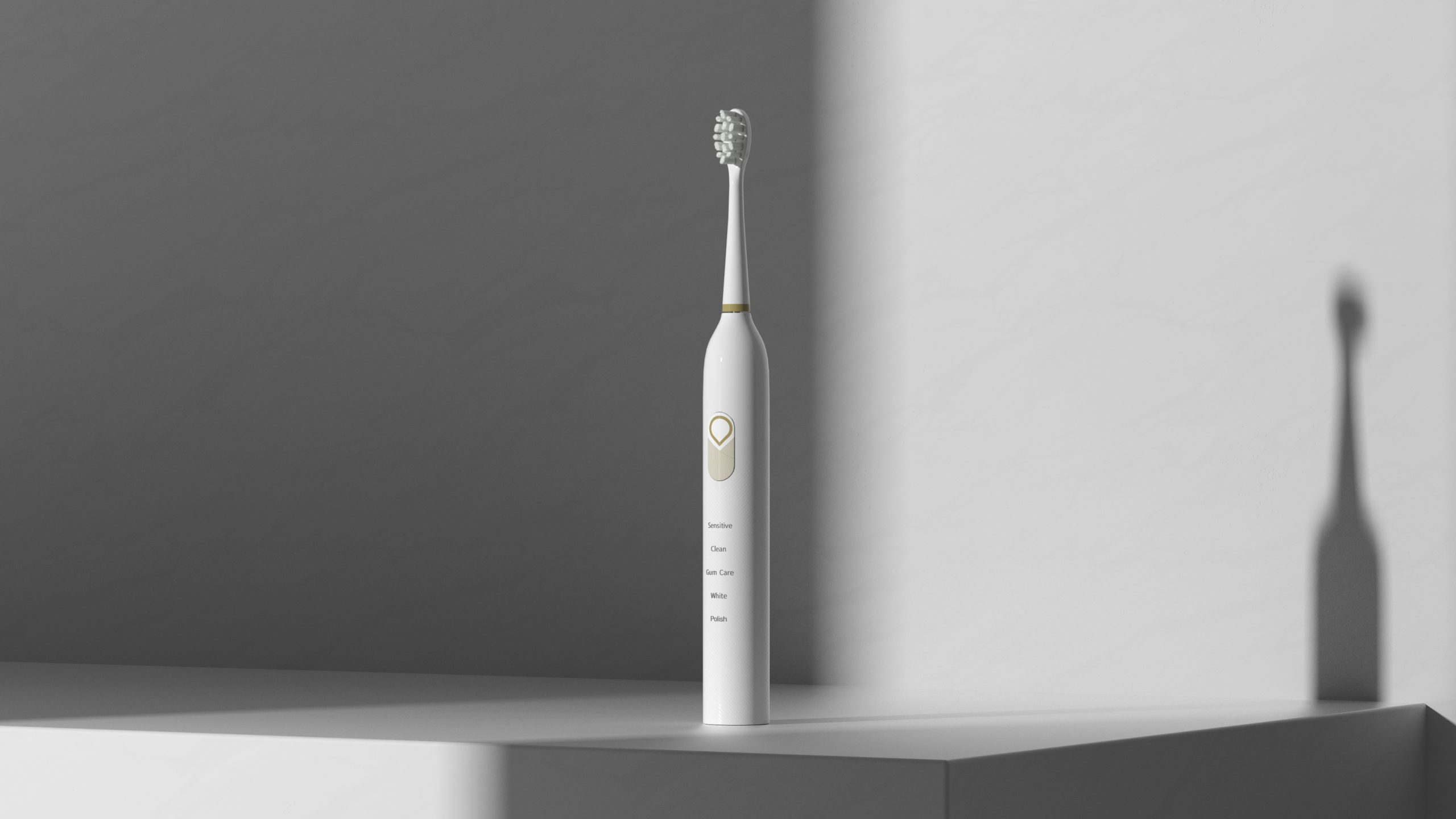
With the rising demand for effective oral care solutions during orthodontic treatment, the braces electric toothbrush has emerged as a specialized product category. A key innovation in this field is the orthodontic V-brush, specifically engineered to navigate the complexities of braces. But how does this brush head truly clean behind wires and brackets—areas notoriously difficult to reach? Understanding the Orthodontic Cleaning Challenge Traditional toothbrushes often fail to clean around orthodontic hardware, leaving behind plaque that can lead to demineralization, gum irritation, or even white spot lesions. These hard-to-reach zones behind wires and between brackets require precise angling and targeted bristle motion that standard brush heads cannot provide. What Makes the Orthodontic V-Brush Unique? The orthodontic V-brush features a V-shaped bristle design, allowing it to straddle wires while making direct contact with both tooth surfaces and bracket edges. This structure is engineered to: Channel bristles underneath the archwire Simultaneously clean the top and bottom of brackets Maintain gentle contact pressure to avoid gum trauma Its compatibility with a braces electric toothbrush allows this design to work synergistically with high-frequency vibrations or oscillations, drastically improving plaque removal efficiency. V-Brush and Sonic Technology: A Dual Advantage When paired with sonic cleaning modes, the…
Introduction: The Critical Role of Bristle in Oral Care When sourcing electric toothbrush, manufacturers must pay close attention to bristle quality—a key factor that determines cleaning effectiveness and user satisfaction. The right bristle design can enhance plaque removal, gum protection, and overall brushing performance. In this guide, we’ll explore how to select the best brush filaments for optimal dual-effect cleaning and long-term oral health. 1. The Importance of Bristle Material and Durability High-quality brush filaments should be made from soft yet durable nylon to ensure they don’t fray quickly while remaining gentle on gums. Inferior bristles may harden over time, causing gum irritation. Manufacturers should prioritize FDA-approved materials that resist bacterial growth and maintain elasticity after prolonged use. 2. Dual-Layer Bristles for Dual-Effect Cleaning A smart bristle configuration is the double-layer bristles design, combining 0.01mm long and thin bristles with 0.15mm short and tough bristles. The long, thin bristles (0.01mm) reach deep between teeth and along the gumline to remove hidden plaque. The short, tough bristles (0.15mm) provide strong scrubbing power for surface stains and food debris.This dual-effect cleaning ensures comprehensive oral hygiene, making the toothbrush more appealing to end-users. 3. Bristle Shape and Arrangement Matter Beyond material, bristle shape and density impact cleaning efficiency: Tapered bristles enhance flexibility for gentle gum care. Crisscross patterns improve interdental cleaning. High-density clusters ensure consistent coverage with each stroke.Manufacturers should…
When it comes to child safety, the materials used in kids' electric toothbrushes play a critical role. With increasing concern around material toxicity, parents are more cautious than ever, and brands that manufacture or supply children's oral care products must meet rising standards. For B2B buyers—whether you're sourcing for retail, OEM, or private label—understanding the safety implications of materials is no longer optional, it's essential. Why Child-Specific Material Standards Matter Children’s oral tissues are more sensitive, and their immune systems less developed than adults'. A brush head made from substandard plastic or pigment may leach harmful chemicals into the mouth during brushing. This is especially risky for children who tend to chew on brush heads. That’s why child safety begins with choosing certified, non-toxic, BPA-free, and phthalate-free materials that are compliant with FDA, LFGB, or EU EN71 standards. Common Risks: What Does “Material Toxicity” Really Mean? The term material toxicity refers to the potential for a material to release harmful substances under normal or stressed use. In kids' toothbrushes, this can involve: Plasticizers like DEHP used in flexible components Heavy metals in colored plastics or paint Low-grade adhesives that release formaldehyde Flavored coatings that don’t meet food-grade standards These substances…

The global population is aging rapidly. By 2050, people aged 60 and above are expected to account for over 20% of the world’s population. This demographic shift presents a powerful opportunity for product innovation—especially in the health and wellness sector. For an electric toothbrush manufacturer, the challenge lies in designing oral care tools that cater to the physical and cognitive needs of older adults. One compelling solution? The voice electric toothbrush with built-in multi-language voice prompts. Understanding the Needs of the Silver-Haired Market To effectively serve the silver-haired market, it's essential to understand their unique challenges: Decreased vision and hearing Limited dexterity or reduced grip strength Cognitive impairments or memory decline Language and cultural diversity among older users worldwide Traditional electric toothbrushes often fall short in meeting these needs. However, voice guidance and multilingual support can greatly enhance usability and daily compliance for seniors. The Role of Voice Electric Toothbrushes in Enhancing Accessibility A voice electric toothbrush can deliver real-time spoken instructions, such as: When to switch brushing zones How long to brush each area Gentle reminders on pressure or technique For seniors who may struggle with reading small displays or interpreting vibrations, audible voice prompts significantly increase accessibility, making daily oral care…
.jpg)
As global populations age, the silver economy—economic activity driven by consumers aged 50 and above—continues to expand rapidly. This demographic shift presents valuable opportunities for oral care brands. While younger audiences often dominate marketing conversations, the senior oral care market is emerging as a powerful, underserved segment. In this blog, we explore why the middle-aged and elderly consumer group holds high potential for electric oral hygiene products, and how brands can partner with the right manufacturing experts to tap into this growing demand. Changing Oral Health Needs in the Aging Population As people age, their oral health challenges become more complex. Common issues include gum recession, dry mouth, tooth sensitivity, and dexterity loss. These changes call for tailored solutions—not just basic hygiene tools. For example: Older adults may struggle with manual brushing due to arthritis or reduced motor control. Dental work such as implants, bridges, or partial dentures requires gentle but effective cleaning. This is where age-friendly dental products—particularly electric toothbrushes and oral irrigators designed for elderly users—can make a meaningful difference. Electric Toothbrushes for the Elderly: A Product-Market Fit Electric toothbrushes for the elderly offer several advantages over manual brushes: Ease of use: With ergonomic handles and automated cleaning action, electric…
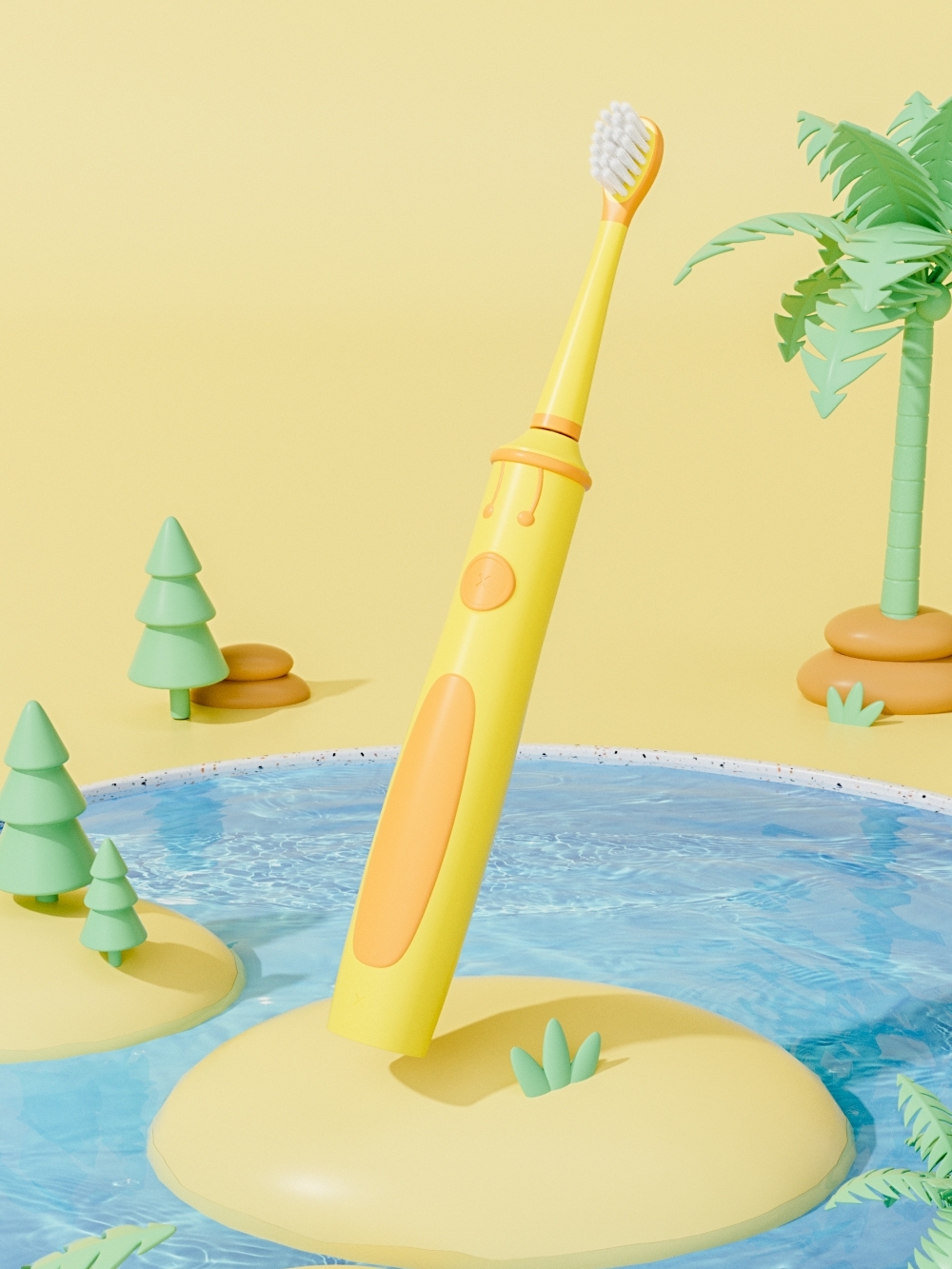
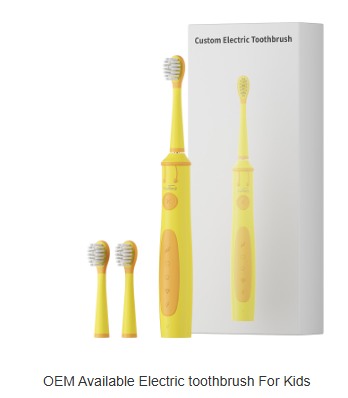
When it comes to children’s oral health, parents and brand owners alike share one major concern: safety. As Kids’ Electric Brushing grow in popularity, many are asking — are these devices truly safe for daily use by toddlers and kids? With features like soft bristles, food-grade silicone brush heads, and low-vibration technology, today’s kid-friendly electric toothbrushes offer more than just fun—they offer protection and peace of mind. For brands looking to enter this growing market, finding the right OEM manufacturer who prioritizes both functionality and child safety is key. The Shift Toward Electric for Children Traditional manual brushing can be ineffective for young children who lack dexterity. As a result, electric toothbrushes tailored for children have become a preferred choice among parents. They make brushing easier and more thorough, especially with built-in timers and ergonomic designs. However, it's crucial that these devices are developed with young users in mind—this is where product design and materials play a critical role. Soft Bristles: Gentle Yet Effective One of the first things to look for in a children’s electric toothbrush is the quality of the bristles. Ultra-soft bristles are designed to clean without damaging delicate enamel or irritating sensitive gums. Unlike adult toothbrushes, kid-specific…
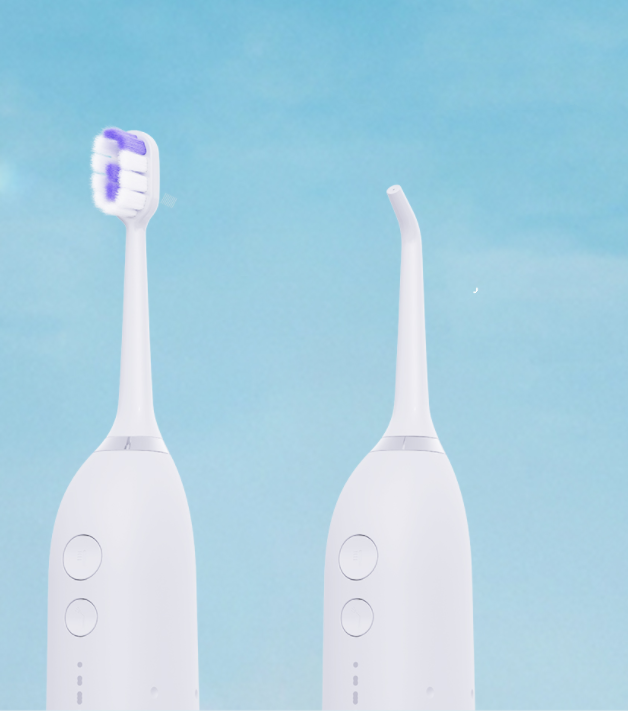
In today's fast-paced lifestyle, families are seeking effective and convenient solutions for maintaining oral hygiene. Traditional toothbrushes often fall short when it comes to comprehensive care across different age groups. That’s where the multi-function electric toothbrush comes in—a smart, efficient solution designed to meet the diverse needs of modern households. This blog highlights how brands can meet rising market expectations by offering all-in-one oral hygiene devices, while also emphasizing the importance of partnering with manufacturers that specialize in electric toothbrush quality manufacturing. What Is a Multi-Function Electric Toothbrush? A multi-function electric toothbrush goes beyond basic plaque removal. It combines features like: Multiple brushing modes (sensitive, whitening, deep clean) Replaceable brush heads for different age groups Built-in timers and pressure sensors Tongue-cleaning attachments UV sterilization or travel cases This all-in-one device supports complete family oral care, reducing the need for multiple products per household. Key Benefits for Family Dental Care A multi-function device offers families a simplified, hygienic, and cost-effective way to take care of everyone’s dental needs. Some key benefits include: Tailored care for all ages: Children, adults, and seniors can share a base unit with different brush heads and customized settings. Better oral health habits: Smart timers and reminders encourage consistent brushing…
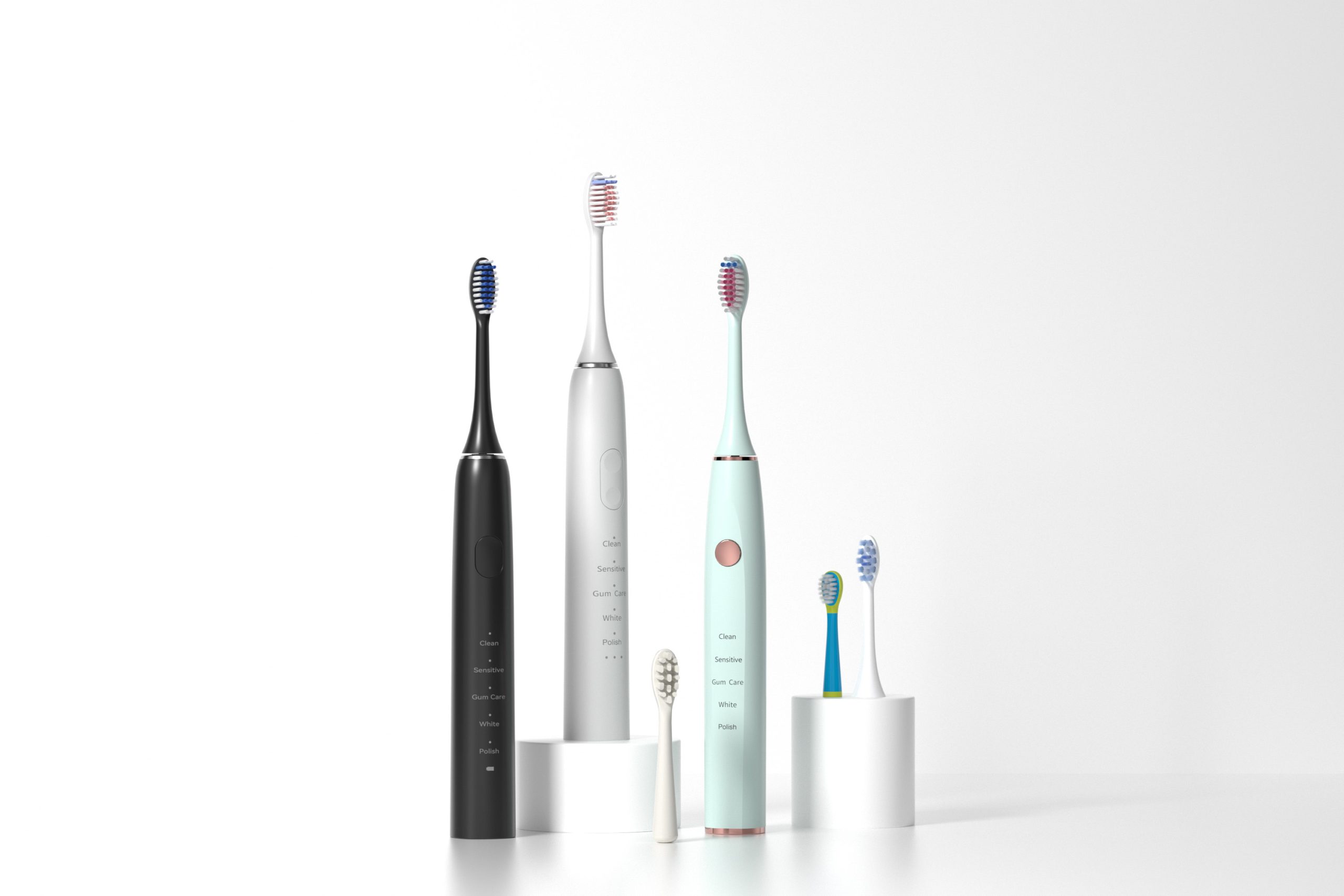
As the global demand for smart oral care devices continues to grow, many brands are turning to China to develop customized, innovative, and high-quality electric toothbrushes. With its mature supply chain, advanced production capabilities, and competitive pricing, China remains the leading destination for custom electric toothbrush sourcing. Whether you are an established oral care brand or a startup planning to launch a new product line, partnering with the right China toothbrush factory is essential. This guide will walk you through everything you need to know – from finding suppliers to understanding the OEM guide, and how to build your brand with OEM support. Define Your Product Requirements Before reaching out to manufacturers, clearly define what kind of custom electric toothbrush sourcing you’re looking for. Consider: Target market: Adult vs. kids, premium vs. budget Core features: Smart sensors, Bluetooth, pressure control, brushing modes Design customization: Color, brush head shape, logo placement Packaging requirements: Retail-ready vs. bulk Having a detailed product specification sheet helps you communicate your vision and ensures factories can assess feasibility and cost. Search for the Right China Toothbrush Factory There are thousands of factories across China, but not all specialize in electric toothbrush quality manufacturing. Focus your search on:…
Modern households are looking for convenience, performance, and cost-efficiency—even when it comes to oral hygiene. For brands developing a family toothbrush solution, the demand for smart, compact, and multifunctional products is growing rapidly.Consumers are shifting away from individual devices for every family member. Instead, they’re seeking space-saving oral care tools that can serve the whole household—without sacrificing hygiene or performance. For OEM electric toothbrush buyers, this creates a powerful opportunity to bring family-centric designs to market that offer quiet operation, easy brush head switching, and long battery life. The Value of a Shared Device with Individualized Functionality One of the key benefits of an all-in-one family toothbrush system is shared hardware with personalized usage. Most designs allow for individual brush heads—often color-coded or labeled—making it easy to maintain hygiene for multiple users. Moreover, when paired with smart brushing modes (such as child-friendly soft modes or deep-clean settings for adults), the device becomes a family toothbrush solution that adapts to different needs. This reduces clutter in the bathroom, simplifies charging, and lowers product cost per user—making it a smart offering for budget-conscious families and retailers alike. Quiet Performance: A Must-Have for Shared Living Spaces In family environments, noise levels matter. A…


.jpg)
.jpg)
.jpg)
.jpg)
.jpg)



.jpg)
.jpg)