
In recent years, the push for sustainability has gained significant traction across various industries, and the electric toothbrush manufacturing sector is no exception. With increasing environmental awareness and consumer demand for eco-friendly products, manufacturers are adapting by incorporating biodegradable materials and committing to green production processes. This blog explores how these trends are reshaping the electric toothbrush industry and why they’re crucial for the future of consumer goods.
As environmental concerns escalate, the electric toothbrush manufacturing industry is under increasing pressure to reduce its ecological footprint. Traditionally, these products have been made from plastics and other materials that contribute significantly to waste. However, manufacturers are now realizing the importance of shifting toward more sustainable practices. The key lies in integrating biodegradable materials and adopting green production techniques to minimize environmental impact throughout the product lifecycle—from design to disposal.
The shift towards biodegradable materials is one of the most significant developments in electric toothbrush manufacturing. Materials like plant-based bioplastics, bamboo, and recycled plastics are viable alternatives to conventional petroleum-based plastics. These materials not only reduce waste but also break down naturally in the environment, making them a much more sustainable choice for manufacturers and consumers alike.
For instance, using biodegradable materials in the handle or brush head of the electric toothbrush helps reduce the overall plastic waste generated by these products. This shift could have a significant impact on the environment, especially considering the global production scale of electric toothbrushes.
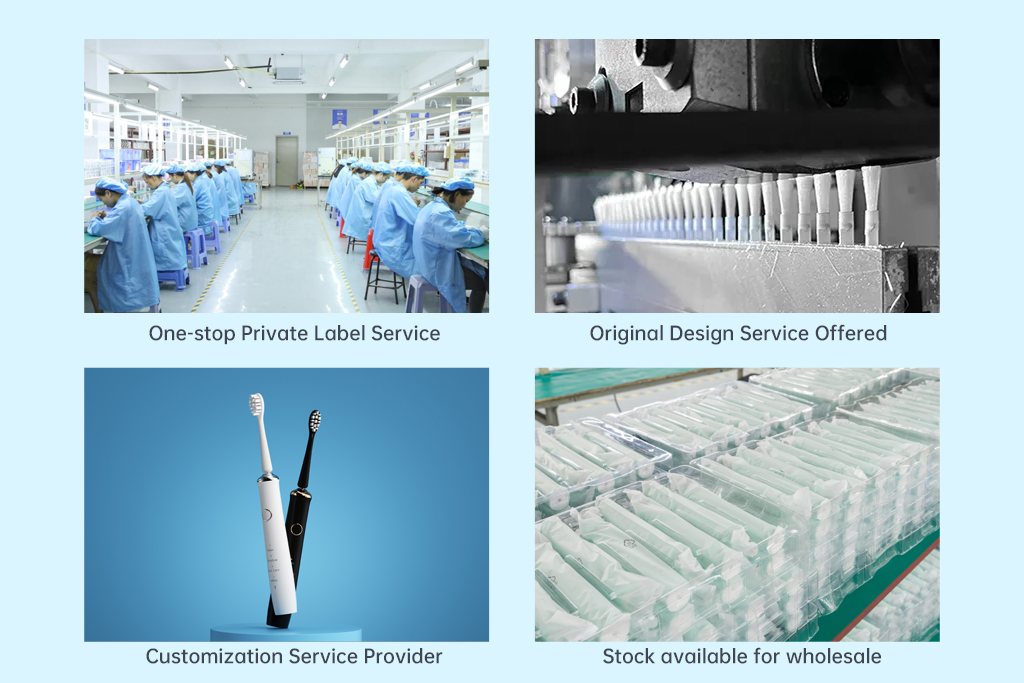
Green production goes beyond the materials used in product manufacturing; it also involves the processes employed to create the product. For electric toothbrush manufacturers, this means reducing energy consumption, cutting down on waste, and utilizing renewable energy sources during production. Factories that prioritize green production often focus on energy-efficient machinery, water conservation, and waste recycling.
Furthermore, many companies are choosing local suppliers to minimize transportation-related carbon emissions and opting for energy sources like solar or wind power to reduce reliance on fossil fuels. This holistic approach helps ensure that the entire manufacturing process is aligned with sustainability goals.
As more consumers become environmentally conscious, the demand for eco-friendly products, including electric toothbrushes, is on the rise. Today’s shoppers are looking for products that reflect their values, and they are willing to pay a premium for items made with sustainable materials and produced in an environmentally responsible manner. By integrating biodegradable materials and adopting green production practices, manufacturers can meet these growing consumer expectations and stay ahead of the competition in an increasingly eco-conscious market.
While the benefits of using biodegradable materials and embracing green production are clear, the transition is not without its challenges. Sourcing eco-friendly materials can be more costly, and ensuring that the new materials meet the durability and performance standards expected of electric toothbrushes requires ongoing innovation and testing. Additionally, integrating sustainable practices into the production process may involve upfront investments in new equipment or technologies, which can pose a financial hurdle for smaller manufacturers.
Despite these challenges, many manufacturers are finding ways to overcome them through research and development, as well as by partnering with organizations that specialize in sustainable materials and production techniques.
The future of electric toothbrush manufacturing is undeniably linked to environmental trends, and the integration of biodegradable materials and green production methods will play a key role in shaping the industry. As technology continues to evolve, manufacturers will have more tools at their disposal to create innovative and eco-friendly products that meet consumer demands while reducing environmental impact.
With growing pressure from both consumers and regulators, the industry’s shift toward sustainability. Manufacturers who invest in biodegradable materials and green production today are positioning themselves for long-term success in a world where sustainability is no longer just a trend, but a necessity.
In conclusion, electric toothbrush manufacturing is at a pivotal moment in its evolution. By embracing biodegradable materials and committing to green production, manufacturers can help reduce the environmental impact of personal care products and contribute to a more sustainable future. As the industry continues to innovate and adapt, the path forward looks increasingly green—and consumers will benefit from products that are both effective and environmentally responsible.
What Does Motor Lifecycle Testing Reveal About the Durability of a VCM Haptic Motor?
.jpg)
Whitening Device Customization Supplier
Capitalizing on US Demand: The Rising Trend of Water Flosser & Toothbrush Combos
What Competitive Oral Care Products Are Needed in the Highly Competitive Dental Care Market?
.jpg)
Essential points to entering oral care market in Southeast Asia
3 Potentially Dangerous Design Flaws in Home Whitening Kits: How to Identify Unsafe Whitening Devices Before Purchase
What is the Technical Core of an Electric Toothbrush?

Unveiling the production of electric toothbrushes
The Working Principle of Sonic Electric Toothbrushes
Why is an Alaska travel toothbrush designed as an Alaska rugged toothbrush?
Are Clinic Waiting Room Demos Safe?
Pregnancy Morning Sickness Oral Care: Gentle Toothbrush Guide
How Does Electric Toothbrush Recycling Work in Seattle?
DuPont Bristle Electric Toothbrush OEM
adult sonic toothbrush wholesale | High-Performance Sonic Toothbrush Bulk Supply

Market Analysis of Red and Blue Light Teeth Whitening Devices: How to Find a Teeth Whitening Device Breakthrough in Differentiated Technology?


.jpg)
.jpg)
.jpg)
.jpg)
.jpg)






.jpg)
.jpg)
.jpg)
.webp)