As electric toothbrush technology evolves, manufacturers are seeking solutions that offer greater precision, stability, and user comfort. Integrating a Linear Resonant Actuator (LRA) into the design significantly enhances both vibration control and mechanical accuracy. When paired with a well-engineered Brush Head Attachment Mechanism, LRAs provide refined motion output, improved oral-care performance, and a superior brushing experience—making them essential for next-generation toothbrush innovation.
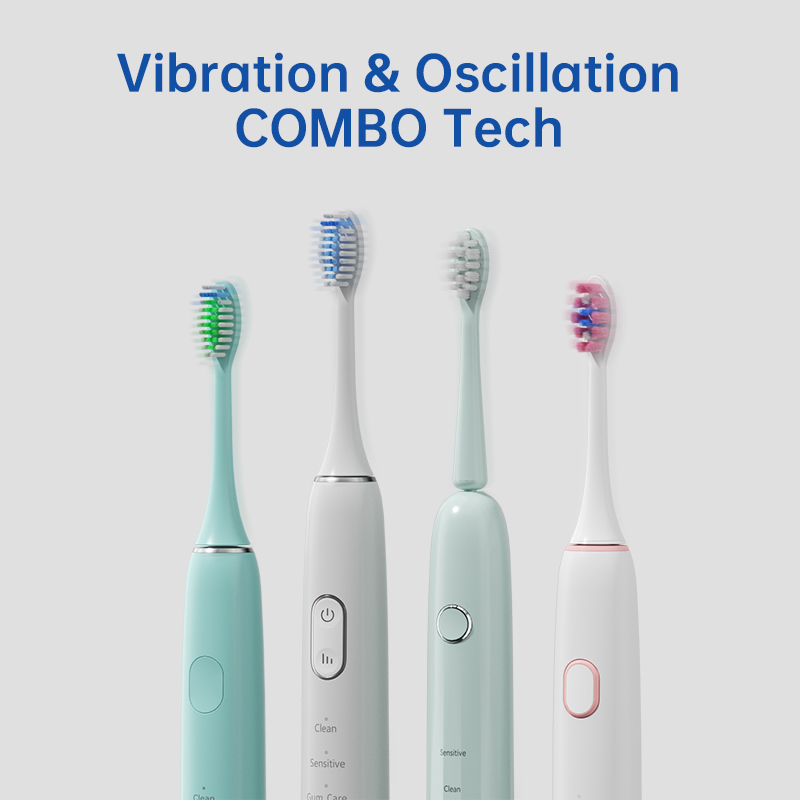
A Linear Resonant Actuator produces controlled, linear vibrations rather than random oscillation patterns. This stability allows the Brush Head Attachment Mechanism to transfer energy more evenly across the bristles. As a result, brushing becomes more consistent, efficient, and predictable—a key advantage for premium electric toothbrush models.
Traditional vibration motors can cause micro-misalignments over time. By contrast, LRAs reduce side-to-side movement and maintain precise alignment. This prevents loose fittings or wobbling in the Brush Head Attachment Mechanism, ensuring a longer product lifespan and better user experience for B2B buyers seeking durable OEM solutions.
One of the main benefits of LRAs is their smooth, low-noise operation. When integrated into the Brush Head Attachment Mechanism, vibrations feel more refined and less harsh on the gums. This greatly increases perceived product quality—helping brands differentiate their devices in competitive oral-care markets.
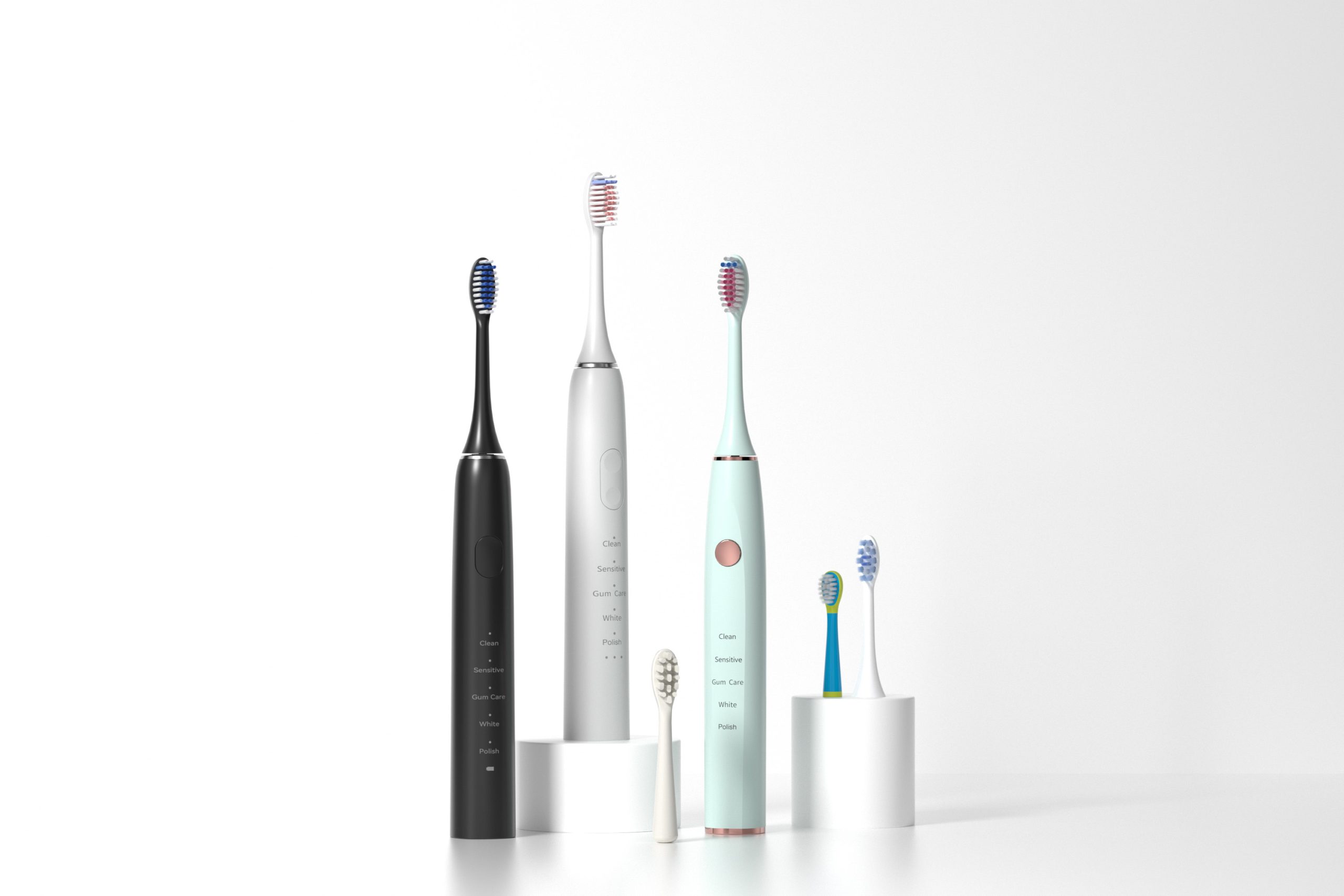
The responsiveness of a Linear Resonant Actuator allows manufacturers to design brushing modes with precise vibration frequencies. Whether targeting deep-cleaning, polishing, or gentle gum care, LRAs ensure the Brush Head Attachment Mechanism delivers accurate intensity levels. This gives users a more tailored brushing experience.
LRAs consume less power while delivering stronger, more controlled vibrations. This efficiency allows the Brush Head Attachment Mechanism to operate at peak performance without draining the battery quickly. For brands, this translates into longer runtime, less heat generation, and a higher-quality end product.
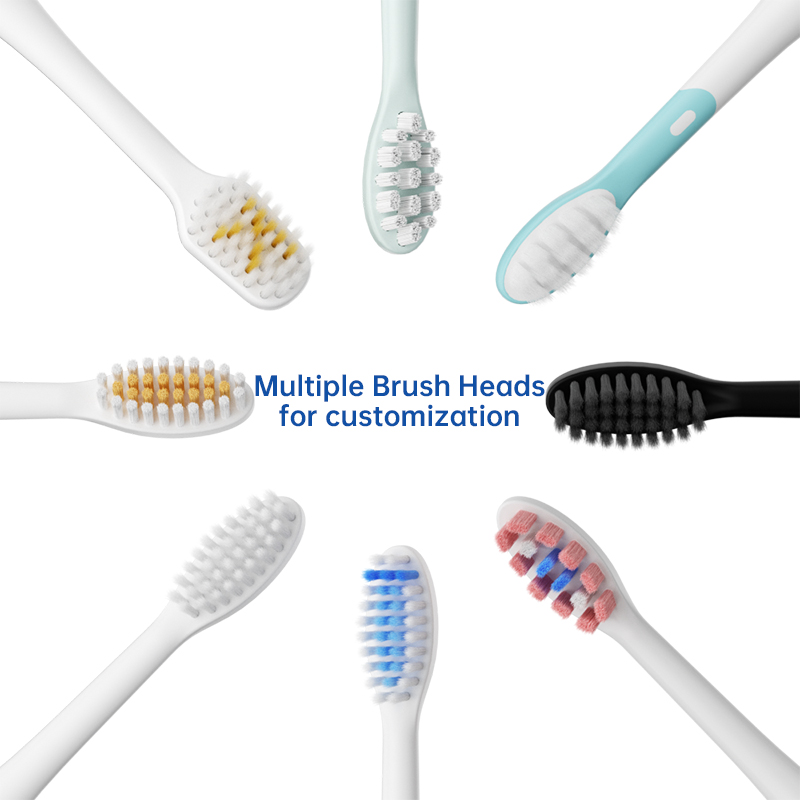
With stable, linear motion output, the Linear Resonant Actuator offers greater compatibility with various brush head shapes, materials, and smart features. Manufacturers can explore new geometries or soft-gum-care bristles knowing the Brush Head Attachment Mechanism will maintain accuracy and structural integrity. Contact us

Maximizing Profit Margins: How to Position Water Flossers as Premium Products
Essential Considerations for Electric Toothbrush OEM Projects
What Safety Precautions Should Be Taken When Installing the Electric Toothbrush Head?
A Strategic Guide to Selecting Your OEM Electric Toothbrush Charging Solution
What Are Eco-Friendly Toothbrush Bristles Made Of? A Guide for OEM Brands
.jpg)
Cordless Oral Irrigator Wholesale
4 Common Electric Toothbrush Mistakes and the OEM Features That Fix Them
Is a Teeth Whitening Pen the Ultimate On-the-Go Beauty Solution?

Need Packaging Customization Service for Products Containing a Lithium Battery Pack?
Can a Torque Control Motor Benefit from Advanced Kinematic Pair Design in Electric Toothbrushes?
Water Ingress Causing Motor Rust—How Serious Is It?
Electric Toothbrush with UV Cleaning Base | Advanced Oral Hygiene Solutions
Tray Warping with Switch Corrosion – Time to Replace?
.jpg)
How Can Water Flosser Manufacturing Process Create a Truly Eco-Friendly Oral Product?
Rechargeable Oral Care Kit Supplier | Complete OEM/ODM Solutions
1-scaled.jpg)
The Growing Demand for At-Home Teeth Whitening & What It Means for Brands


.jpg)
.jpg)
.jpg)
.jpg)
.jpg)






.jpg)

.jpg)