In the oral care and aesthetic device industry, regulatory approval is often seen as a benchmark of trust. However, while an FDA Approved Device confirms compliance with safety and regulatory requirements, it does not automatically ensure effective Sensitivity Reduction. For B2B manufacturers and OEM partners, understanding this distinction is essential when designing products that balance compliance, performance, and user comfort.
An FDA Approved Device meets defined safety, manufacturing, and labeling standards. However, FDA approval focuses on risk control rather than guaranteeing outcomes such as Sensitivity Reduction.
Safety and comfort are related but not identical. While an FDA Approved Device is safe for intended use, Sensitivity Reduction depends on formulation, exposure time, and device interaction beyond regulatory minimums.
Engineering factors such as output control, material selection, and delivery precision strongly influence Sensitivity Reduction. These elements must be optimized independently of FDA Approved Device status.
Sensitivity often arises from system mismatches. Even with an FDA Approved, improper gels, trays, or applicators can increase discomfort, undermining Sensitivity Reduction goals.
FDA approval does not replace real-world testing. Demonstrating Sensitivity Reduction typically requires additional clinical studies, user trials, and performance evaluations beyond regulatory clearance.
OEM brands must communicate clearly that FDA Approved status ensures safety, not guaranteed comfort outcomes. Positioning Sensitivity Reduction as a design and formulation achievement builds credibility and trust.
An FDA Approved Device provides a strong foundation of safety and compliance, but it does not inherently guarantee Sensitivity Reduction. For B2B manufacturers and OEM partners, achieving true user comfort requires thoughtful system design, compatible components, and validation beyond regulatory approval alone. Contact us
Can Smart App Connectivity Be Leveraged to Manage Brush Head Replacement Supply?
.jpg)
Foldable Travel Water Flosser Wholesale – Compact Portable Oral-Care OEM Solutions
Whitening Device Packaging Customization for OEM and ODM Brands
What Is the Safest Teeth Whitening Method?
Fourth of July Red Blue Electric Toothbrush
How Does a Whitening Pen Embody the Ultimate Portable Design for On-the-Go Care?

Can a Water Pump OEM Ensure Consistency Without a Flow Rate Calibration Tool?

Does Jet Stream Precision Depend on Long-Term Hose Durability?
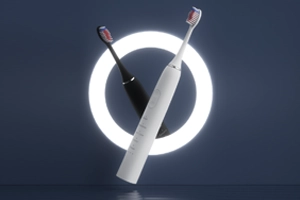
Electric Toothbrush Demo Units – OEM Manufacturing for Dental Offices
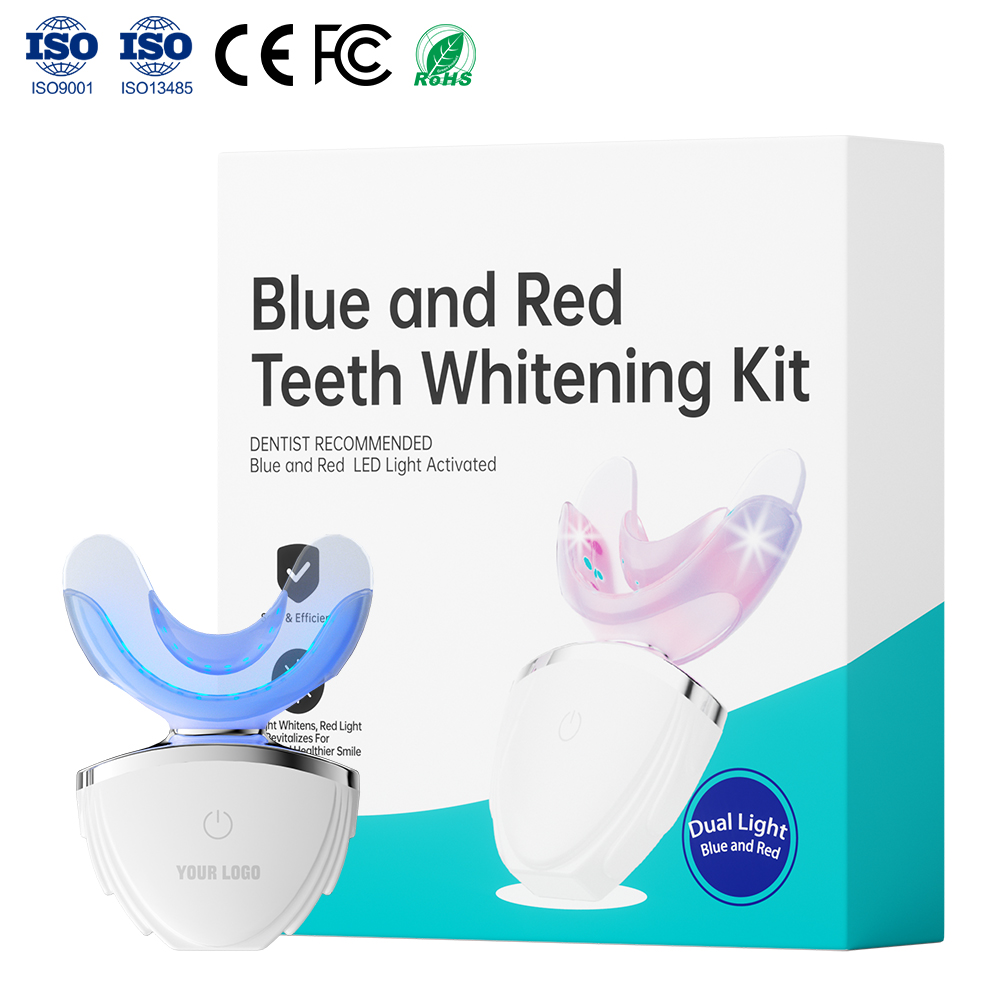
Is Whitening Kit Certification Necessary for Marketing a Portable Whitening Kit Globally?
.jpg)
How often should you change your brush head for optimal cleaning?
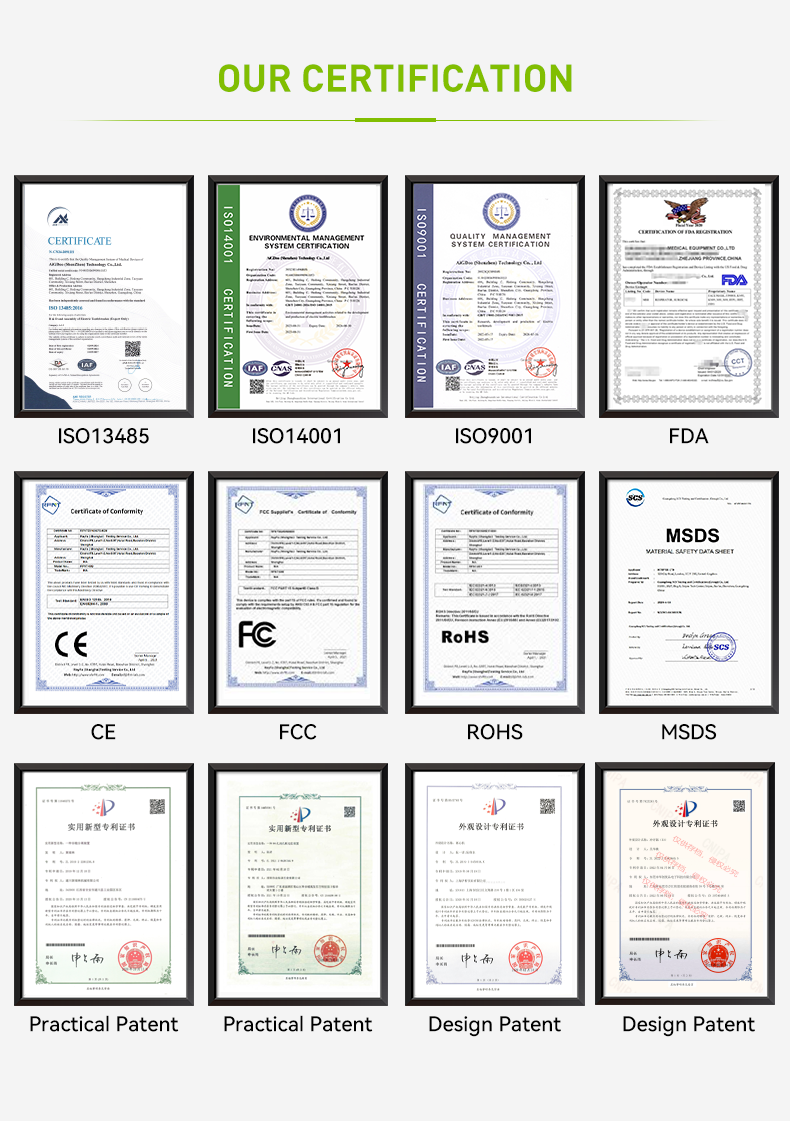
Why Add a UV Sanitizing Component When Oral Care Kit Bundling for Travel?
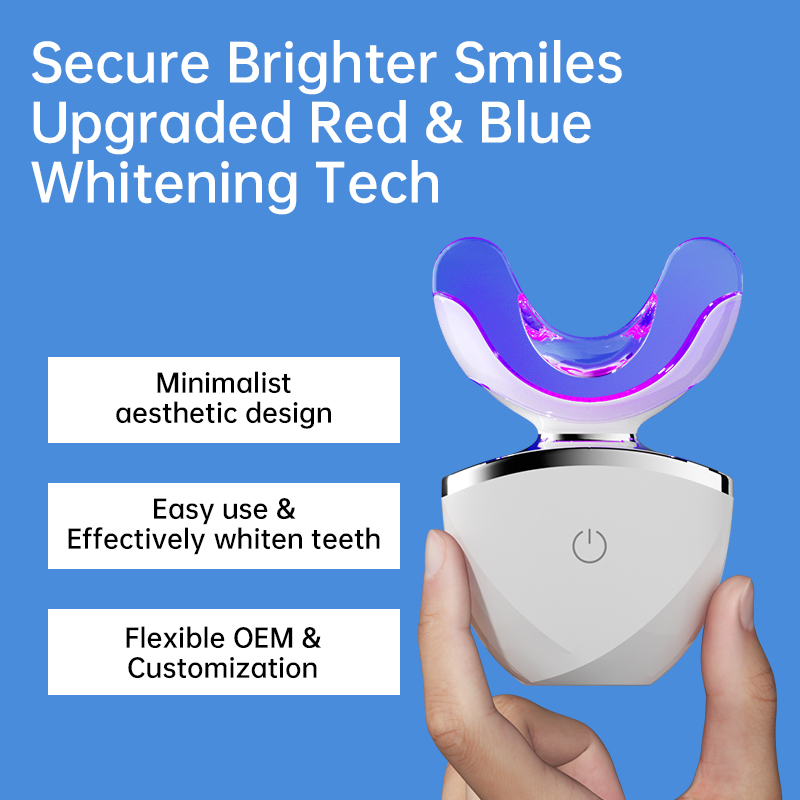
How Does an Accelerated Whitening Formula Work with a Built-in Timer Function?
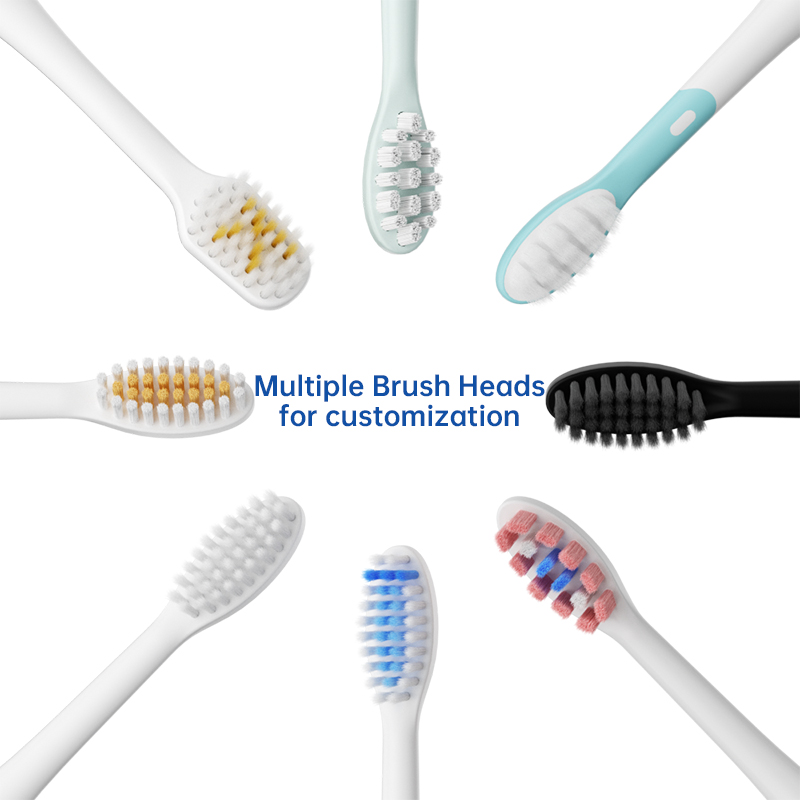
Electric Toothbrush Subscription Programs for Recurring Revenue
How Does Including a Wireless Charging Module Influence Kit Packaging Design?
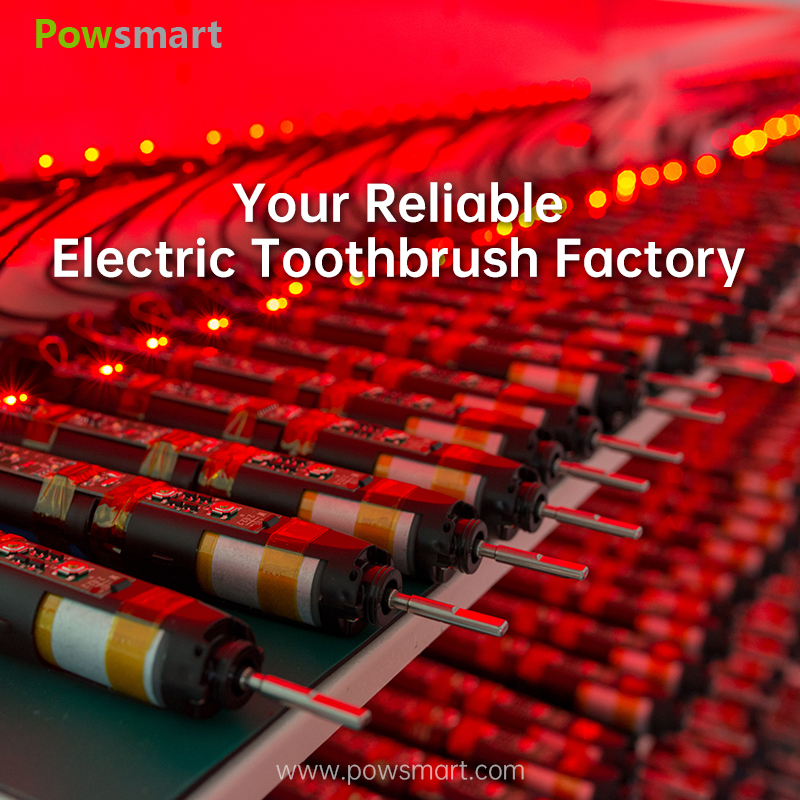
ADA Accepted Electric Toothbrush OEM – Certification Support


.jpg)
.jpg)
.jpg)
.jpg)
.jpg)






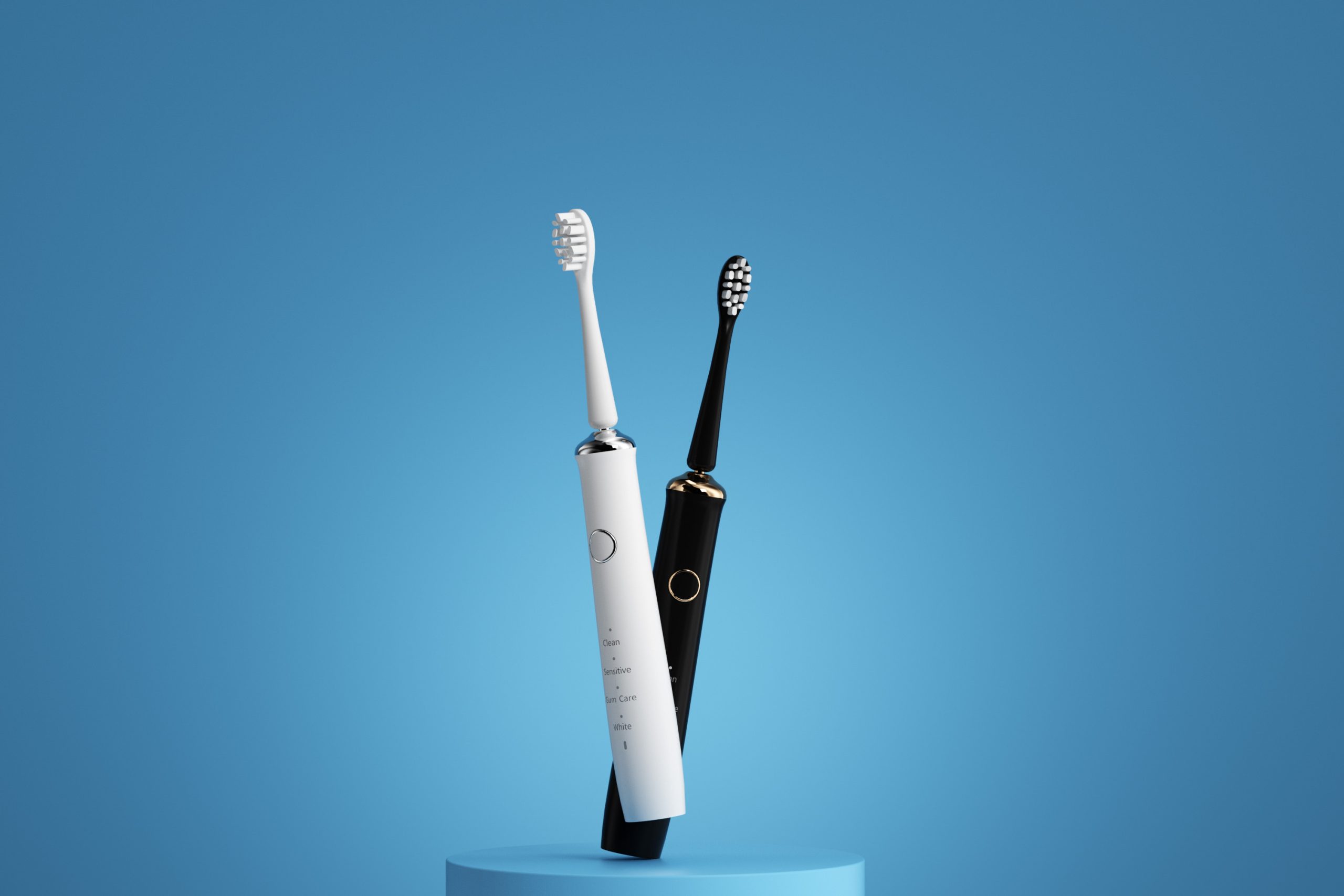
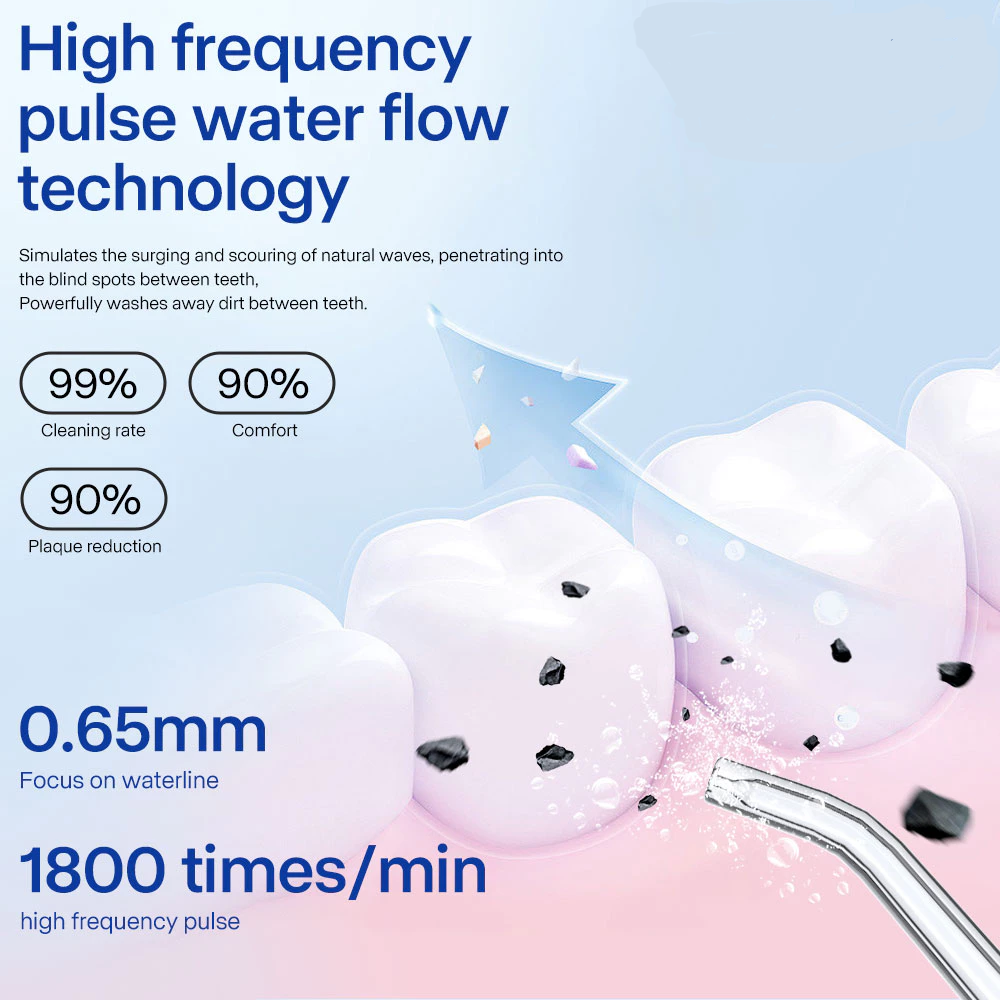
1-scaled.jpg)