The electric toothbrush industry has seen significant growth in recent years, with innovations in technology and design continually shaping the market. However, one often overlooked aspect that plays a crucial role in the final product’s quality and compliance is the electric toothbrush labeling process. Proper labeling not only ensures compliance with regulatory standards but also improves brand visibility and consumer trust. In this blog, we’ll provide a comprehensive analysis of the complete cycle of electric toothbrush labeling, exploring each stage of the production process from design to shipment.
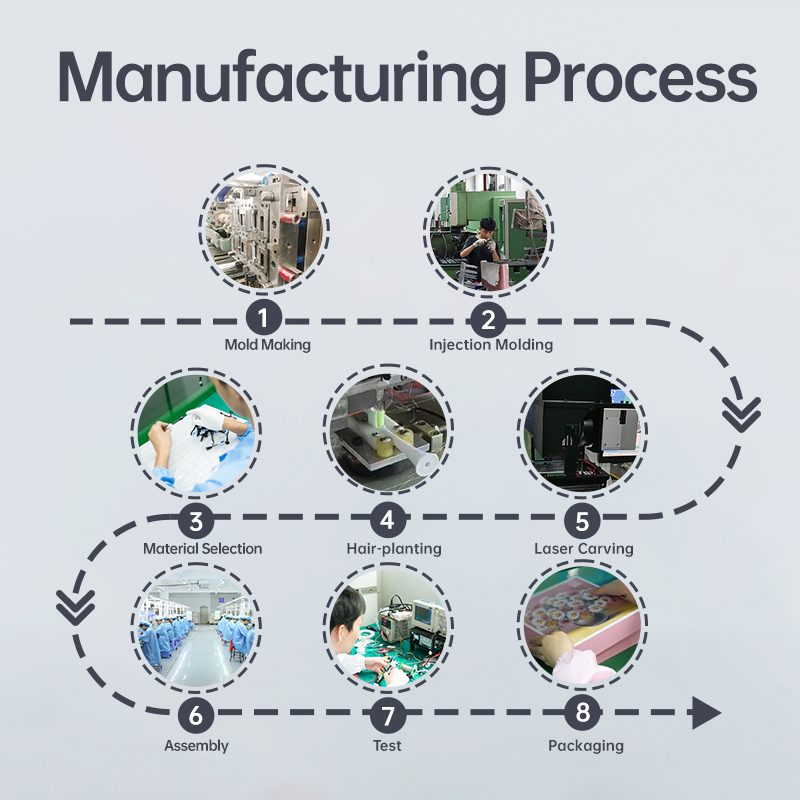
During the product’s initial design phase, manufacturers need to decide on the specific labels that will appear on the packaging and the product itself. These decisions are crucial for ensuring that the complete cycle of electric toothbrush labeling aligns with both regulatory requirements and marketing strategies.
At this stage, the focus is on design aesthetics, as well as key regulatory elements such as:
The design should reflect the company’s brand image while also providing clear, concise, and easy-to-read information for the end consumer.
Once the label design is conceptualized, it must undergo a rigorous approval process to ensure it meets various regulatory standards. Different regions may have varying requirements for electric toothbrush labeling, such as language preferences, compliance symbols, and even specific guidelines for health and safety warnings.
Manufacturers typically work with legal teams or compliance experts to confirm that the labels meet the following criteria:
This step is crucial in ensuring that the production process from design to shipment is not delayed due to non-compliance with legal or market-specific requirements.
With the label design approved, the next phase involves the actual production of the labels. This step is critical as it determines the durability and clarity of the labeling on the final product. The choice of materials for the label and printing methods directly affects its performance in various conditions, such as moisture, temperature, and wear over time.
Key factors to consider in label production include:
At this stage, ensuring the quality of labels is essential to avoid any damage or issues during the later stages of the production process from design to shipment.
The next step is applying them to the actual electric toothbrush units. This part of the process is to improve efficiency and reduce production time.
Automated labeling machines help apply labels to the toothbrushes with high precision. The integration of the electric toothbrush labeling process into the assembly line also helps streamline the overall workflow and ensures consistency in labeling placement and quality. For some manufacturers, this stage may involve multiple quality checks to verify that labels are correctly positioned, legible, and free from defects.
Moreover, this phase also includes the packaging of the product with the correct labels for retail distribution, ensuring that the entire complete cycle of electric toothbrush labeling.
Before the shipment of electric toothbrushes, they undergo a final quality control (QC) inspection. The QC process ensures that both the toothbrush units and their labels meet the required standards in terms of appearance, functionality, and compliance.
Key elements inspected during this stage include:
This stage is critical to prevent any potential issues that could arise from incorrect labeling, which could lead to customer dissatisfaction or legal problems.
The final step in the production process from design to shipment is the actual delivery of the labeled electric toothbrushes to retailers, distributors, or customers. At this stage, the focus shifts to logistics, ensuring that the shipment of products are efficient and safe.
This phase often involves:
As with every other stage of the electric toothbrush labeling process, ensuring that the right labels are attached and visible on the outer packaging is essential for smooth delivery and customer satisfaction.
In conclusion, the complete cycle of electric toothbrush labeling is a detailed and multifaceted process that spans from the initial design phase to the final shipment. Every stage, from conceptualization to application and inspection, plays a vital role in ensuring the product is market-ready and compliant with relevant regulations. By carefully managing each step of the production process from design to shipment, manufacturers can ensure that their products are not only functional but also safe and well-presented for consumers.
By following these steps and focusing on quality at each phase, manufacturers can build trust with their customers and set themselves up for success in the competitive electric toothbrush market.
.jpg)
Teeth Whitening Device OEM Solutions for Cosmetic Oral Care Brands
Electric Toothbrush OEM Cooperation Process

Are Water Flossers Bad for You? Safety Evaluation
Custom Electric Toothbrush Supplier | Powsmart
Wholesale Electric Toothbrush: 2026 Market Trends
Why Adopt Latest Toothbrush Manufacturing Technology to Meet Toothbrush Production Standards?

Electric Toothbrush Wholesale Fort Worth Texas

How to Reduce the Failure Rate of Your Electric Toothbrush
safe-at-home-teeth-whitening-tools-guide
High Frequency 40000 VPM Electric Toothbrush Manufacturer
How Does the Choice of Handle Grip Material Influence the Design of a Custom Brush Cap?
How to Choose the Most Suitable Nozzle of the Oral Irrigator?

Need Bulk Electric Toothbrush Procurement from a Reliable OEM Electric Toothbrush Manufacturing Partner?
After Nozzle Tip Molding, How Crucial Is Seal Failure Testing for Flosser Reliability?

How to Judge Whether a factory’s R&D capabilities Is Strong?
Water Flosser with UV Sanitizer ODM | Smart Oral Care Solutions


.jpg)
.jpg)
.jpg)
.jpg)
.jpg)