
.jpg)
In the realm of oral care devices, fluid-handling components, and consumer appliances, tank scaling is more than just a hygiene concern—it’s a silent disruptor that may lead to part incompatibility. For B2B clients, this doesn’t just translate into performance instability but also impacts assembly efficiency, aftersales costs, and long-term product reliability. What is Tank Scaling and Why Is It So Common? Tank scaling refers to the accumulation of mineral deposits—mostly calcium and magnesium—from hard water inside water tanks and flow systems. It’s especially prevalent in: Water flossers Steam-based devices Refillable hygiene tools Appliances operating under heating-cooling cycles Scaling manifests as white residues, internal roughness, and narrow flow paths—often overlooked but extremely damaging to component fit and function. How Does Tank Scaling Trigger Part Incompatibility? Although mineral buildup might seem cosmetic, its functional consequences can be severe: Seal ring misfit: Scaling disrupts the micro-fit between O-rings and their grooves. Connector misalignment: Deposits can block snap-fit joints, threads, or sliding locks, leading to assembly misalignment or breakage. Thermal mismatch stress: Mineral crusts expand and contract differently than plastic or metal parts, causing long-term strain or shift. Replacement failure: Once scaled, even OEM replacement parts might not fit or function properly. This “invisible…
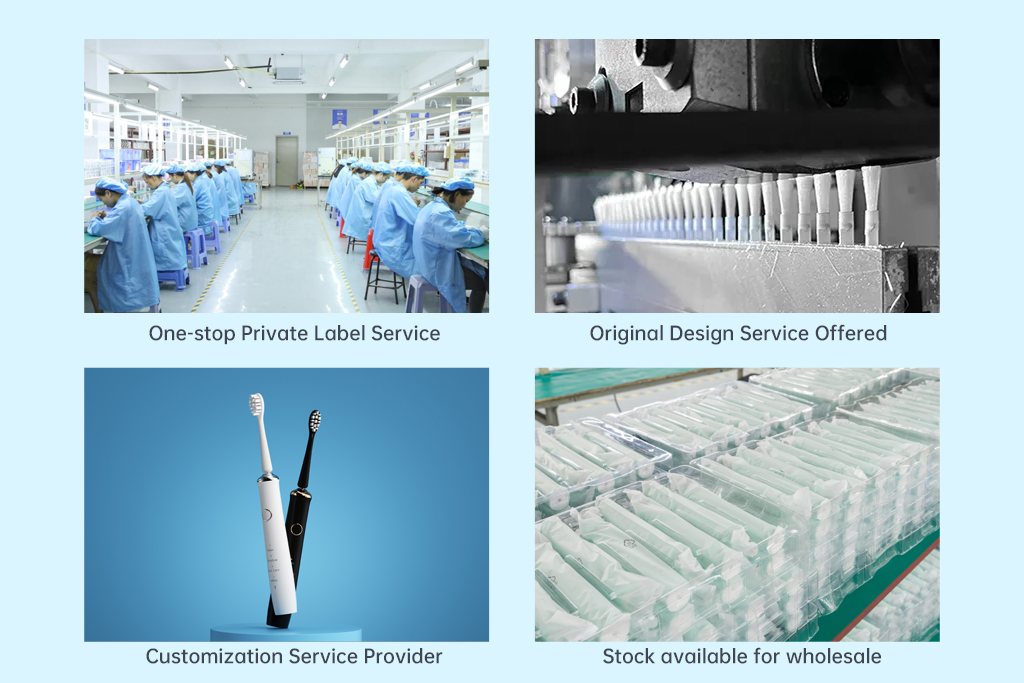
In recent years, the oral care industry has undergone significant transformation. From traditional toothpaste and manual brushes to smart electric toothbrushes and eco-friendly oral irrigators, consumer preferences are rapidly evolving. Understanding this consumer behavior shift is crucial for brands looking to capitalize on the growing oral care product demand. As expectations increase, so does the opportunity—especially for brands seeking private label manufacturing solutions that align with the latest oral care trends. The Rise of Wellness-Driven Oral Care Consumers are no longer just buying oral care products to “clean teeth”—they’re looking for complete wellness solutions. This shift includes: Products that support gum health, breath freshness, and whitening Clean-label ingredients (fluoride-free, alcohol-free, SLS-free) Sustainability and recyclable packaging These trends have led to a surge in demand for premium oral care products, particularly those backed by science and crafted with wellness in mind. Personalization and Technology: Meeting New Expectations Another driver of change is personalization. Consumers now expect oral care solutions tailored to their needs—sensitive teeth, orthodontic support, whitening goals, etc. Tech-savvy shoppers also gravitate toward products that integrate technology, such as: Bluetooth-enabled electric toothbrushes Adjustable-pressure oral irrigators Smart timers and brushing analytics Manufacturers that can support brands with these innovations are gaining ground in…
In recent years, the oral care industry has undergone significant transformation. From traditional toothpaste and manual brushes to smart electric toothbrushes and eco-friendly oral irrigators, consumer preferences are rapidly evolving. Understanding this consumer behavior shift is crucial for brands looking to capitalize on the growing oral care products demand. As expectations increase, so does the opportunity—especially for brands seeking private label manufacturing solutions that align with the latest oral care trends. The Rise of Wellness-Driven Oral Care Consumers are no longer just buying oral care products to “clean teeth”—they’re looking for complete wellness solutions. This shift includes: Products that support gum health, breath freshness, and whitening Clean-label ingredients (fluoride-free, alcohol-free, SLS-free) Sustainability and recyclable packaging These trends have led to a surge in demand for premium oral care products, particularly those backed by science and crafted with wellness in mind. Personalization and Technology: Meeting New Expectations Another driver of change is personalization. Consumers now expect oral care solutions tailored to their needs—sensitive teeth, orthodontic support, whitening goals, etc. Tech-savvy shoppers also gravitate toward products that integrate technology, such as: Bluetooth-enabled electric toothbrushes Adjustable-pressure oral irrigators Smart timers and brushing analytics Manufacturers that can support brands with these innovations are gaining ground in…
.jpg)
In today's competitive oral care market, cleaning performance is a key differentiator for any electric toothbrush brand. Whether you’re launching a new line or improving your current offering, choosing the right electric toothbrush factory can make or break product performance. Key factors such as sonic technology, brush head design, and quality OEM manufacturing standards all influence the outcome. This blog explores how different factories vary and what to consider when selecting the right partner. The Role of Sonic Technology in Deep Cleaning Toothbrushes One of the primary factors impacting cleaning efficiency is the type of motor technology used. Advanced sonic technology enables toothbrushes to deliver up to 40,000 strokes per minute, creating microbubbles that reach deep between teeth and along the gum line. However, not all electric toothbrush factories implement this technology equally. Top-tier factories invest in high-frequency, stable sonic motors. Lower-end suppliers may compromise on vibration strength and consistency. When selecting a supplier, always evaluate their motor sourcing and engineering capabilities to ensure your brand offers a true deep cleaning toothbrush experience. Brush Head Design: The Unsung Hero of Cleaning Performance Another critical but often overlooked component is the brush head design. Factors such as bristle material, tufting density, and head shape directly impact how…
In the world of oral care devices, particularly water flossers and portable irrigators, two recurring issues often surface in user feedback: hose rupture and gum discomfort. While at first glance these may seem like independent problems—one mechanical, the other user-centric—they are more closely linked than most manufacturers assume. Understanding this relationship is crucial for OEM/ODM suppliers aiming to improve product quality and user satisfaction. What Is Hose Rupture and Why It Occurs A hose rupture refers to internal or external cracking, splitting, or bursting of the fluid delivery tube due to: Material fatigue over repeated use cycles Manufacturing defects or uneven wall thickness Exposure to hot water or pressure surges Poor bonding or aging of inner lining This rupture can be partial (micro-leaks, hairline cracks) or complete (visible burst), both of which can severely affect fluid dynamics. How Ruptures Alter Spray Characteristics When a hose ruptures, even minutely, it disrupts the pressure equilibrium and flow consistency. Instead of a steady, focused jet, users may experience: Irregular pulsation Unpredictable spray angles Surges or drops in pressure This instability in water delivery is one of the hidden contributors to gum discomfort, as the user’s soft tissues are exposed to unexpected force or…
In the development of oral care and medical-grade fluid devices, seal degradation is often an underestimated issue. However, when seal integrity is compromised, it can lead to unintended pressure irregularities, fluid leaks, or component misalignment—conditions that directly contribute to tissue trauma during user interaction. For B2B manufacturers and OEM/ODM partners, exploring this link is critical to reducing user complaints and enhancing product performance. What Is Seal Degradation? Seal degradation refers to the gradual breakdown of sealing materials used in devices such as water flossers, irrigators, or other pressurized instruments. This degradation may be caused by: Prolonged exposure to moisture, chemicals, or heat Repeated mechanical compression or tension Inferior material selection (e.g., low-grade silicone or rubber) Poor bonding during manufacturing Once degraded, seals can become brittle, lose elasticity, or even crack, resulting in a partial or complete loss of containment. How Degraded Seals Disrupt Fluid Dynamics When a seal begins to fail, pressure regulation becomes unstable. This often results in: Sudden water spurts or drops in pressure Fluid leakage around the nozzle or base Internal backflow into unintended compartments This unstable delivery system is not only inefficient—it may also direct water or air at unpredictable angles and intensities, inadvertently causing tissue…
When it comes to user comfort and device safety in oral care electronics, two issues often arise separately—battery bloating and jaw fatigue. However, when these two problems appear simultaneously, it raises an important question: are they truly unrelated, or is there a hidden mechanical and ergonomic link that manufacturers need to address? This blog explores the subtle yet critical relationship between battery deformation and user fatigue, especially in handheld dental care products like electric toothbrushes and water flossers. What Is Battery Bloating and Why Does It Matter? Battery bloating refers to the swelling of a lithium-ion battery due to internal gas buildup, often caused by: Overcharging or thermal stress Internal short circuits Poor-quality cell packaging Inadequate protective circuitry When a battery swells, it doesn’t just compromise internal integrity—it can physically distort the device’s outer shell, including the handle, affecting both ergonomics and functionality. Structural Deformation Alters Grip Dynamics Battery bloating can subtly warp the handle's shape, making it harder for users to maintain a relaxed grip. A swollen or misaligned casing may: Increase the grip force needed to hold the device steadily Create imbalanced weight distribution Misalign buttons, increasing operation strain These structural shifts force the jaw and hand to…
.jpg)
Changing Consumer Preferences in Oral Care In today’s health-conscious market, more consumers are shifting from manual to electric toothbrushes. This isn’t just a trend—it’s a transformation. Understanding the electric vs manual toothbrush debate is crucial for any brand looking to stay competitive in the growing oral care market.This blog outlines why consumers are making the switch, what this means for product development, and offers a practical guide for brands & factories on how to capitalize on this demand through the right oral care OEM partnerships. Electric vs Manual Toothbrush: What’s Driving Consumer Preferences? The shift in consumer preferences is largely driven by perceived and real advantages of electric toothbrushes over manual ones: Convenience and ease of use: Electric toothbrushes require less effort and ensure more consistent brushing techniques. Smart features: Timers, pressure sensors, and app integration help users improve their brushing habits. Aesthetic appeal: Sleek designs, USB charging, and portability make electric models more appealing to modern consumers. With digitalization and increased oral health awareness, consumers are increasingly seeing electric toothbrushes as essential rather than optional. Oral Health Benefits That Influence the Buying Decision Clinical studies and marketing campaigns continue to highlight the superior oral health benefits of electric toothbrushes:…
In the field of oral care product manufacturing, user comfort is just as critical as device performance. One increasingly reported issue in water flossers and similar products is nerve sensitivity triggered by inconsistent spray patterns. This phenomenon, often dismissed as a minor user discomfort, can in fact indicate deeper engineering and quality control challenges. In this blog, we’ll explore the root causes, implications, and solutions for this overlooked problem. Understanding Inconsistent Spray: Beyond Surface-Level Irritation Inconsistent spray occurs when water pressure fluctuates during operation, producing bursts or weak streams in a non-uniform pattern. It is typically caused by: Air bubbles trapped in water lines Malfunctioning or poorly designed pump mechanisms Blockages or partial clogging in the nozzle Irregular electrical signal output from the motor Though it might seem trivial, the impact of an inconsistent spray on oral tissue—especially near sensitive nerve endings—can be quite significant. How It Triggers Nerve Sensitivity The human mouth contains a dense network of nerve endings, particularly around the gums, roots, and inside the cheeks. Abrupt or pulsating pressure spikes from an inconsistent spray can overstimulate these nerves, leading to: Sharp tingling sensations Throbbing discomfort post-use Heightened pain for users with existing dental sensitivity This nerve…
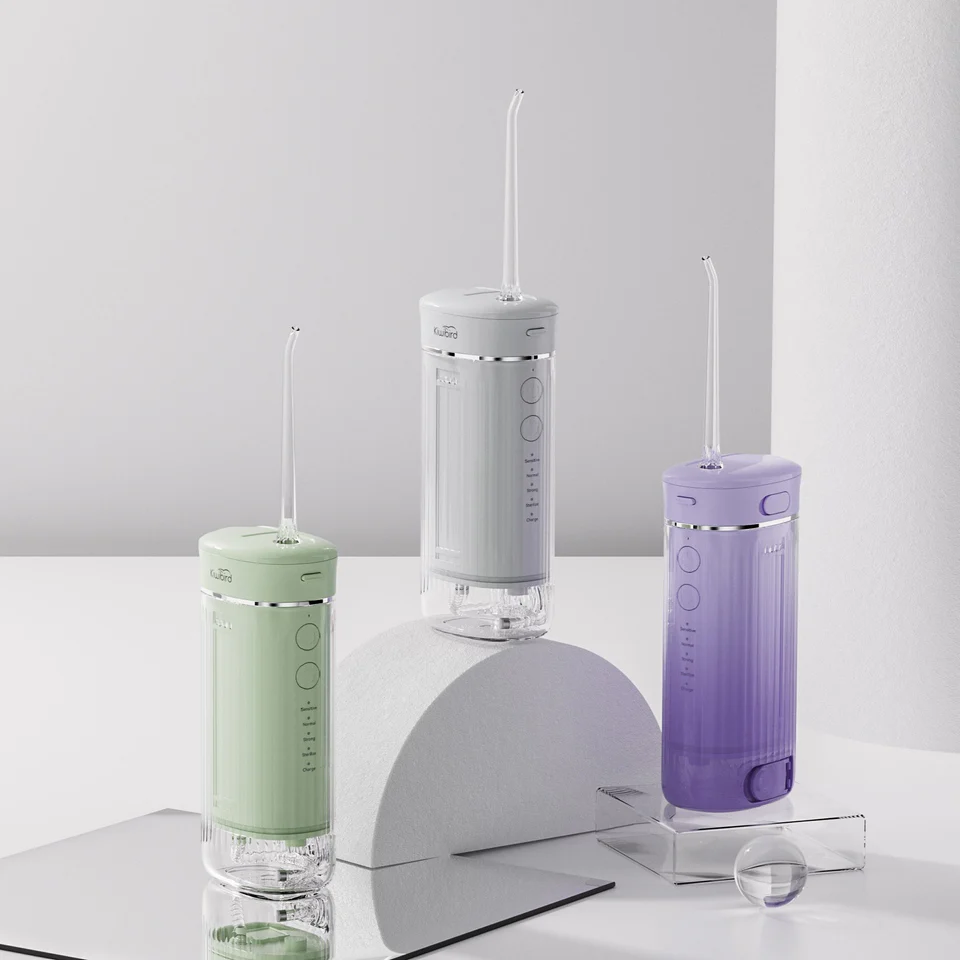
In today’s oral care market, consumer awareness of oral health benefits has never been higher. While electric toothbrushes remain a staple, water flossers are quickly gaining traction thanks to their ability to clean deep between teeth and support gum health. For brands looking to expand oral care line, adding a competitive, high-quality water flosser is both a strategic and timely move.This blog offers a guide for brands & factories, showing how to identify opportunities, understand competitive features, and partner with the right OEM manufacturers. Why Water Flossers Are Key to Oral Care Expansion Water flossers are no longer niche. They are becoming a standard part of modern oral hygiene routines—especially for users with braces, implants, or gum sensitivity. Key oral health benefits include: Gentle, effective cleaning around gums Enhanced plaque removal from hard-to-reach areas Reduction in gingivitis and bleeding gums For brands, this growing demand translates into a profitable opportunity. Expanding your lineup with a strong water flosser product signals innovation, responsiveness to consumer trends, and leadership in the full oral care line. What Makes a Water Flosser Competitive? To succeed, a water flosser must stand out in terms of both function and form. Here are the key factors that define water flosser…
In the competitive world of personal care device manufacturing, cosmetic defects are often considered secondary. However, when brush discoloration becomes a recurring issue, it may be more than a visual flaw—it can be an early sign of material degradation that leads to allergy outbreaks among users. This blog explores how these two seemingly unrelated issues are in fact closely connected, and what manufacturers must do to address them. What Is Brush Discoloration and Why It Happens Brush discoloration refers to changes in color or surface texture of bristles over time or after limited usage. Common causes include: Oxidation of dye or bristle materials Reaction with toothpaste chemicals or mouthwash agents UV degradation from prolonged light exposure Contamination from moisture or microbial growth While often dismissed as cosmetic, this discoloration may reflect chemical instability—raising red flags for B2B buyers concerned about quality and safety. Link Between Material Changes and Allergy Outbreaks Discolored bristles may signal deeper material breakdown. During degradation, polymers can release residual monomers, plasticizers, or dyes, many of which are known skin or mucosal irritants. These substances may cause: Contact dermatitis around the lips or gums Oral mucosal inflammation Itching, swelling, or rash—typical allergy outbreaks Hypersensitivity reactions among users…
In modern oral care technology, safety features such as overheating alerts are designed to protect both users and devices. Yet in some cases, repeated overheating incidents can have unexpected consequences, including accelerated root exposure. This blog unpacks how thermal stress can damage gum tissue and compromise long-term dental health—an issue manufacturers must not overlook. What Are Overheating Alerts and Why They Trigger Overheating alerts are built-in safety mechanisms that detect excessive motor temperatures or circuit heat. They serve to: Prevent battery or motor failure Minimize fire hazards Protect electronic components However, frequent activation of these alerts signals that internal heat levels exceed design thresholds. When devices run hot during prolonged use, the thermal load can radiate to the brush head or irrigator tip, transferring heat to delicate gum surfaces. How Heat Can Accelerate Root Exposure When a device’s contact surfaces repeatedly overheat, several physiological responses occur: Gum tissue shrinks under sustained thermal stress Microcirculation becomes impaired, delaying healing Periodontal attachment weakens, leading to root exposure Users may notice receding gumlines and increased tooth sensitivity Thus, even if an overheating alert temporarily protects hardware, it does not reverse thermal damage already inflicted on oral tissues. Company web:https://www.powsmart.com/product/electric-toothbrush/ Indicators That Your Product…
As the oral care device industry moves toward smarter and more efficient products, two recurring challenges have drawn the attention of both OEM/ODM manufacturers and end-users: weak vibration and sensor failure. While either issue alone can impact performance, their combination presents a serious threat to product reliability, user satisfaction, and brand credibility. But is this double malfunction an avoidable design flaw—or an inevitable risk of advanced technology? What Causes Weak Vibration in Sonic Devices? Weak vibration in sonic toothbrushes or oral irrigators usually stems from: Motor degradation due to prolonged use or substandard components; Power supply inconsistencies such as battery voltage drops; Loose internal connections caused by assembly errors or material fatigue. When vibration intensity weakens, plaque removal efficiency plummets, compromising the primary function of the device. Customers may feel the product is ineffective or defective, triggering complaints and returns. Understanding Sensor Failure in Oral Care Devices Simultaneously, sensor failure—whether pressure sensors, position detectors, or usage timers—leads to operational inaccuracy. Common reasons include: Faulty PCB design or low-grade electronic components; Software glitches causing misinterpretation of user input or position; Environmental factors like moisture ingress or temperature fluctuations. A failed sensor may not detect excessive brushing pressure or incorrect positioning, raising…
As the demand for high-performance electric toothbrushes continues to rise, unexpected issues such as charging port damage and bristle shedding are becoming more frequently reported. At first glance, these two failures may seem unrelated, affecting different parts of the device. However, are they truly isolated problems—or is there a hidden connection that manufacturers must address to maintain product reliability and user satisfaction? Understanding Charging Port Damage in Oral Care Devices Charging port damage occurs when the power inlet on an electric toothbrush becomes worn, corroded, or physically compromised. This can result from: Repeated plugging and unplugging over time; Exposure to moisture or toothpaste residues leading to corrosion; Weak material choice or inadequate sealing during production. When damaged, the charging port can cause inconsistent power flow, battery instability, or complete device failure. What Causes Bristle Shedding? On the other side of the design spectrum, bristle shedding is usually associated with brush head quality. Causes include: Poor adhesion between bristle tufts and the brush base; Inferior bristle materials that break or deform with use; Manufacturing errors during brush head molding or tufting processes. Shedding bristles reduce cleaning effectiveness and can even pose a choking hazard if dislodged fibers are ingested. Is There…
In the realm of water flossers and similar oral care devices, one of the most frequently overlooked but critical problems is nozzle blockage, which directly leads to pressure loss. This issue not only reduces cleaning efficiency but also affects user satisfaction, perceived product quality, and even long-term brand trust. But how exactly are these two factors connected, and what should manufacturers do to prevent this seemingly minor flaw from becoming a serious functional failure? What Is Nozzle Blockage and How Does It Occur? Nozzle blockage refers to the partial or complete obstruction of the water outlet tip in a water flosser or oral irrigator. This issue can arise from multiple sources: Mineral buildup from hard water over extended use; Accumulated debris or plaque residues not flushed out during regular cleaning; Manufacturing defects such as inconsistent nozzle molding or foreign particles trapped during assembly. Regardless of the cause, a blocked nozzle restricts water flow, setting the stage for noticeable performance issues. Why Does Nozzle Blockage Lead to Pressure Loss? In water flosser operation, consistent water pressure is critical to dislodge food particles and plaque from between teeth. When a nozzle blockage occurs: Water flow is restricted, reducing outlet velocity; The pump…
In the field of smart oral care devices, two warning signs often attract user attention and manufacturer concern: motor jamming and unexpected overheating alerts. While these issues may appear to be isolated events—mechanical versus electronic—there is a technical possibility that they are deeply connected. Is this link real, and what risks or opportunities does it present for device manufacturers? What Causes Motor Jamming in Oral Care Devices? Motor jamming refers to the sudden or gradual restriction of the motor’s normal rotational movement. Common causes include: Debris accumulation inside the motor chamber or near moving parts; Bearing wear or lubrication failure leading to excessive friction; Material deformation under stress, blocking rotor rotation. When jamming occurs, the motor strains against resistance, consuming higher energy to try and maintain performance. Why Do Overheating Alerts Trigger During Motor Jamming? Modern electric toothbrushes and water flossers are equipped with thermal sensors to prevent component damage. When motor jamming develops, the following chain reaction can lead to overheating alerts: The motor draws excessive current to overcome resistance, generating heat; Heat builds up rapidly in the motor core and adjacent circuits; Thermal sensors detect abnormal temperature rise, triggering an alert or automatic shutdown to protect the device.…
In the world of electronic personal care devices such as electric toothbrushes and water flossers, two hidden yet severe risks often go unnoticed by end users—battery leakage and subsequent circuit corrosion. While each problem alone can compromise product performance, their combination poses a much greater threat to both device lifespan and user safety. Are these two failures merely coincidental, or are they intrinsically linked in a dangerous cycle that manufacturers cannot afford to ignore? What Is Battery Leakage and Why Does It Occur? Battery leakage occurs when the internal chemical contents of a battery escape from its sealed casing. This usually happens due to: Overcharging or improper charging practices; Use of low-quality or aged battery cells; Physical damage to the battery structure during assembly or usage; Extreme storage conditions such as high humidity or temperature fluctuations. When leakage happens, the corrosive electrolyte materials can spread inside the device, setting the stage for further internal damage. How Does Battery Leakage Lead to Circuit Corrosion? The leaked electrolyte is highly conductive and chemically aggressive. Upon contact with the device’s inner components, especially the circuitry, the following chain reaction occurs: Metal traces and solder points on the circuit board oxidize; Insulation barriers weaken,…
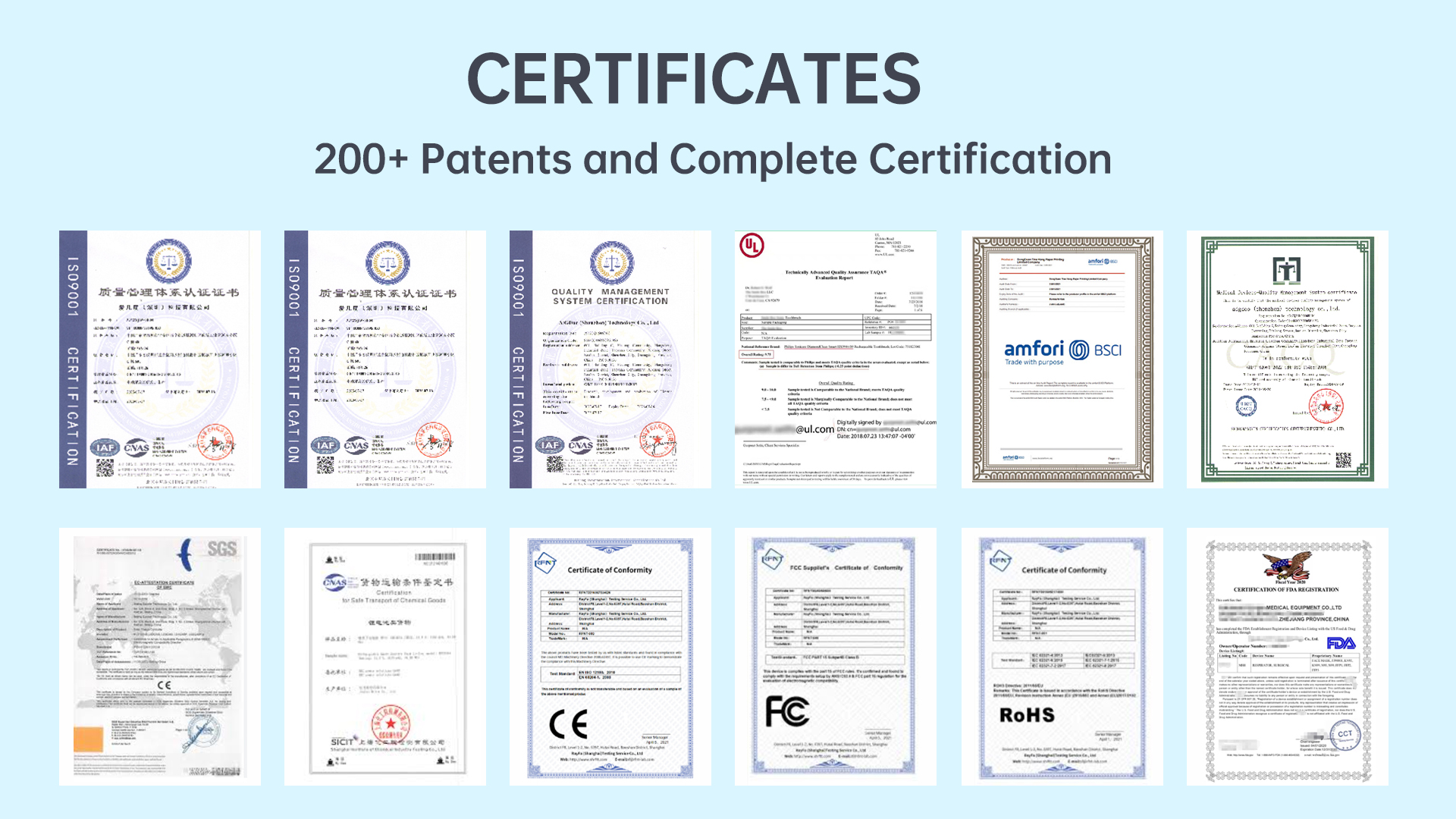
In the rapidly growing oral care industry, the demand for electric toothbrushes is at an all-time high. For brands aiming to enter or expand in this competitive market, partnering with the right electric toothbrush factory is essential—not just for product quality, but also for ensuring long-term business success. But how do you evaluate factories and identify those that can deliver superior electric toothbrush cleaning power, innovation, and scalable production? This article outlines six critical factors to help you choose the ideal manufacturing partner for your OEM electric toothbrush project. Define Your Cleaning Performance Standards Before you begin the search, it’s important to clearly define what “superior electric toothbrush cleaning power” means for your target market. Do you want high-frequency sonic vibration? Do you need multiple cleaning modes or intelligent pressure sensors? Top-tier oral care manufacturing begins with clear technical specifications. Look for a factory that can meet or exceed industry standards for plaque removal, battery efficiency, motor durability, and ergonomic design. Ask for performance test reports or existing client case studies that demonstrate their product capabilities. Evaluate R&D and Innovation Capabilities A reliable electric toothbrush factory should have strong R&D capacity. Innovation is key in a market where user expectations evolve quickly. Investigate: How…


.jpg)
.jpg)
.jpg)
.jpg)
.jpg)





.jpg)


.jpg)
.jpg)