When it comes to oral care, achieving superior hygiene is essential. A Pulsed Water Flow Irrigator combined with a Sterile Water Tank Flosser can elevate the cleaning process, ensuring deep, effective cleaning. Let’s explore how these two technologies work together to deliver unparalleled hygiene. The Power of Pulsed Water Flow Irrigation A Pulsed Water Flow Irrigator delivers intermittent bursts of water, which helps dislodge food particles and plaque between teeth and along the gumline. This pulsed action provides a more thorough cleaning compared to traditional flossing. It's especially beneficial for people with braces or implants, offering a gentle yet effective cleaning experience. Benefits of a Sterile Water Tank Flosser The Sterile Water Tank Flosser is designed to ensure that the water used during irrigation is free from contaminants. By incorporating sterile water, the risk of introducing bacteria or harmful pathogens into the mouth is minimized. This ensures a higher level of hygiene during each flossing session, making it ideal for individuals concerned about mouth infections or maintaining optimal oral health. Combining Pulsed Flow and Sterile Water for Optimal Results When you combine a Pulsed Water Flow Irrigator with a Sterile Water Tank Flosser, the result is an advanced oral hygiene…
.jpg)
Electric Toothbrush for Beauty Box Subscription electric toothbrush for beauty box subscription programs combine innovation, lifestyle, and beauty in one elegant product. Monthly boxes have evolved beyond skincare—they now embrace wellness and oral aesthetics. Therefore, brands including oral care in their subscription boxes can attract loyal, health-conscious consumers. Moreover, an electric toothbrush adds functional value while reinforcing a polished, modern image. Our OEM solutions are tailored for beauty subscription services. We focus on sleek form factors, soft color palettes, and compact packaging suitable for mail delivery. Furthermore, Type-C fast charging and replaceable brush heads make them practical and eco-conscious. Consequently, beauty box curators can expand their product category while maintaining brand aesthetics. A Perfect Addition to Subscription Boxes An electric toothbrush complements other wellness items like whitening strips, serums, or travel skincare kits. Moreover, it demonstrates care for customers’ complete beauty routine—from smile to skin. In addition, offering a toothbrush in subscription form encourages long-term use, building brand loyalty and repeat engagement. For customization, our OEM team designs limited-edition colors, logo embossing, and co-branded packaging. Furthermore, we provide design mockups to ensure visual alignment with your box theme. For inspiration, visit: Private Label Electric Toothbrushes | Powsmart Smart Design Meets…
.jpg)
Introduction: How Cartoon Toothbrush Support Better Kids BrushingEncouraging regular brushing habits in children has always been a struggle. However, integrating cartoon toothbrush designs can turn brushing into a joyful activity. Whether you’re developing a private label solution or working with trusted manufacturers like the Powsmart child toothbrush, choosing a playful yet functional design can boost both oral care engagement and brand success. Understanding Why Kids Resist Brushing Routines Many children dislike brushing due to discomfort, fear, or boredom. Without engaging tools like a cartoon toothbrush, young users often fail to develop consistent brushing habits. To improve kids brushing compliance, brands need toothbrushes designed with child psychology and play-based learning in mind. The Power of Cartoons in Children’s Toothbrush Design Cartoon visuals enhance emotional connection and excitement. A cartoon toothbrush with bright colors, familiar characters, and fun themes can transform a chore into a game. These playful dental care tools also help kids feel more confident and motivated. Some models even include lights, music, or interactive timers to reinforce the 2-minute brushing routine. Why Powsmart Child Toothbrushes Are Loved by Kids and Parents The Powsmart child toothbrush line combines child-friendly aesthetics with professional safety features. Using soft bristles and food-grade silicone…
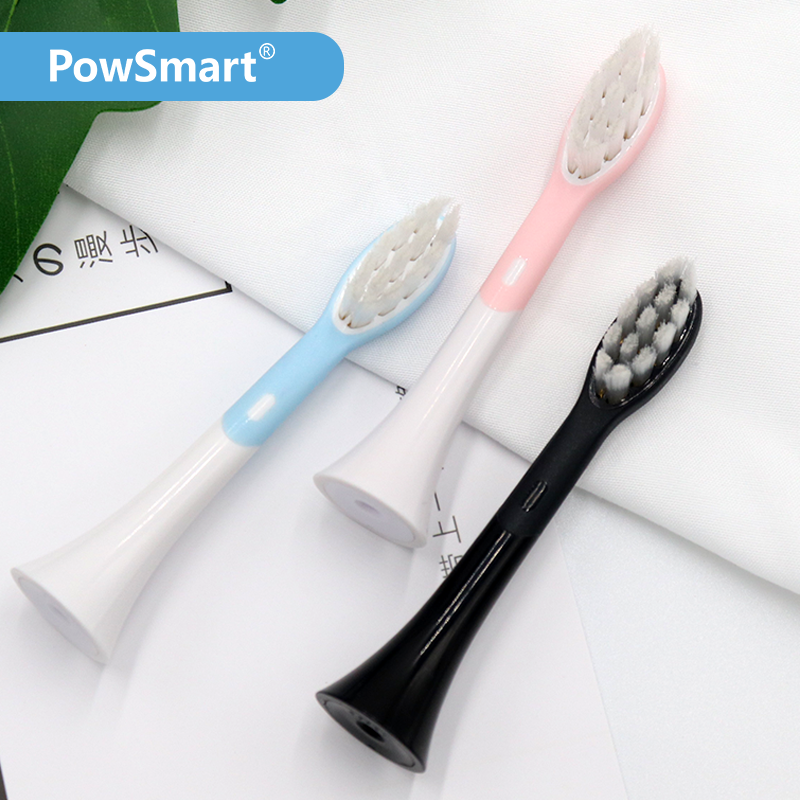
Maintaining oral hygiene with orthodontic appliances requires precision, patience, and the right tools. The clean braces technique—a structured approach to keeping teeth and gums healthy during orthodontic treatment—has gained popularity among dental professionals. At the center of this technique is the Powsmart ortho head, a brush head designed to solve the unique cleaning challenges faced by individuals with braces. The Hygiene Challenges of Orthodontic Braces Braces introduce a complex environment in the oral cavity: brackets, wires, ligatures, and limited space create ample opportunity for plaque buildup and food retention. Without proper tools, users often fail to reach behind wires and around brackets, leading to: Gingivitis and gum inflammation Decalcification and white spot lesions Bad breath and oral discomfort This is where the clean braces technique comes into play—with the Powsmart ortho head playing a vital role. What Sets the Powsmart Ortho Head Apart? The Powsmart ortho head is engineered with a V-shaped bristle pattern, specifically contoured to clean around orthodontic fixtures. Unlike flat or dome-shaped heads, it is tailored to: Reach both above and below the bracket with one pass Glide along the gum line without causing irritation Provide controlled contact to prevent enamel abrasion Its slim profile also improves…
-2-scaled.png)
As innovation advances in personal oral care, the 3D Rotation Oscillation Brush has become a popular feature in electric toothbrush models across global OEM/ODM supply chains. However, concerns are emerging about potential sensor failure caused by mechanical complexity and long-term use. Could the very feature that enhances cleaning performance compromise the device’s reliability? What Is a 3D Rotation Oscillation Brush? The 3D rotation oscillation mechanism combines three distinct movements: circular rotation, oscillation, and pulsation. This tri-directional action is designed to: Remove plaque more efficiently Improve gum line cleaning Simulate dentist-grade brushing motion For OEMs, it offers a performance-driven selling point. But with complexity comes increased mechanical interaction—and potential stress on internal components, particularly embedded sensors. Role of Sensors in Smart Toothbrushes Modern electric toothbrushes often include multiple sensors such as: Pressure sensors to prevent gum damage Motion sensors for brushing guidance and app tracking Position detection for quadrant timing Temperature sensors in some high-end models These components rely on stability and minimal vibration to function correctly—both of which may be affected by aggressive brush head movement over time. Can 3D Motion Cause Sensor Failure? While 3D rotation oscillation provides superior cleaning, its mechanical design can create: Increased vibration and torque…
The POWSMART Multi-Function Toothbrush has become a favorite in OEM/ODM procurement circles due to its feature-rich design. However, with advanced brushing modes, smart tracking, and integrated flossing options, some end users report user adaptation difficulties—especially in initial stages. Is the product too advanced for its own good? This blog explores the design, UX, and learning curve behind the multifunction trend. The Rise of Multi-Functionality in Electric Toothbrushes Driven by market differentiation and user demands for convenience, manufacturers now pack more into each unit. The POWSMART Multi-Function Toothbrush, for example, may feature: Multiple brushing modes (whitening, polishing, gum care, etc.) Integrated tongue cleaning or water flossing Bluetooth-connected brushing reports Real-time pressure sensing alerts Child lock or travel-safe functions While these features are valuable, they may increase cognitive load during first use. What Exactly Is “User Adaptation” in This Context? User adaptation refers to how quickly and comfortably a user learns to interact with a device to achieve intended results. In electric toothbrushes, poor adaptation manifests in: Using the wrong brushing mode for one's dental needs Failing to activate or understand smart features Disabling pressure sensors or timers out of frustration Underusing multifunction capabilities (e.g., ignoring floss or tongue-clean features) These behaviors…

As demand rises for advanced oral care, many OEM/ODM buyers are turning to the Stain Removal Rotating Brush for its enhanced whitening effect and plaque removal. However, some manufacturers are now questioning whether its long-term use could be contributing to an overlooked issue: motor corrosion. Is this a hidden problem lurking behind surface-level cleaning power? The Appeal of Stain Removal Rotating Brushes The Stain Removal Rotating Brush is engineered to rotate at high speeds, often in combination with pressure-based polishing features. It targets: Coffee, tea, and wine stains Plaque accumulation near the gumline Surface discoloration caused by smoking or acidic diets Its robust rotation mechanism delivers noticeable aesthetic results, making it a favorite in whitening-focused product lines. However, this same mechanism introduces moisture and particulate exposure risks for internal components. How Motor Corrosion Begins At the heart of every rotating brush lies a compact electric motor. Over time, especially in high-humidity environments like bathrooms, the following factors can lead to motor corrosion: Seal failure or degradation around the motor housing Condensation build-up during or after use Ingress of toothpaste residue, mouthwash, or saliva Electrochemical reactions between metal components and cleaning agents Once corrosion begins, it weakens electrical conductivity, introduces friction,…
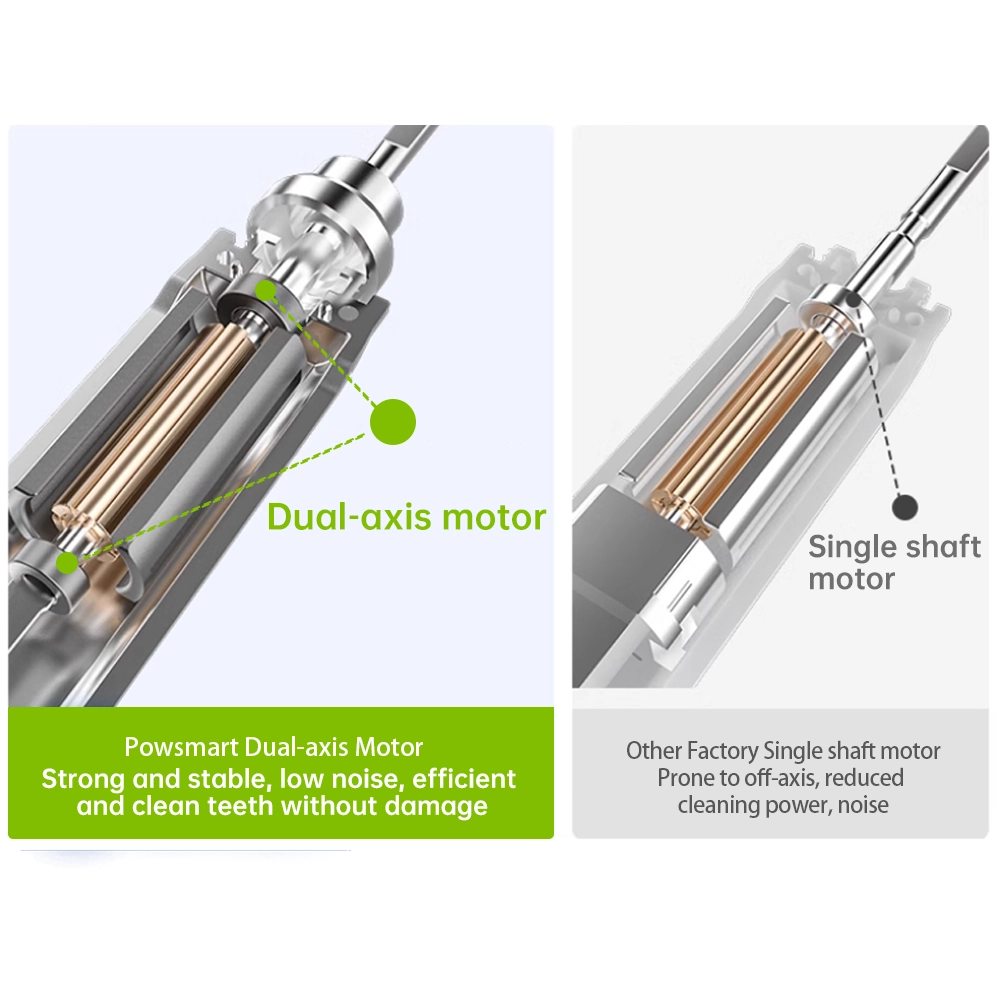
As the demand for smarter, quieter, and more effective oral care devices grows, magnetic levitation motor toothbrushes are emerging as the next big innovation. This advanced dental tech offers high-performance brushing, ultra-low noise, and minimal mechanical wear—key selling points in today’s competitive personal care market. For brands seeking innovative oral care products, understanding this breakthrough technology is essential. Whether you're a startup entering the market or an established brand looking to upgrade your lineup, partnering with an oral care products supplier specializing in levitation motor integration could be the key to staying ahead. What Is a Magnetic Levitation Motor Toothbrush? A magnetic levitation motor toothbrush utilizes a linear magnetic drive system, replacing traditional mechanical components with electromagnetic force to create high-frequency oscillations. Key Advantages: High-speed vibration (31,000–48,000 RPM) for superior plaque removal Quieter operation due to reduced mechanical friction Longer motor lifespan with minimal wear-and-tear Smooth, consistent performance even after prolonged use This cutting-edge magnetic levitation motor toothbrush technology has set new standards for performance and durability in electric oral care devices. Why Magnetic Levitation Motors Outperform Traditional Motors Traditional motors rely on gear systems or rotor-based designs. While effective, they create: More vibration noise Greater energy loss through friction Faster wear on internal parts In contrast, levitation motors use magnetic…
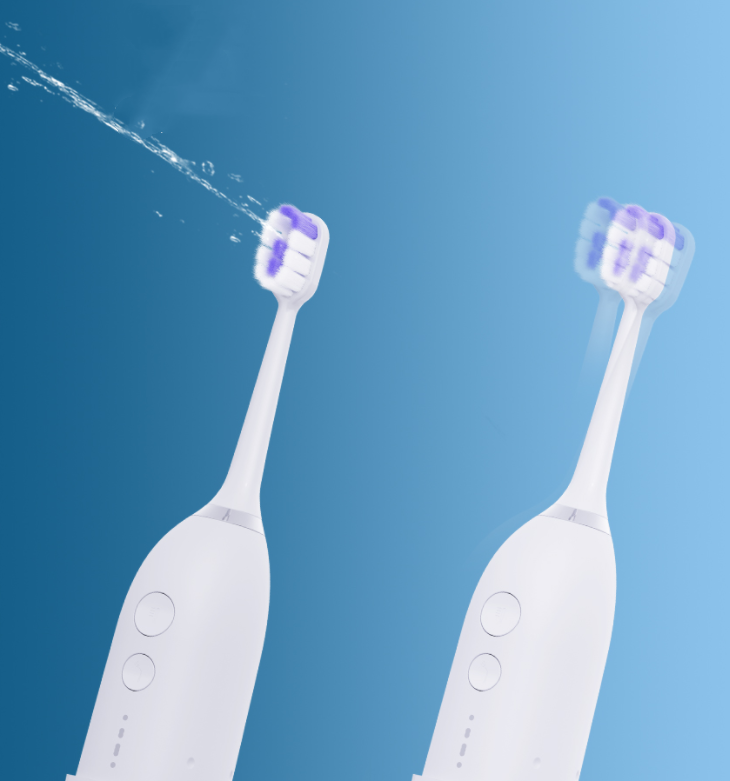
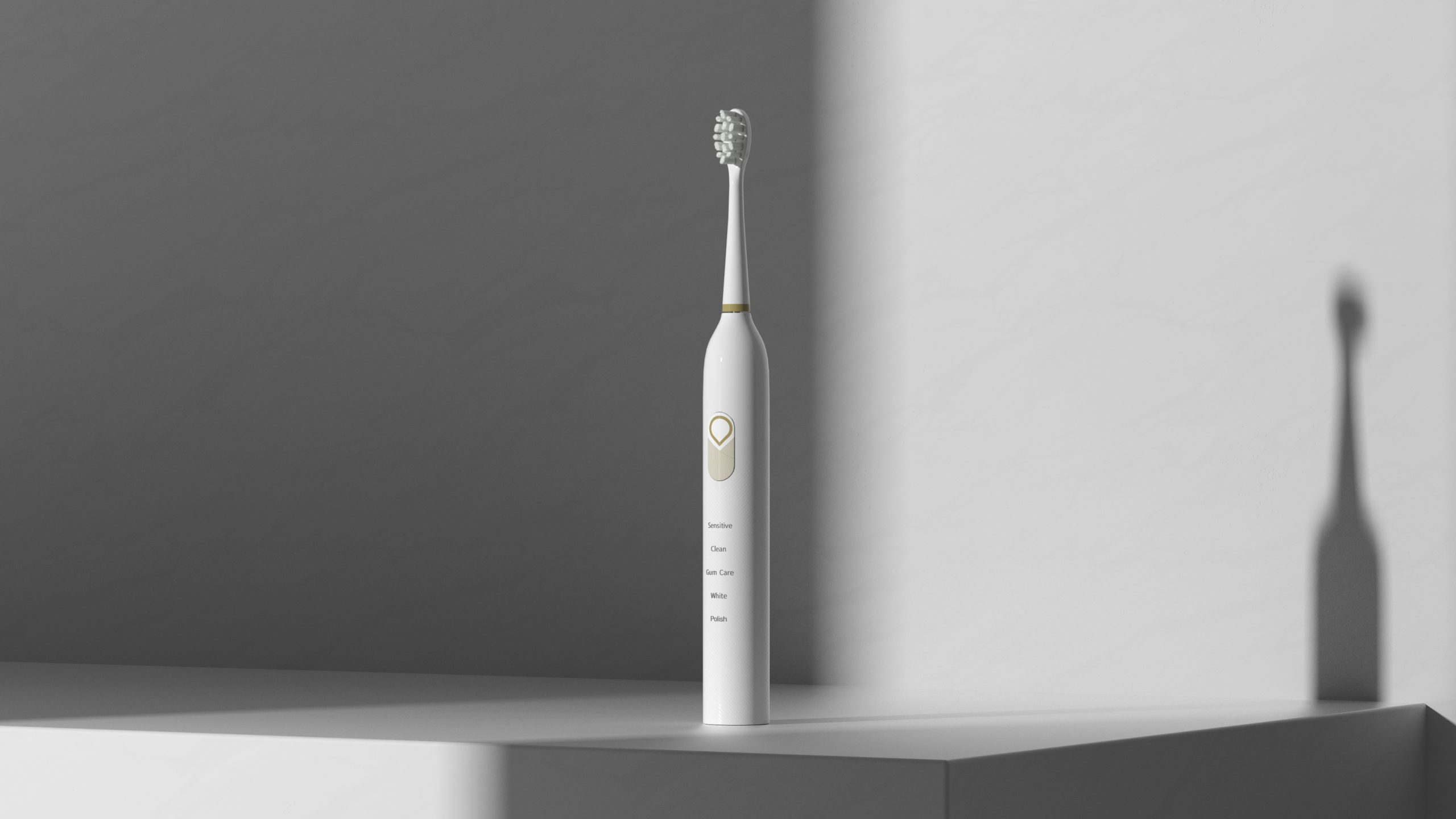
Introduction: Understanding High-Frequency Vibration in Electric Toothbrushes For brands exploring an OEM electric toothbrush, one question comes up often: Is high-frequency vibration safe for sensitive gums and teeth? In fact, many modern toothbrushes now use 40,000 vibrations per minute to improve plaque removal and brushing efficiency. However, this level of power can raise concerns—especially for users with sensitive teeth. Therefore, for oral care brands targeting comfort-conscious consumers, balancing cleaning performance and gentle brushing is essential. The Science Behind 40,000 VPM At first, 40,000 vibrations per minute may sound aggressive. Yet, this frequency is widely used in leading toothbrush designs. Why? Because it helps remove plaque more effectively, particularly along the gum line and between teeth. Moreover, with the right bristle design and motor control, this speed can still feel gentle. For example, soft bristles combined with rounded brush heads reduce irritation. Therefore, high-frequency vibration doesn’t always mean harsh brushing—it depends on how it’s implemented. Sensitive Teeth Require Smart Design Not every user tolerates intense vibration well. For those with sensitive teeth or gums, discomfort may arise if the brush lacks customization. Fortunately, many OEM electric toothbrush designs now include multiple brushing modes. Users can switch between settings like “Clean,” “Sensitive,”…
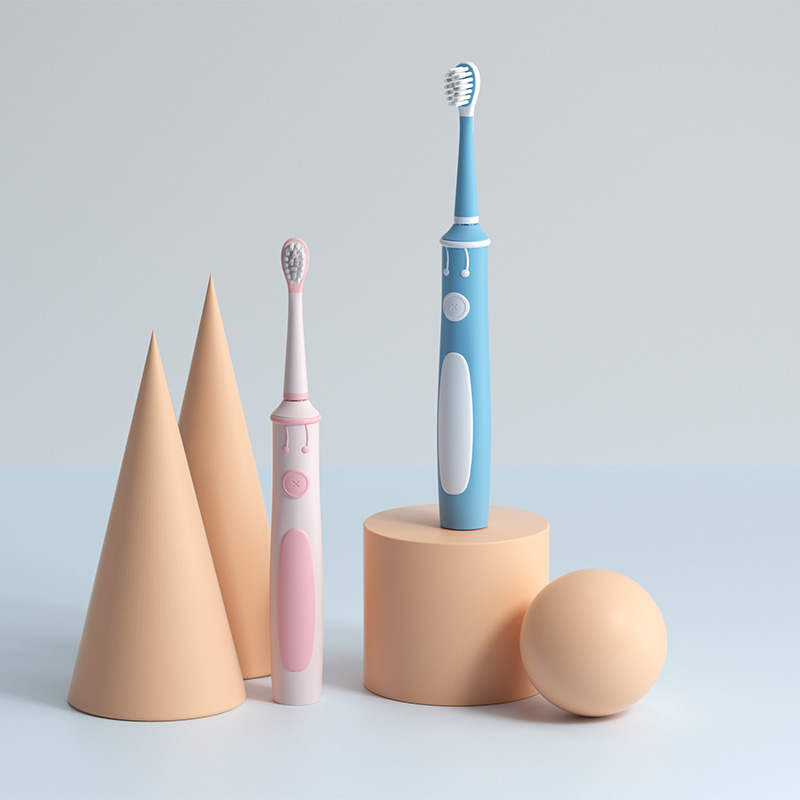
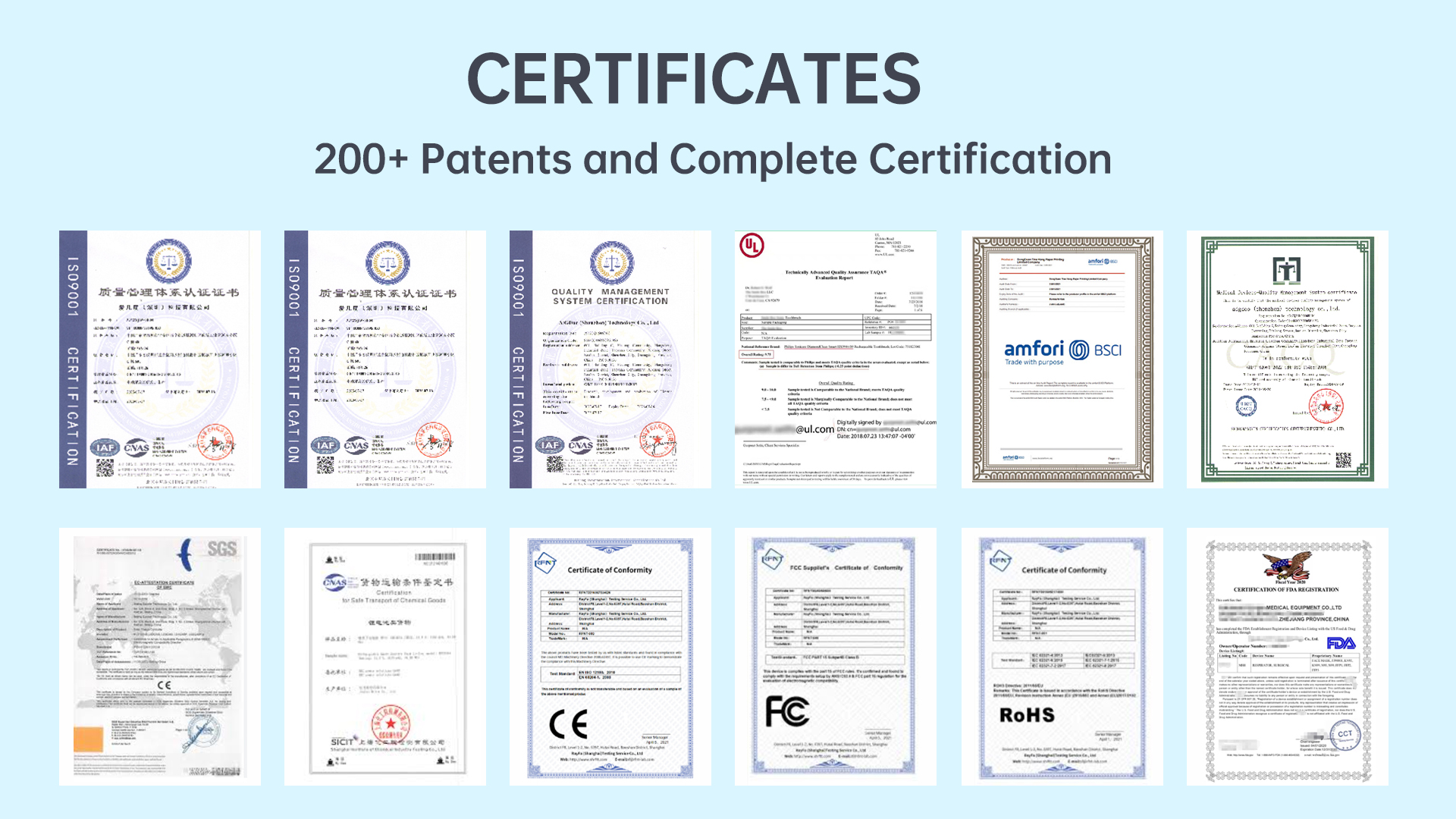
In today’s highly competitive oral care market, offering a high-quality, safe, and attractive electric toothbrush for children is essential for any brand targeting the pediatric segment. However, success in this market depends heavily on choosing the right toothbrush manufacturer for kids—one that understands the specific safety, design, and functional needs of young users. This is where Powsmart stands out as a leading Kids electric toothbrush OEM partner with extensive experience in delivering innovative, child-friendly oral care solutions. Experience and Specialization in Child Toothbrush Manufacturing When it comes to child toothbrush manufacturing, specialization makes all the difference. Powsmart has over a decade of experience in designing and producing electric toothbrushes specifically for children. From ergonomic handle sizes to ultra-soft bristles and colorful, engaging designs, every aspect is tailored to support a fun and safe brushing experience for kids aged 3 to 12. We strictly follow global child safety regulations and offer certifications such as CE, FDA, and RoHS, ensuring that every product meets international standards. Customization Capabilities for Brand Differentiation As a premium custom electric toothbrush supplier, Powsmart understands that brand identity is vital. That’s why we offer full OEM/ODM customization, including: Handle shape and size Vibrating or sonic motor options Brush…
.jpg)
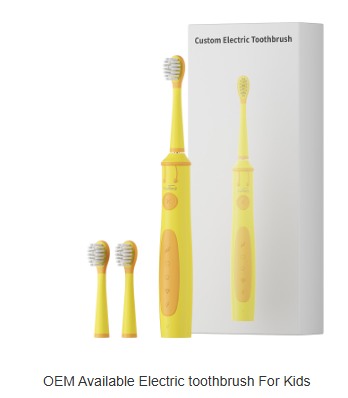
As awareness of early oral care rises among parents worldwide, brands are responding with more thoughtfully designed products. One significant trend is the increasing demand for custom children's electric toothbrush models that combine playful design with safety and performance. For brands targeting this niche, choosing the right electric toothbrush manufacturer that can develop child-focused, high-quality products is crucial. The Importance of Soft Bristles & Food-Grade Silicone Safety and comfort are top priorities in child-safe toothbrush design. Children’s gums are delicate, and their brushing habits are still developing. That’s why leading manufacturers are now focusing on: Soft bristle electric toothbrush heads that gently clean teeth without irritating young gums. Use of food-grade silicone materials in brush handles and parts that may come into contact with the mouth – ensuring non-toxicity, easy cleaning, and hypoallergenic performance. Combining soft bristles & food-grade silicone not only improves safety but also enhances user experience, making kids more likely to adopt and enjoy regular brushing habits. Customization: What Brands Should Look For When developing a custom children's electric toothbrush, brands should work with a manufacturer that offers full-service customization, including: Unique ergonomic handle designs for small hands Age-specific vibration modes Engaging designs and themes (e.g. animals, characters, lights) Private labeling and…
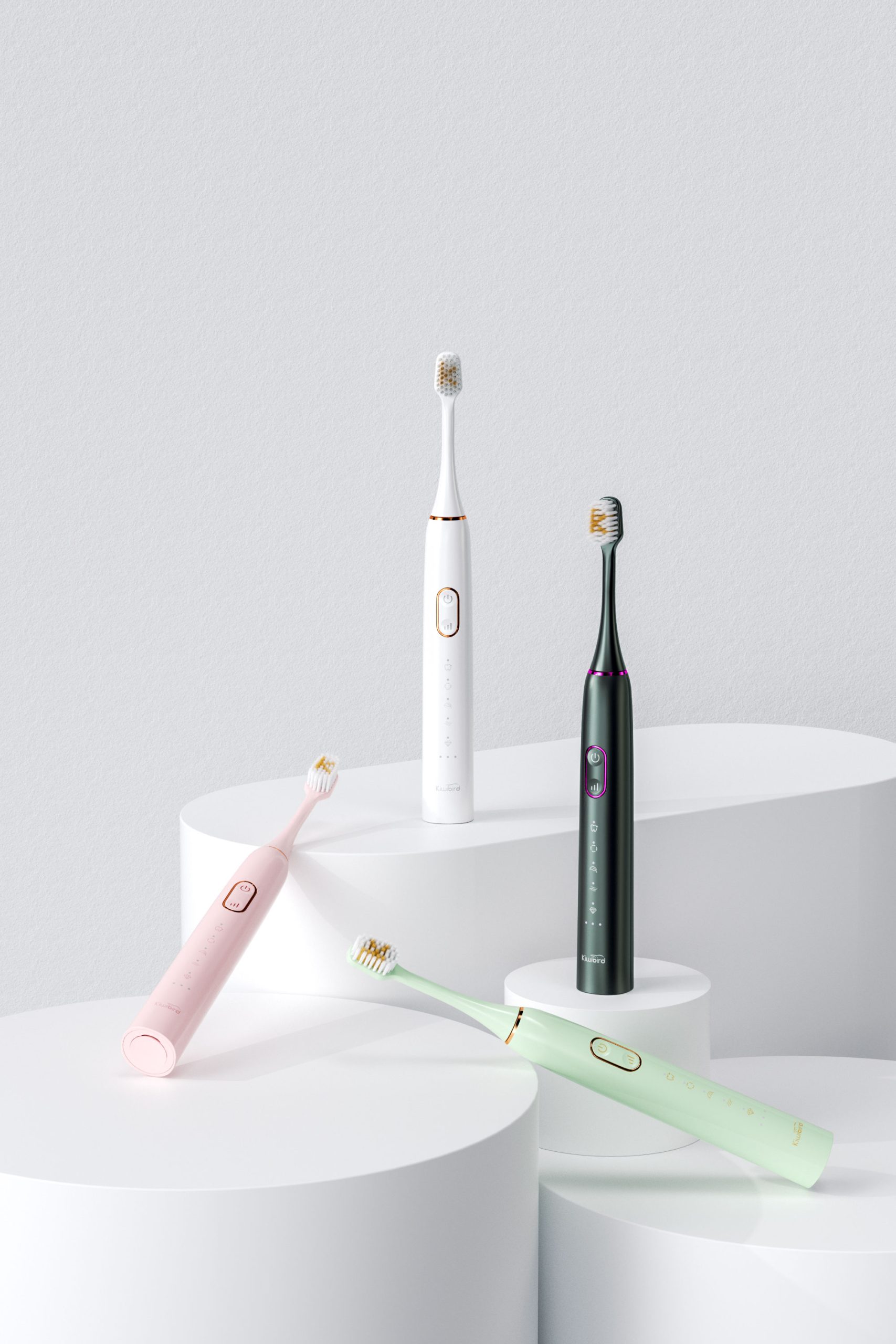
In recent years, the demand for wireless charging electric toothbrush products has grown significantly due to their sleek design, safety, and user convenience. As the market evolves, brands are shifting from traditional plug-in models to advanced contact charging technology electric toothbrush solutions. For brands aiming to stay competitive, finding the right electric toothbrushes manufacturer capable of delivering high-quality, OEM-friendly designs is essential. This article outlines the key features of contact charging, benefits of OEM manufacturing, and what to consider when partnering with a supplier for your next product line. Understanding Contact Charging Technology for Electric Toothbrushes Contact charging technology OEM is based on conductive charging systems, where the electric toothbrush charges via direct contact with a metallic base or magnetic charger—without the need for visible charging ports. This not only improves water resistance but also enhances the product’s aesthetic appeal. Key features of contact technology in electric toothbrushes: Waterproof & sealed design (typically IPX7+ rated) Magnetic alignment for safe, efficient docking Reduced mechanical wear, increasing product lifespan Compatible with wireless bathroom accessories or multi-device stations As a growing trend in premium oral care, this charging method is now a must-have for next-generation models. Benefits of OEM/ODM Manufacturing for Oral Care Brands Partnering with a reliable electric…
.jpg)
As the oral care market continues to shift toward digital and health-tech integration, smart toothbrushes are becoming a must-have in premium oral hygiene lines. For oral care brands, retailers, or distributors planning large-volume purchases, understanding the best smart toothbrush features is essential for product positioning, customer satisfaction, and long-term market success. This bulk order guide offers key insights into what features to prioritize, with B2B supplier tips and advice on how to find a reliable electric toothbrushes manufacturer. Market Demand for Smart Toothbrushes Is Growing Smart toothbrushes are no longer niche products. Consumers now expect devices that go beyond basic brushing. From Bluetooth connectivity to app integration, the right features can elevate a product’s value—and its price point. Bulk buyers should align their purchase decisions with current and future consumer expectations. Investing in smart features not only makes the product more attractive but also helps brands stay competitive in a fast-evolving market. Top Smart Features to Look for in Bulk Orders When planning to source or develop smart electric toothbrushes, the following features are essential: a. Bluetooth Connectivity & Mobile App Integration Allows users to track brushing habits, set goals, and get performance feedback. A must-have for tech-savvy consumers. b. Pressure Sensor Warns users if…
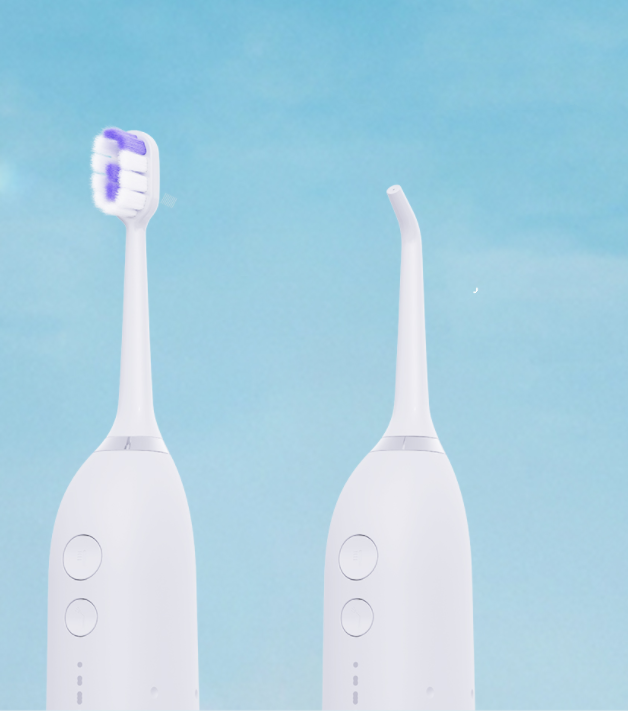
As consumers become more aware of comprehensive oral hygiene, the demand for specialized devices that go beyond surface-level cleaning is on the rise. One such product is the Deep Clean Interdental Electric Toothbrush — a toothbrush engineered to reach between teeth and along the gum line with precision. For oral care brands, sourcing the right electric toothbrush manufacturing solutions that deliver effective interdental cleaning is key to product success in this evolving market. This blog explores how manufacturers can support oral care brands in developing next-generation gum line toothbrush solutions, with a focus on deep clean oral care OEM strategies. Understanding the Importance of Interdental Cleaning Traditional brushing methods often leave behind plaque and food particles between teeth. This is where interdental cleaning becomes essential. A Deep Clean Interdental Electric Toothbrush is designed to reach those hard-to-access spaces. Offering consumers an efficient way to prevent gingivitis, cavities, and bad breath. Brands that want to stay ahead in oral care innovation must prioritize gum line toothbrush designs that address these specific hygiene needs. Key Features of a Deep Clean Interdental Electric Toothbrush When developing or sourcing a Deep Clean Interdental Electric Toothbrush, manufacturers must integrate certain performance features that cater to both function and user comfort: Slim,…
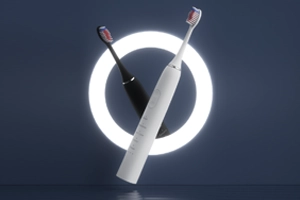
Introduction:The Growing Demand for Smart Electric Toothbrushes The oral care market is evolving rapidly. In fact, consumers are increasingly choosing high-tech solutions for their daily hygiene needs. Consequently, smart electric toothbrushes have become essential for modern dental care. These toothbrushes offer advanced modes, real-time feedback, and app connectivity. For brand owners, this growing trend presents numerous opportunities. Therefore, if you're considering entering the market or expanding your product range, partnering with PowSmart, a leading manufacturer of smart electric toothbrushes, is an excellent first step. Why Choose Private Label Customization for Your Brand? Private labeling offers several advantages. First, it allows you to build your unique brand identity. Moreover, it enables you to outsource production while focusing on other key aspects like marketing. As a result, this option is particularly beneficial for brands looking to enter the oral care market without making a significant investment in manufacturing. With intelligent electric toothbrush private label customization, you can easily tailor the product to your customers’ specific needs. For instance, you can choose the design, color, and packaging, thereby giving your brand a distinctive presence in the market. The Benefits of Working with an Experienced Manufacturer When selecting a manufacturer, experience matters. A seasoned…
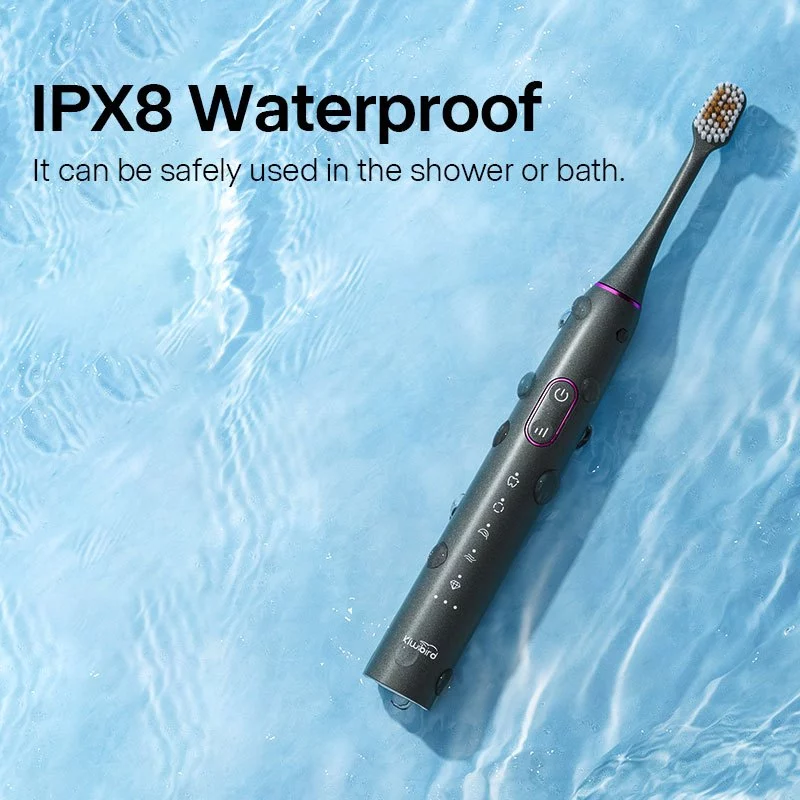
As consumer lifestyles become increasingly dynamic, the demand for shower-safe dental care solutions is rising globally. Brands seeking to enter or expand in international markets must offer products that combine innovation, reliability, and user convenience. Among them, the IPX7 waterproof electric toothbrush has become a key product category, offering users peace of mind during wet-environment usage. In this blog, we explore how electric toothbrush customization for global markets, when paired with IPX7 waterproof certification, can help brands stay ahead of market trends and consumer expectations. Understanding the IPX7 Waterproof Standard The IPX7 waterproof rating means that a device can withstand immersion in up to 1 meter of water for 30 minutes without suffering damage. For electric toothbrushes, this translates to: Safe usage in showers and wet environments Enhanced durability and corrosion resistance Improved product lifespan and customer satisfaction By offering a waterproof electric toothbrush, brands can provide users with shower-safe dental care solutions that align with modern hygiene routines. Customization Opportunities for Global Brands Electric toothbrush customization for global markets involves more than just logo printing. Manufacturers must offer flexible and scalable solutions, such as: Custom handle designs and ergonomic features tailored to target demographics Multi-mode brushing functions (clean, sensitive, polish, etc.) Custom packaging and branding to suit different…
.jpg)
As consumer awareness of oral health continues to grow, the market for sensitive teeth toothbrushes has expanded rapidly. People with gum sensitivity require products that offer effective cleaning while minimizing irritation. In response to this demand, many brands are now seeking trusted partners for electric toothbrush production for sensitive teeth. For businesses aiming to meet this niche market, collaborating with experienced OEMs that specialize in gentle gum care technology is key to success. Understanding the Needs of Users with Sensitive Teeth Sensitive teeth and gums require special care. Aggressive brushing or hard bristles can cause pain, gum recession, or further enamel erosion. This is where the gum care electric brush plays a vital role. These brushes are engineered to deliver a gentle cleaning experience, using soft bristles and low-frequency vibration or sonic technology to protect gum tissue while removing plaque effectively. To meet user expectations, brands need to develop products with features such as: Ultra-soft bristles for minimal abrasion Pressure sensors to prevent over-brushing Multiple cleaning modes, especially “Gentle” or “Sensitive” modes Rounded brush heads for a soothing feel on gums Key Design Considerations for Gentle Cleaning OEM Solutions When selecting a manufacturer for a gentle cleaning OEM solution, it’s important to prioritize factories that…
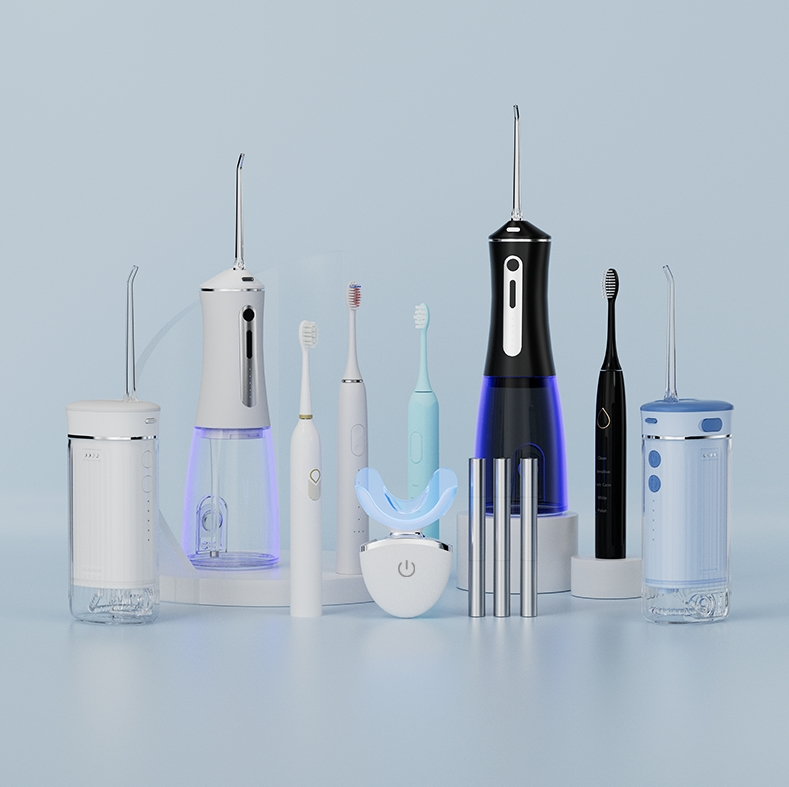
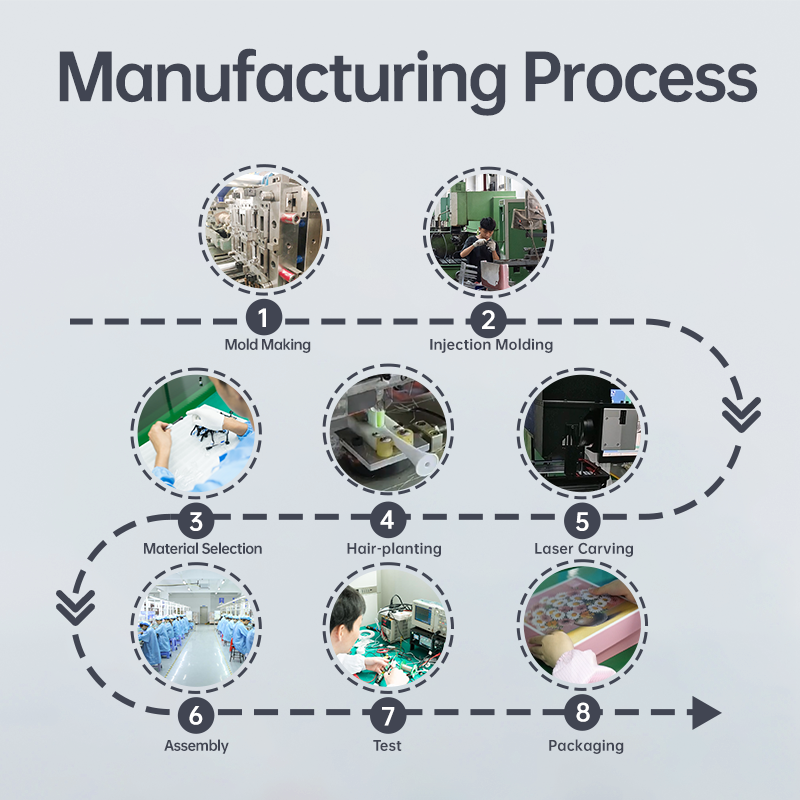
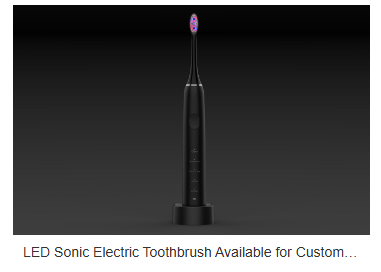
As consumers become increasingly health-conscious and tech-savvy, the demand for high-performance oral care solutions like smart sonic toothbrushes has surged. For dental care brands, entering or expanding in this competitive market requires speed, reliability, and innovation. That’s where working with a trusted sonic toothbrush private label manufacturer comes in. This article explores how brand owners can benefit from complete OEM services, including custom design, manufacturing, and packaging, to successfully launch or scale their smart sonic brush OEM business. Why Choose a Sonic Toothbrush Private Label Partner? Launching your own oral care products OEM line doesn’t mean you have to start from scratch. A reliable private label partner enables you to bring a premium product to market faster, without the complexity of R&D or in-house production. Benefits of partnering with a private label OEM manufacturer include: Fast time-to-market with ready-made or customizable sonic brush models Cost-effective production without compromising on quality Access to the latest custom dental tech innovations Branding freedom with packaging, design, and user experience What to Expect from Complete OEM Services When we talk about complete OEM services, we mean end-to-end support that covers every step from product concept to delivery. A professional sonic toothbrush OEM partner offers: Product Development & Customization: From…


.jpg)
.jpg)
.jpg)
.jpg)
.jpg)



.jpg)
.webp)
.jpg)