
As consumer demand for convenient cosmetic treatments grows, ensuring product safety is a top priority. Any At-home Whitening Kit must be developed in strict alignment with recognized Safety Standards to protect users while delivering effective results. For B2B manufacturers and OEM partners, compliance is not optional—it is a fundamental requirement for market access, brand trust, and long-term success.
Whitening agents must comply with permitted concentration limits and toxicity guidelines. Adhering to Safety Standards ensures that formulations used in an At-home Whitening Kit are effective without causing harm to teeth or soft tissues.
For kits that include powered components, electrical insulation and heat control are essential. Safety Standards help ensure that At-home Whitening Kit devices operate safely under normal and prolonged use conditions.
Materials that come into direct contact with the mouth must be non-toxic and irritation-free. Compliance with Safety Standards guarantees that trays, mouthpieces, and applicators in an At-home Whitening Kit are safe for oral use.
Clear labeling and instructions are part of Safety Standards compliance. An At-home Whitening Kit must include proper guidance to prevent misuse and to inform users of potential risks.
Rigorous testing is required to confirm consistent performance and safety. Safety Standards mandate durability, stability, and functional testing for all components of an At-home Whitening.
Different regions enforce specific Safety Standards for cosmetic and oral care products. Meeting these requirements ensures that an At-home Whitening can legally marketed and distributed across global markets.
Safety Standards are non-negotiable for any At-home Whitening intended for consumer use. By prioritizing formulation safety, material biocompatibility, electrical protection, and regulatory compliance, B2B manufacturers and OEM partners can deliver trusted whitening solutions that meet both market expectations and legal requirements. Contact us
How to Select One Type of Suitable Dental Irrigator?
The History of the Evolution of Oral Irrigators
.jpg)
Water Flosser with UV Sanitizer ODM | Smart Oral Care Solutions
.jpg)
Are Electric Toothbrushes Allowed in Carry-On Luggage? A Guide for Travel Brands
How Does an Accelerated Whitening Formula Work with a Built-in Timer Function?
Long Battery Life Electric Toothbrush Wholesale – Bulk Supply for Retailers & Brands
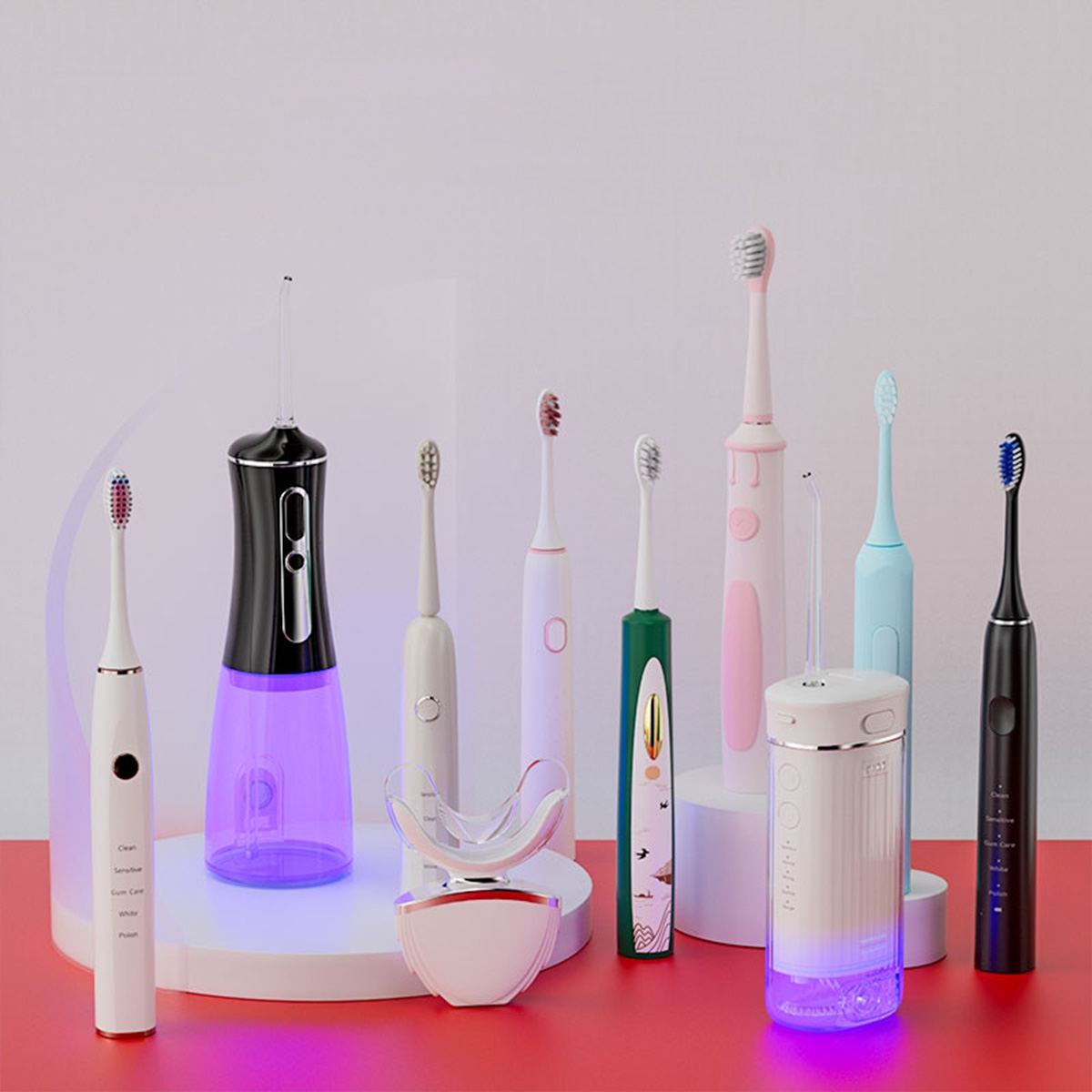
How to Choose the Right Oral Care Product: A Comparison Between Electric Toothbrushes and Oral Irrigators
Innovation Opportunities in Electric Toothbrush Technology
.jpg)
Can a kids electric toothbrush make childrens dental care fun?
Do Noisy Water Flossers Pose Aspiration Risk?
Anti Slip Grip Electric Toothbrush OEM
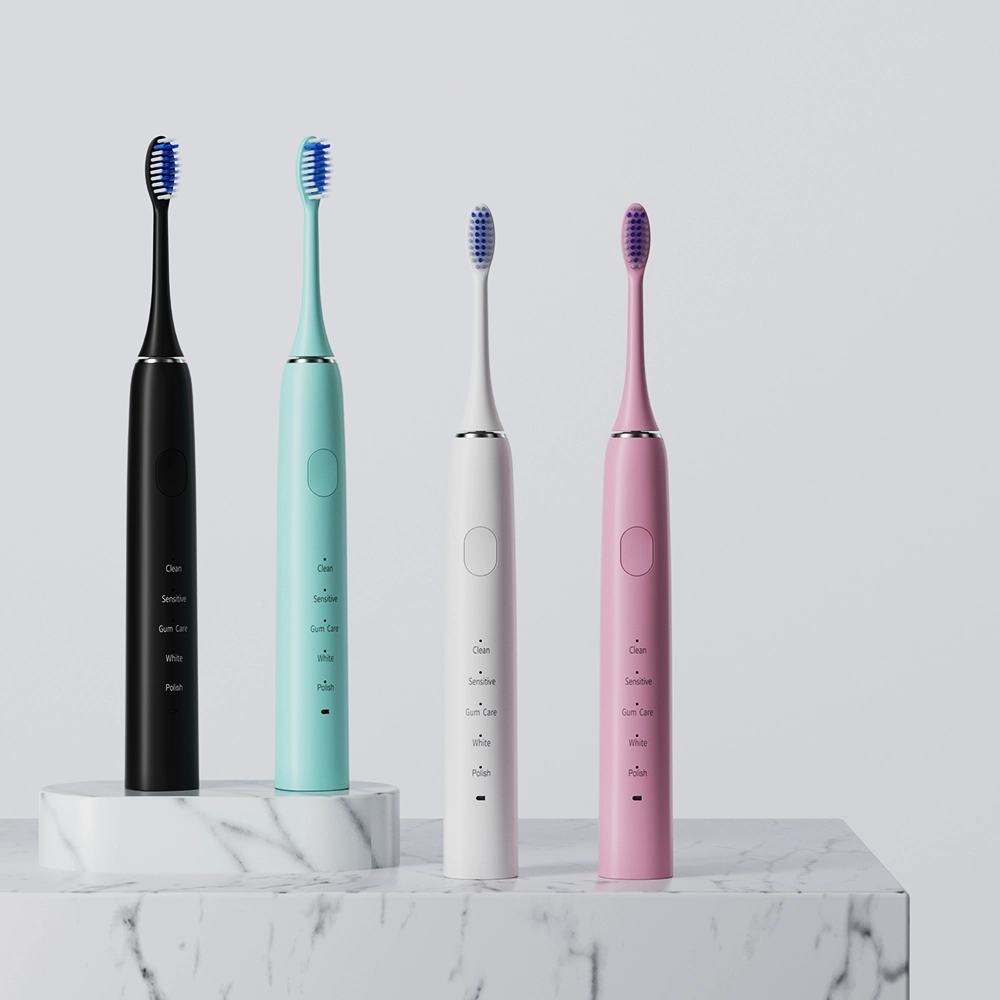
Electric toothbrush: intelligent technology, the future of oral care
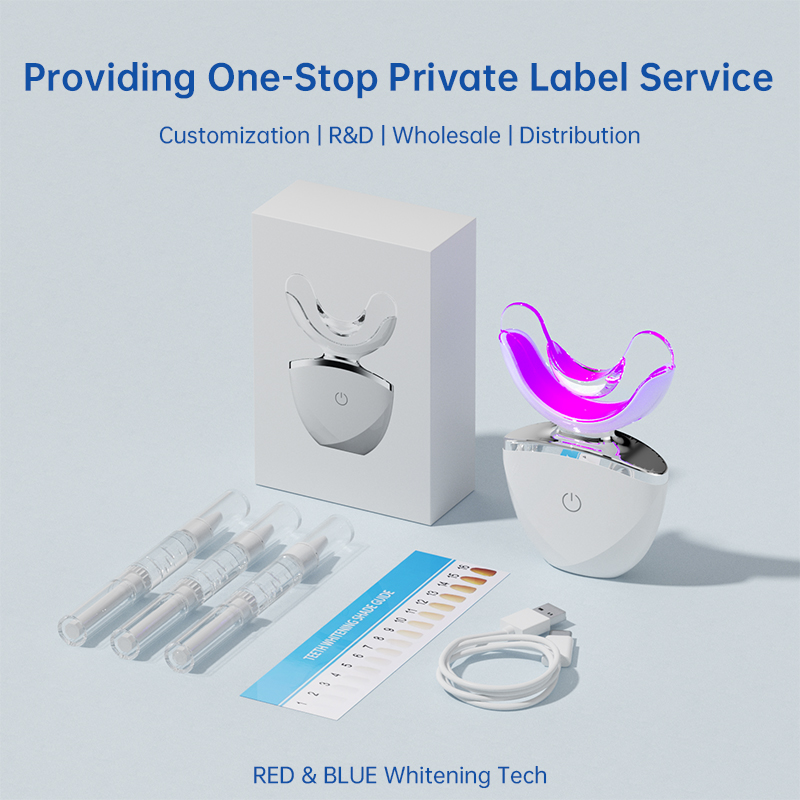
How Does a Teeth Whitening OEM Optimize Formulas for a Fast-Acting Whitening Gel?
wireless teeth whitening device OEM | Rechargeable LED Whitening Manufacturer
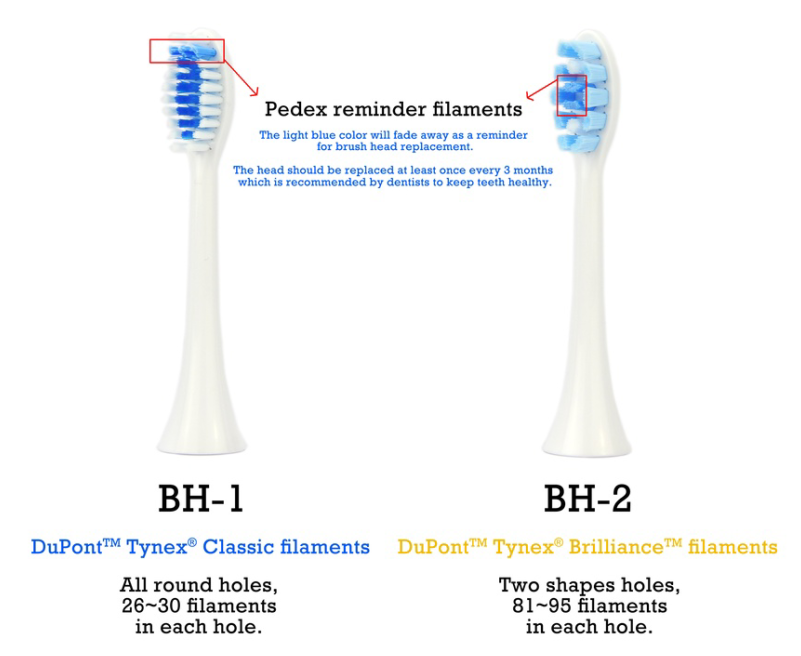
How to Install Electric Toothbrush Heads Correctly: Proper electric toothbrush head installation Guide for Brands and Users
OEM Sonic Toothbrush Supplier for Global Brand Manufacturing


.jpg)
.jpg)
.jpg)
.jpg)
.jpg)








.jpg)