
In modern endodontic device engineering, manufacturers increasingly explore how an advanced Apical Irrigation Tip can harness Hydro-kinetic Energy Transfer to achieve deeper, safer, and more predictable root canal cleaning. As dental clinics demand instruments that enhance debridement efficiency while reducing procedural risks, OEM partners must understand how fluid dynamics, material precision, and micro-motion behavior all contribute to performance inside narrow apical spaces.
Hydro-kinetic Energy Transfer describes the conversion of pressurized fluid flow into targeted mechanical cleaning force. When correctly engineered, this energy assists in dislodging smear layers, biofilm, and dentin debris without overstressing the canal walls. Manufacturers designing new Apical Irrigation Tips must therefore calculate optimal velocity gradients, turbulence thresholds, and directional flow to maximize cleaning power.
The geometry of the Apical Irrigation Tip—including taper, lumen diameter, and discharge angle—directly influences fluid acceleration and micro-stream direction. OEM developers analyze these geometries using computational flow models to ensure consistent Hydro-kinetic Energy Transfer, particularly in curved or constricted apical regions.
Effective endodontic irrigation must balance cleaning efficiency with patient safety. Controlled pressure distribution ensures that irrigants remain inside the canal, reducing the risk of extrusion. This requires sophisticated internal flow channels that limit backpressure while maintaining sufficient kinetic energy.
Materials used in Apical Irrigation Tips must withstand continuous exposure to chemical solutions and rapid fluid movement. High-grade polymers or stainless-steel alloys maintain structural integrity while enabling precise hydraulic behavior. Material flexibility also ensures the tip adapts to canal curvature without compromising Hydro-kinetic performance.
Modern endodontic procedures often combine chemical irrigants with ultrasonic activation. For this reason, the Apical Irrigation Tip must support stable flow patterns even when oscillation is introduced. Well-tuned Hydro-kinetic Energy Transfer pairs with ultrasonic agitation to improve debris removal and penetration into accessory canals.
Manufacturers can differentiate their devices by integrating advanced flow-control elements such as micro-valves, tapered multi-jet outlets, or adaptive pressure regulation. These features allow clinicians to adjust irrigation intensity on demand, enhancing root canal cleaning efficiency while maintaining safe apical pressure.
An Apical Irrigation Tip that fully leverages Hydro-kinetic Energy Transfer can dramatically elevate root canal cleaning performance. For OEM and ODM partners, the future lies in precision engineering—where fluid dynamics, safety standards, and material technologies converge to deliver clinically superior and commercially competitive endodontic irrigation tools. Contact us
.jpg)
.jpg)
Custom Logo Smart Toothbrushes for Austin Tech Companies
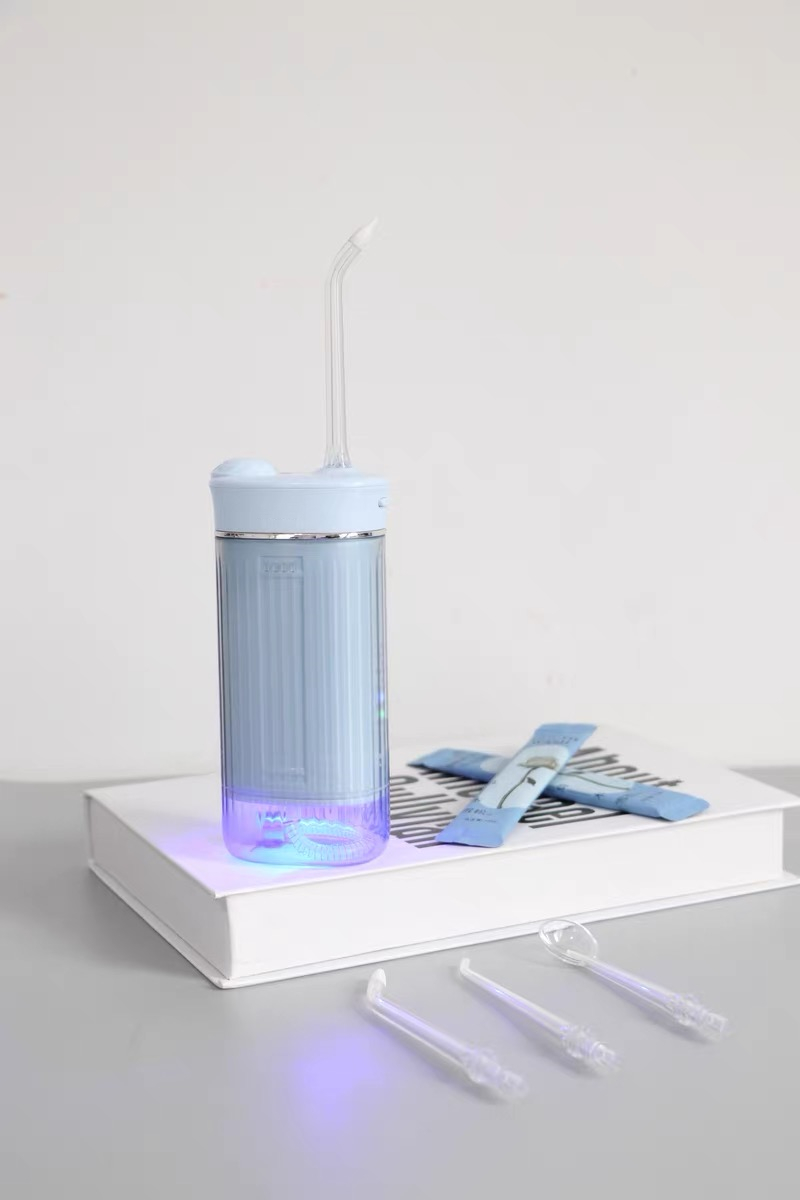
What Causes the Intermittent Water Flow When Using an Oral Irrigator?
.jpg)
How can an Austin corporate gift boost employee wellness?
.jpg)
Wireless Whitening Kit Wholesale Solutions for Global Sellers
Compact Jet Water Flosser Manufacturer – OEM Factory for Global Brands
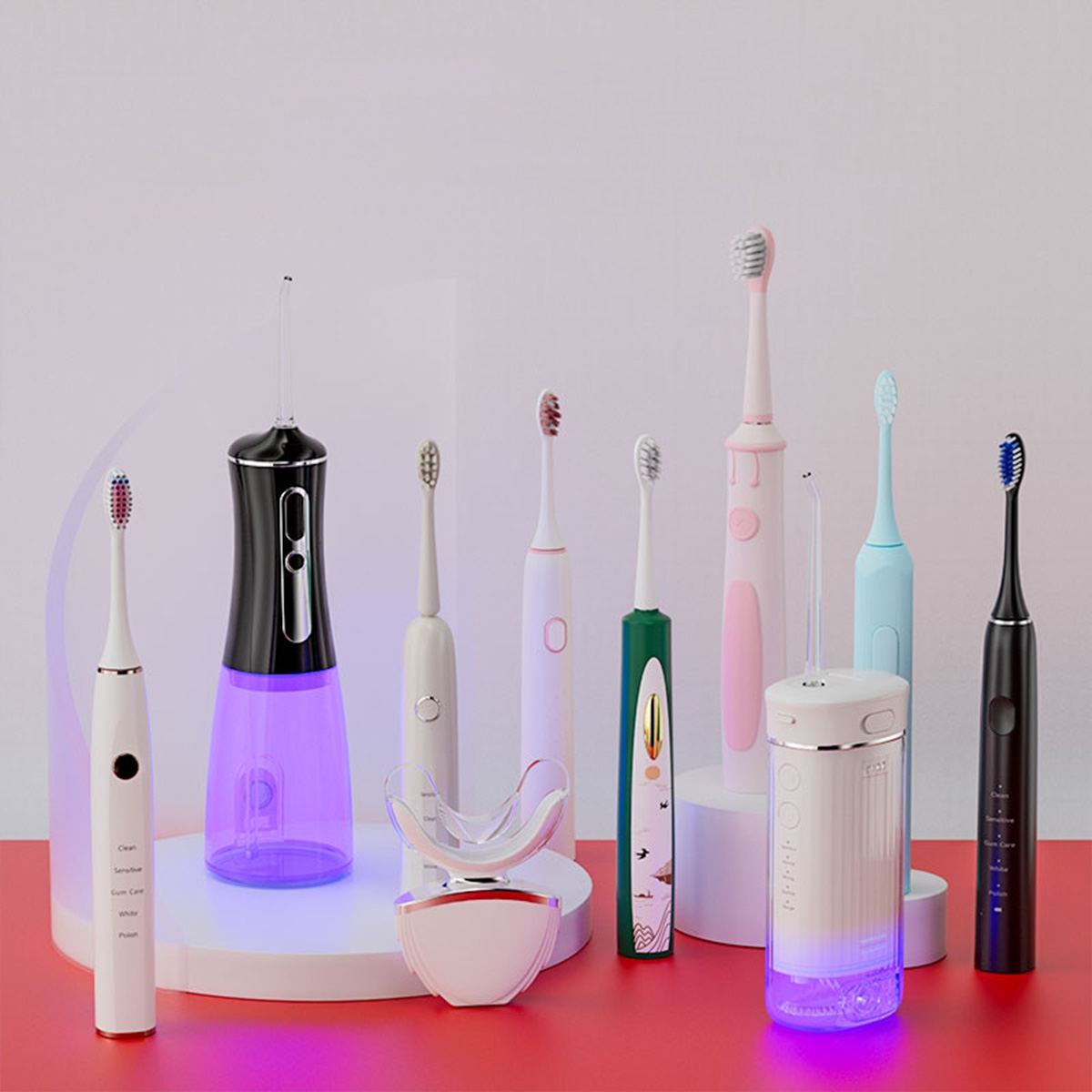
What Does the Doctor Think About the Use of Electric Toothbrushes and Water Flossers?
Are Button Malfunctions and Circuit Shorts the Cause?
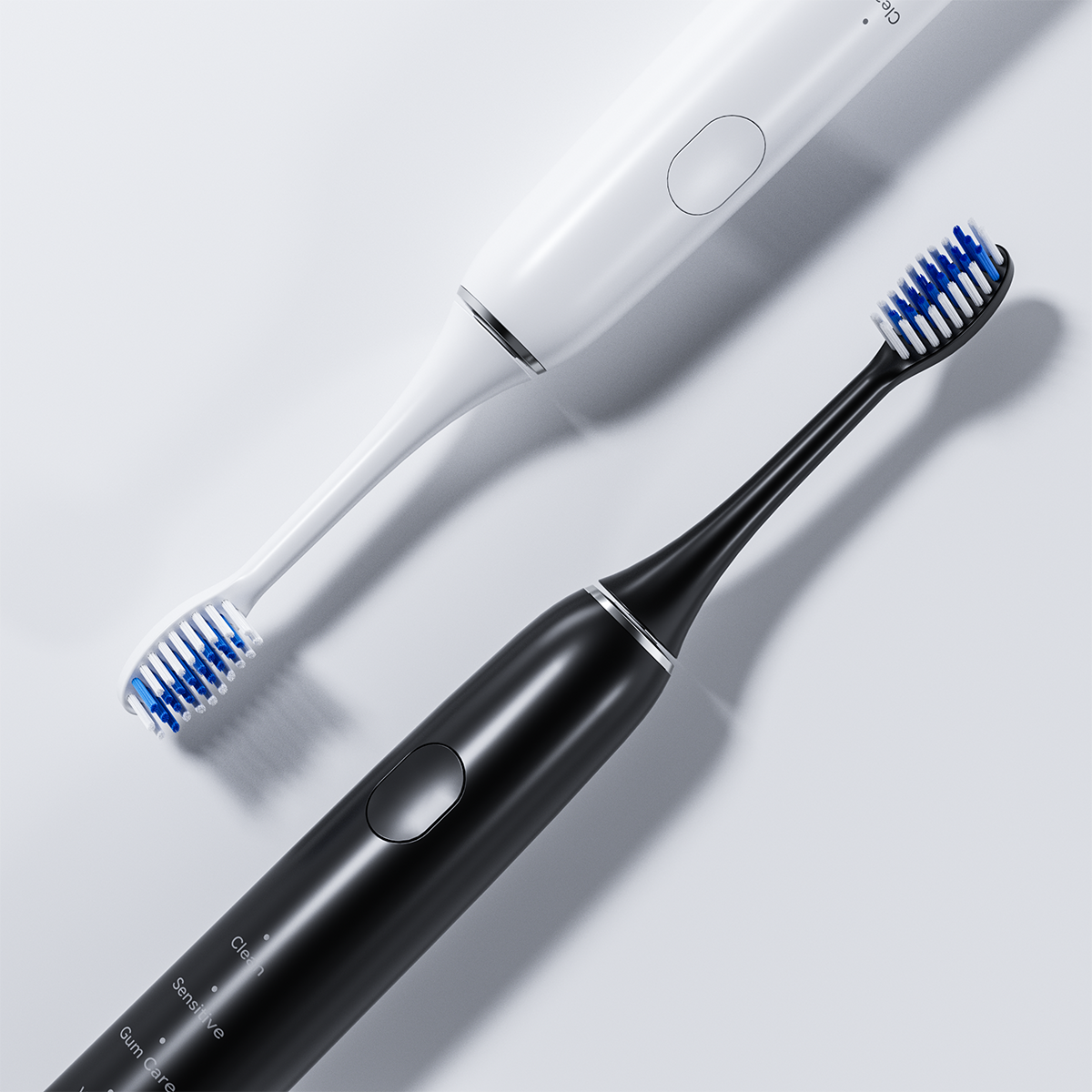
Waterproof & Fast Charging? Inside High-End electric Toothbrush Charging Stations
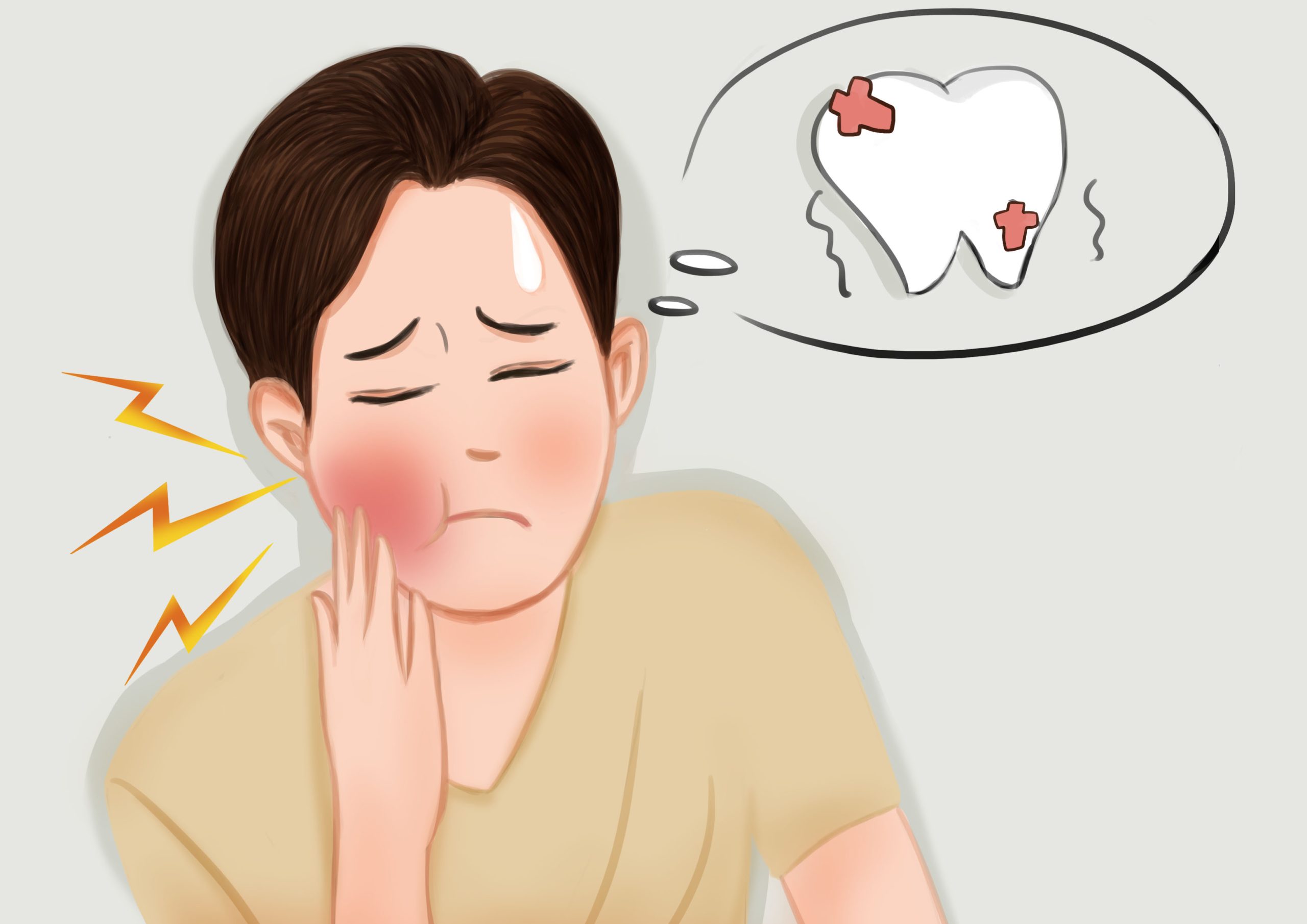
Understanding and Treating Gum Bleeding When Brushing
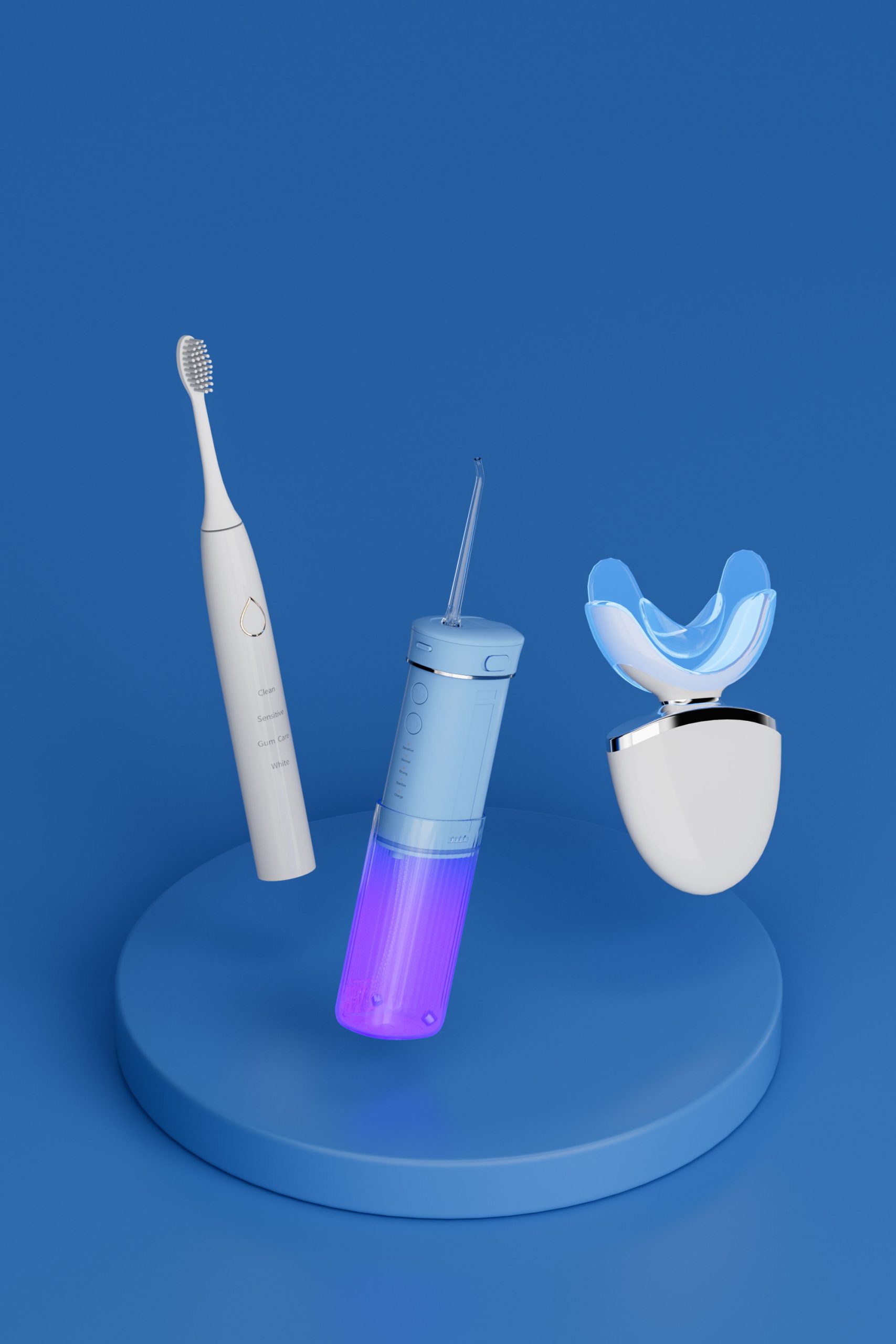
PowSmart’s Commitment to Quality: What Sets Our Oral Care Products Apart
How to Prevent Water Discoloration and Microbial Growth?

How to Keep Teeth Clean with Braces: A Complete Care Guide
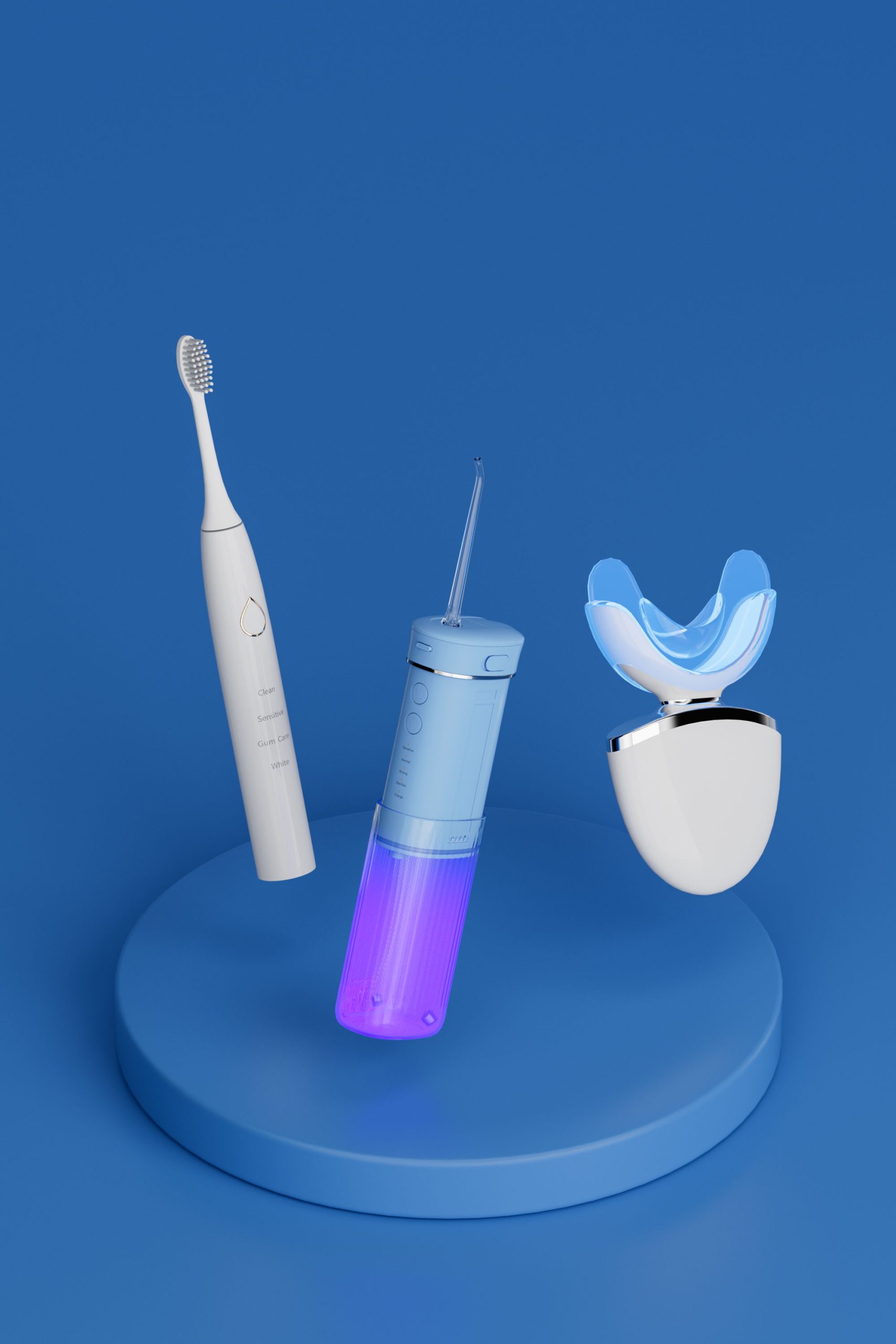
What Are the Benefits of the Function That a Toothbrush or Water Flosser Gradually Starts Up in 3 Seconds?
Discover a Great Reason to Switch to an Electric Toothbrush
Professional Dental Care Whitening Device Factory in China

Is the Manufacturing Process of Electric Toothbrushes Complicated?


.jpg)
.jpg)
.jpg)
.jpg)
.jpg)






.jpg)

.jpg)