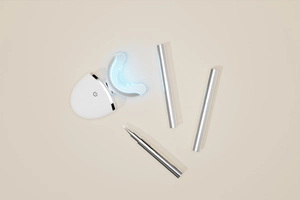
.jpg)
As global demand for smart personal care products rises, electric toothbrush distribution is becoming one of the most profitable segments in the oral hygiene market. For distributors and wholesalers, selecting the right product can significantly impact revenue, brand reputation, and customer retention. This guide is designed to help distributors identify high-profit electric toothbrush, evaluate wholesale purchasing strategies, and confidently enter or expand their electric toothbrush offerings. Understand the Market: Why Electric Toothbrushes Are Booming Electric toothbrushes are no longer a luxury item—they’re a daily essential for millions. According to market research, the global electric toothbrush market is expected to exceed USD 7 billion by 2027. The surge is driven by: Consumer awareness of oral health A rise in smart healthcare devices Growing demand in emerging markets For distributors, this trend presents a unique opportunity to capitalize on high-margin oral products that combine innovation with consumer demand. Key Features to Look For in a High-Profit Electric Toothbrush Not all electric toothbrushes are created equal. High-profit products typically include: Multi-mode functionality (clean, sensitive, gum care, etc.) Rechargeable lithium batteries for long-term use Smart features like timers, pressure sensors, or app connectivity Ergonomic and aesthetic design to attract end-users These features allow for premium pricing and improve your margin…
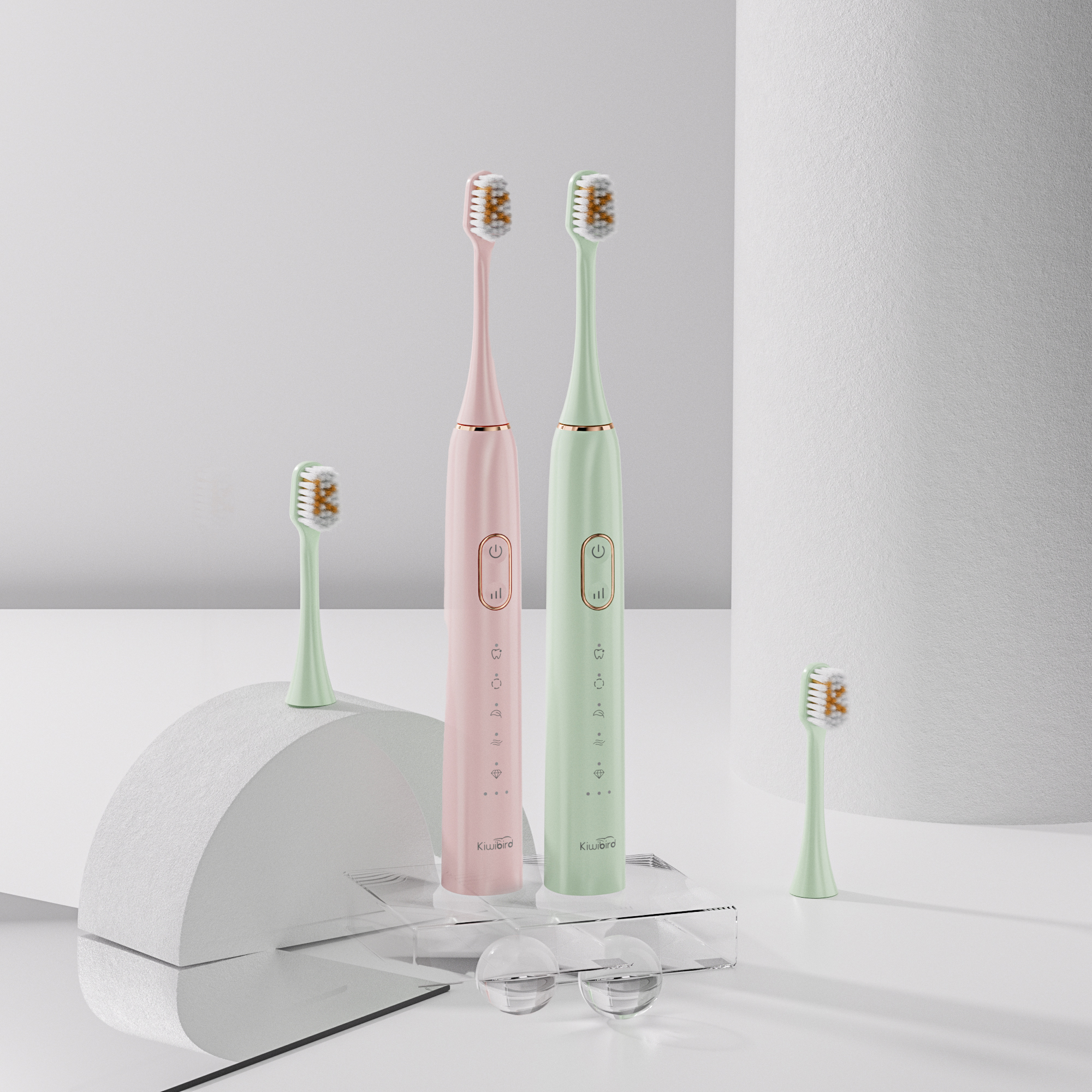
In today’s fast-evolving personal care market, managing stock effectively is a major challenge for electric toothbrush distributors. With rising product diversity, seasonal demand fluctuations, and rapidly changing consumer preferences, how can distributors reduce inventory risk has become a critical component of a successful electric toothbrush distribution strategy. This blog outlines key approaches to effective inventory management, highlighting how distributors can optimize their operations, improve cash flow, and reduce procurement risks while meeting market demands. Understand Market Demand Through Data Analytics Accurate forecasting is the first step toward reducing inventory risk. Distributors should utilize sales data, market trends, and seasonality to predict demand accurately. Use historical sales data for trend analysis Monitor emerging preferences (e.g. smart toothbrushes, sustainable materials) Adjust stock levels dynamically based on demand signals This data-driven approach allows distributors to align stock quantities with real-time market needs, reducing the chances of overstocking or understocking. Keywords integrated: Inventory management, Electric toothbrush distribution strategy Adopt a Just-in-Time (JIT) Inventory Model The Just-in-Time model minimizes inventory holding costs by aligning procurement with actual demand. This strategy is particularly effective for high-value, fast-evolving products like electric toothbrushes. Reduces warehouse costs and excess inventory Lowers capital tied up in unsold goods Enhances flexibility to respond to new…
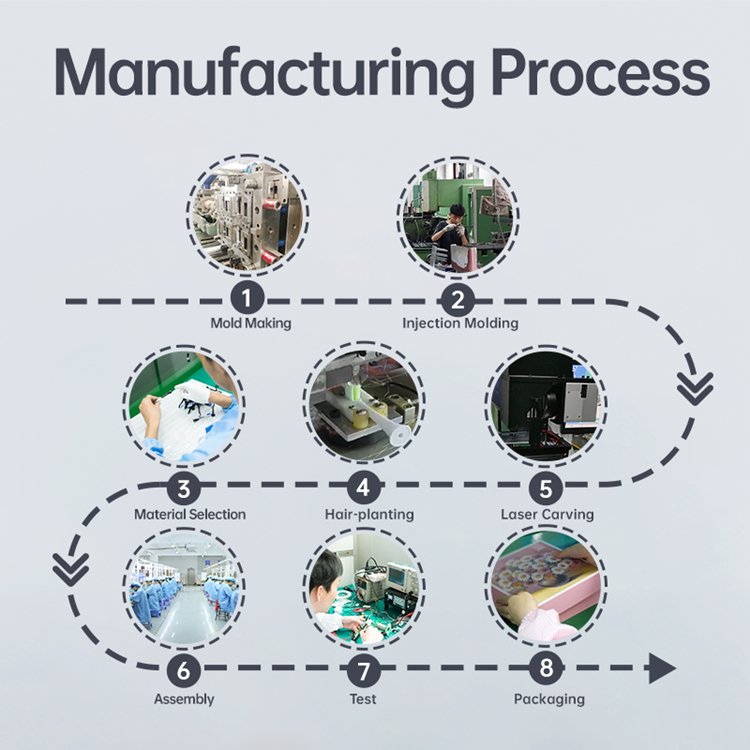
An OEM Partnership Program that guarantees a Long-Term Toothbrush Supply is essential for businesses aiming for sustained growth in the oral care industry. As demand for high-quality toothbrushes continues to rise, securing a reliable and flexible supply chain becomes a critical component of business success. By partnering with an experienced OEM manufacturer, companies can ensure consistent product quality, on-time deliveries, and long-term reliability. Stability and Consistency in Supply Chain A solid OEM Partnership Program provides stability and consistency, ensuring that your Long-Term Toothbrush Supply meets both your production needs and your customers’ expectations. By establishing a partnership with a trusted manufacturer, you can avoid the common pitfalls of supply chain disruptions, such as stock shortages or delays, which can harm your brand’s reputation and customer loyalty. Customized Solutions to Fit Your Brand’s Needs When seeking a reliable OEM Partnership Program, customization is key. A reputable partner offers tailored solutions for the Long-Term Toothbrush Supply that align with your brand’s specific needs. Whether it's specialized packaging, unique brush designs, or incorporating eco-friendly materials, a flexible OEM partner will work with you to meet your product specifications, ensuring your toothbrushes stand out in the market. High-Quality Manufacturing Standards The backbone of any…
.jpg)
Finding a dependable USB rechargeable sonic toothbrush supplier is essential for brands building a competitive presence in the oral-care market. Consumers now expect efficient charging, powerful sonic vibration, and a design that fits easily into daily routines. Therefore, manufacturers must deliver not only advanced technology but also high consistency in production. As the demand for travel-friendly and Type-C rechargeable devices grows, choosing the right supplier becomes a key strategic decision. Modern sonic toothbrushes have evolved rapidly, and USB recharging has become a popular standard because it simplifies the user experience. Moreover, brands switching from older charging solutions to USB-based systems gain stronger compatibility with global markets. Even though this shift appears simple, it still requires deep engineering experience to maintain durability, water resistance, and stable power output. For this reason, many companies partner with established factories that already specialize in sonic technologies, oral-care electronics, and environmental sealing. Why USB Charging Matters in Today’s Market Consumers prefer USB solutions for convenience, cross-device compatibility, and easier replacement of cables. Additionally, USB-C has become a near-universal standard, which boosts a product’s perceived value. At the same time, manufacturing teams must ensure that the charging port remains waterproof. Achieving IPX7 or higher involves proper…
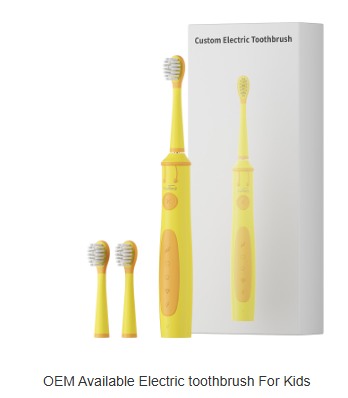
The demand for rechargeable kids toothbrush wholesale solutions continues to rise as global parents seek safer and more effective brushing tools for children. Because oral hygiene awareness is increasing worldwide, brands now require reliable factories that combine safety, creativity, and long-term performance. As a professional children’s toothbrush manufacturer, Powsmart offers advanced kid-friendly models designed for comfort, durability, and daily use. Safe Design Features for Rechargeable Children’s Toothbrushes Parents expect gentle yet effective cleaning, and therefore our children’s models use soft bristles, rounded tips, and age-appropriate sonic vibration levels. These features help protect enamel during the early stages of development. Additionally, ergonomic handles ensure a stable grip, preventing slipping while brushing.For industry guidelines, visit the American Dental Association: https://www.ada.org. To support brand expansion, our toothbrushes include long-lasting rechargeable batteries, allowing children to use the device for weeks between charges. Furthermore, colorful LEDs, cartoon themes, and multiple brushing modes help keep children engaged. As a result, brands that source kid-friendly products from us gain access to models that satisfy both parents and young users. OEM/ODM Customization for Child Oral Care Brands To help brands stand out, we provide extensive OEM/ODM services, including housing design, bristle softness customization, color matching, packaging development, and…
USA Bulk Electric Toothbrush Supplier: Powsmart, Your Sourcing Partner from China Are you a retailer, distributor, or startup in the USA looking for a reliable bulk electric toothbrush supplier? Meeting the booming demand for oral care products requires a partner who can deliver quality, innovation, and value. Look no further than Powsmart. While the market demand is in the USA, the manufacturing hub for high-quality, cost-effective electronics is in China. Powsmart operates as your essential bridge, connecting American businesses with premier Chinese factories and manufacturers. We are not a local USA producer, but your dedicated supplier and sourcing agent based in China, ensuring you get the best products directly from the source without compromising on standards. Why the USA Market Relies on Bulk Electric Toothbrush Suppliers The demand for electric toothbrushes in the United States is stronger than ever. Driven by increased health consciousness, the influence of dental recommendations, and the popularity of smart personal care gadgets, retailers and wholesalers need a steady, scalable supply. Thriving E-commerce & Retail: From Amazon storefronts to big-box retailers, the shelf space for electric toothbrushes is expanding. Subscription Models & Dental Practices: Many businesses are incorporating oral care products into subscription boxes or as recommended products in dental clinics.…
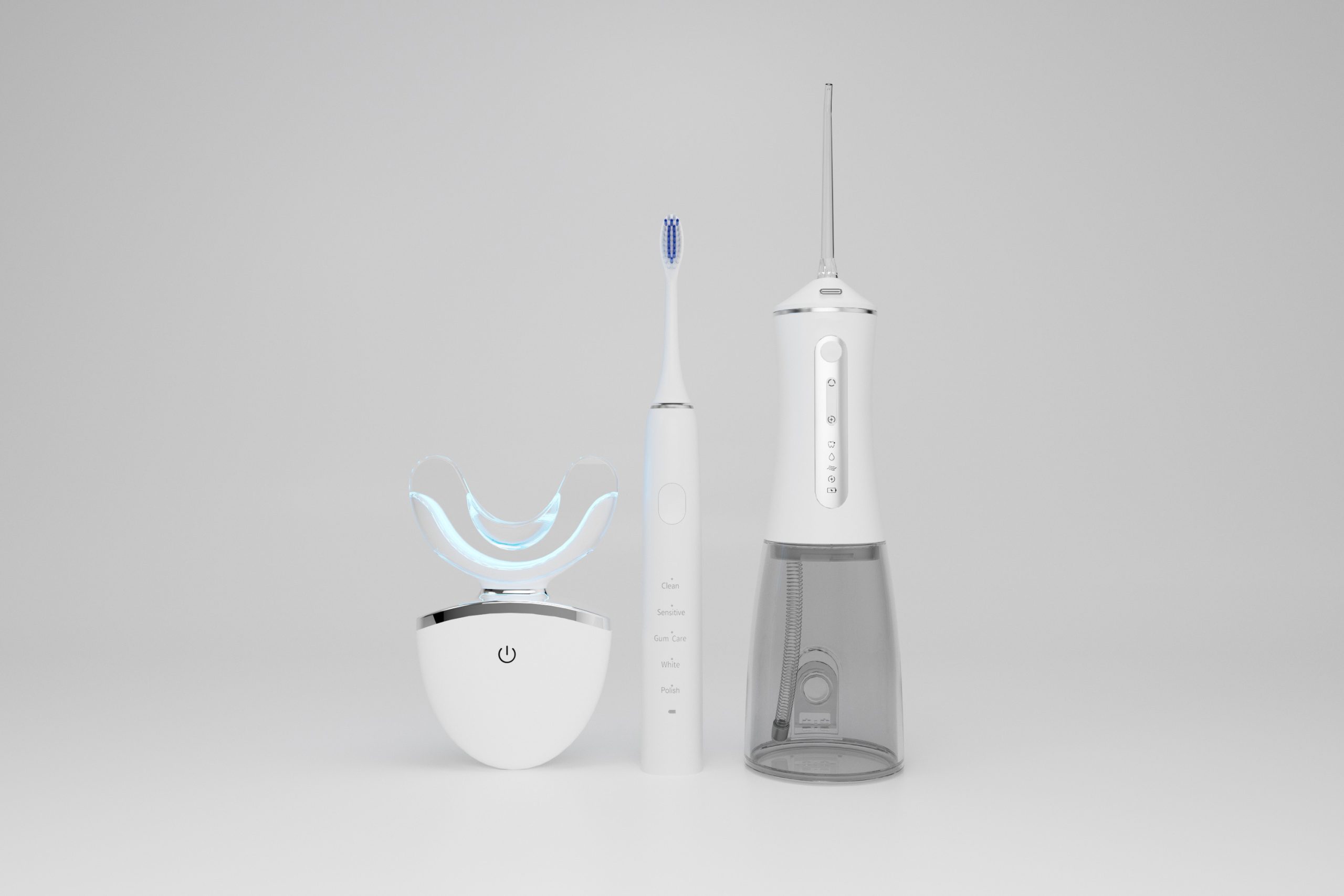
As the oral care industry evolves rapidly with consumer demand for smart, tech-driven products, brand owners are increasingly seeking efficient ways to scale production. Wholesale smart electric toothbrushes have become a key product category for businesses aiming to expand market share quickly. By purchasing bulk dental products from reliable manufacturers, B2B buyers can benefit from cost efficiency, consistent product quality, and faster go-to-market strategies.This blog outlines the key bulk order advantages, strategic insights for B2B oral care businesses, and how working with an oral care products OEM can support your brand’s long-term growth. The Growing Demand for Smart Electric Toothbrushes In today’s competitive oral hygiene market, consumers expect more than just clean teeth—they want a personalized, connected experience. This has led to explosive growth in smart electric toothbrushes, which often feature: Bluetooth app connectivity Pressure sensors Multiple brushing modes Charging docks or USB recharging For B2B buyers, keeping up with these tech trends is crucial. Wholesale purchasing allows brands to meet market demand while maintaining healthy profit margins. Key Advantages of Bulk Ordering for Brands Opting to purchase bulk dental products brings several advantages for oral care brands: a. Cost Savings at Scale Bulk pricing significantly reduces the per-unit cost of production and packaging. This…
The city of Austin is known for its technology-driven lifestyle. Naturally, the smart toothbrush Austin professionals and families use reflects the same values: innovation, efficiency, and personalization. Why Austin Chooses Smart Oral Care Smart toothbrushes connect to mobile apps, track brushing habits, and provide real-time feedback. For Austin’s tech-savvy community, these features align with a lifestyle centered around data, personalization, and modern wellness. Features of Smart Toothbrushes Smart models include pressure sensors, AI-powered brushing guidance, and multiple cleaning modes. For families, they even include gamified brushing apps for kids. Explore advanced models at Powsmart.com to see how smart oral care fits into daily life. Benefits for Busy Professionals Austin’s workforce—software engineers, healthcare providers, and entrepreneurs—value tools that save time while improving health. A smart toothbrush ensures proper brushing technique, reduces the risk of cavities, and supports gum health. Backed by Research The American Dental Association (ADA) confirms that consistent brushing with powered toothbrushes can significantly reduce plaque and gingivitis (source). Smart devices build on this with advanced tracking features. Austin Lifestyle and Oral Care From downtown apartments to family homes in suburbs, residents are increasingly looking for products that combine sustainability with innovation. Rechargeable smart toothbrushes align perfectly with Austin’s…
Designing a smart toothbrush Austin SKU for this market — or for retailers who sell into Austin’s tech-savvy channels — means combining robust hardware, thoughtful software, and local-market positioning. Below are six manufacturer-focused areas to get right so your product reads as genuine Austin tech brush innovation to distributors, clinics and retail partners. Product architecture — sensors, motor and modular head design First, start with a scalable hardware platform. A credible Austin tech brush should include: High-resolution motion sensors (3-axis accelerometer + gyroscope) to detect orientation and brushing patterns. A reliable sonic/oscillating motor tuned for effective plaque removal while preserving battery life. Modular brush-head compatibility so one handle can serve mass-market, sensitive, orthodontic and whitening heads. Consequently, this modular approach reduces SKU complexity for your channel partners and lowers end-user Replacement Cost objections. App connectivity & analytics — turning brushing into actionable insight Next, prioritize seamless App Connectivity. For a true smart toothbrush Austin proposition, implement: Stable BLE pairing and drop-in reconnection flows for iOS/Android. Real-time brushing feedback, quadrant timers, and post-brush summaries that translate sensor data into simple coaching tips. Cloud analytics (anonymous, aggregated) for B2B reporting: refill cadence, feature usage, and cohort health insights that retail or clinic…

In Austin’s thriving tech scene, innovation extends beyond software and hardware—it’s also influencing wellness and lifestyle products. As companies seek unique corporate branding solutions, one surprising trend is emerging: Custom Logo Smart Toothbrush. For tech-savvy organizations, these devices combine health, design, and connectivity, making them an ideal branded oral care solution. Why Austin Tech Companies Are Exploring Smart Toothbrush OEM The competition for talent in Austin’s booming tech hub is fierce. Employers are looking for creative ways to build loyalty and stand out. A Smart Toothbrush OEM for Austin Tech Companies offers a practical yet futuristic gift—one that aligns with the city’s culture of innovation while promoting health and wellness. Branded Oral Care as a Corporate Differentiator Traditional branded swag often ends up forgotten in drawers. By contrast, branded oral care products like smart toothbrushes are both functional and memorable. Every time employees or clients brush their teeth, they are reminded of your company’s commitment to innovation, wellness, and smart living. The Appeal of Custom Logo Smart Toothbrushes A custom logo smart toothbrush seamlessly blends personal health tech with corporate identity. Whether it’s laser engraving logos, branded packaging, or integrated app design, these products ensure your brand message is literally in the…
.jpg)
Corporate gifting in Austin has evolved beyond logo pens and plaques — increasingly, HR and people teams want gifts that show care and actually improve daily life. An electric Austin corporate gift that’s designed for oral health can be a high-impact way to promote employee wellness: it’s useful, visible, and encourages a healthy habit every single day. Below are six manufacturer-focused angles that explain why electric toothbrushes work as corporate wellness gifts and how to design, produce and pitch them to B2B customers. Strategic alignment — wellness, retention and brand warmth First, employers are buying into wellness as a retention and engagement tool. Consequently, an Austin corporate gift that supports oral hygiene sends a health-positive message and reinforces employer investment in staff. For manufacturers, this means positioning electric toothbrush SKUs not just as promo items but as wellness assets that HR departments can include in benefit programs, onboarding kits, and employee appreciation events. Feature set that truly supports employee wellness Moreover, features matter. To make a meaningful wellness gift, your electric toothbrush should include: a 2-minute timer (with Quadpacer), a pressure sensor to protect gums, a sensitive mode for comfort, quiet operation for open-plan offices, USB-C fast charging or long…
In recent years, Austin has emerged as a vibrant center for sustainable manufacturing. Known for its progressive business community and eco-friendly mindset, the city attracts innovators who care about reducing environmental impact. This makes it an ideal place for Environmentally-conscious electric toothbrush production — a sector that combines advanced technology with sustainable materials. The Rise of Eco-Friendly Electric Toothbrush Manufacturers Consumers are increasingly demanding products that align with their values. Eco-Friendly Electric Toothbrush Manufacturers in Austin are responding by adopting renewable energy sources, minimizing plastic use, and embracing circular economy principles. These companies are proving that performance and environmental responsibility can go hand in hand. Biodegradable Brush OEM Opportunities For oral care brands looking to partner with manufacturers, Austin offers strong biodegradable brush OEM options. These Original Equipment Manufacturers use plant-based materials for brush heads, compostable packaging, and low-emission production processes. This not only reduces waste but also helps brands meet strict sustainability standards in global markets. Green Oral Care Suppliers and Local Collaboration Many Green Oral Care Suppliers in Austin are part of an interconnected local network, making it easier for brands to source components responsibly. From bamboo brush handles to rechargeable battery solutions with minimal environmental impact, Austin suppliers are pushing innovation…
.jpg)
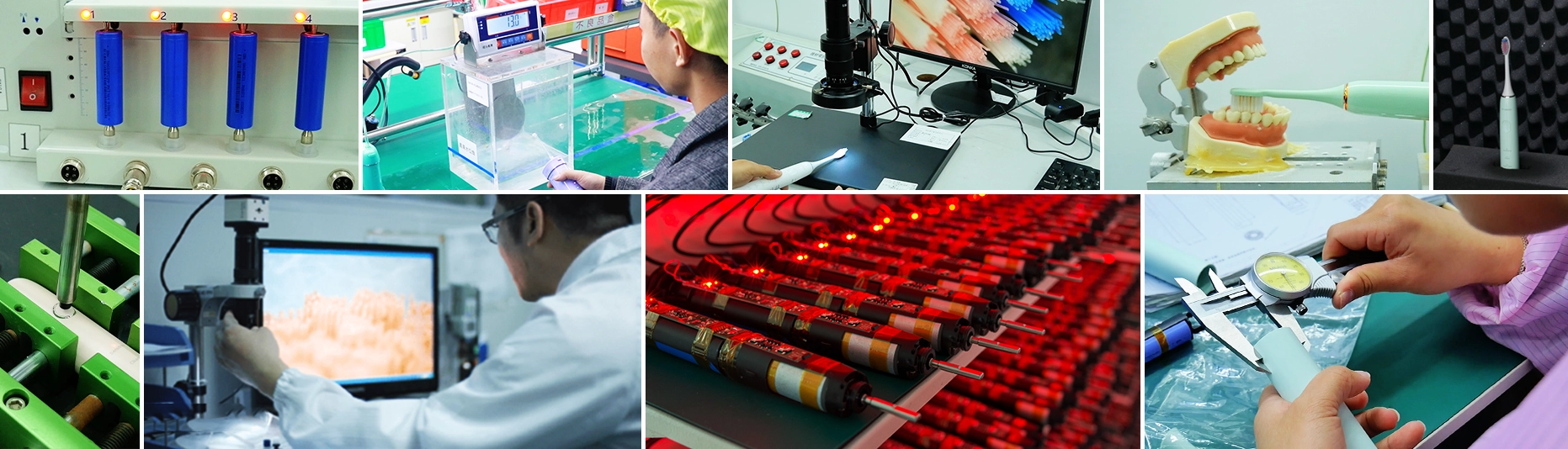
Sonic Electric Toothbrush Manufacturing Excellence in Austin: POWSMART Leads the Way When it comes to sourcing high-quality sonic electric toothbrush products, discerning brands and retailers seek out reliable Austin factory and manufacturer partners who combine innovation with rigorous quality control. POWSMART, based in Austin, stands at the forefront of this industry, offering exceptional OEM and ODM services for the global oral care market. Why Choose an Austin-Based Sonic Electric Toothbrush Manufacturer? Austin, Texas, has emerged as a hub for technology and advanced manufacturing. Partnering with an Austin manufacturer for your sonic electric toothbrush production offers distinct advantages: Proximity to North American Markets: Faster shipping times, reduced logistics costs, and easier communication for US-based brands. High-Tech Ecosystem: Access to cutting-edge technology, engineering talent, and innovative materials inherent to the Austin region. Stringent Quality Standards: US-based manufacturers often adhere to rigorous quality assurance protocols, ensuring product safety and reliability. POWSMART: Your Trusted Sonic Electric Toothbrush Factory and Supplier At POWSMART (www.powsmart.com), we specialize in the design, development, and manufacturing of premium sonic electric toothbrushes. As a leading supplier and factory, we provide end-to-end solutions for brands looking to make their mark in the competitive oral care industry. Our Manufacturing Capabilities Our state-of-the-art factory is equipped with advanced machinery and staffed by a team of experienced engineers and technicians. We control the entire…
1-scaled.jpg)
In the B2B personal-care market, product fit is everything. For manufacturers, designing a toothbrush that truly suits Texas sensitive gums while meeting the sustainability expectations of the Austin market (think the Austin eco toothbrush) creates a valuable niche: scientifically sound oral care that also aligns with local values. Below are six focused dimensions — market insight, design, materials, ergonomics, testing, and commercialization — to help OEMs/ODMs turn the idea into a producible and profitable product line. Market insight & buyer motivation First, understand the user profile. Customers with Texas sensitive gums prioritize gentle cleaning, reduced abrasion, and reassurance from credible endorsements. Simultaneously, Austin buyers care about environmental impact. Therefore, positioning a product as an Austin eco toothbrush that is specifically tuned for sensitivity gives retailers and distributors a clear value proposition: combining oral-health efficacy with sustainability credentials. Transitioning from insight to product means mapping sensitivity drivers (e.g., gum recession, enamel exposure, aggressive brushing) to tangible design responses (softer bristles, tapered filament tips, lower vibration amplitude). Bristle & head design — low-abrasion cleaning Next, the heart of sensitivity-focused design is the brush head. For users with Texas sensitive gums, the brush should: Use soft to ultra-soft filaments with end-rounded or tapered…
.jpg)
For brands targeting eco-conscious consumers in Austin, the question often arises: can an Austin eco toothbrush also serve as an effective Austin whitening brush without compromising sustainability claims or product safety? In short, yes — but only when design, materials and validation are intentionally aligned. This article breaks down the engineering trade-offs, material choices, testing protocols and commercial strategies B2B buyers should consider when packaging a dual-purpose eco + whitening SKU for the Austin market. Market opportunity and buyer expectations First, understand the opportunity: Austin shoppers favor sustainable products, yet many still want visible whitening results. Therefore, a dual-positioned product must meet two expectations at once: Credible sustainability credentials (recyclable or bio-based materials, minimal plastic waste). Measurable cosmetic whitening (surface stain reduction) without harming enamel. Consequently, your product messaging should balance “eco” and “cosmetic” claims and prepare distributors for questions from both green-minded retailers and beauty-focused channels. Material science: reconciling eco materials with whitening performance Material selection is the pivot point for a successful Austin eco toothbrush that can be marketed as an Austin whitening brush: Handle materials: Use recycled PC/ABS blends, bio-polymers (PLA blends where appropriate), or post-consumer recycled plastics with UV stabilizers to avoid yellowing. Bristle options: High-performance,…
.jpg)
Source Custom Logo Smart Toothbrushes for Austin Tech Companies from China’s Powsmart Factory Austin’s tech scene is booming, and companies are constantly seeking innovative ways to promote their brand, enhance employee wellness, and create memorable corporate gifts. Custom logo smart toothbrushes represent the perfect intersection of technology, health, and branding. For Austin-based tech firms looking to source these high-demand products, Powsmart stands as a premier manufacturer and factory from China, supplying the global market with top-tier oral care technology. This article outlines why Powsmart is the ideal Chinese supplier and factory for your branded smart toothbrush needs in Austin. Why Custom Smart Toothbrushes are a Perfect Fit for Austin’s Market Austin, known as the "Silicon Hills," is home to a dense population of tech-savvy professionals. These individuals appreciate cutting-edge gadgets that integrate seamlessly into their lifestyles. A custom smart toothbrush is more than a gift; it's a statement. High-Tech Brand Alignment: Gifting a smart toothbrush reinforces a company's identity as innovative and forward-thinking. Employee Retention & Wellness: Offering a premium health tech product as an employee benefit supports wellness initiatives, a major trend in the competitive Austin tech job market. Powerful Corporate Swag: At tech conferences, corporate events, or client meetings, a branded smart toothbrush is…
If you are searching for a Dallas toothbrush sale, our Shenzhen-based factory offers premium electric and manual toothbrushes at competitive prices. By shipping directly from the source, we keep costs low while ensuring excellent quality. Since 2004, we have operated a 5,000 m² manufacturing facility equipped with advanced production lines and strict quality control systems. All our products meet CE, RoHS, FCC, and FDA certifications. This means every toothbrush we produce is safe, reliable, and built to last. Our designs use DuPont bristles and German PEDEX color-change bristles for effective cleaning and gentle gum care. In addition, the patented magnetic levitation motor delivers up to 40,000 vibrations per minute. Features like IPX8 waterproofing and a 2000mAh rechargeable battery make our toothbrushes practical for everyday use. Customers in Dallas can benefit from factory-direct pricing and fast global delivery. Whether you are looking for a single unit or a wholesale order, we provide tailored solutions to match your needs. Moreover, our dedicated export team ensures smooth logistics and responsive customer service. Learn more about our production capabilities on our official company page or explore dental care advice from the American Dental Association. With over 20 years of experience, we are your trusted…
.jpg)
When it comes to sourcing high-quality electric toothbrushes, Dallas and the broader DFW (Dallas–Fort Worth) region are gaining global recognition. The city’s strategic location, strong logistics network, and growing expertise in Dallas dental manufacturing make it an ideal base for oral care brands seeking reliable partners. Many DFW toothbrush private label services available companies are now offering advanced production capabilities, including sonic motor integration, ergonomic handle designs, and long-lasting battery technology — ensuring your brand can compete in both domestic and international markets. Private Label Services That Empower Your Brand Whether you’re a start-up oral care business or an established brand, a Texas toothbrush private label services can help you launch a premium electric toothbrush line without the burden of building your own manufacturing facility. From mold creation to motor assembly, Dallas-based OEM factories often provide turnkey solutions: Product design customization to match your brand identity Quality compliance with FDA and international standards Flexible order quantities for both small and large runs This approach allows you to focus on marketing, distribution, and customer relationships — while your manufacturing partner handles the technical details. The Importance of Custom Packaging in Branding First impressions matter, and in retail environments, packaging is your silent salesperson. Many…


.jpg)
.jpg)
.jpg)
.jpg)
.jpg)



.jpg)