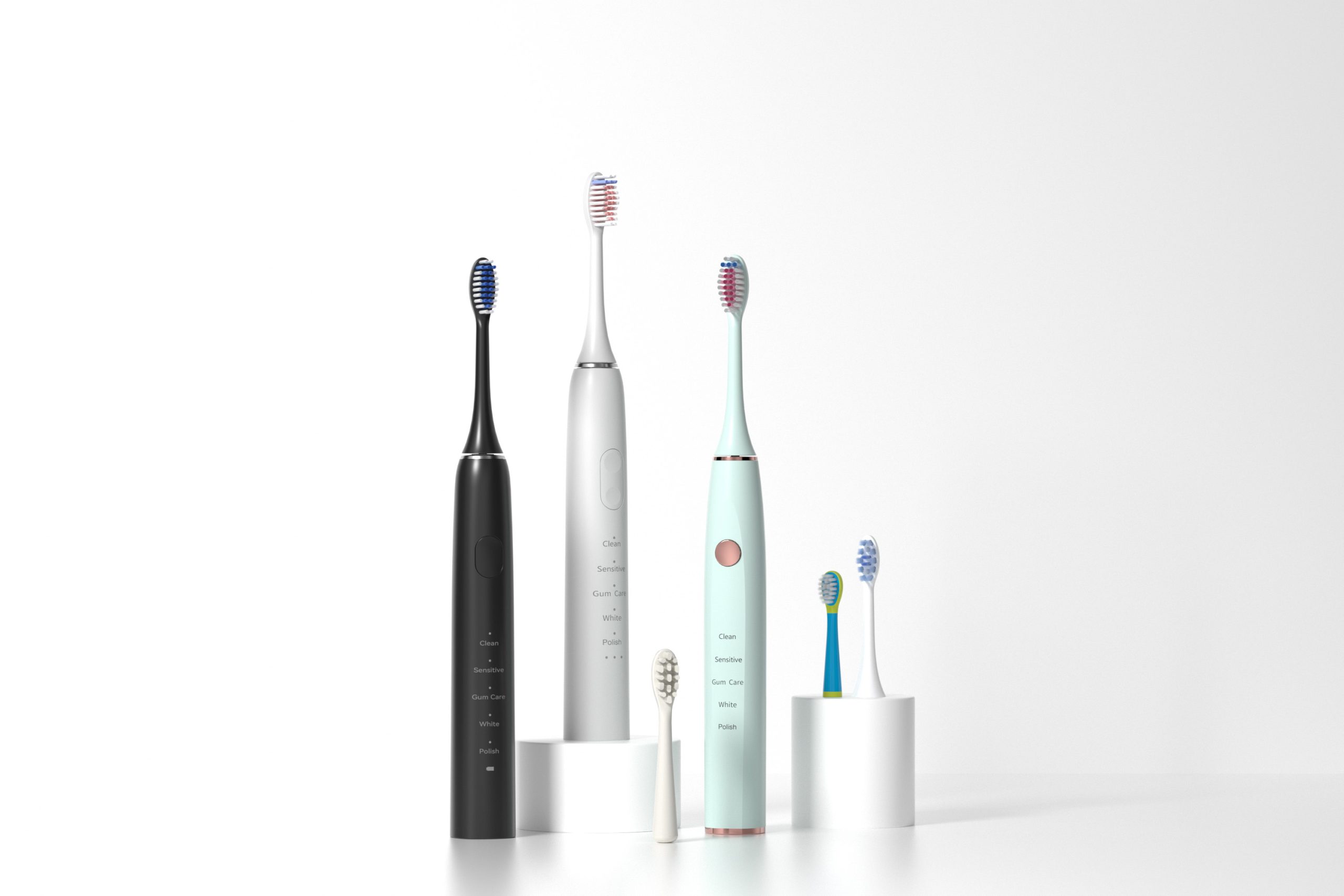
In modern oral care technology, safety features such as overheating alerts are designed to protect both users and devices. Yet in some cases, repeated overheating incidents can have unexpected consequences, including accelerated root exposure. This blog unpacks how thermal stress can damage gum tissue and compromise long-term dental health—an issue manufacturers must not overlook.
Overheating alerts are built-in safety mechanisms that detect excessive motor temperatures or circuit heat. They serve to:
However, frequent activation of these alerts signals that internal heat levels exceed design thresholds. When devices run hot during prolonged use, the thermal load can radiate to the brush head or irrigator tip, transferring heat to delicate gum surfaces.
When a device’s contact surfaces repeatedly overheat, several physiological responses occur:
Thus, even if an overheating alert temporarily protects hardware, it does not reverse thermal damage already inflicted on oral tissues. Company web:https://www.powsmart.com/product/electric-toothbrush/
Certain warning signs suggest your device models are prone to overheating-related gum damage:
If any of these are reported, proactive design improvements are essential to avoid liability and preserve brand reputation.
While overheating alerts are necessary, they also impact perceived product safety. Consumers expect oral care devices to be gentle on gums and enamel. Repeated alerts can:
If left unaddressed, the combination of root exposure and frequent heat warnings undermines customer confidence.
Manufacturers can implement several measures to mitigate these risks:
Together, these design improvements reduce thermal strain on gum tissue and maintain safe performance standards.
Addressing the link between overheating alerts and root exposure is not just about compliance—it is an opportunity to demonstrate commitment to user safety. Brands that invest in transparent testing and robust heat management can position their products as premium, health-protective solutions in a crowded market.
Ultimately, root exposure caused by thermal damage is an underrecognized risk in oral care device manufacturing. Repeated overheating alerts are a symptom of deeper design challenges that require immediate action. By prioritizing engineering improvements, manufacturers can deliver safer products that protect both oral health and long-term customer loyalty. Contact us
.jpg)
.jpg)
LA Affordable Toothbrush – Budget-Friendly Oral Care
.jpg)
The Ultimate Guide to Purchasing Water Flosser from China for Maximum Value
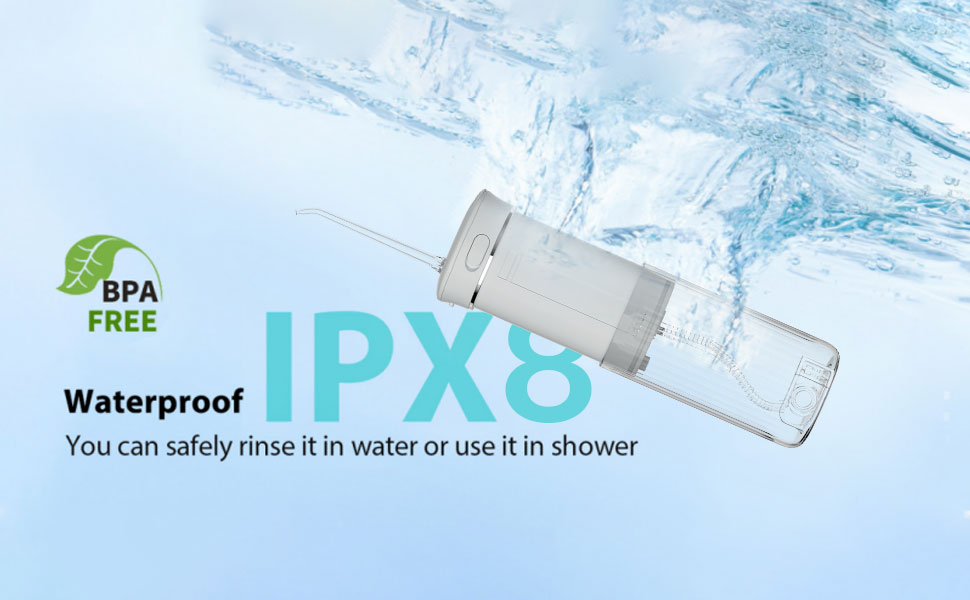
Waterproof Design Flaws of IPX7 Water-Resistant Water Flossers: Solutions to Seal Ring Aging and Water flosser Ingress Failures
Teeth Whitening Device OEM Manufacturer

Why NY dental recommended brands use NYC pressure sensor tech
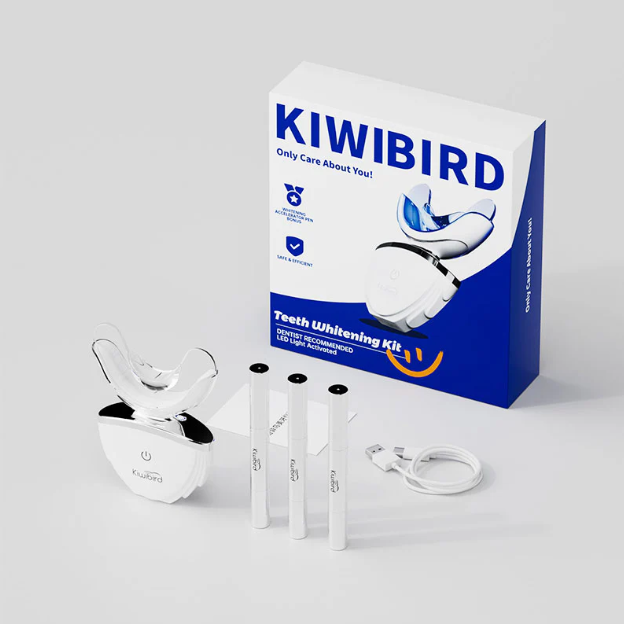
Solutions to Common Problems with Teeth Whitening Devices: How Can Manufacturers Reduce Product Return Rates?
How Does Whitening Kit Packaging Influence Whitening Kit Bundle Design for Market Appeal?
GERD Teeth Protection Guide: Brushing Strategies for Acid Reflux Sufferers
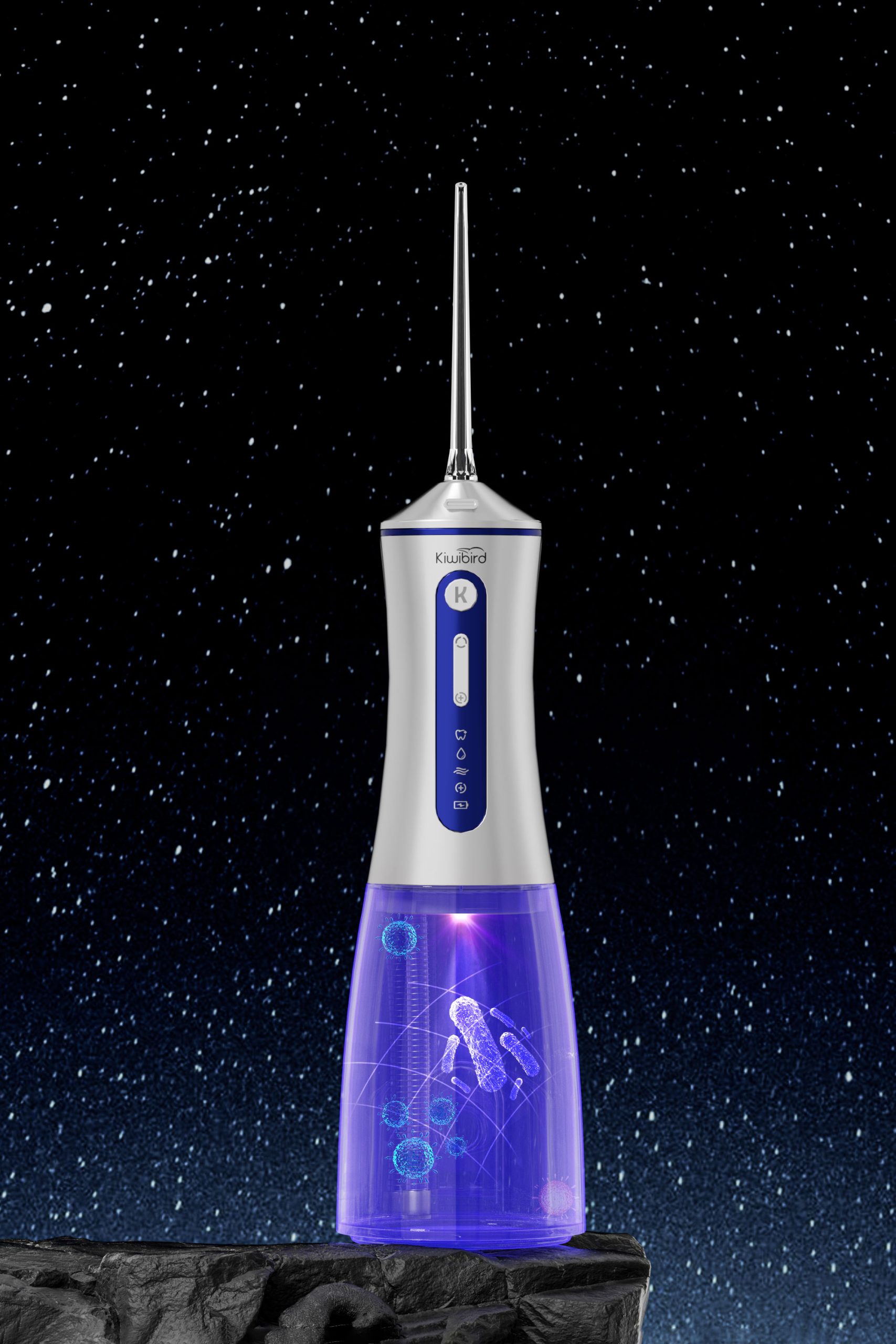
How to Deal with Mildew on Your Water Flosser: A Complete Guide
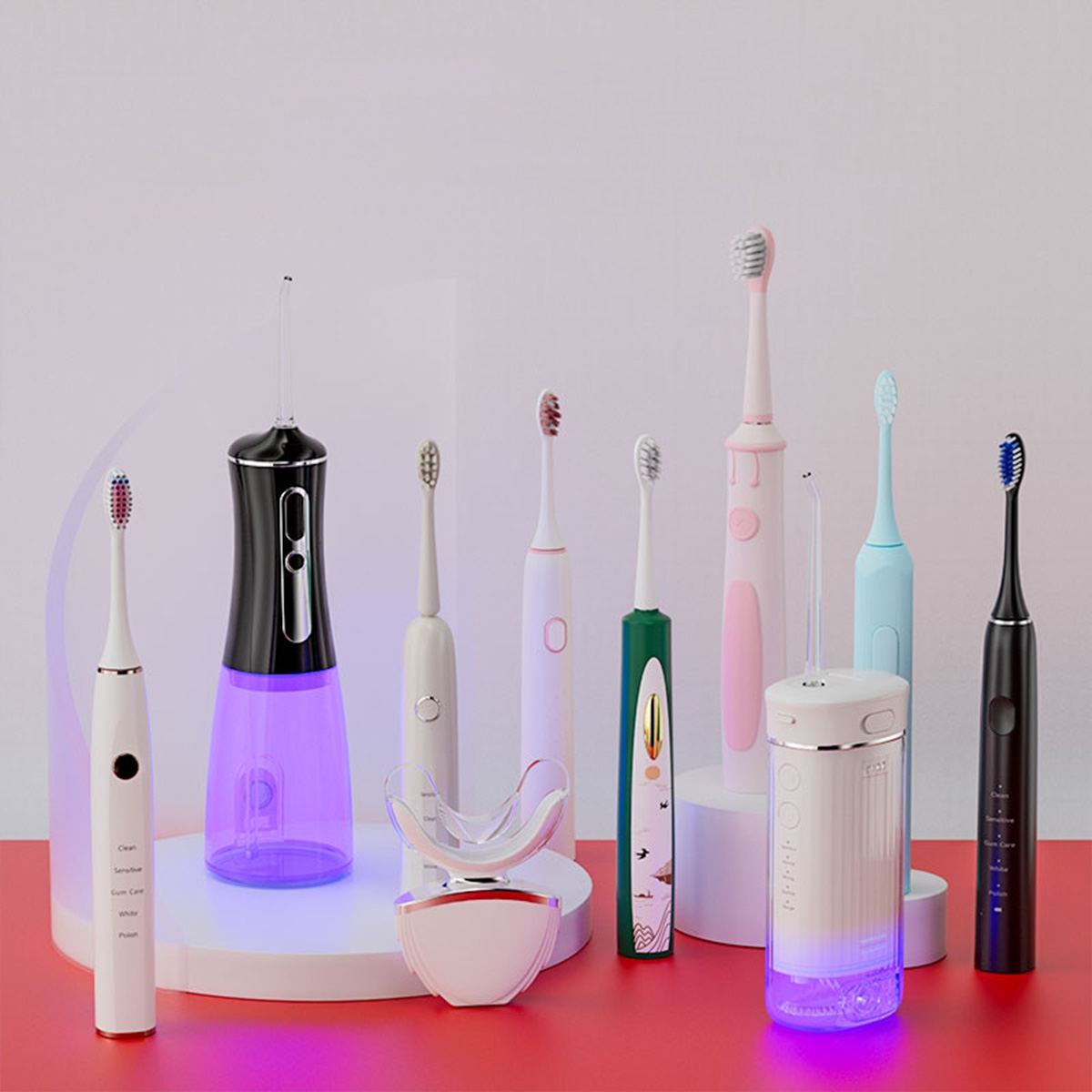
Bulk Electric Toothbrush Orders – Texas Manufacturing Minimums
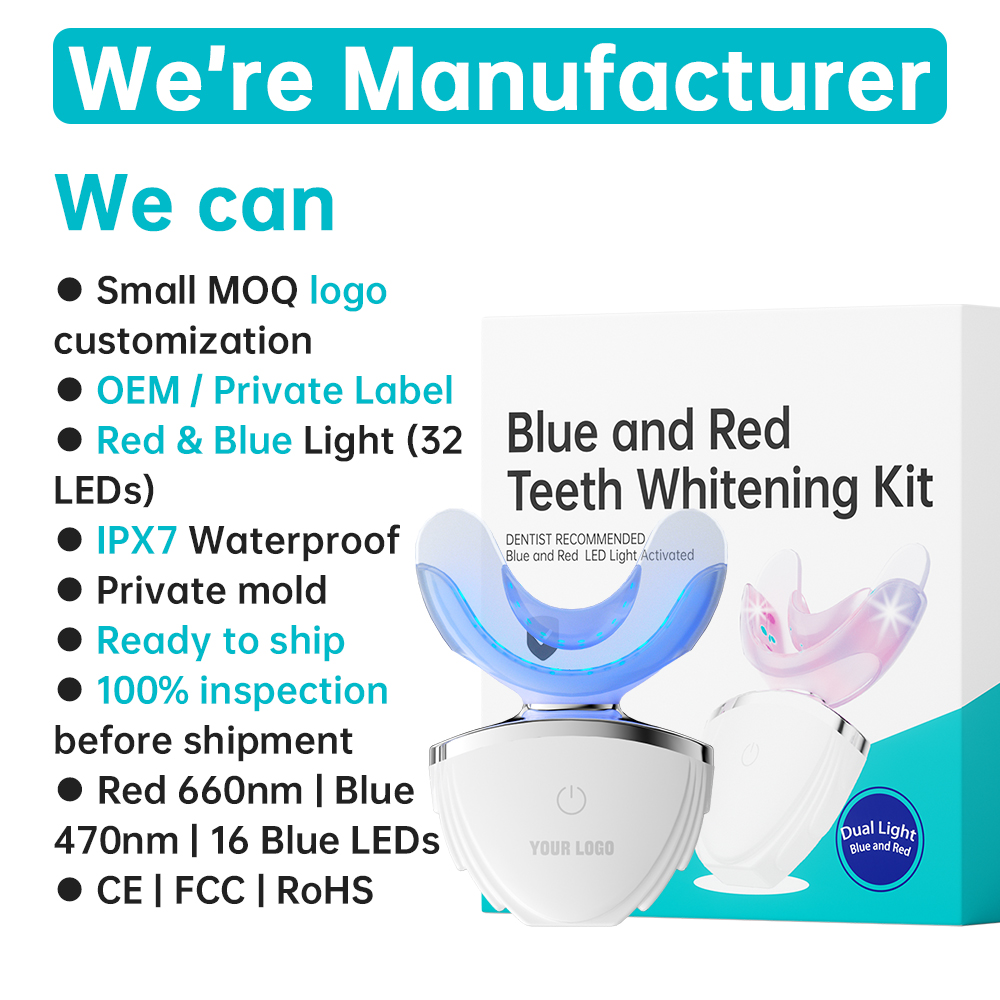
Why Is a Laboratory Test Report Indispensable for Marketing Claim Support?
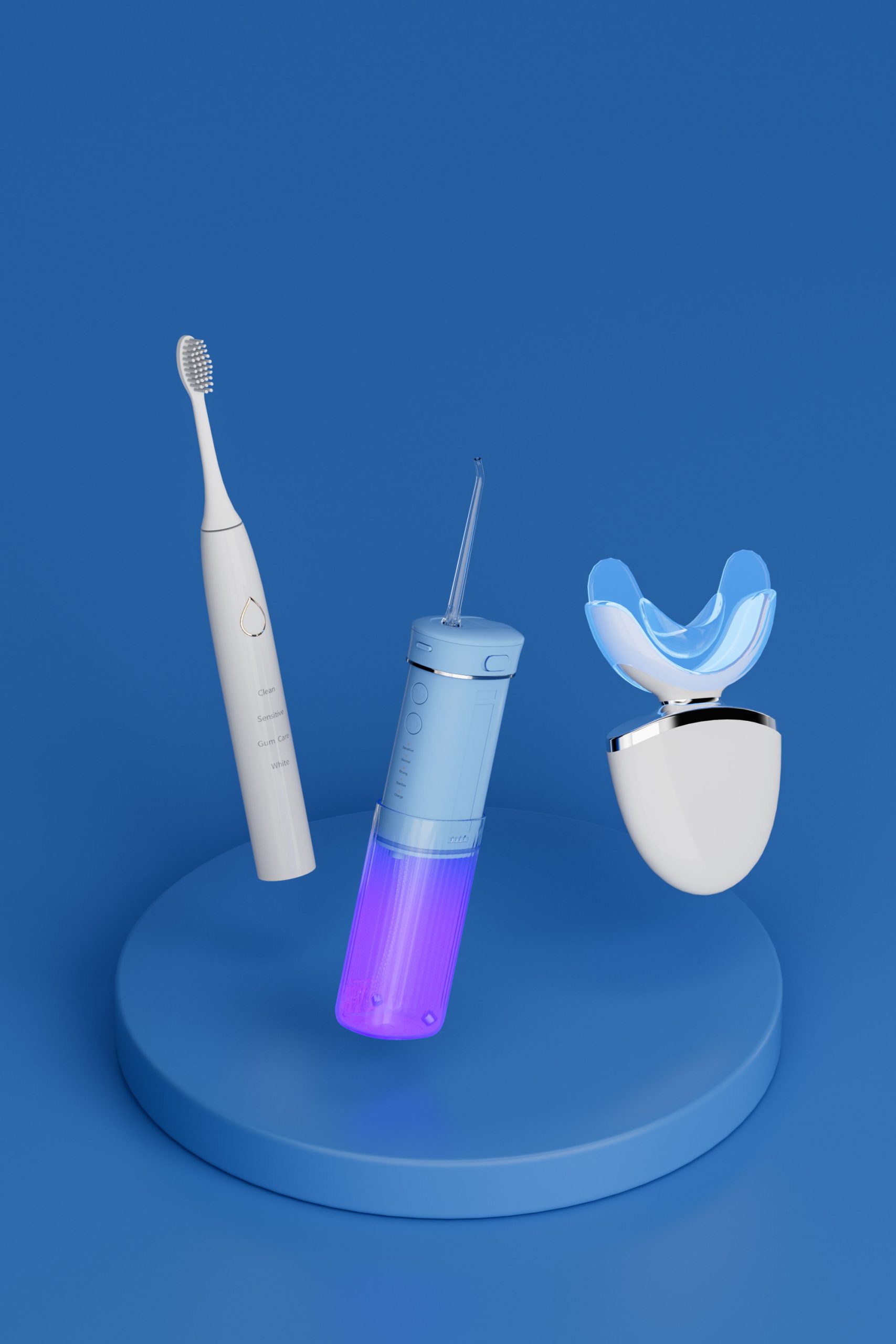
A Successful Case of OEM ODM Teeth Whitening Devices: How Did a Cross-Border Brand Rise Rapidly Through OEM?

Why Is a Long Endurance Electric Toothbrush a Selling Point?

Technological Breakthrough in Solving Water Flosser Leakage Problem: How to Achieve Complete Leakage Prevention?
Children’s Smart Toothbrush | OEM Solutions for Pediatric Oral-Care Brands
.jpg)
Confused About Electric Toothbrush Minimum Order Quantity?


.jpg)
.jpg)
.jpg)
.jpg)
.jpg)