When it comes to oral care, seemingly small design details—such as the Shape of Brush Head and the toothbrush bristle design—make a huge difference in overall cleaning performance. For oral care product brand owners, understanding these factors is not just about delivering a better product to consumers, but also about choosing the right OEM manufacturing partner who can execute precise Brush Head Bristle Design tailored to your market’s needs.
Below, we’ll explore how different bristle shapes and cuts influence effectiveness, comfort, and positioning in the marketplace.
The Shape of Brush Head directly affects how well the brush reaches different areas of the mouth.
A smaller, tapered head provides access to tight spaces and is often recommended for children or consumers with smaller mouths.
A larger, oval-shaped head may cover more surface area quickly, ideal for adults looking for efficiency.
For brands, collaborating with an OEM supplier that can offer multiple head shapes ensures versatility in your product line.
Bristles are the true cleaning agents. The toothbrush bristle design determines not only how effectively plaque is removed but also how gentle the brush feels against gums.
Soft, rounded bristles minimize irritation.
Firmer bristles may provide a “deeper clean” feel, though they must be balanced to avoid enamel wear
An experienced OEM factory can guide you in selecting the right bristle hardness and arrangement for your target audience.
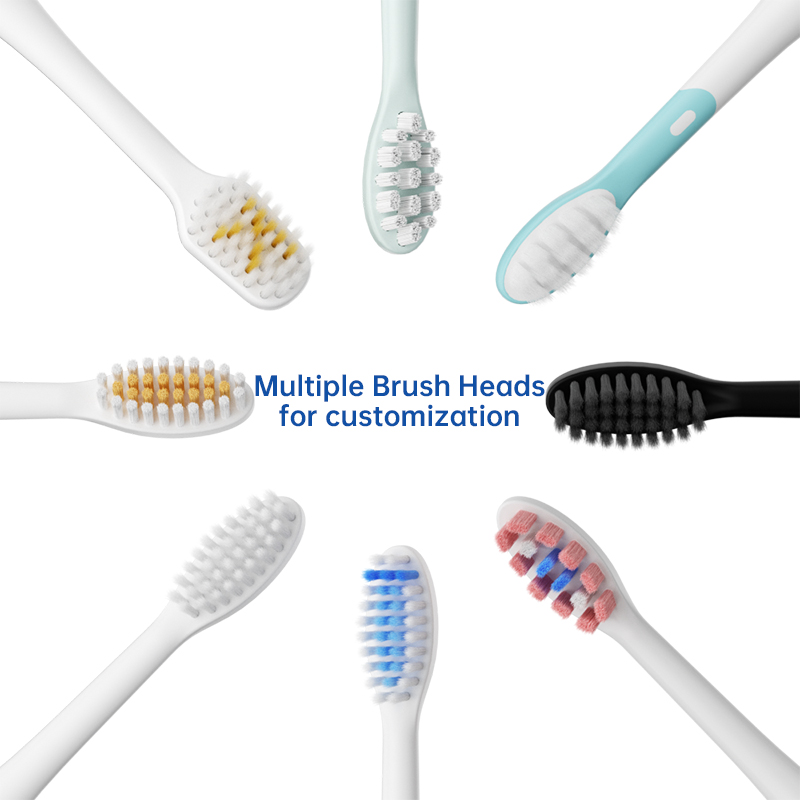
Modern brushes rarely rely on uniform bristles. Instead, they feature different bristle shapes and cuts for targeted cleaning. Examples include:
Wavy cuts that adapt to tooth contours.
Multilevel bristles for cleaning both surface and between-teeth areas.
Angled bristles to reach along the gumline.
The right Brush Head Bristle Design can differentiate your product in a crowded market.
Every design choice contributes to overall cleaning performance:
Head shape influences reach.
Bristle cut and density determine plaque removal efficiency.
Ergonomics affect user comfort and brushing habits.
By working with an OEM partner skilled in precision engineering, brand owners can ensure that all these factors align with their target consumers’ expectations.
For oral care brands, one of the biggest advantages of partnering with a capable OEM manufacturer is customization. From Brush Head Bristle Design to packaging, the right partner can:
Provide flexibility in materials and shapes.
Develop prototypes quickly.
Scale production while maintaining consistent quality.
This ensures your brand can stay competitive while offering brushes that meet unique consumer demands.
The Shape of Brush Head and toothbrush bristle design are more than aesthetic choices—they define the product’s cleaning performance and market appeal. By understanding the role of different bristle shapes and cuts, oral care brands can make informed decisions. Partnering with an experienced OEM factory is the key to turning these insights into a successful product line.
.jpg)
Professional Sonic Toothbrush OEM
Ergonomic Sonic Toothbrush Handle OEM
Can Pulse Water Technology Function Reliably Without a Leakage Prevention Valve?

Oral Care and Personal Confidence Enhancement: A Dual Strategy from Whitening Effect to Product Appearance Level
Environmentally Friendly Manufacturing and Sustainable Development of Electric Toothbrushes
Does Teeth Whitener Cold Light Radiation Accelerate Enamel Demineralization? Lab Results Revealed!
San Diego Military-Grade Durable OEM Electric Toothbrush Suppliers
Electric Toothbrush Bristle Implantation Technology: How to Choose the Most Suitable Bristles?
electric toothbrush private label supplier
.jpg)
Need a Toothbrush Business Providing Toothbrush Samples?
Effectiveness of dentistry devices from user feedback: improvements and challenges
Quiet Sonic Toothbrush OEM Manufacturer for Global Brands
Health Wellness Corporate Gifts Supplier | Employee & Client Wellbeing
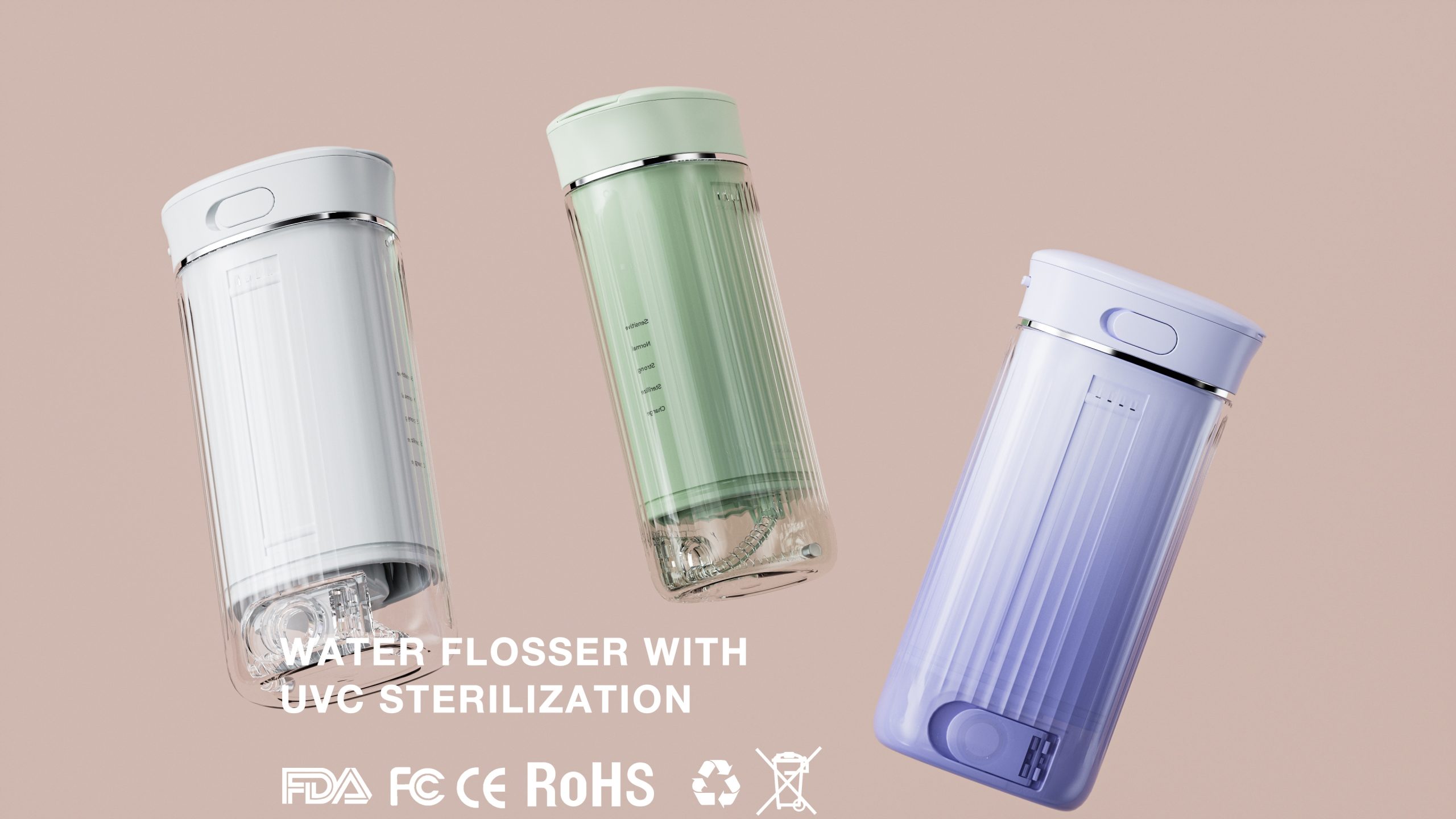
Water Flosser Maintenance: How to Keep Your Device in Top Condition
What’s the Synergy Between a Neuromorphic Computing Chip and a Holographic User Interface?
Gentle Oral Care Products for Sensitive Oral Cavity: Maintaining Hygiene Without Discomfort


.jpg)
.jpg)
.jpg)
.jpg)
.jpg)