
When businesses plan to sell whitening products such as gels, pens, or LED kits, one of the first questions that arises is whether FDA approval is necessary or not. In the United States, the Food and Drug Administration (FDA) plays a key role in regulating oral care and cosmetic products. However, not every household teeth whitening item needs direct FDA approval before being marketed.
In most cases, teeth whitening products are categorized as cosmetics. Unless they claim to treat or alter a medical condition (for example, “to treat gum disease” or “to heal enamel damage”). If your whitening products fall under cosmetic classification, your main responsibility lies in cosmetic compliance, not formal FDA approval.
Cosmetic compliance involves ensuring that your household teeth whitening products meet all safety, labeling, and ingredient standards outlined by the FDA.
Key compliance requirements include:
Using safe and approved ingredients (e.g., hydrogen peroxide within safe concentration limits).
Proper labeling with ingredient lists and usage instructions.
Avoiding misleading claims that turn the product into a “drug” classification.
Although you don’t need pre-market FDA approval for most teeth whitening products, the FDA can take action if your items contain harmful ingredients. Working closely with your manufacturer ensures your products comply with cosmetic regulations from the start.
In specific situations, FDA approval becomes necessary — for example, if your whitening product contains active ingredients that are considered therapeutic or if you make medical claims.
For instance:
Products claiming to “restore enamel” or “treat tooth sensitivity” may be classified as drugs.
Medical devices, such as professional dental lasers, require FDA clearance.
In these cases, manufacturers and brands must submit product data and testing results to obtain FDA clearance before they can legally sell whitening products in the U.S.
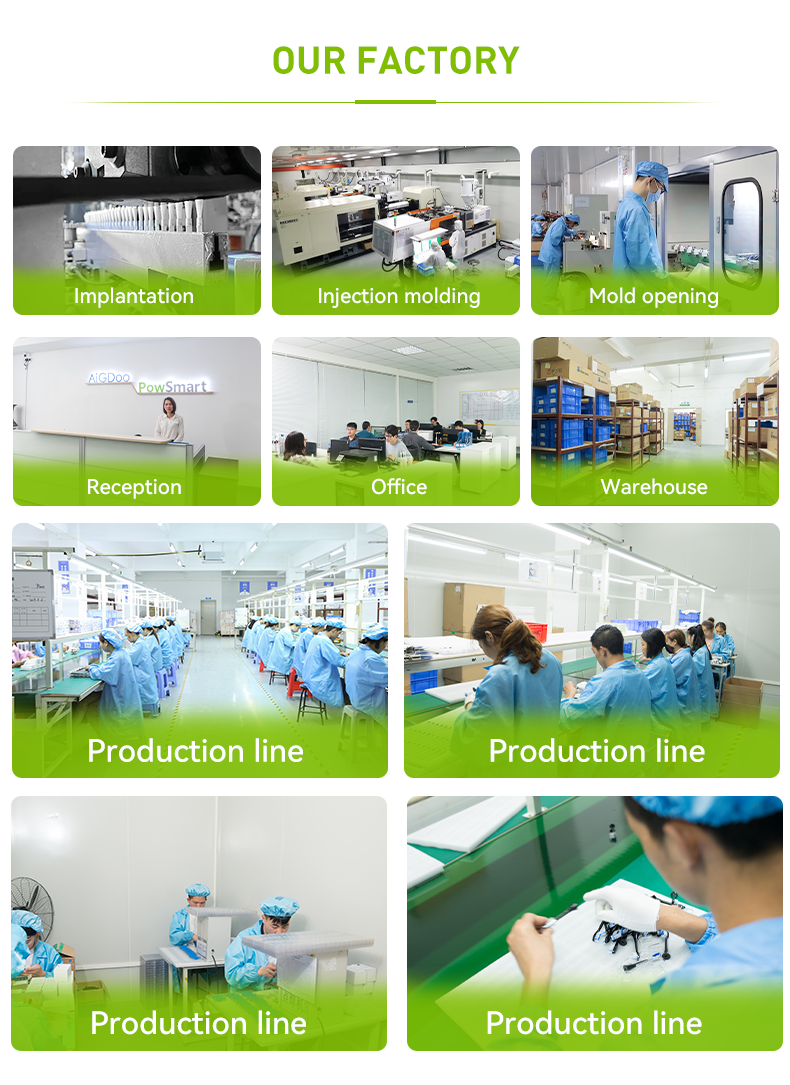
Partnering with an experienced household teeth whitening manufacturer is crucial to meeting regulatory standards. A qualified factory will already follow cosmetic compliance protocols, including product stability testing, safety assessments, and proper documentation.
Professional manufacturers can also help you:
Verify that ingredients meet FDA cosmetic safety standards.
Ensure labeling accuracy.
Provide regulatory support for U.S. and EU markets.
By working with a compliant supplier, you minimize the risk of recalls or legal issues when you sell whitening products globally.
Clear labeling is a key part of cosmetic compliance. The FDA requires that all household teeth whitening products list their ingredients in descending order of predominance and include necessary warnings for safe use.
Avoid claims like “clinically proven to cure stains” or “FDA-approved formula” — unless you actually have supporting evidence. Instead, emphasize safety, user experience, and professional formulation standards to maintain compliance and credibility.
In summary, most household teeth whitening products don’t need formal FDA approval. As long as they are marketed as cosmetics rather than drugs. What matters most is ensuring cosmetic compliance — safe formulation, accurate labeling, and adherence to good manufacturing practices. For brand owners, choosing a cosmetic-compliant manufacturer who understands FDA regulations is the smartest way to confidently and legally sell whitening products in both domestic and international markets.
.jpg)
Smart 2-Minute Timer Toothbrush Manufacturing for Dental Clinics
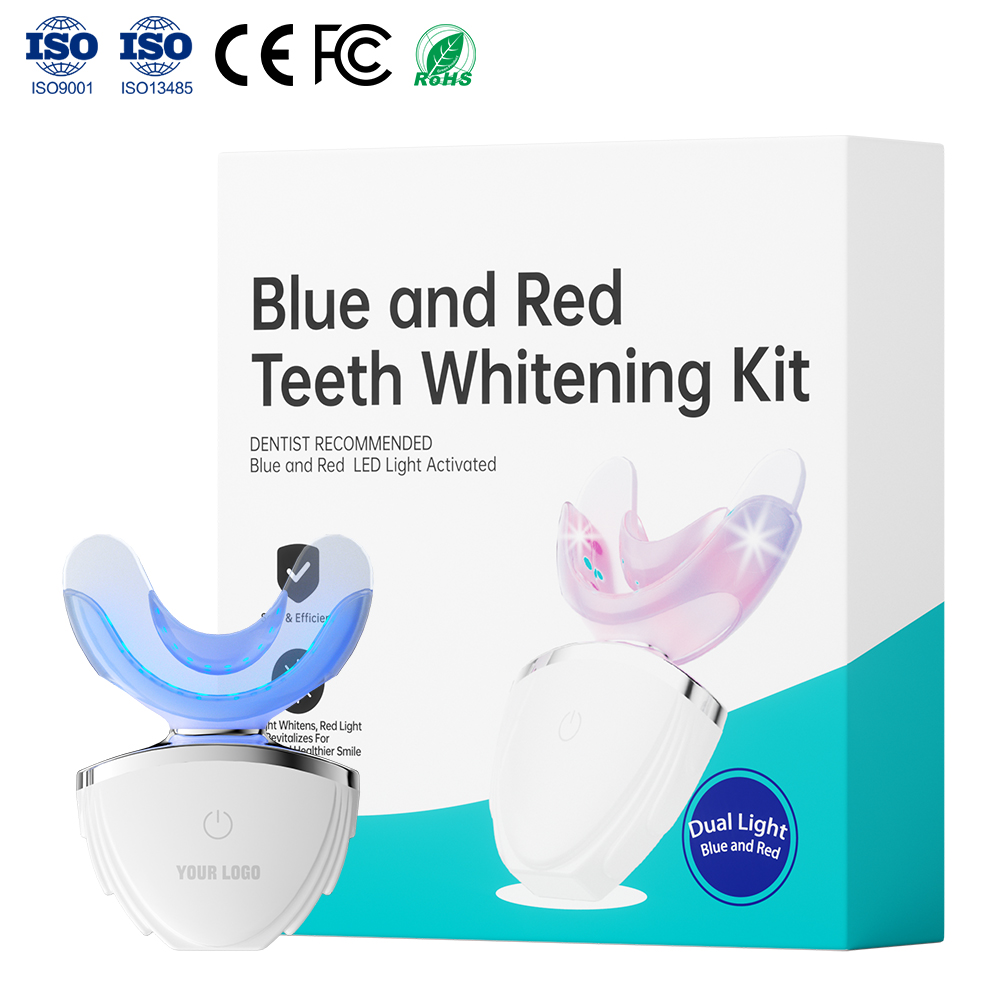
How can Servo System Manufacturing enhance the value proposition of a Custom Handle OEM for B2B toothbrush brands?
.jpg)
Electric Toothbrush for E-commerce Sellers Wholesale Manufacturing Solutions
.jpg)
Top 5 Factors When Selecting a UV Sterilizing Water Flosser Manufacturer
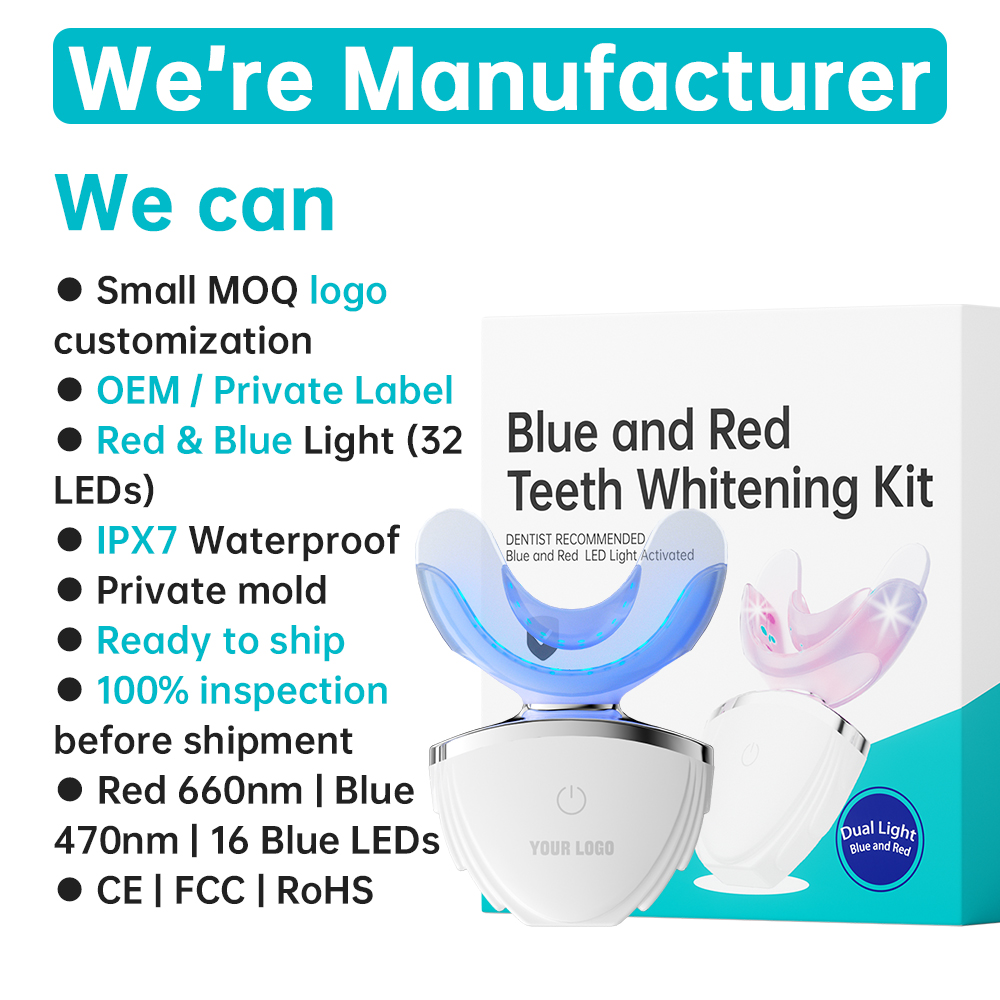
Can a Whitening Booster Solution Be Promoted Through an App-connected Toothbrush Developer?
How Does Packaging Customization Service Assist with Aesthetic Device Compliance?

Innovative Features That Make Your Electric Toothbrush Stand Out
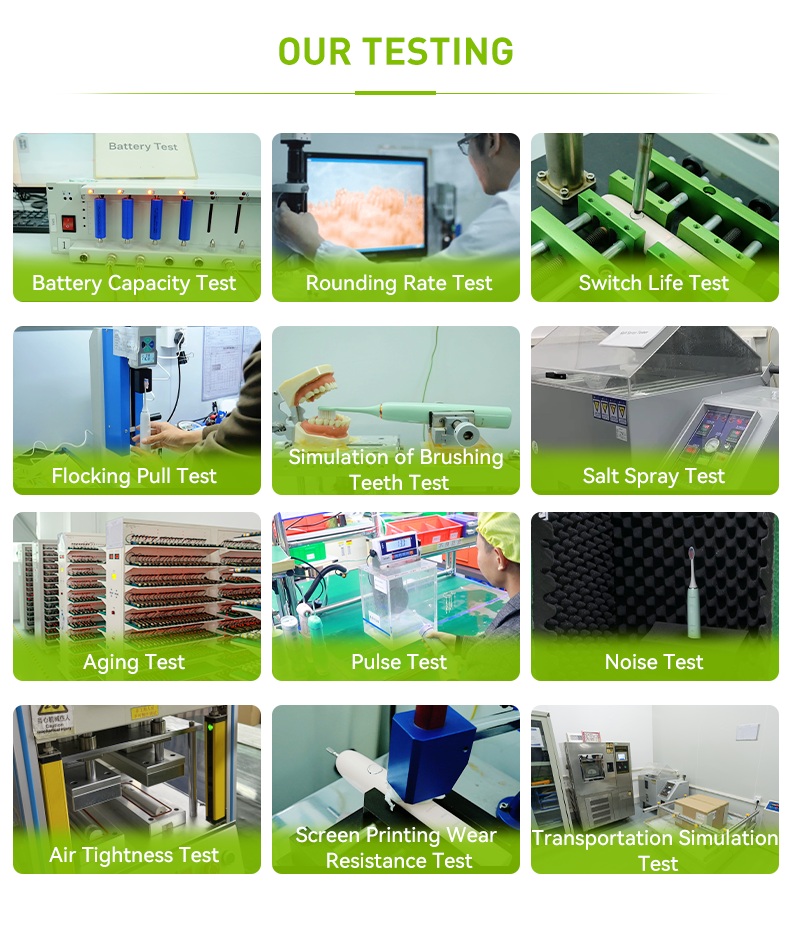
What Are the Benefits of a Lithium Battery Pack in a Home Use Whitening System?
.jpg)
Are You the Leading Water Flosser Nozzle Supplier for High-Volume Replacement Head Production?
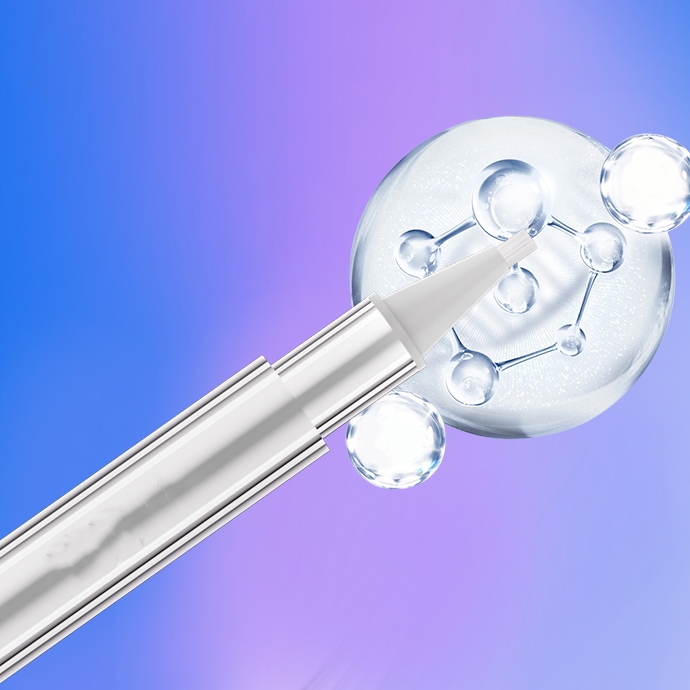
Is 3% Hydrogen Peroxide Strong Enough to Whiten Teeth? An OEM Manufacturer’s Insight
Kids’ Smart Toothbrush Customization: Fun & Safe Brushing Solutions
Luxury Electric Toothbrush Manufacturer
Electric Toothbrush for Daily Use Wholesale Solutions for Global Brands
How Does a Contract Manufacturing Agreement Secure a Steady Brush Head Replacement Supply?
Powsmart Electric toothbrush Factory Anchorage Alaska
Why Rely on Toothbrush Component Suppliers for Precise Toothbrush Mold Customization?


.jpg)
.jpg)
.jpg)
.jpg)
.jpg)






.jpg)