
As global demand for oral beauty products surges, the whitening device markets in different regions have evolved uniquely. For any teeth whitening device manufacturer seeking to expand, understanding the nuanced consumer behaviors and certification requirements across regions is critical. In this post, we analyze how preferences differ between the European and American markets and the Asian market, helping businesses align their offerings with market demands and regional regulations.
Consumer motivations and usage habits vary dramatically between Western and Asian regions:
Understanding these preferences helps manufacturers design product lines that meet regional expectations without compromising efficacy or safety.
A significant consideration for teeth whitening device manufacturers entering global markets is compliance with local regulations and obtaining the proper certifications:
For manufacturers, securing European and American certification builds international credibility. But tailoring documentation and formulation for Asian regulations is equally important to meet Asian market preference standards.
Product appearance and brand positioning are also deeply influenced by regional tastes:
A global teeth whitening device manufacturer aiming to scale successfully must balance universal quality standards with localized consumer appeal, adjusting packaging, communication tone, and even device shape accordingly.
Whether entering the Western whitening device markets or expanding in Asia, manufacturers must take a strategic approach—understanding not just what works globally, but what resonates locally. Navigating European and American certification hurdles while satisfying Asian markets preferences is no small task, but it creates immense opportunities for differentiated branding and sustained growth.
If you’re a brand looking to customize your whitening product line for regional markets, partner with a manufacturer that understands both the science of oral care and the culture of your customers. https://www.powsmart.com/contact-us/
sonic toothbrush factory
Red vs Blue Light Teeth Whitening: Choosing the Right OEM Technology for Your Brand
.jpg)
powsmart electric toothbrush factory
electric toothbrush manufacturers
Things you should know about LED teeth whitening devices
Small Batch Purchase of Red and Blue Light Teeth Whitening Devices and OEM Factory Sourcing Strategy
LED teeth whitening device manufacturer | Professional Whitening Device OEM Factory
Portable LED Teeth Whitening Kit OEM

Wavelength of Whitening Teeth Device Blue Light (460–490nm) and Red Light (620–660nm)Configuration Guide
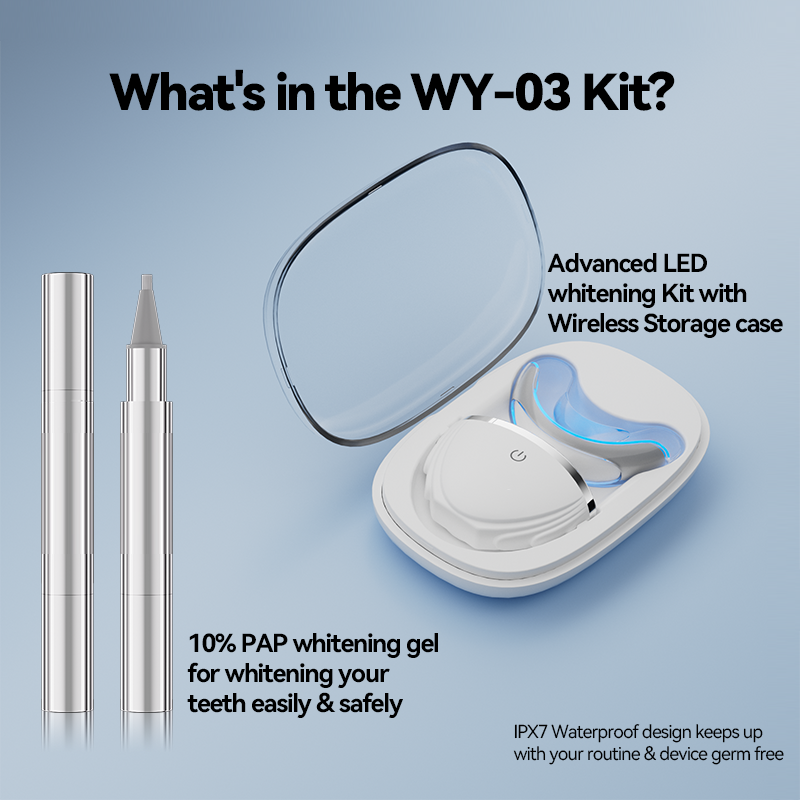
OEM of Teeth Whitening Device: A Complete Solution from LOGO Printing to Light Wave Mode Customization
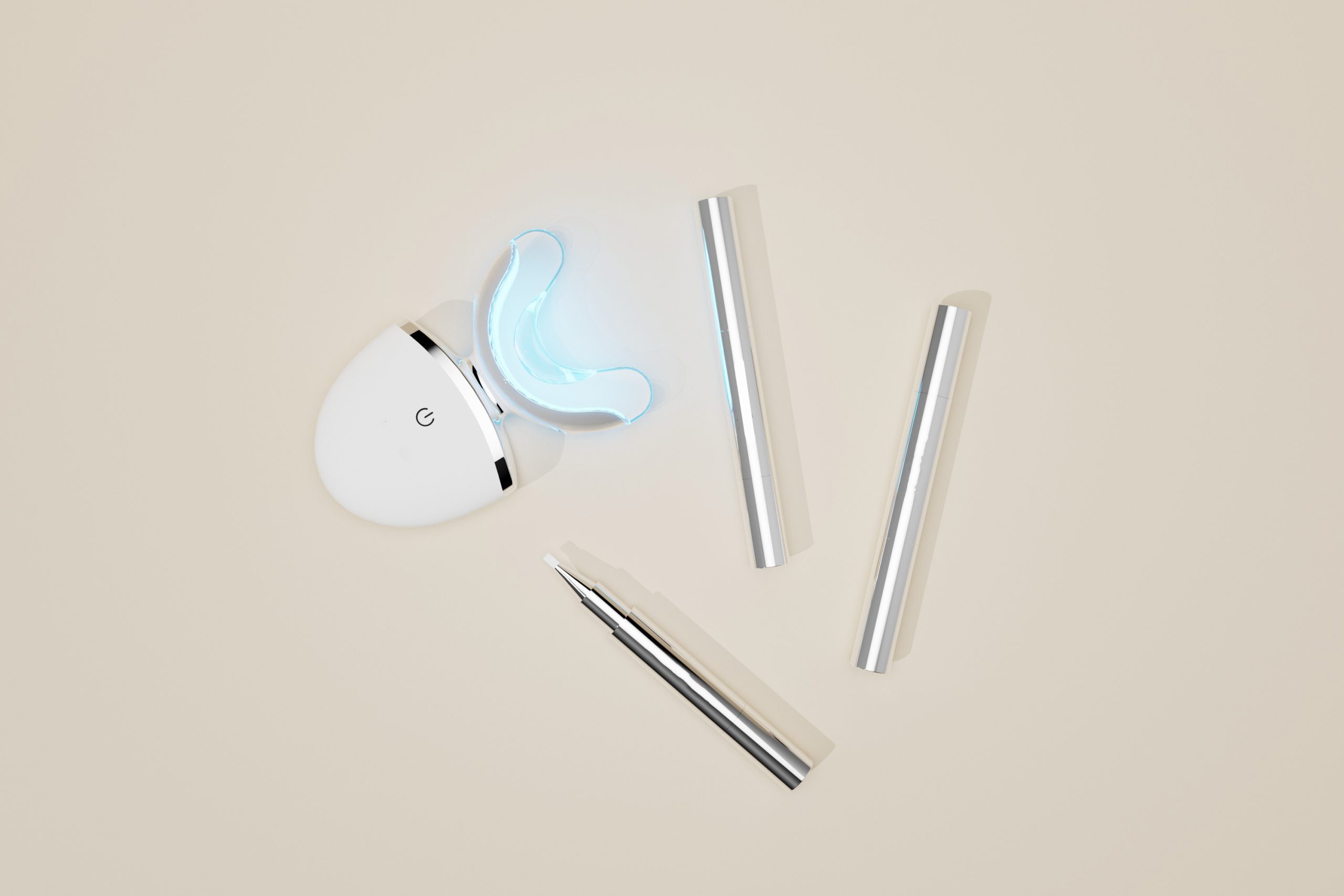
How to Choose a High-Quality LED Light Source for teeth Whitening Device? Factory Material Selection and Testing Standards
Smart Toothbrush India | Modern Oral Care Solutions

Application of Phototherapy Technology in Teeth Whitening and Oral Care
Frequency and Tips for Using Your At-Home Mouthpiece Recommended by Your Dentist
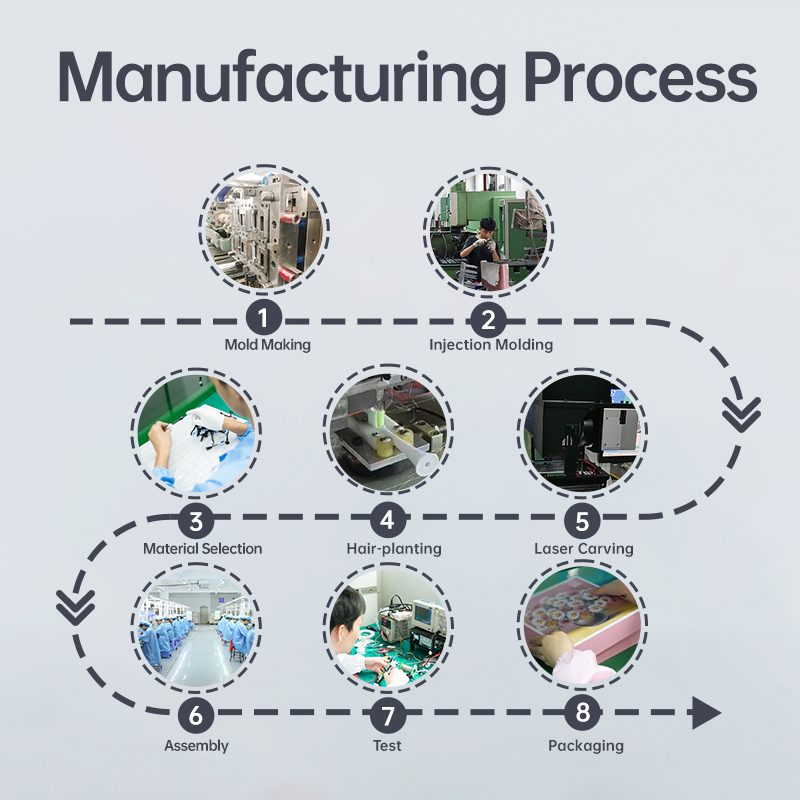
A Guide to the Entire Process of OEM Teeth Whitening Device: Detailed Explanation of Every Step from Design to Mass Production
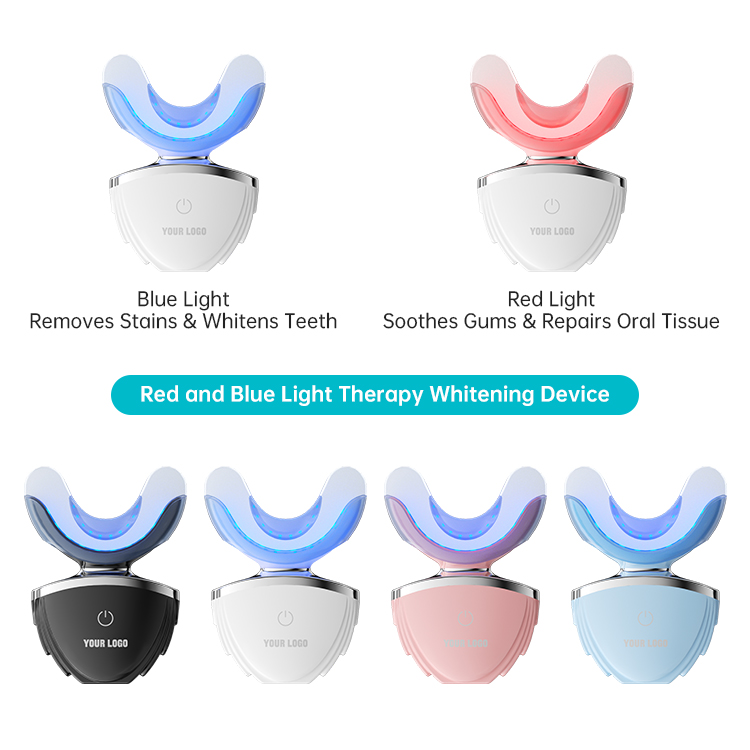
How Does a Photobleaching Catalyst Interact with Optical Brighteners in Advanced Whitening Formulations?


.jpg)
.jpg)
.jpg)
.jpg)
.jpg)





.jpg)