Electric toothbrush quality control process design is a core factor for brands sourcing OEM or ODM manufacturing partners. As electric toothbrushes integrate motors, batteries, and electronic systems, consistent quality control directly affects product reliability, compliance success, and brand reputation.
For B2B buyers, quality control is not a final inspection step. Instead, it is a structured system covering the entire manufacturing lifecycle.
A professional electric toothbrush quality control process begins before production starts. Material sourcing, supplier qualification, and component inspection form the first defensive layer against defects.
Moreover, early-stage quality management reduces rework, warranty claims, and shipment delays. For international buyers, this proactive approach protects both cost structure and market credibility.
As global platforms tighten compliance requirements, documented quality systems become increasingly important.
Quality control starts with incoming inspection. Motors, batteries, PCBA, and plastic housings are checked against approved specifications.
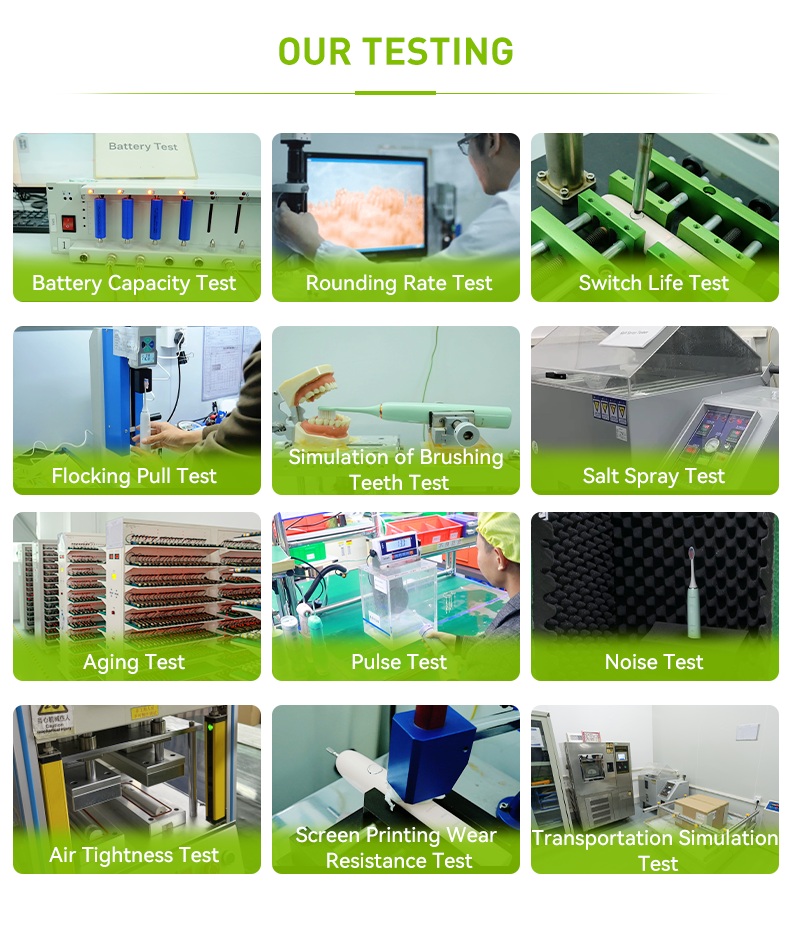
Furthermore, critical components undergo functional sampling to verify vibration output, voltage stability, and charging behavior. These checks ensure that substandard parts do not enter the assembly line.
Manufacturers with strong supplier management programs maintain consistent quality even during volume expansion.
During production, in-process inspections verify correct component installation and functional integrity. Typical checkpoints include motor alignment, sealing accuracy, and electrical connection verification.
In addition, automated or semi-automated testing stations measure vibration performance and charging response. Early detection prevents defect accumulation and improves overall yield.
Powsmart implements export-oriented quality control workflows to support electric toothbrush OEM production. Related manufacturing capabilities can be reviewed at:
https://www.powsmart.com/
Final inspection ensures each finished product meets performance and safety criteria. This stage typically includes functional testing, appearance checks, and waterproof verification.
Random sampling from finished batches supports statistical quality control and reduces shipment risk.
International quality system guidance can be referenced through the International Organization for Standardization:
https://www.iso.org/
Traceability is an essential part of quality control. Batch records, inspection reports, and component tracking allow manufacturers to respond quickly if issues arise.
For B2B buyers, this transparency simplifies audits and strengthens distributor confidence.
From a business perspective, a robust quality control system reduces long-term operational risk. Brands benefit from consistent product performance, lower after-sales costs, and stronger market trust.
In conclusion, a reliable electric toothbrush quality control process ensures manufacturing stability, regulatory readiness, and sustainable growth for global OEM buyers.
.jpg)
American wholesale electric toothbrush manufacturers
.jpg)
Long-Term Toothbrush Supplier Partnership for Sustainable Growth
Why Choose a Teeth Whitening Device With UV Whitening Technology for Professional-Grade Results?
Electric Toothbrush Customization Options for OEM & Private Label Brands
Why Measure Whitening Results Using the CIE Whiteness Index and Hue Saturation Lightness Metrics?

Why Is an IPX8 Waterproof Solution Critical for a Reliable Charging Dock OEM Product?
How Does Whitening Kit Packaging Withstand an Accelerated Aging Test for Global Shipping?
Toothbrush Assembly Line Manufacturer for OEM & Large-Scale Production

Can a Custom Whitening Tray Be Combined With a Whitening Pen OEM Design for Personalized Care?
sonic electric toothbrush Orlando
Electric Toothbrush Shipping Solutions for OEM & Wholesale Export
Toothbrush Aging Test Manufacturer for OEM Reliability Validation
.jpg)
American custom logo electric toothbrush


.jpg)
.jpg)
.jpg)
.jpg)
.jpg)






.jpg)