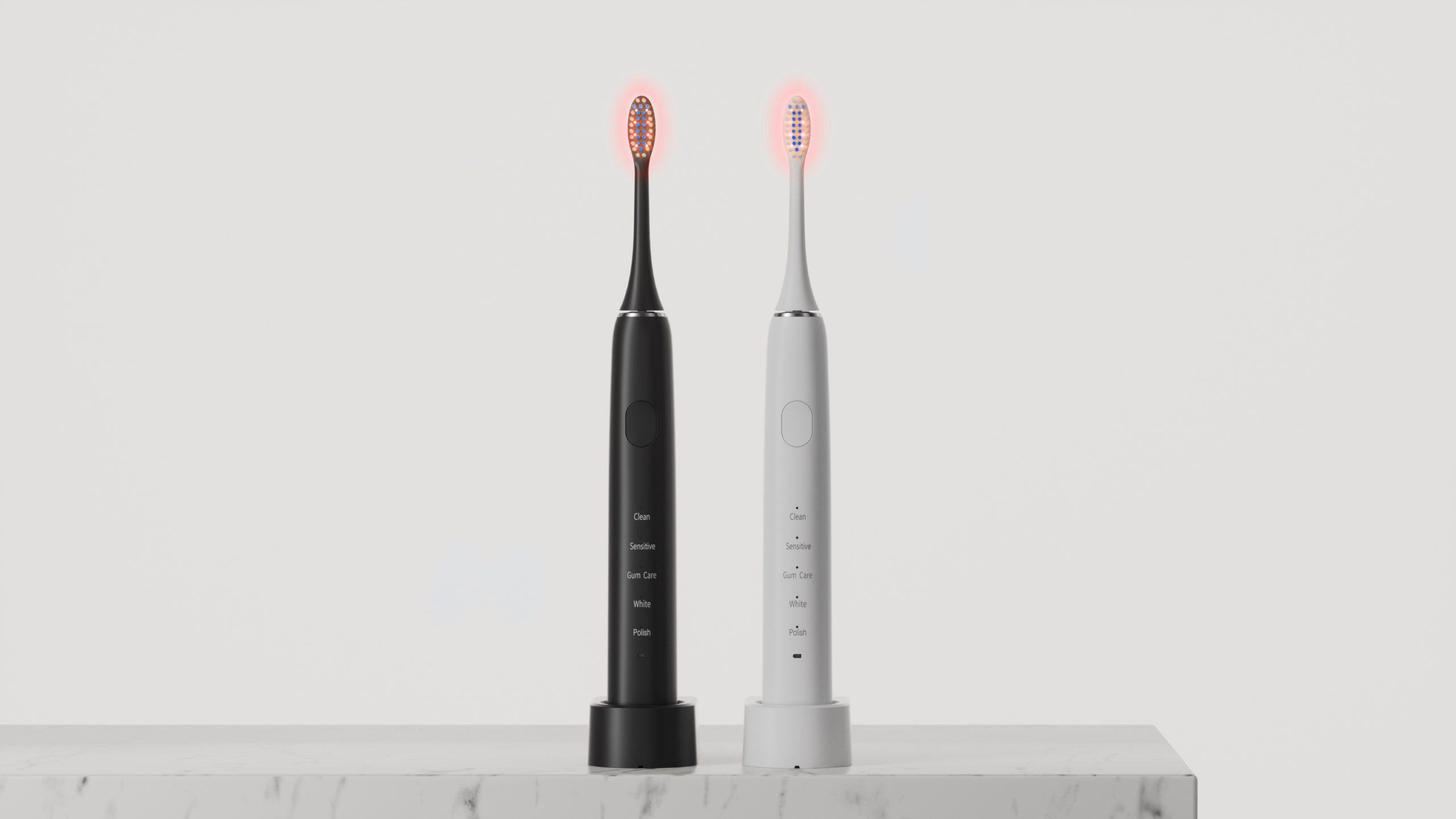
As magnetic drive technology becomes a hallmark of advanced oral care, the Magnetic Levitation Toothbrush is increasingly seen as a premium solution offering efficient vibration with minimal mechanical resistance. However, reports of brush shedding—bristles loosening or falling off during use—raise concerns about whether the levitation system contributes to premature head degradation. This article investigates the core causes behind shedding incidents and how manufacturers can mitigate them while preserving levitation performance.
Unlike traditional DC motor toothbrushes, a Magnetic Levitation Toothbrush utilizes electromagnetic force to suspend and drive the brush head, resulting in:
This technology promises enhanced comfort and cleaning efficiency, especially in premium product segments.
Brush shedding typically refers to the premature detachment of bristles or brush tuft bundles from the head base. For manufacturers and OEM partners, this failure mode presents risks including:
Therefore, shedding is more than an aesthetic issue—it is a critical quality and compliance concern.
-300x300.jpg)
-300x300.jpg)
Though Magnetic Levitation Toothbrushes operate with fewer mechanical stress points, they introduce unique variables that may indirectly contribute to shedding:
These factors suggest that the issue lies not in levitation itself, but in the surrounding material and anchoring design.
To prevent brush shedding without compromising magnetic levitation performance, manufacturers can adopt the following:
Such adjustments allow levitation-powered toothbrushes to maintain structural durability even under prolonged vibration cycles.
Premium-level ODM production should integrate durability verification into the QA process:
These tests ensure that magnetic levitation performance does not compromise head integrity, especially in exported models.
In short, Magnetic Levitation Toothbrushes do not inherently cause brush shedding—but poor material selection, low-cost tufting methods, or lack of stress simulation testing can turn a premium device into a recall risk. As a B2B manufacturer or sourcing partner, choosing a supplier that integrates advanced motor design with meticulous bristle retention engineering is crucial.
By bridging innovation with structural durability, brands can confidently deliver high-tech oral care without sacrificing user trust. Contact us
.jpg)
Is POWSMART Rotating Oscillating Toothbrush’s Water Pressure Instability?
How Oral Care Brands Can Expand Product Line Strategically
The Ultimate Checklist for Evaluating an Oral Care Product Manufacturer
.jpg)
How to Choose a Professional ultraviolet sterilized water flosser Manufacturer?
The Advantages of the Brush Head Subscription Service for Oral Care Brand Growth
How to Find an Electric Toothbrush Factory with Strong Comprehensive Capabilities

How does Pulse Water Technology benefit from the programmability of a Multi-pressure Chip?
Comparison of Sonic Vibration and Rotary Electric Toothbrush Technology
.jpg)
Peroxide Free Whitening Device Supplier for Global Oral Care Brands

Application of Phototherapy Technology in Teeth Whitening and Oral Care
Can Charging Overheat Worsen Joint Leakage?
How Does Cold Light Wavelength Affect Bleach Decomposition?
How Do High-Quality Electric Toothbrushes Enhance the Brand Image of Oral Care?
Does Space-Saving Flosser Combo Cause Pulse Inconsistency?
How Do Indicator Error and Seal Deterioration Mislead Users?
Teeth Whitening Kit Private Label Solutions for B2B Brands


.jpg)
.jpg)
.jpg)
.jpg)
.jpg)






.jpg)
.jpg)
.jpg)