In today’s beauty-conscious world, the global demand for teeth whitening products is expanding rapidly. From whitening strips to LED kits, consumers are seeking professional-grade results at home. For OEM brands aiming to enter or expand internationally, this surge represents a significant opportunity. However, the path to global market access is paved with complex regulatory frameworks that vary from region to region. Understanding these Teeth Whitening Regulations is not just about avoiding legal pitfalls — it’s a strategic move for sustainable growth.
When an OEM brand decides to launch teeth whitening products internationally, compliance is the cornerstone of trust and longevity. Each market — whether it’s the EU, the U.S., or Asia-Pacific — has distinct requirements regarding product safety, ingredient limits, and labeling rules.
For instance:
Meeting teeth whitening compliance standards ensures your products are not only legally marketable but also perceived as high-quality and safe by distributors and consumers alike.
Achieving international standards is a prerequisite for OEM brands targeting multiple markets. Some major frameworks include:
By aligning manufacturing and formulation processes with these international standards, OEM brands can streamline certification and accelerate market entry across regions.
Selecting the right manufacturing partner is crucial. A reliable OEM or ODM factory should:
Collaborating with a compliance-oriented factory minimizes delays during regulatory submissions and enhances product credibility. For brand owners, this partnership forms the backbone of smooth global market access.
Many OEM brands stumble during expansion due to misinterpreting local regulations. Common issues include:
To avoid these pitfalls, brands should conduct pre-market assessments, invest in regulatory consulting, and maintain proactive communication with manufacturing partners. Regulatory readiness should be embedded into every stage of OEM brand expansion.
Rather than seeing compliance as a hurdle, successful OEM brands leverage it as a competitive differentiator. A transparent, regulation-compliant product line signals professionalism and consumer safety — both key to global success.
As international standards evolve, continuous monitoring and adaptation will define the next generation of OEM leaders in the oral care industry. Brands that integrate teeth whitening compliance into their DNA will be best positioned to achieve long-term global market access.
For OEM brands eyeing international expansion, mastering regulatory landscapes is the gateway to success. From EU peroxide limits to FDA labeling rules, every detail matters. Choosing a compliant manufacturer and adhering to international standards can transform complex global regulations into a blueprint for brand growth.
In a rapidly evolving marketplace, OEM brand expansion and teeth whitening compliance are not separate goals — they are two sides of the same coin for achieving trusted, sustainable global market access.
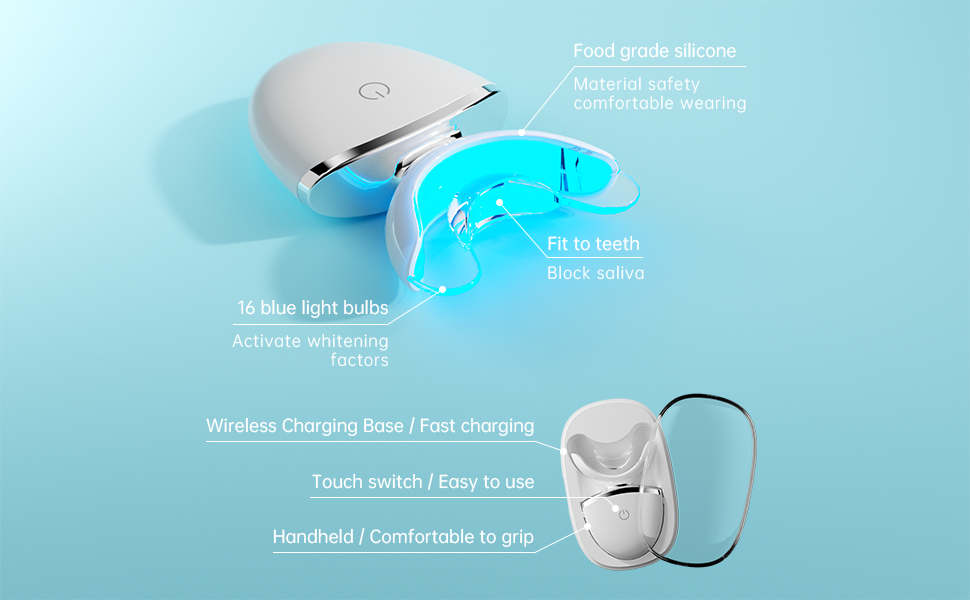
How Long Should You Leave Blue Light on Your Teeth? OEM Manufacturer’s Guide
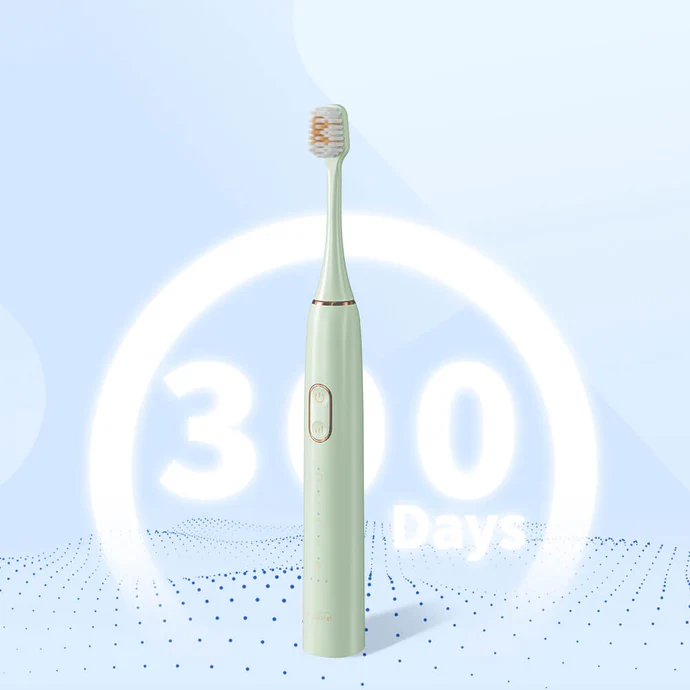
Is your sonic toothbrush Dallas equipped for the ultimate Dallas oral health defense?
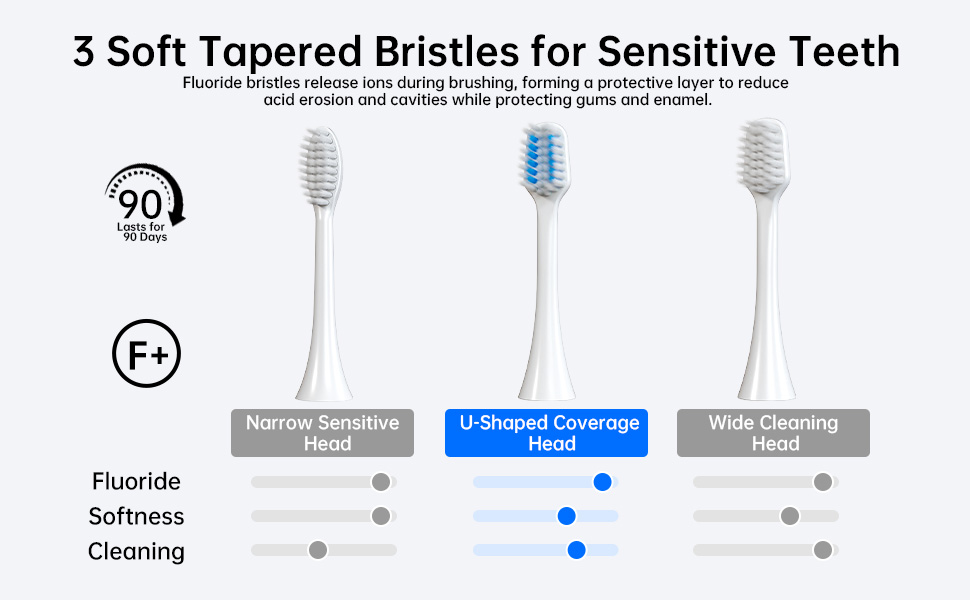
Seeking an Orthodontic Toothbrush for Your Braces Care Products Line?
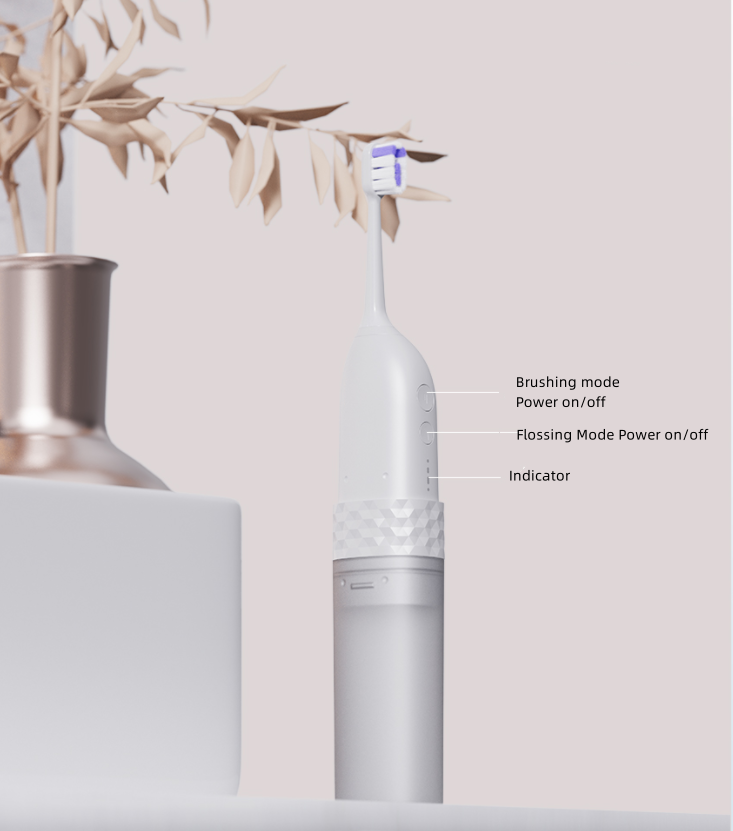
Can Kinematic Pair Design make a Portable Water Flosser more user-friendly?
Dental Hygienist’s View on Water Flossers – Key Insights for OEM Product Development
.jpg)
sonic electric toothbrush Dallas
.jpg)
Can the right oral care products prevent pain this National Toothache Day?
.jpg)
Portable Whitening Lamp | Compact LED Light for Teeth Brightening
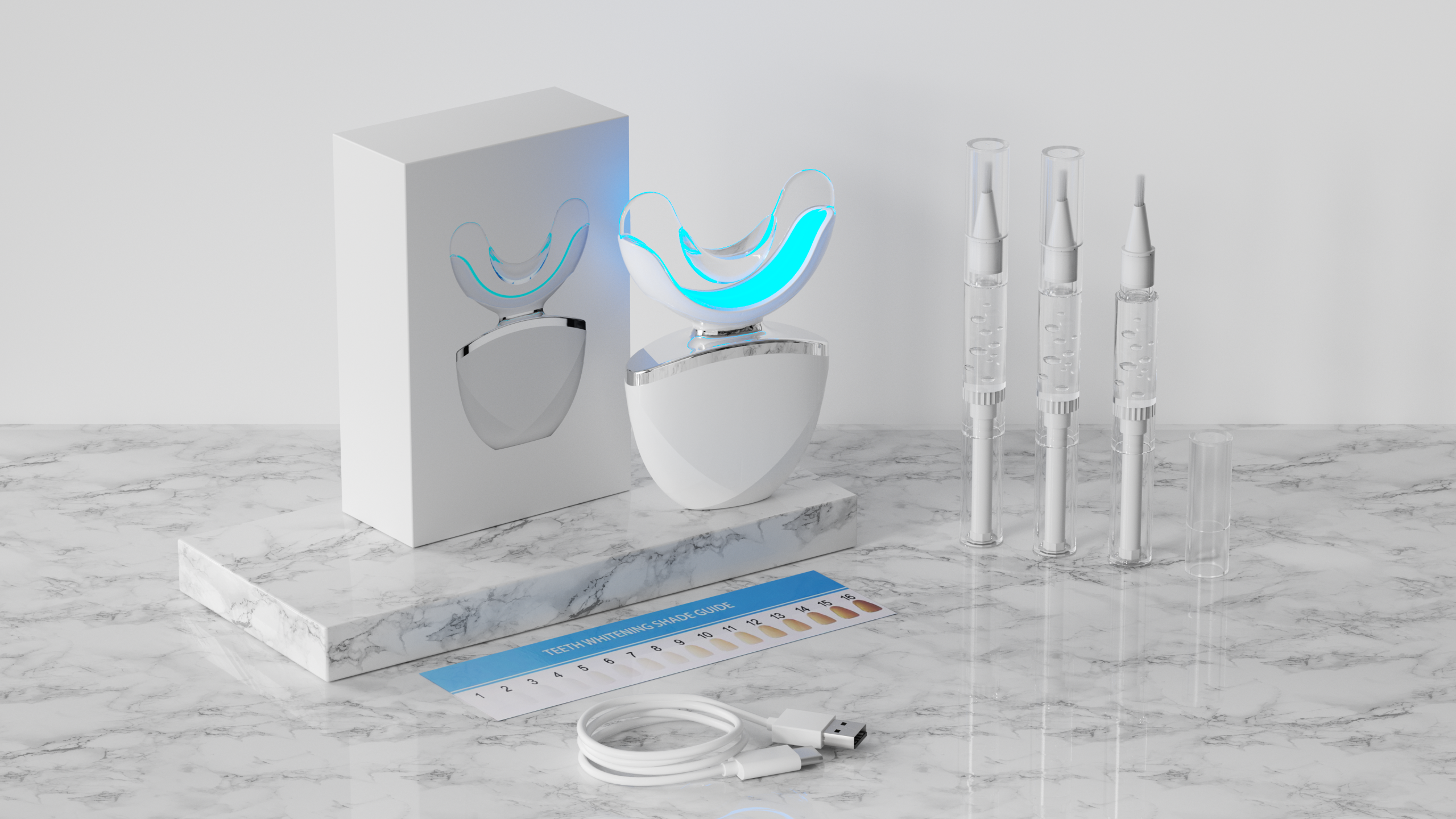
Teeth Whitening Equipment and Gel Compatibility – OEM System Integration

Tech-Driven Oral Care: The Impact on Electric Toothbrush OEM Development
Top Electric Toothbrush Manufacturer in USA Dallas | POWSMART Factory
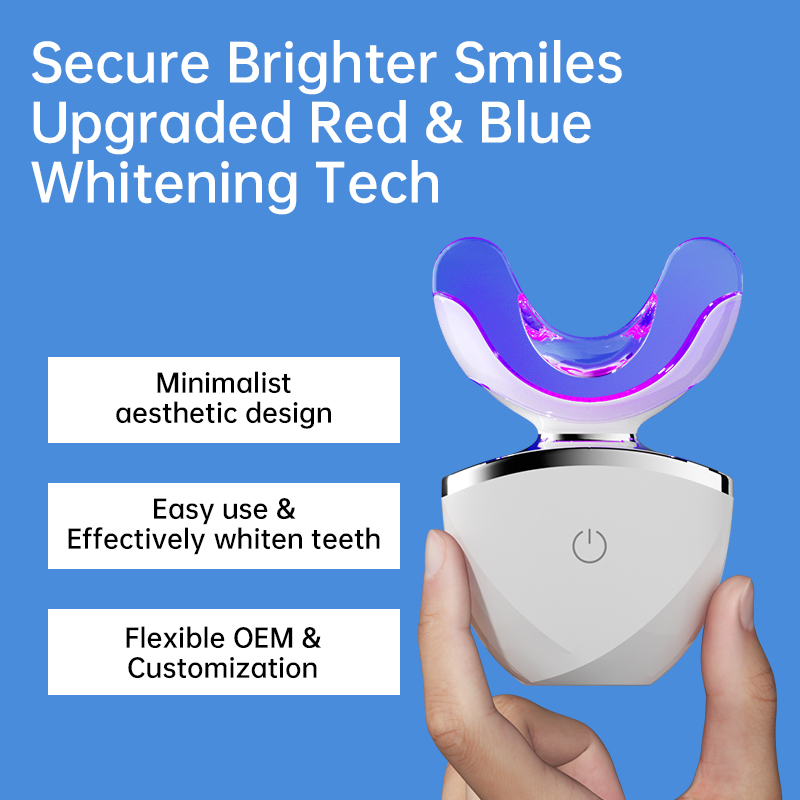
Is Red Light Therapy Popular in Europe? Market Insights for Oral Care Brands
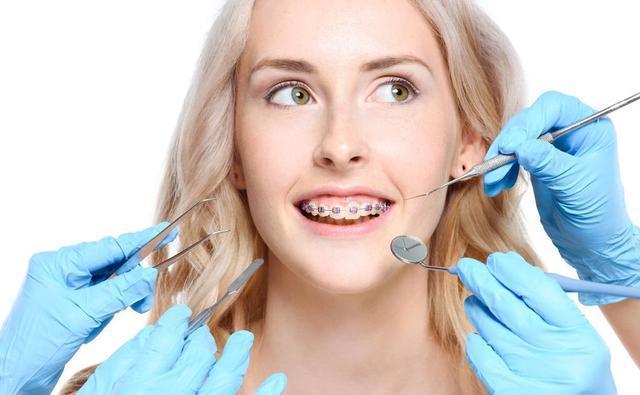
Orthodontic Electric Toothbrush Precautions – OEM Safety Features
.jpg)
Is your Electric toothbrush truly Dentist recommended?
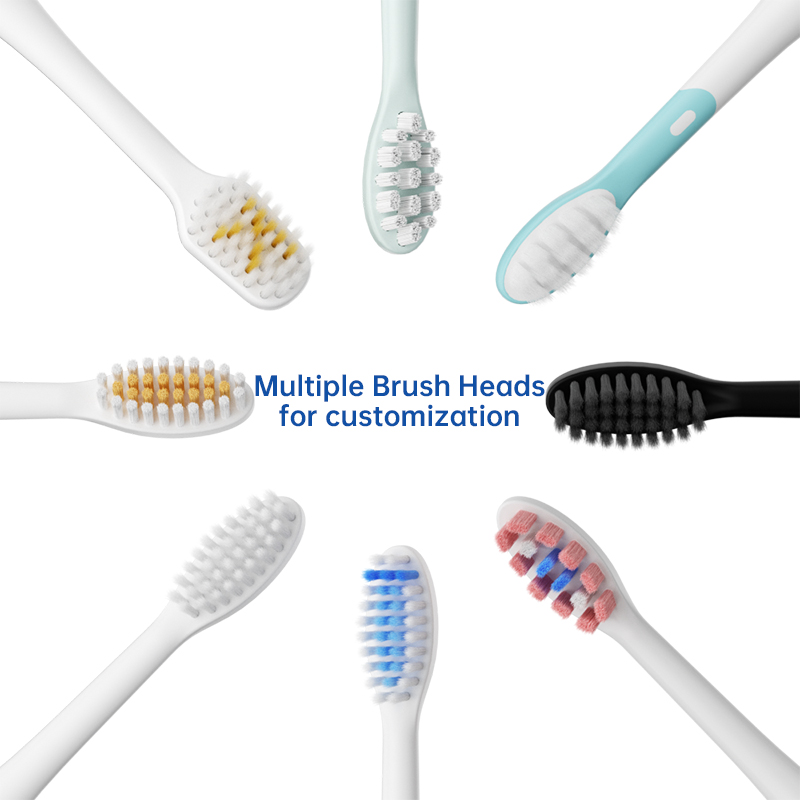
How do Bio-compatible Housing Materials minimize Chromatic Aberration in LED whitening devices?
Silicone Electric Toothbrush | Soft Bristles & Gentle Deep Cleaning OEM


.jpg)
.jpg)
.jpg)
.jpg)
.jpg)






.jpg)