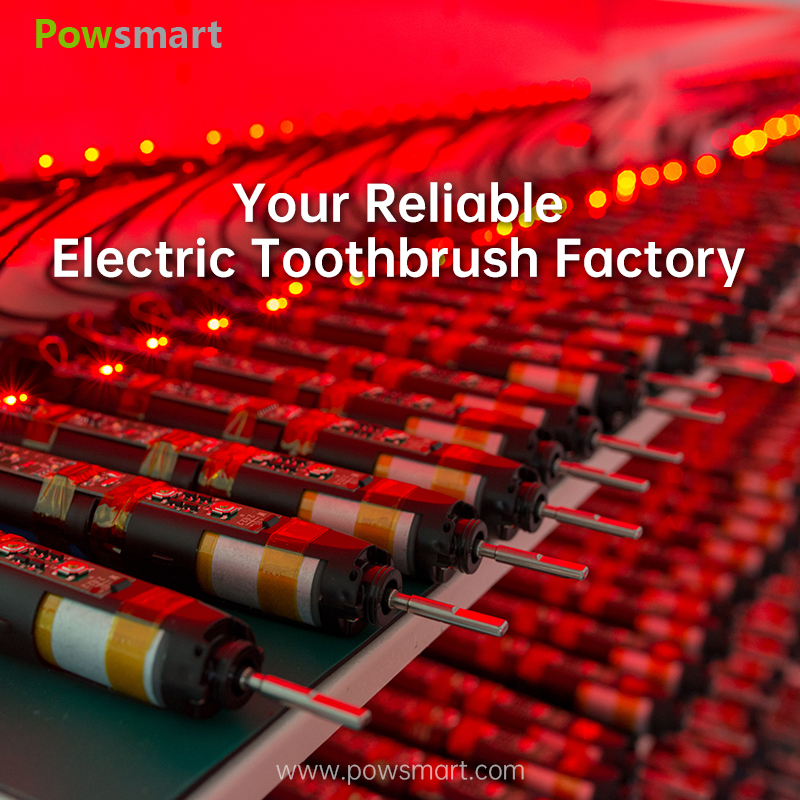
As the oral-care industry advances toward intelligent, adaptive cleaning solutions, integrating a high-frequency Sonic Vibration Motor with modern Pressure Sensor Technology has become a pivotal strategy for next-generation toothbrush OEMs. This powerful combination allows devices to deliver optimized cleaning intensity, protect sensitive areas, and adjust performance based on real-time brushing feedback. For B2B buyers and OEM manufacturers, this synergy not only enhances user safety and comfort but also expands product differentiation opportunities in increasingly competitive global markets.
The Sonic Vibration Motor generates rapid oscillations designed to remove plaque effectively, but excessive force can lead to gum irritation or enamel wear.
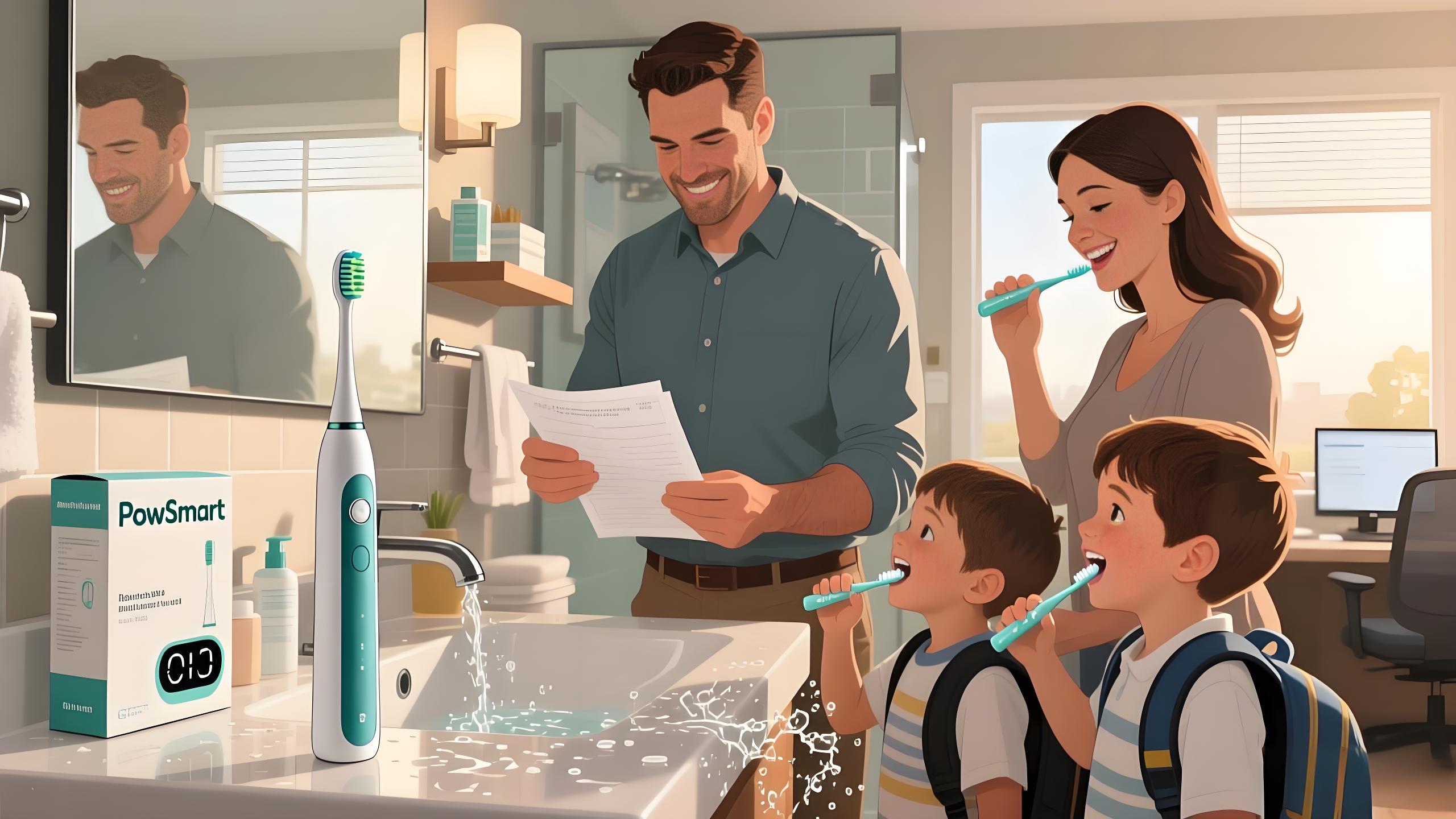
By integrating Pressure Sensor Technology, the device can detect when a user presses too hard and automatically modulate vibration intensity or issue alerts.
This prevents over-brushing while maintaining cleaning efficiency.
With continuous pressure data, the device’s internal controller can dynamically adjust the Sonic Vibration Motor’s amplitude and frequency.
This creates a customized brushing experience for different users—children, seniors, sensitive-gum individuals, or those with orthodontic appliances.
Such adaptability enhances user satisfaction and long-term loyalty to OEM brands.
High-pressure brushing is a major cause of gum recession and enamel abrasion.
By combining Pressure Sensor Technology with a responsive Sonic Vibration Motor system, the device can slow, soften, or shift cleaning modes instantly.
This ensures the toothbrush actively safeguards oral tissues, a feature increasingly demanded in smart oral-care devices.
Pressure sensors help detect abnormalities such as misaligned brush heads, worn bristles, or mechanical resistance in the drive train.
When paired with data from the Sonic Vibration Motor, the system can identify irregular motor load patterns and prompt maintenance alerts.
For B2B manufacturers, this means fewer warranty claims and a more robust final product.
Traditional toothbrushes rely on manual switching between modes.
However, pressure-responsive systems can automatically toggle between gentle, standard, and deep-clean modes based on user input.
This elevates the brushing experience and aligns with the growing consumer expectation for intelligent automation in everyday health devices.
When connected to companion apps, data from both the Sonic Vibration Motor and Pressure Sensor Technology can support:
The combination of a Sonic Vibration Motor with Pressure Sensor Technology represents a transformative evolution in smart oral-care device design. For B2B toothbrush OEMs, this synergy offers improved safety, enhanced personalization, stronger differentiation, and deeper integration with digital ecosystems. As consumer expectations shift toward intelligent, self-adjusting devices, manufacturers who adopt this dual-technology approach will be positioned at the forefront of next-generation oral-care innovation. Contact us
.jpg)
.jpg)
.jpg)
Noise Complaints from Handle Corrosion? A Silent Threat Uncovered!
Planet-Friendly Oral Care: Sustainable Manufacturing Solutions for Modern Brands
.jpg)
Is your electric toothbrush supplier offering the latest blue light toothbrush technology?
NY Dental Recommended Toothbrushes: Trusted Quality from Factory to You
Flossing Technology Competition: Cordless vs Countertop Type

What Should You Consider in Cordless Flosser Manufacturing Regarding Flosser Battery Solution Choice?
Looking for a Lithium Battery Pack Suited for Eco-friendly Material Products?
Where to Buy Electric Toothbrush in Washington DC | Local Guide
Can Unstable Vibration Worsen Tooth Sensitivity?

10%, 15%, 20%, 35%, or 45%? Selecting the Right Whitening Gel Concentration for Your OEM Brand
-3-scaled.png)
Why Wireless Charging Gives Whitening Device a Competitive Edge
What is the Market Size of Toothbrushes in the US? A Strategic OEM Overview

How Does a Linear Resonant Actuator Benefit from an IPX8 Waterproof Solution in Electric Toothbrushes?
Bristle Splaying Worsening Demineralization Zones – Negligence?
Are Bluetooth Disconnects Causing Battery Drain Speed?
fast delivery electric toothbrush supplier | Short Lead Time OEM


.jpg)
.jpg)
.jpg)
.jpg)
.jpg)