When creating next-generation ergonomic toothbrushes, aligning Bristle Configuration Design with the engineering of the Brush Handle Mold is essential for achieving optimal usability, cleaning efficiency, and manufacturing consistency. In toothbrush OEM production, the bristle layout determines cleaning performance, while the handle mold dictates grip comfort, balance, and precision during brushing. These two components must be engineered together—not separately—to ensure that the ergonomic forces applied by the user are properly transferred to the bristle tips. For B2B partners, this integrated approach results in better product differentiation, fewer molding revisions, and superior end-user satisfaction.
A toothbrush’s cleaning effectiveness depends on how user-applied pressure travels through the handle into the bristles.
If the Brush Handle Mold does not match the Bristle Configuration Design, the brushing force may distribute unevenly, causing inefficiency or discomfort.
Joint engineering ensures predictable force flow and stable performance across various brushing angles.
Bristle Configuration Design often includes angled clusters, tapered filaments, or multi-level arrangements.
The handle shape must guide the user into holding the brush in a way that naturally aligns these bristle features with the tooth surface.
This means ergonomic curves, thumb rests, and anti-slip structures must be modeled around the bristle geometry from the earliest design stage.
A Brush Handle Mold determines the toothbrush’s center of gravity.
When balanced properly with the bristle arrangement, users can maintain cleaning efficiency with less wrist rotation.
This is especially important for senior users, children, and consumers with limited dexterity—key market segments for OEM product lines.
Material flow inside the Brush Handle Mold affects wall thickness, rigidity, and flexibility.
These characteristics must match the Bristle Configuration Design to maintain a stable bristle-to-handle joint during tufting or anchor-free production.
Proper alignment minimizes defects such as base deformation, tuft hole irregularity, or handle bending.
Modern brushes often include:
To integrate these features, the Brush Handle Mold must provide adequate structural support and precise bristle-seat alignment.
This ensures high-end bristle technologies perform as intended and retain their geometry through extended use.
Large-scale OEM manufacturing demands repeatability.
By designing Bristle Configuration and Handle Mold together, manufacturers reduce tolerance mismatches, assembly failures, and QC issues.
This integrated engineering approach lowers production costs, minimizes tool revisions, and maintains uniform quality across millions of units.
In ergonomic toothbrush development, Bristle Configuration Design and Brush Handle Mold engineering cannot be isolated processes. Their synergy ensures proper force transmission, comfort, cleaning effectiveness, manufacturing stability, and product longevity.
For B2B toothbrush OEMs, adopting an integrated design workflow results in better-performing products, stronger market competitiveness, and a more efficient production cycle. Contact us


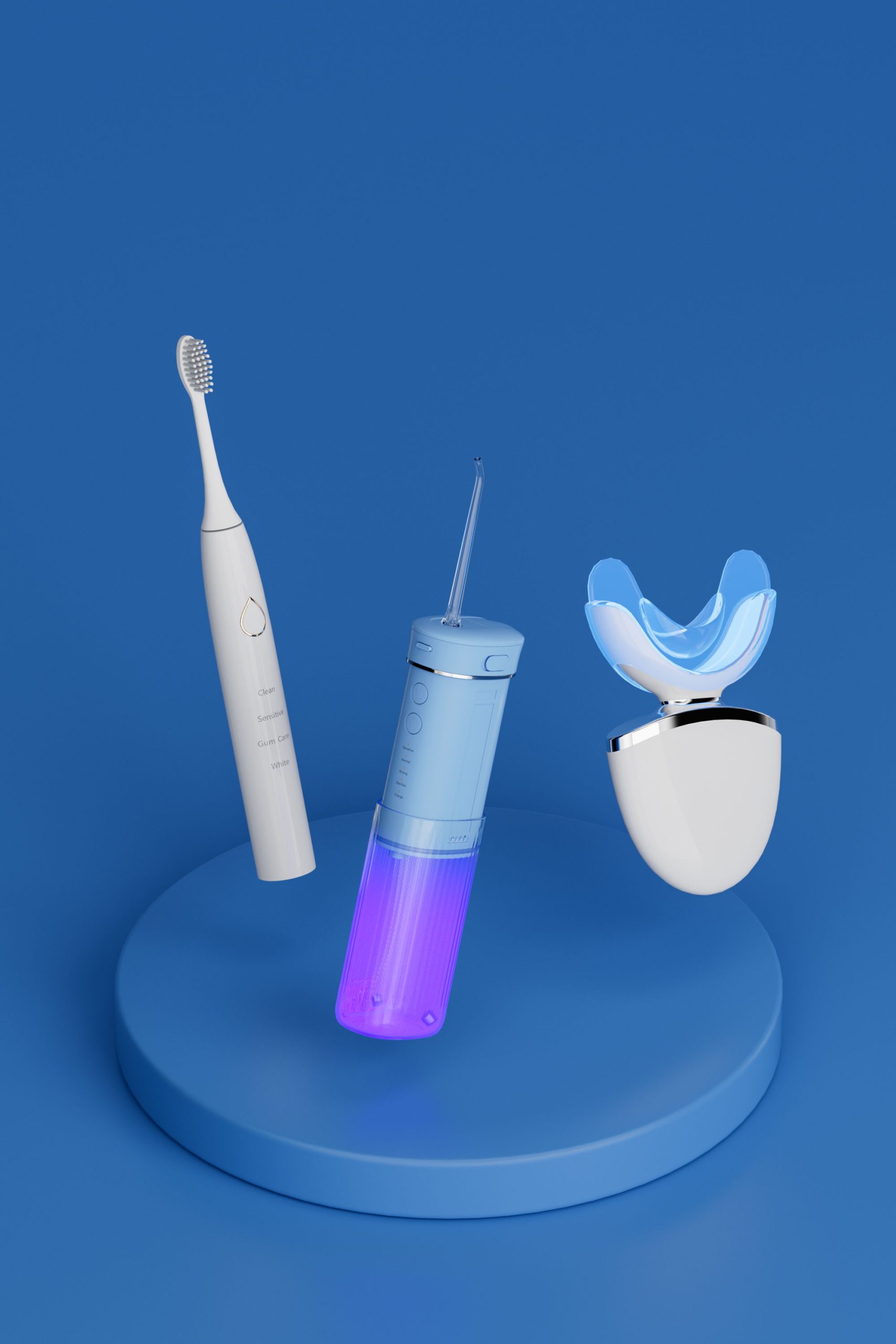
POWSMART: Your Trusted Electric Toothbrush Manufacturer in USA, San Antonio
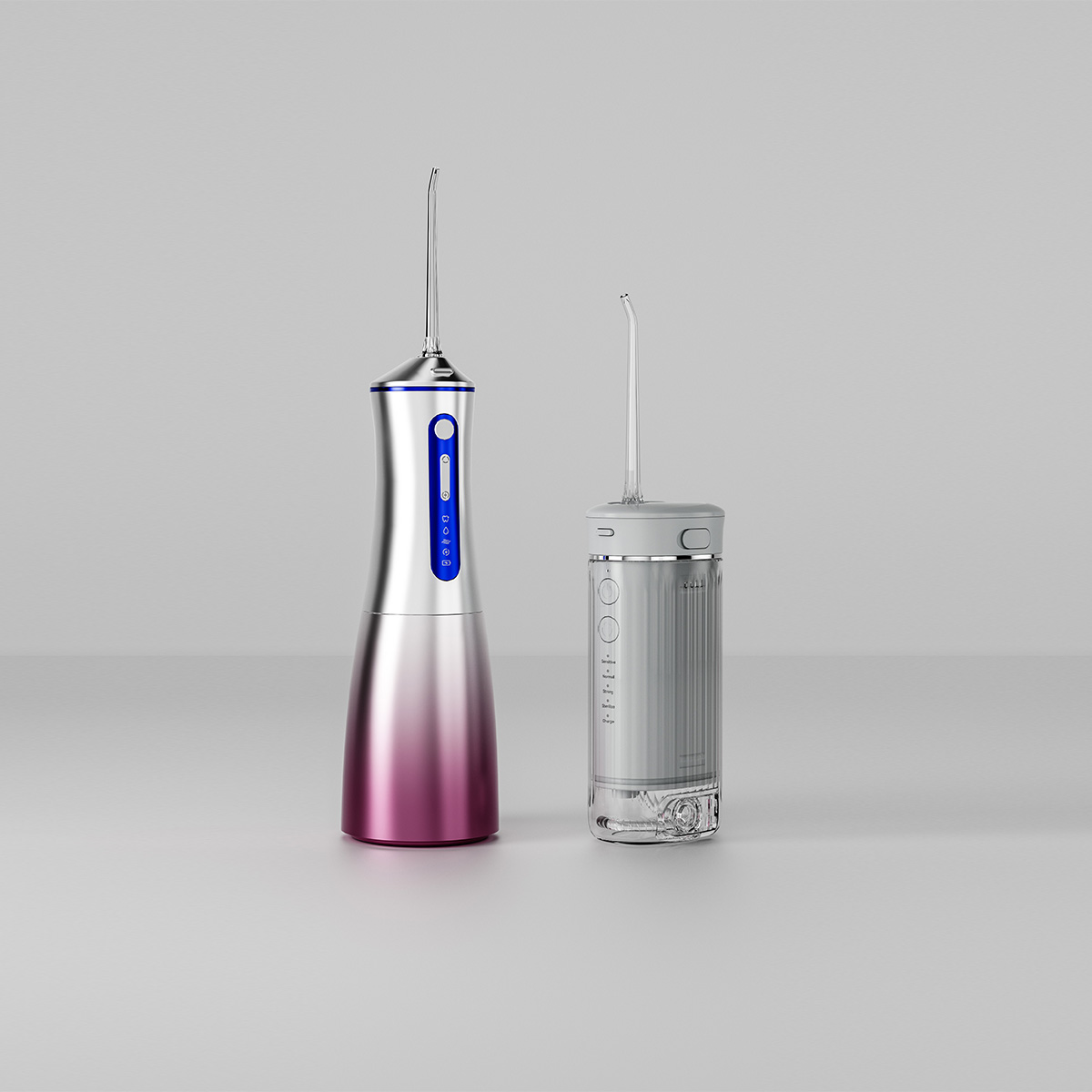
Compact Electric Toothbrush Design: Key Features for Travel & Minimalist OEMs
.jpg)
Sonic Toothbrush OEM China – Professional Manufacturing for Global Brands
multi-mode toothbrush manufacturer | Multi-Function Sonic Toothbrush OEM
NY Dental Recommended Toothbrushes: Trusted Quality from Factory to You
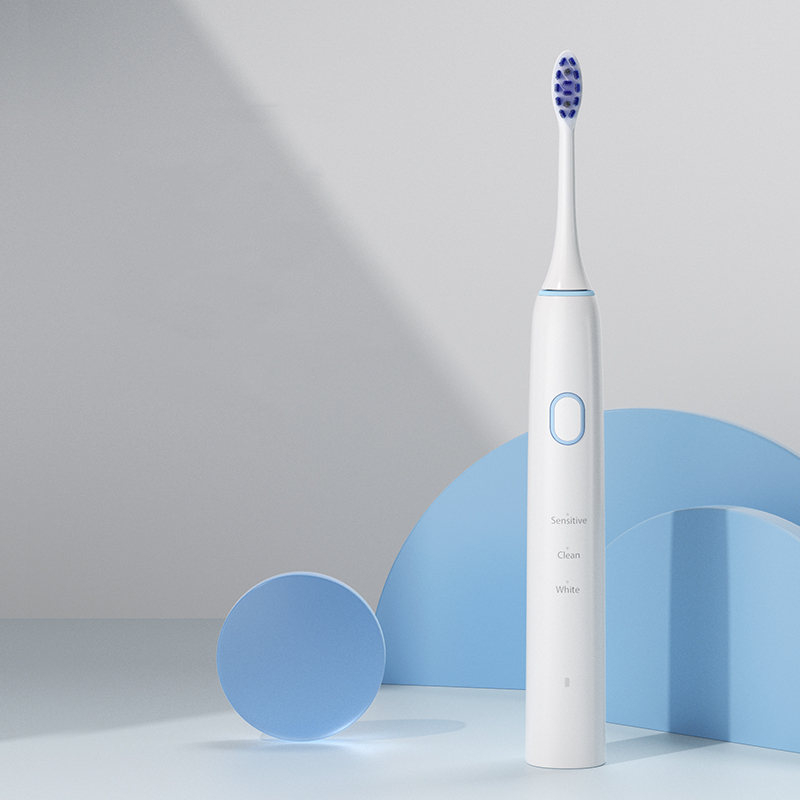
College Student-Friendly Electric Toothbrush Features – Budget OEM Designs
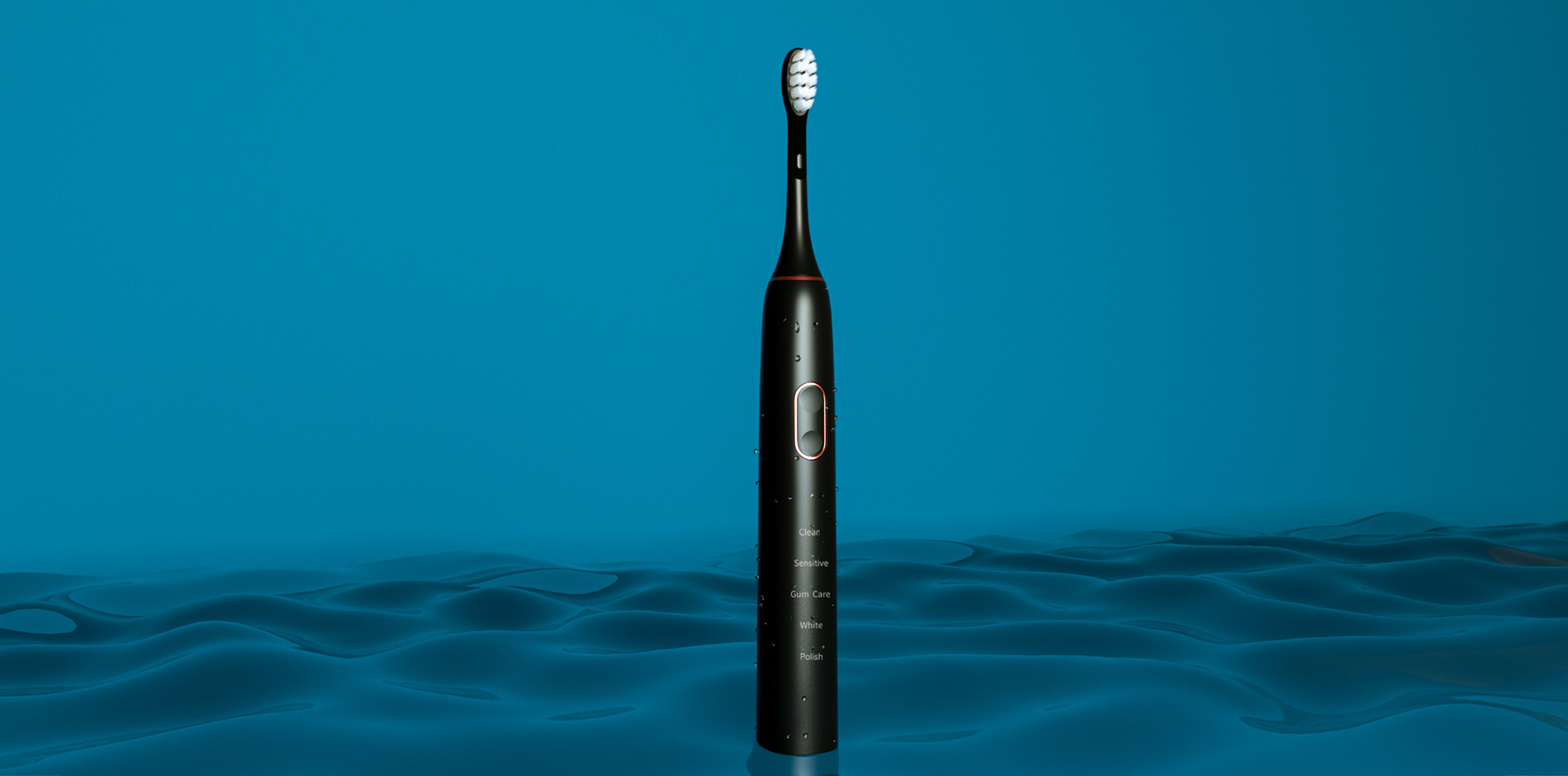
The Impact of Color Matching in Electric Toothbrushes on Perceived Quality
.jpg)
Manhattan Replacement Heads Sync with NYC App Connectivity?
California Water Flosser: Advanced Factory Solutions
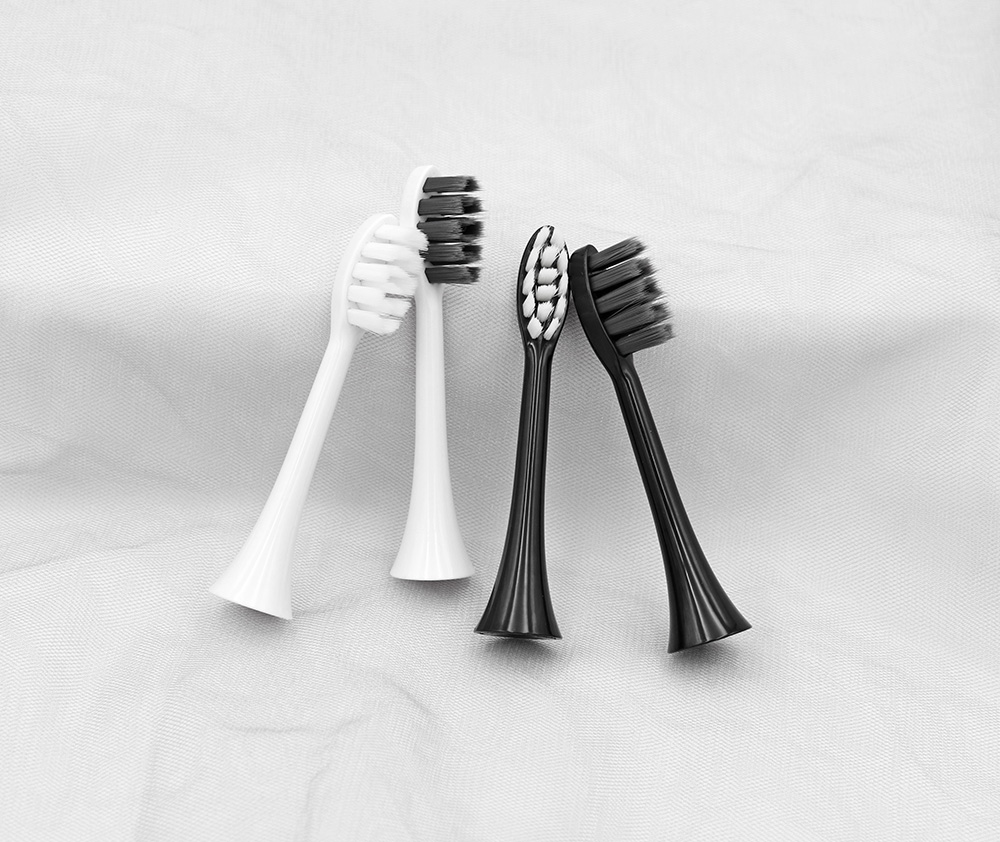
Why Isn’t It Suggested to Design Patterns on the Brush Heads of Electric Toothbrushes?
Wholesale Electric Toothbrush San Antonio – Affordable Oral Care for Businesses
.jpg)
Best Electric Toothbrush for Sensitive Teeth in New York?
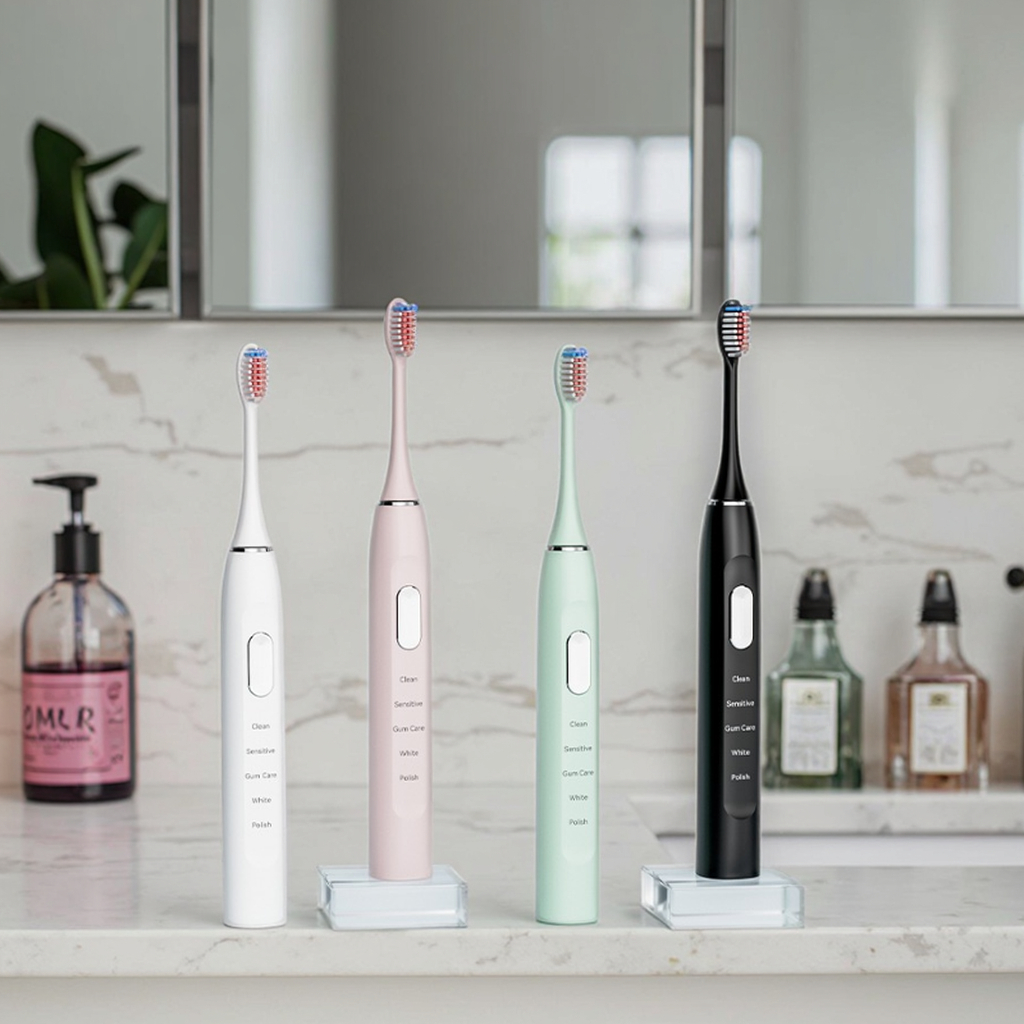
Why Measure Whitening Results Using the CIE Whiteness Index and Hue Saturation Lightness Metrics?
premium electric toothbrush exporter | High-End Sonic Toothbrush Supplier
.jpg)
powsmart-Low-frequency Vibration Electric Toothbrush Manufacturers
.jpg)
Is a Quiet Electric Toothbrush Best for NYC Apartments?


.jpg)
.jpg)
.jpg)
.jpg)
.jpg)

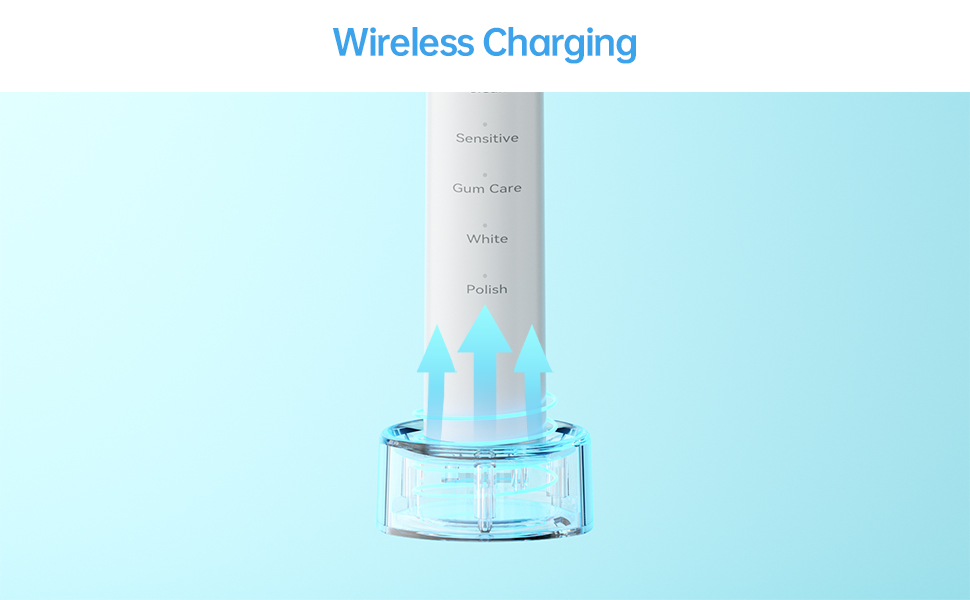




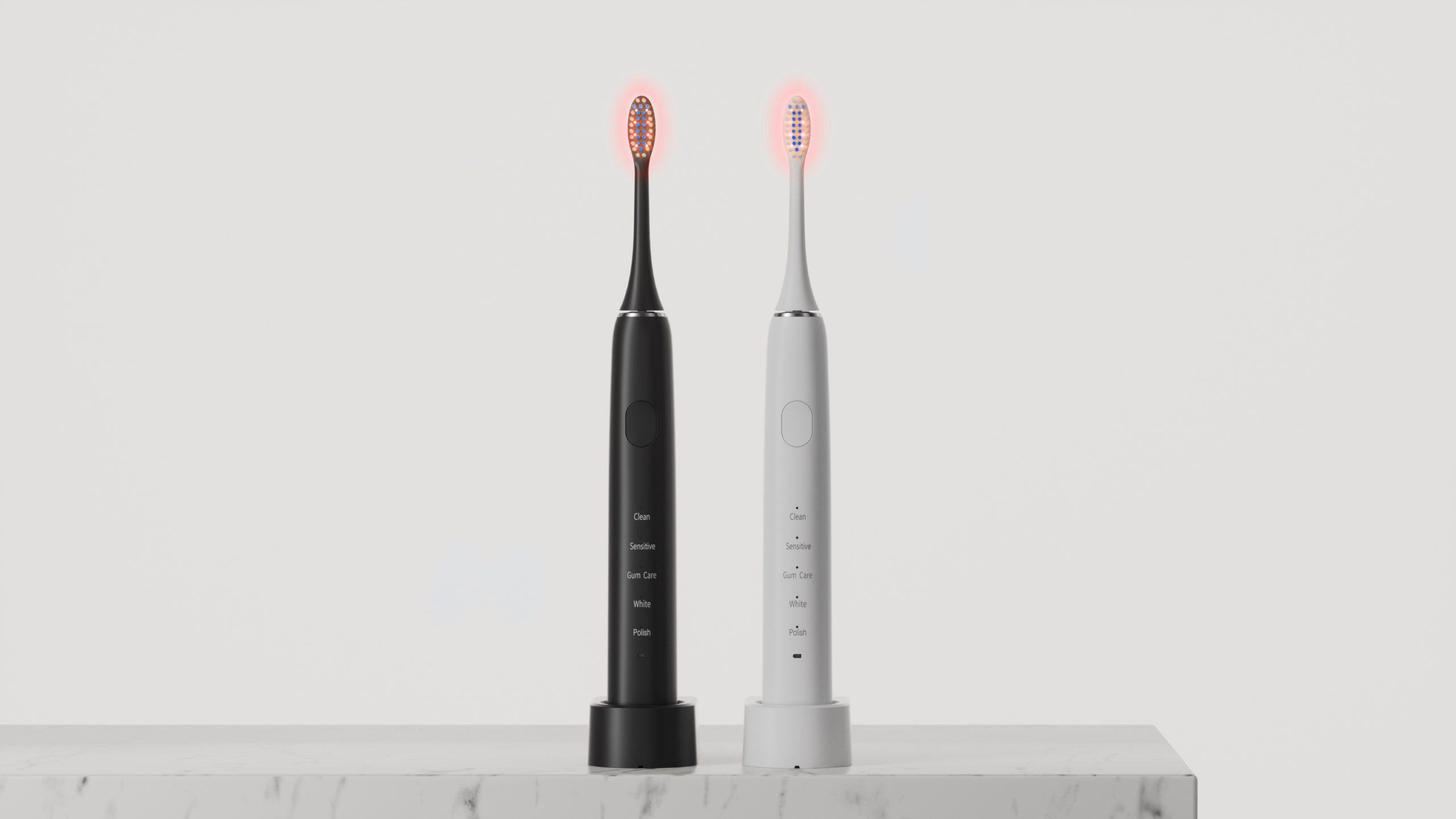
.jpg)
.jpg)
.jpg)