
In today’s wireless-connected world, issues like Bluetooth Disconnects are more than just minor inconveniences; they may be directly impacting device efficiency by increasing Battery Drain Speed. Many manufacturers have observed that frequent disconnections not only impair user experience but may also accelerate energy consumption. In this blog, we dive deep into the potential relationship between intermittent Bluetooth connectivity and rapid battery drain, explore the underlying causes, and propose strategies to optimize both connectivity and power performance.
Wireless connectivity has become a vital component in modern devices, connecting everything from wearable tech to professional equipment. With consumer expectations higher than ever, reliability is key. When Bluetooth connectivity is unstable, frequent Bluetooth Disconnects may occur, causing devices to repeatedly attempt to reconnect. These repeated cycles, in turn, contribute significantly to Battery Drain Speed by constantly drawing power. This section establishes why robust connectivity is essential and outlines the challenges faced by manufacturers in maintaining uninterrupted service.
Bluetooth disconnects can be triggered by numerous factors, including interference, outdated firmware, or hardware limitations. Each disconnect forces the device to restart its pairing protocols and search for available connections, consuming more energy than when a stable connection is maintained. Over time, this repeated behavior increases the Battery Drain Speed considerably. By analyzing these issues from both hardware and software perspectives, manufacturers can better pinpoint the areas that require improvement to reduce disconnects and optimize energy consumption.
The link between Bluetooth instability and rapid battery depletion is complex. Key contributing factors include:
When devices experience Bluetooth Disconnects, it is not simply an issue of intermittent loss of connectivity. Each disconnection triggers a sequence of power-intensive activities, from scanning for available signals to engaging in pair reconnection protocols. This cycle not only disrupts the user experience but also significantly accelerates Battery Drain Speed. By mapping out the energy cost per reconnection cycle, companies can better understand the overall impact on battery life and prioritize areas for intervention, such as optimizing reconnection protocols or reducing interference sources.
To address these challenges, manufacturers can adopt several proactive strategies:
Each of these strategies plays a key role in lowering Battery Drain Speed caused by frequent disconnects and ultimately enhancing overall product performance.
The interplay between Bluetooth Disconnects and Battery Drain Speed illustrates the need for continuous improvement in wireless technology. Looking ahead, advancements such as AI-driven predictive maintenance and real-time monitoring of connectivity performance promise to further minimize disconnect events. Additionally, new standards in Bluetooth technology and more energy-efficient chip designs are on the horizon, which will further contribute to reducing power consumption. Manufacturers committed to innovation and comprehensive quality management will be better positioned to tackle these issues, ensuring reliable connectivity and extended battery life for their products.
Conclusion
Frequent Bluetooth Disconnects can indirectly drive up Battery Drain Speed, impacting device performance and user satisfaction. By understanding the root causes and actively implementing strategies to improve connectivity and manage power consumption, manufacturers can create products that deliver both reliable wireless performance and enhanced battery longevity. Continuous innovation and proactive quality control are essential to staying competitive in today’s fast-paced technological landscape.
Interested in learning more about optimizing wireless connectivity and power management in your products? Contact us today to explore customized solutions that drive performance and efficiency.


.jpg)
soda teeth whitening guide: enamel challenges
How Does a Contract Manufacturing Agreement Secure a Steady Brush Head Replacement Supply?

Need a Fathers Day Texas gift that supports gum health?

What Are the Necessary Conditions for Professional Teeth Whitening Device Suppliers?
Why Do Pediatric Warnings Address Bleach Residuals?
.jpg)
Best Electric Toothbrush for Sensitive Teeth in New York?
.jpg)
Solutions to Common Faults of Water Flossers: How Can Brand Owners Ensure That Factories Provide Reliable After-Sales Service?
Motor Jamming with Overheating Alerts – Linked?
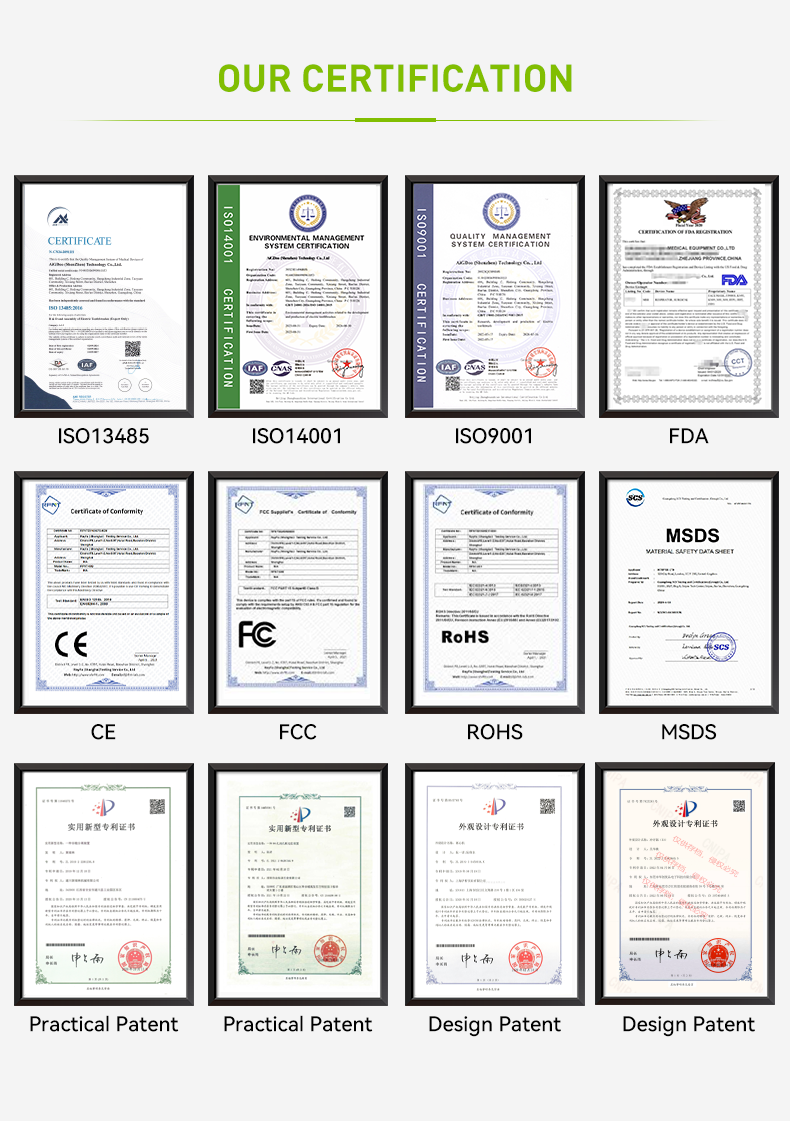
Can CE Marking Validate Your Product’s Whitening Effect Claim?
Washington Hygienist Recommended Toothbrush Distributor
Wireless Whitening Kit Wholesale Solutions for Global Sellers
How Much Does It Cost to Whiten Teeth at Home? – OEM Teeth Whitening Kit Pricing
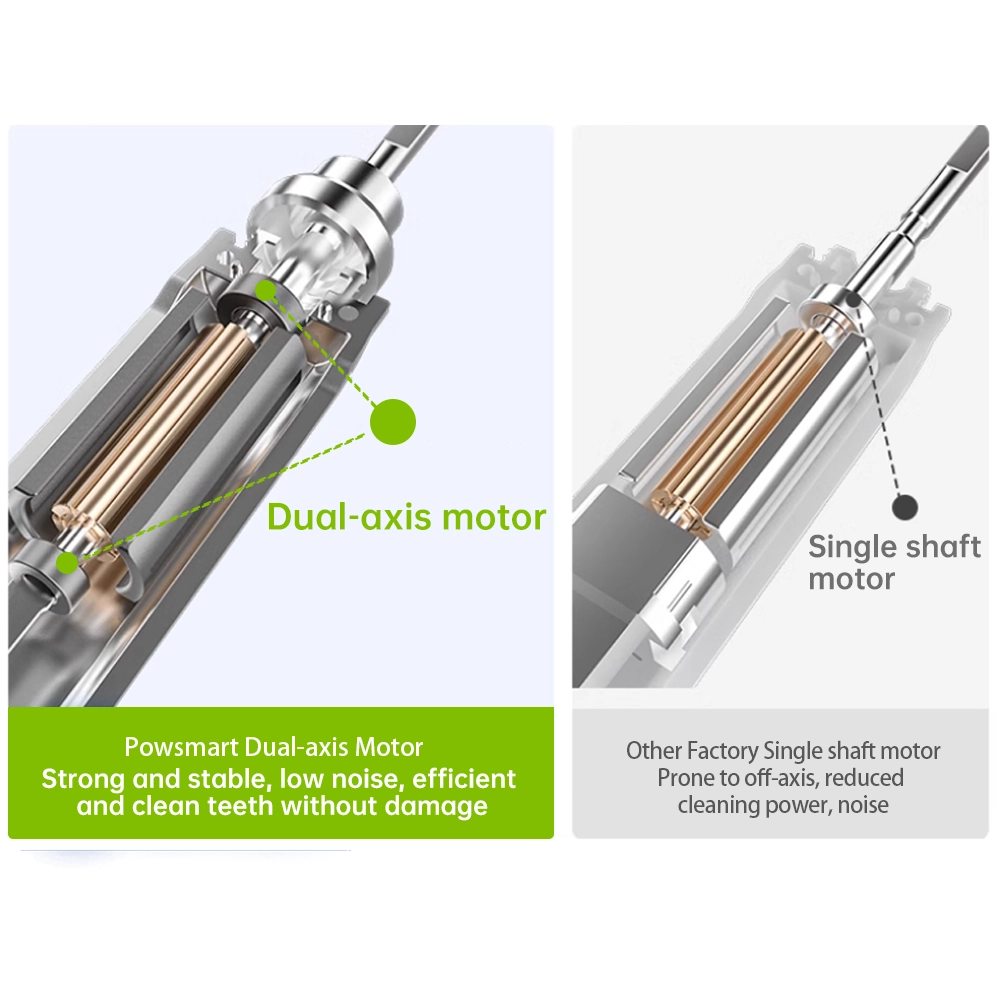
The Science Behind Sonic Toothbrush Motors
Discover a Great Reason to Switch to an Electric Toothbrush
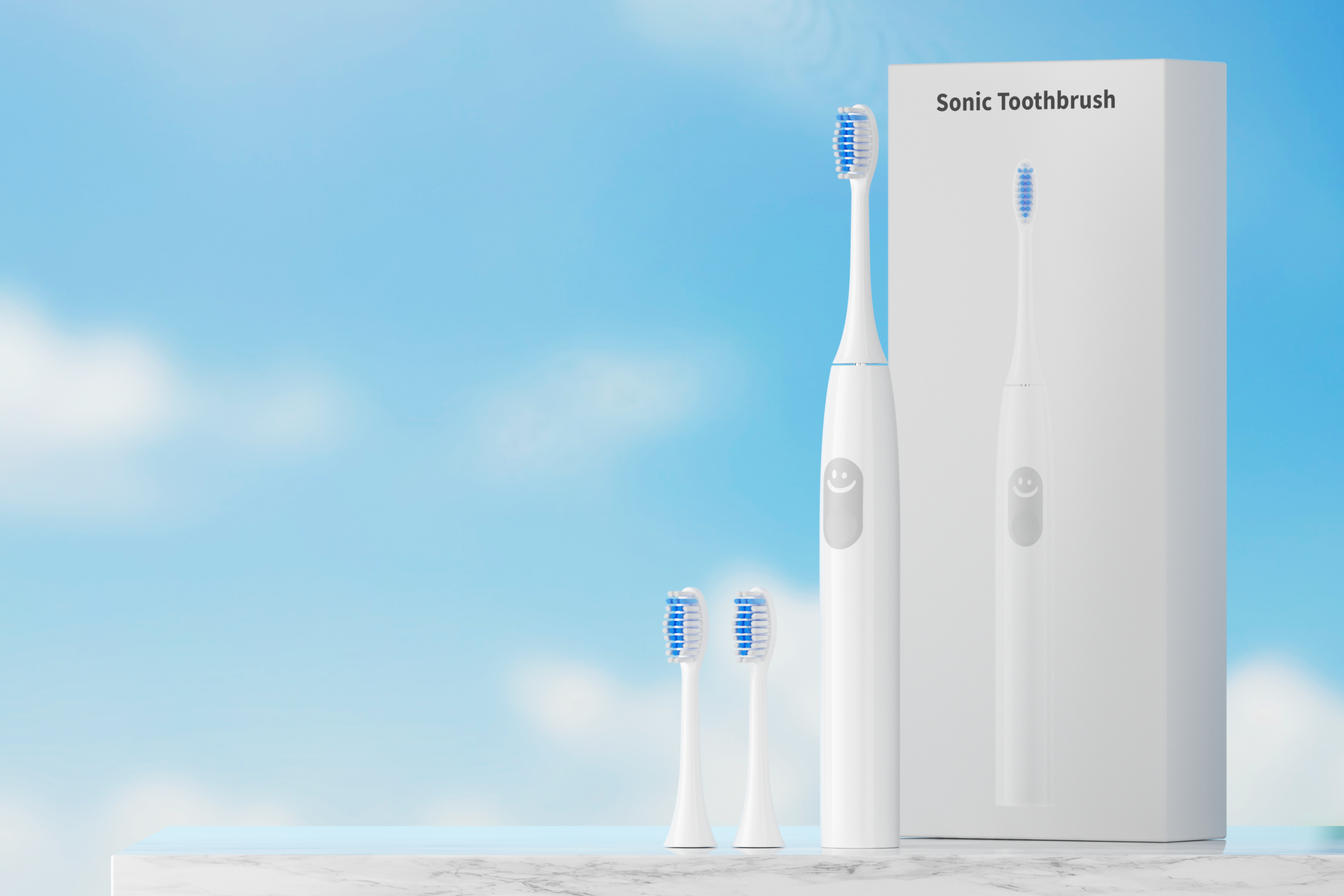
White Label Electric Toothbrush OEM: Complete Branding Solutions
Small Batch Electric Toothbrush OEM: Flexible Manufacturing for Emerging Brands


.jpg)
.jpg)
.jpg)
.jpg)
.jpg)









.jpg)