
In oral care product design and manufacturing, bristle splaying may seem like a minor wear-and-tear issue. However, when splayed bristles fail to clean precisely or deliver excessive abrasive force, they can inadvertently aggravate demineralization zones on enamel surfaces. Could such an outcome be attributed to user error, or does it point to a design oversight or even manufacturer negligence? Let’s take a closer look.
Bristle splaying refers to the outward flaring or deformation of brush head bristles after repeated use. This deformation:
While some degree of splaying is inevitable with time, premature or excessive splaying is often linked to substandard material quality or improper tuft design.
Demineralization zones are early-stage enamel defects caused by the leaching of calcium and phosphate from the tooth structure—usually triggered by acidic environments, poor hygiene, or plaque biofilm accumulation. These zones:
When splayed bristles fail to effectively clean these vulnerable areas—or worse, over-scrub them—they can accelerate enamel erosion.Company web: https://www.powsmart.com/product/electric-toothbrush/


There is a direct correlation between bristle splaying and compromised cleaning performance. With worn-out bristles:
This mechanical inefficiency, coupled with poor plaque removal, creates a perfect storm for worsening demineralization zones.
Manufacturers have the responsibility to:
Neglecting these steps means that bristle splaying becomes a predictable defect—and its role in enamel damage shifts from incidental to avoidable.
From an engineering standpoint, improving resistance to splaying includes:
These strategies not only enhance cleaning performance but actively reduce the risk of accelerating demineralization zones.
When bristle splaying worsens demineralization zones, the line between user negligence and product design flaw becomes blurred. While consumer education is key, the root of the issue often lies in inadequate bristle durability and lack of wear signaling.
For B2B buyers and OEM partners, it’s time to reassess brush head longevity and enamel safety impact. Are your current specifications doing enough to protect vulnerable enamel? If not, now’s the moment to innovate.
Let us help you design for durability, precision, and protection—reach out to our engineering team to optimize your next brush generation. Contact Kiwibird
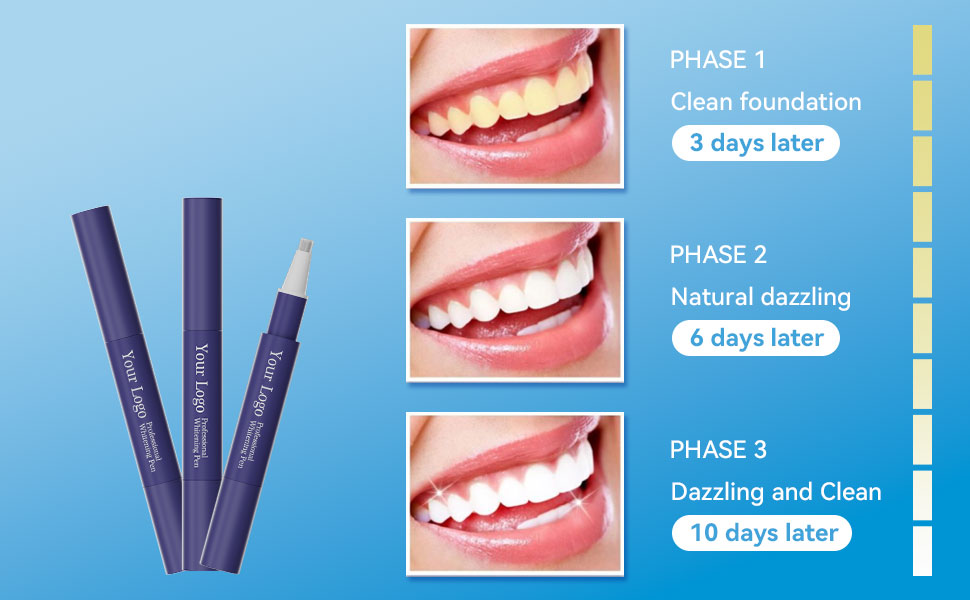
Oral health facts & tips: Teeth whitening
.jpg)
Gel Crystallization with Gingival Discoloration – Alarming?
The proper way to use an electric toothbrush
.jpg)
Which Product Functions and Performances of Water Flossers Are Users Most Concerned About?
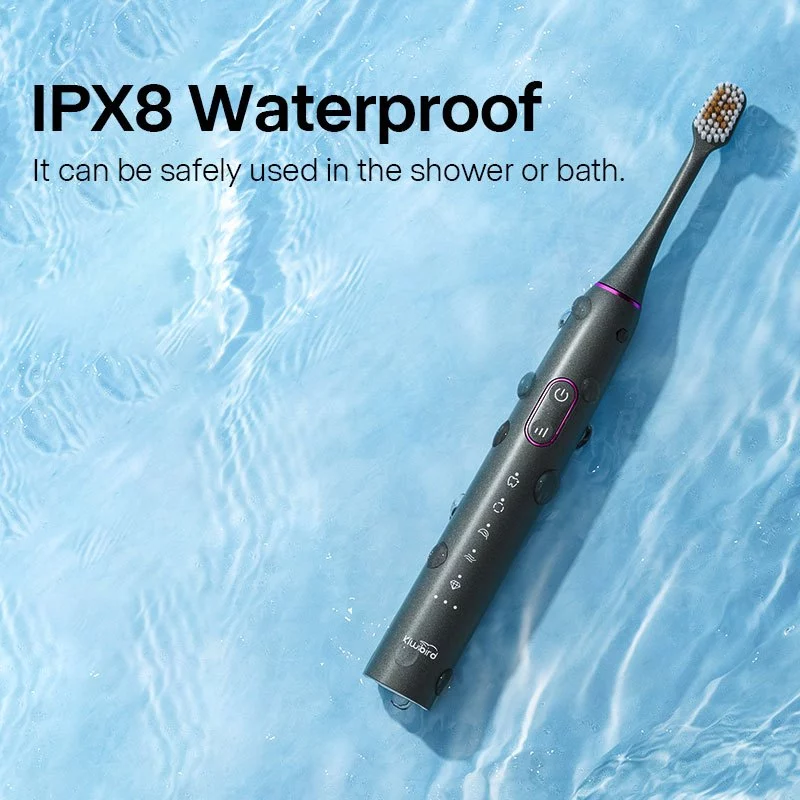
Cheap vs High-End Electric Toothbrushes : 5 Key Differences You Should Know
Pressure Sensor Failure with Taste Distortion – Related?
Swivel Blockage Leading to Saliva Depletion – Preventable?
Sync Disruption with Tray Deformation – Tech Failure?

How Can You Turn Your Users into Loyal Users of Your Oral Care Brand?
Occlusal Interference Plus Jaw Fatigue – Design Flaw?
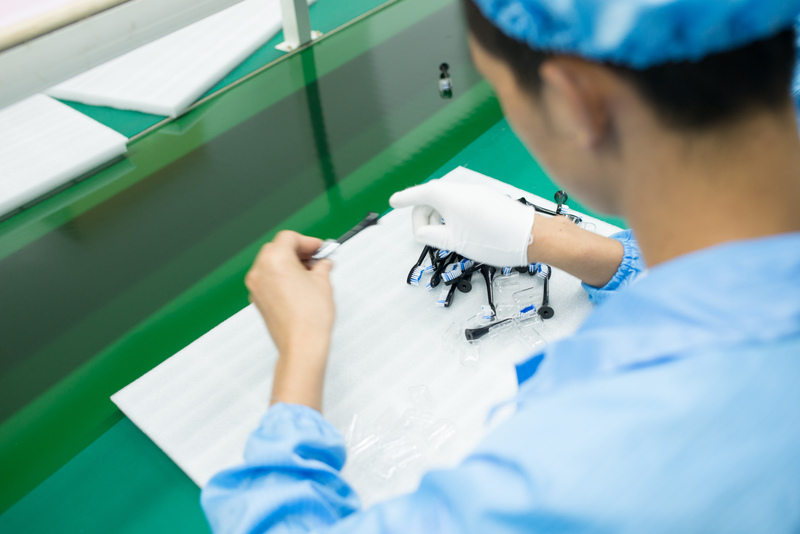
The importance of the roundness of toothbrush bristles

High After-Sales Costs: How They Cripple Oral Care Brand Profits & Reputation
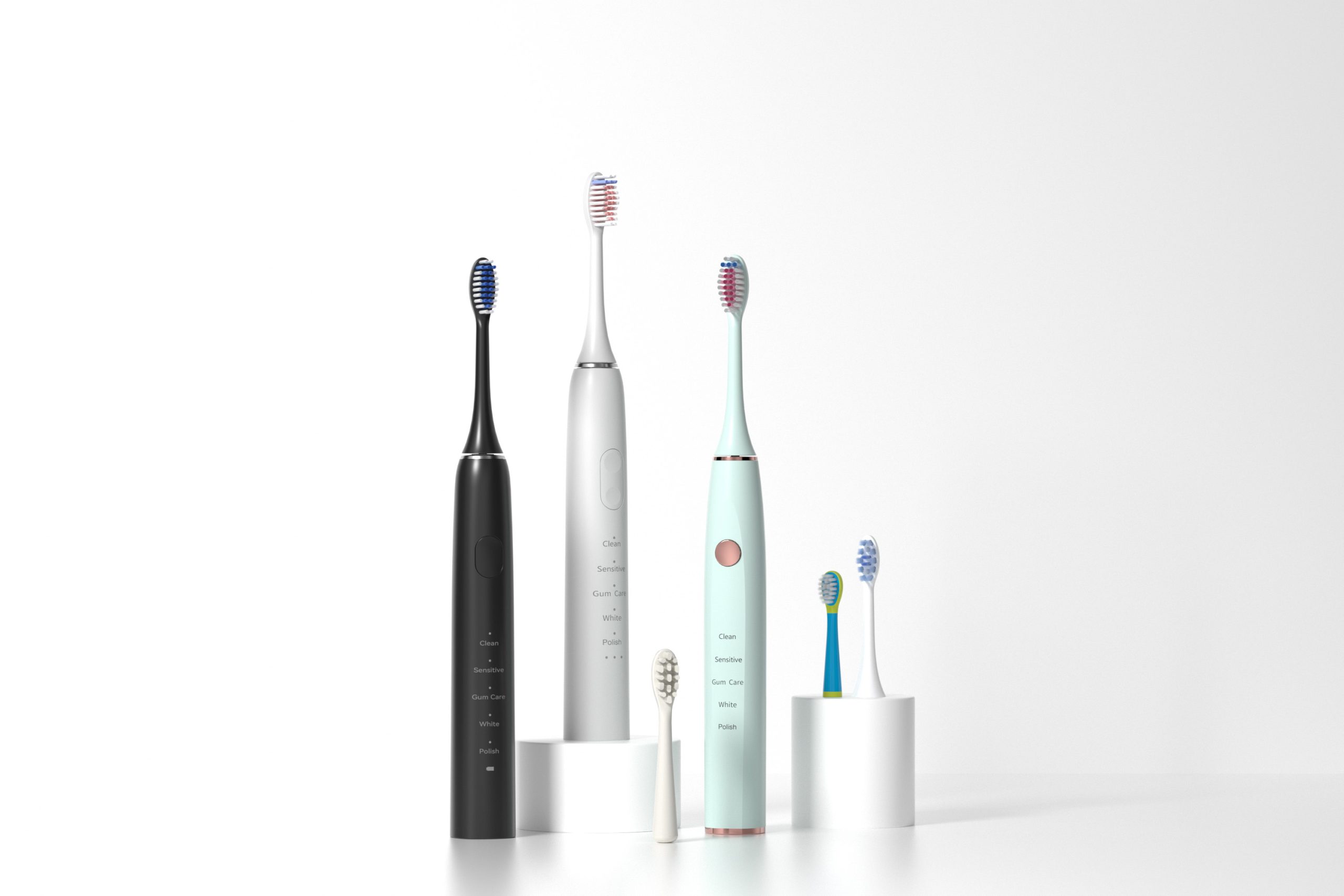
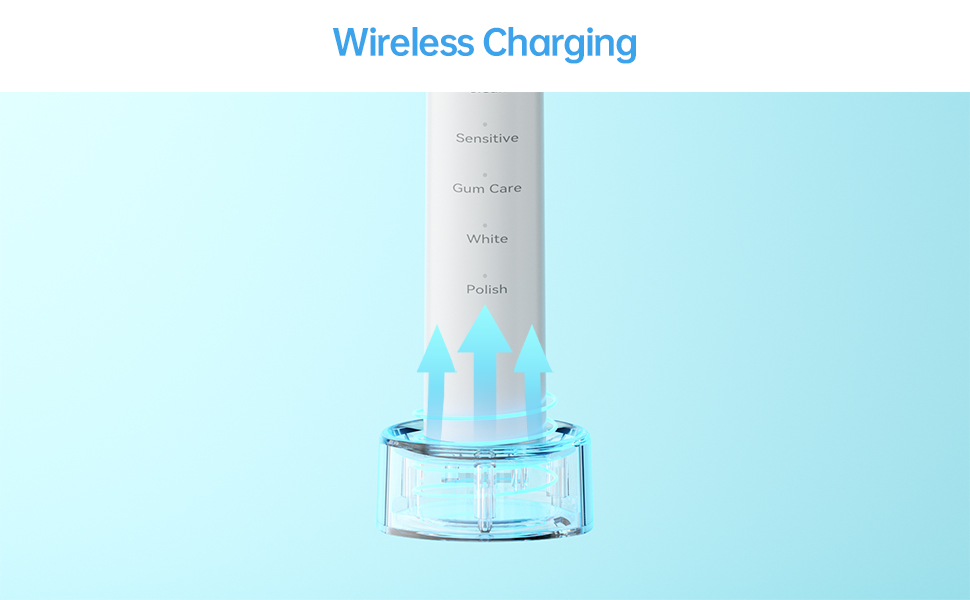
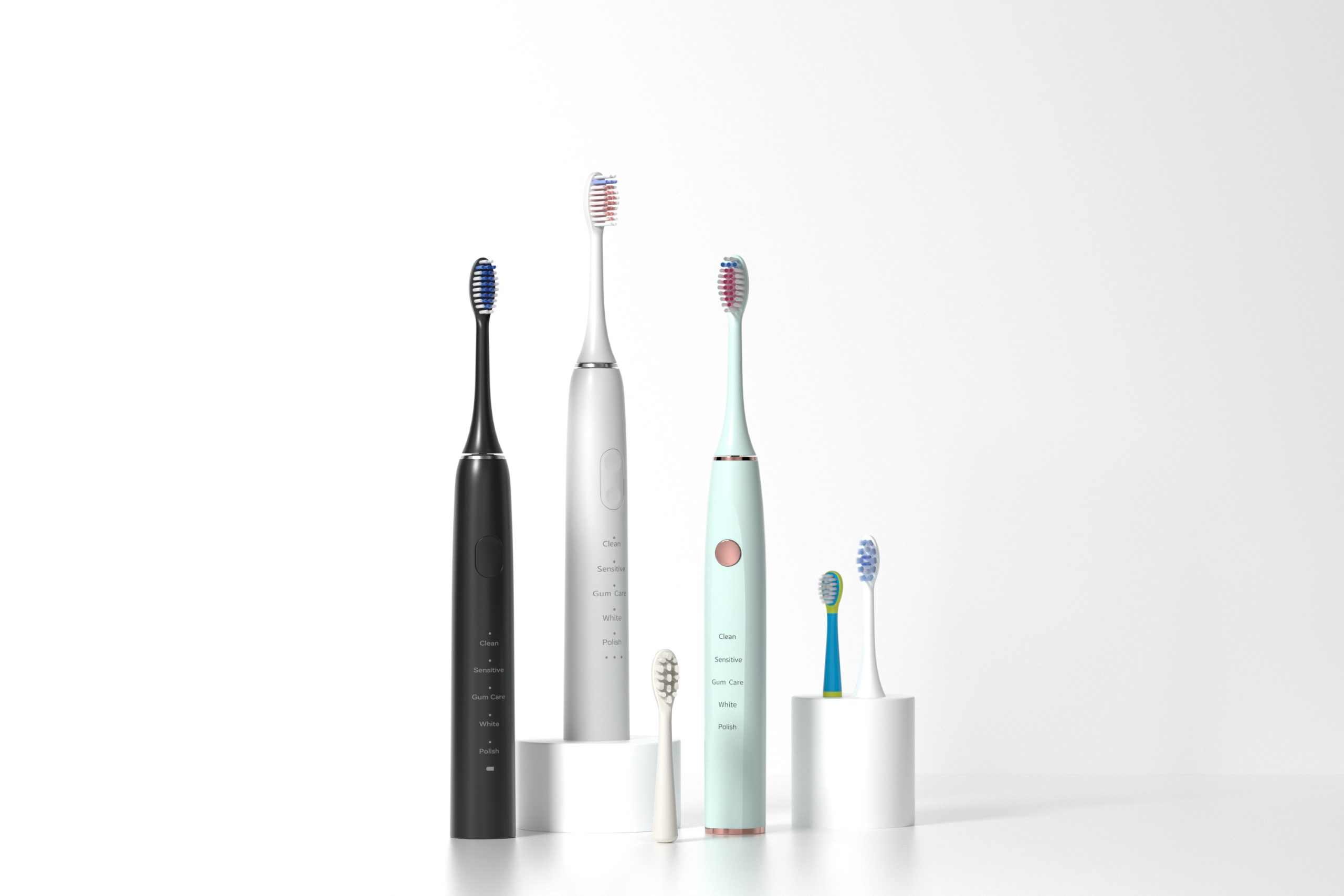
Which Charging Method for Electric Toothbrushes Is Better and Has a Lower Charging Failure Rate?
What Competitive Oral Care Products Are Needed in the Highly Competitive Dental Care Market?
.jpg)
Is an RV travel essential kit complete without an RV power toothbrush?
Light Decay Triggering Allergic Dermatitis – Toxic?


.jpg)
.jpg)
.jpg)
.jpg)
.jpg)




.jpg)
.jpg)
.jpg)

.jpg)
.jpg)