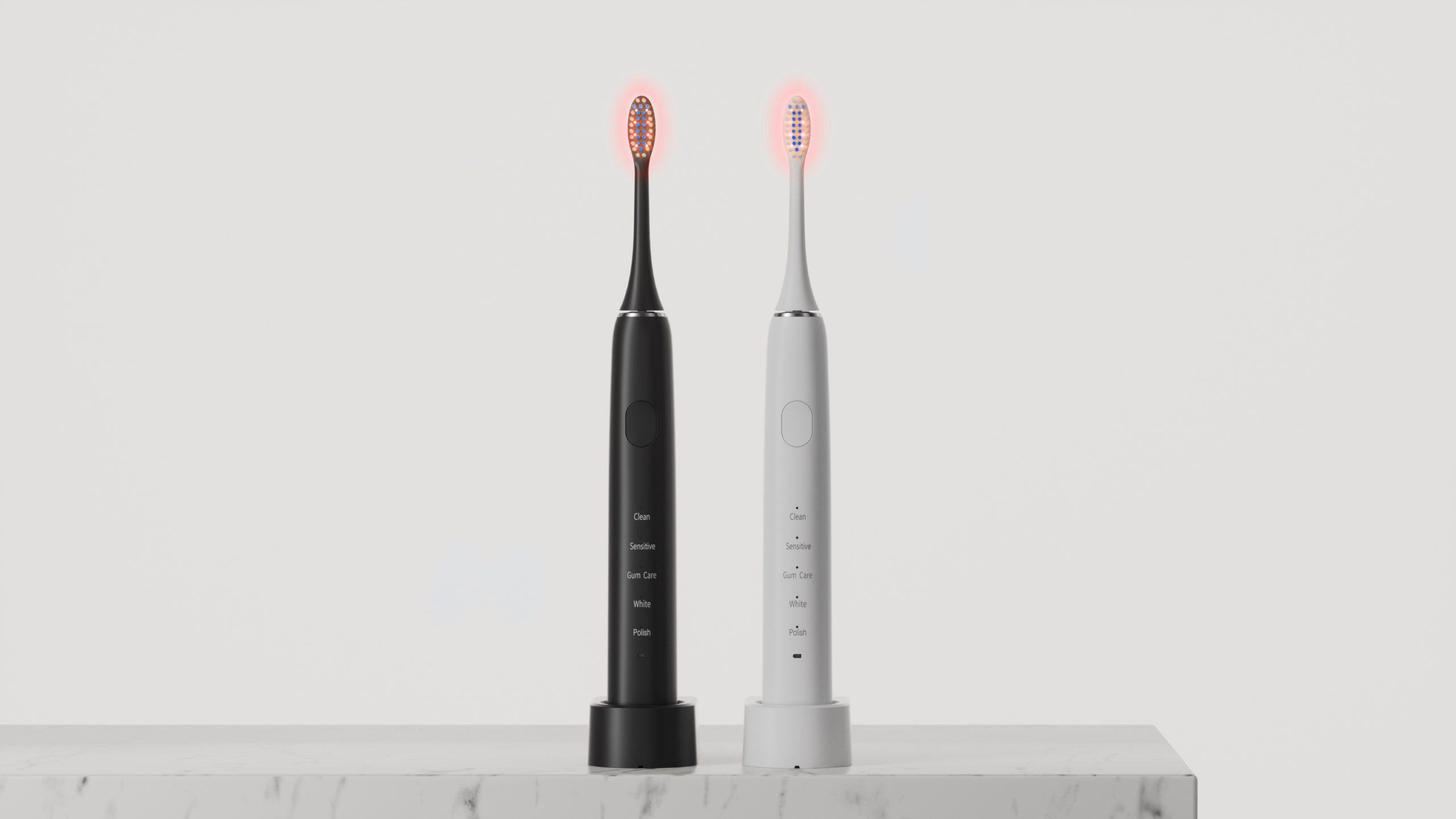
Electric toothbrushes have become increasingly popular in recent years, offering a high-tech alternative to traditional manual brushes. As a leading B2B manufacturer of dental care products, we understand the importance of helping our clients and their customers make informed decisions. In this blog, we’ll explore the advantages and disadvantages of electric toothbrushes, focusing on their cleaning ability, comfortable feeling, ability to reduce damage, and whitening benefits.
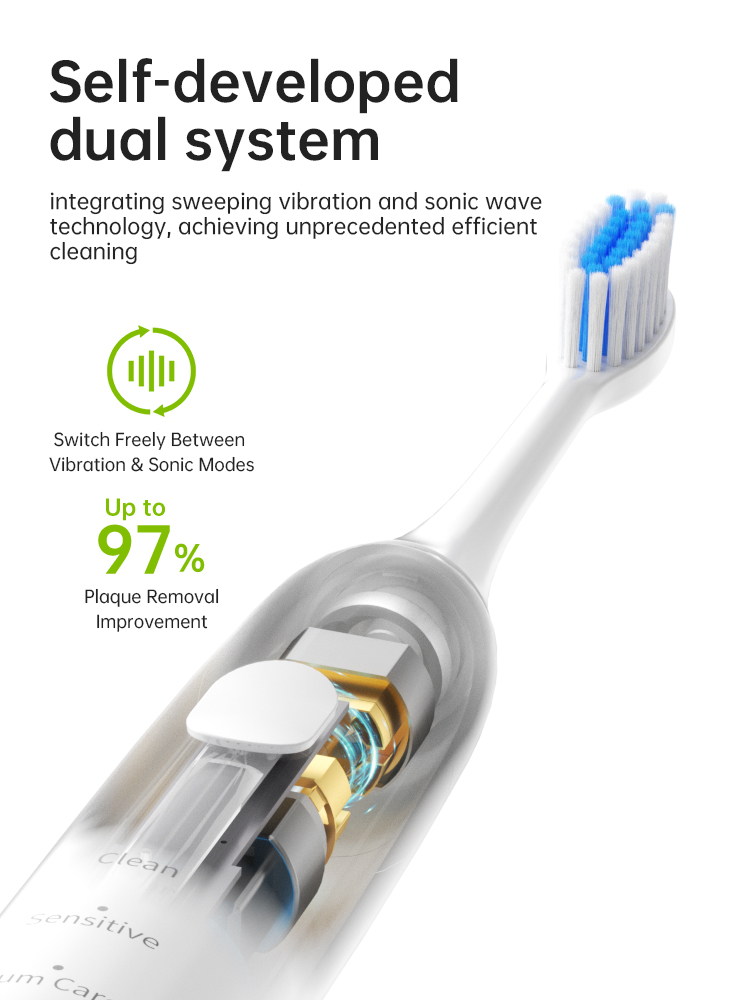
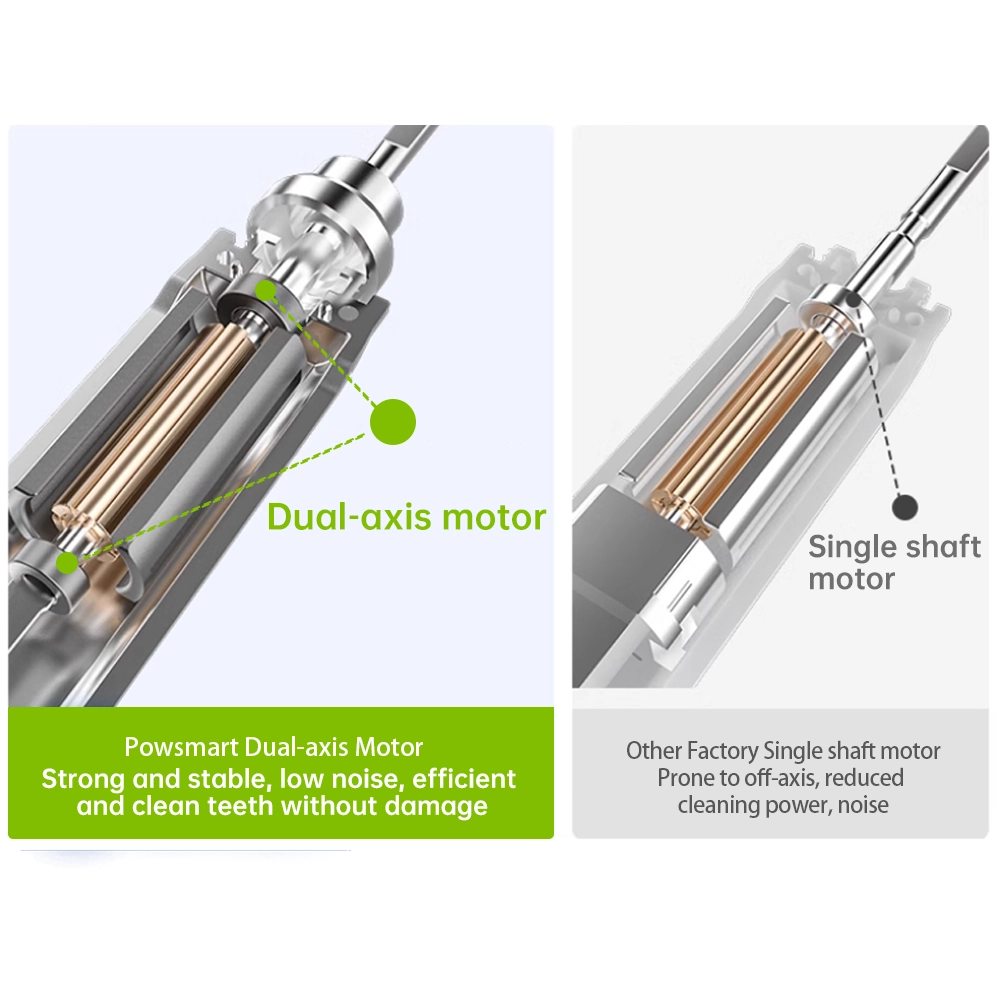
One of the most significant advantages of electric toothbrushes is their cleaning ability. Powered by advanced motor technology, electric toothbrushes generate thousands of brush strokes per minute, ensuring a thorough clean that manual brushes simply cannot match. Studies have shown that electric toothbrushes can remove up to 100% more plaque than manual brushes, making them highly effective at preventing cavities and gum disease. This superior cleaning performance is a major reason why many people switch to electric toothbrushes.
Electric toothbrushes are designed to provide a comfortable feeling during use. Their ergonomic handles and automated brushing motions reduce the effort required to clean your teeth, making them ideal for people with limited mobility, such as seniors or those with arthritis. Additionally, many models come with pressure sensors that alert users if they’re brushing too hard, ensuring a gentle yet effective clean. This combination of comfort and efficiency makes electric toothbrushes a favorite among users.
Another key advantage of electric toothbrushes is their ability to reduce damage to teeth and gums. Manual brushing often leads to over-brushing or applying too much pressure, which can wear down enamel and irritate gums. Electric toothbrushes, on the other hand, provide consistent and controlled movements, minimizing the risk of damage. Many models also feature sensitive modes for those with delicate teeth or gums, further enhancing their protective benefits.
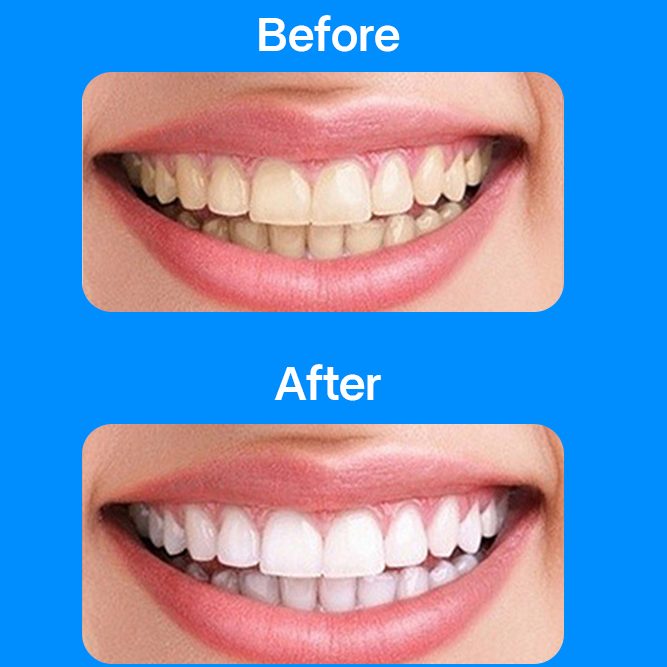
Electric toothbrushes are often praised for their whitening capabilities. Many models come with specialized whitening modes that use high-frequency vibrations to remove surface stains caused by coffee, tea, or wine. Over time, regular use of an electric toothbrush can help restore the natural whiteness of your teeth, giving you a brighter smile without the need for professional treatments.
While electric toothbrushes offer numerous benefits, they do come with some disadvantages. The initial cost of an electric toothbrush is higher than that of a manual brush, and replacement brush heads can add to the ongoing expense. Additionally, electric toothbrushes require regular charging or battery replacements, which can be inconvenient for some users. However, many people find that the long-term benefits outweigh these drawbacks.
Another potential downside of electric toothbrushes is the learning curve associated with their use. Some users may need time to adjust to the vibrations and movements of an electric brush. Additionally, electric toothbrushes are less portable than manual brushes, making them less convenient for travel. However, many manufacturers now offer compact and travel-friendly models to address this issue.
Electric toothbrushes offer a range of advantages, including superior cleaning ability, a comfortable feeling, the ability to reduce damage, and whitening benefits. However, they also come with some disadvantages, such as higher costs and maintenance requirements. As a trusted B2B manufacturer, we believe that the benefits of electric toothbrushes make them a worthwhile investment for most users. By understanding both the pros and cons, you can make an informed decision and choose the best toothbrush for your oral care needs. Pair your electric toothbrush with a consistent oral hygiene routine, and enjoy the benefits of a healthier, brighter smile!
.jpg)
The Right Way to Clean a Water Flosser & How OEM Design Makes It Easier
What Are the Benefits of a Lithium Battery Pack in a Home Use Whitening System?

Do At-Home Light Therapy Teeth Whiteners Really Work?
.jpg)
Best Toothbrush for Doctors | Clinical Oral Care
Can a Percussive Hydraulic Mechanism Be Combined With an Anti-microbial Reservoir for Safer Oral Irrigation?
LED Light Electric Toothbrush Factory: OEM Manufacturing & Innovation
What is Teeth Whitening Precare and Aftercare?
Adapter Overheating with Circuit Shorting – Fire Risk?
The Difference Between Different Types of Power Toothbrushes
Should You Source from a Hose Connector Supplier and Water Filter Supplier Separately?
Need Electric Toothbrush Replacement Heads Bulk and Electric Toothbrush Charger OEM Parts?
Analysis of the Core Components of the Electric Toothbrush: Technical Secrets from the Motor to the Brush Head
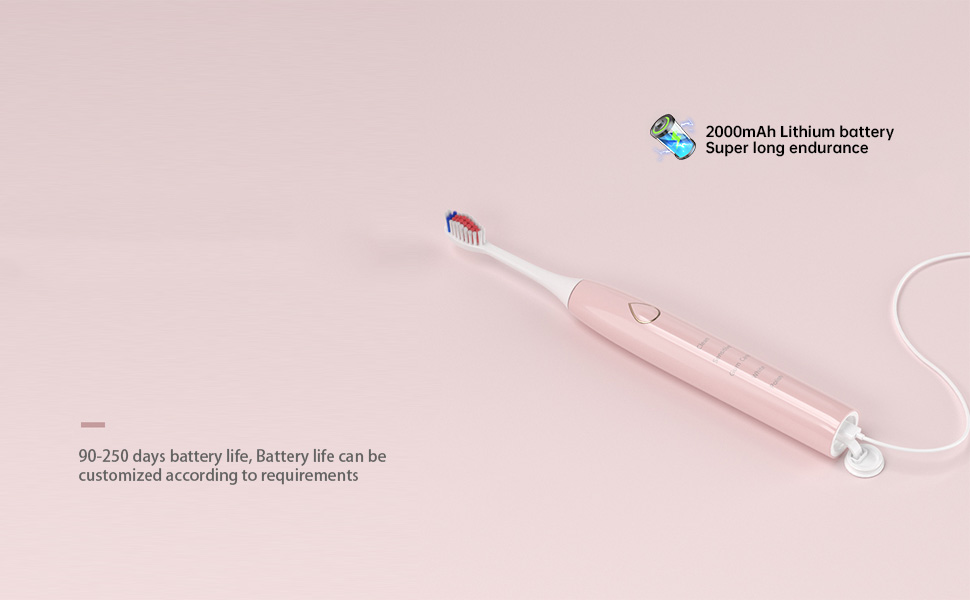
Why can’t the electric toothbrush be charged?
Professional Teeth Whitening Supplier China for Global Distributors
A Comparison of Different At-Home Teeth Whitening Options for OEM Product Development
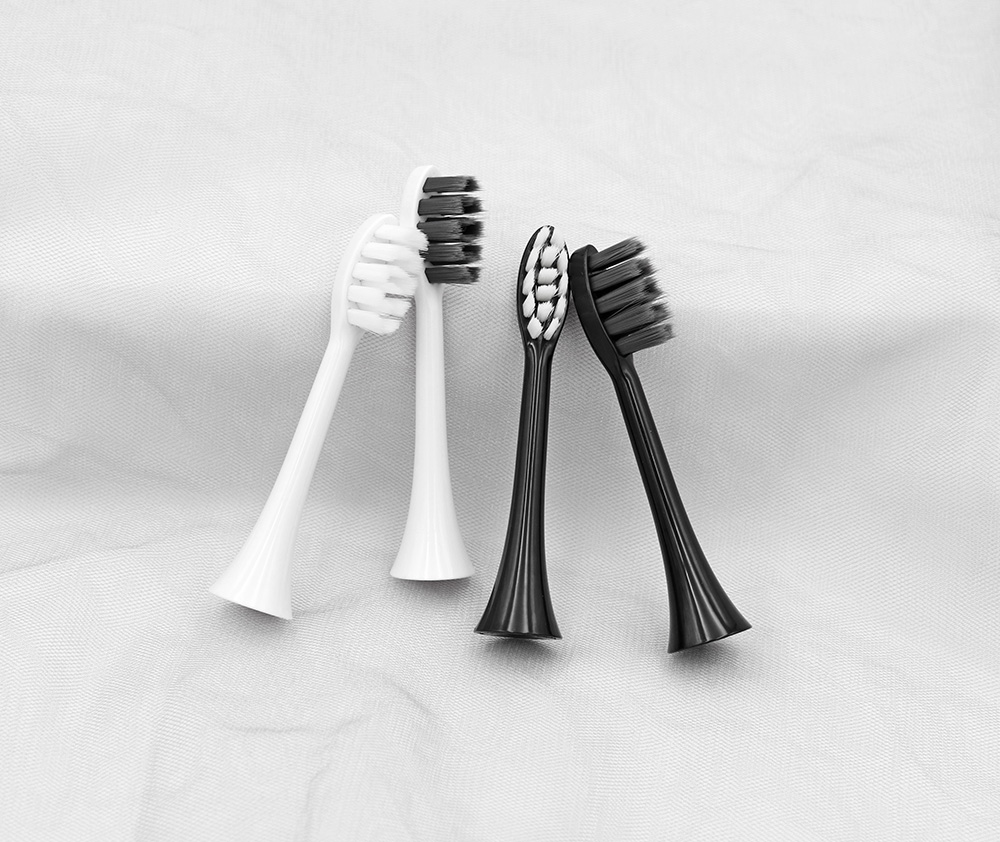
Multi-Color Electric Toothbrush Head Options – Custom Branding for Kids & Adults


.jpg)
.jpg)
.jpg)
.jpg)
.jpg)