When seal degradation is left unchecked in oral care and hygiene devices, the result can be more than just cosmetic wear. A compromised seal allows moisture and organic debris to accumulate internally, creating the perfect environment for bacterial regrowth. Over time, this invisible contamination can undermine product safety, degrade user experience, and expose manufacturers to significant liability. So is this problem preventable? With proactive design and production measures, the answer is a resounding yes.
Seal degradation is the process by which gaskets, O-rings, or adhesive barriers lose their integrity. This can occur for several reasons:
Once these seals fail, pathways open for moisture infiltration and microbial contamination.
Bacterial colonies thrive in warm, damp spaces. When a degraded seal allows saliva, cleaning fluid, or even tap water to seep into the device:
This process fuels bacterial regrowth, which can persist despite surface cleaning. Company web: https://www.powsmart.com/product/electric-toothbrush/
For OEMs and distributors, identifying seal degradation before bacterial contamination escalates is critical. Look for these early indicators:
Routine visual inspections and periodic pressure tests help catch leaks before they become systemic.
To stop seal degradation and control bacterial regrowth, manufacturers can adopt proven best practices:
When combined, these measures help maintain a sterile internal environment over the entire product lifecycle.
Even with excellent engineering, defects occasionally occur. Leading manufacturers can protect partners by:
Clear documentation and transparent warranty support reassure distributors and retailers that user safety is always a top priority.
Unlike cosmetic blemishes, seal degradation combined with bacterial regrowth is a potentially serious health hazard. However, this threat is fully preventable with robust design, disciplined manufacturing, and proactive maintenance protocols. By taking these steps early, B2B suppliers protect end users, strengthen brand reputation, and stay ahead of increasingly strict hygiene regulations in global markets.
Conclusion
If you’re designing or sourcing oral care equipment, remember: a small seal can be the most critical barrier between your device and contamination. Invest in premium materials, enforce rigorous testing, and empower customers to maintain their devices correctly—so seal degradation and bacterial regrowth never have the chance to become a problem.Contact us
.jpg)
.jpg)
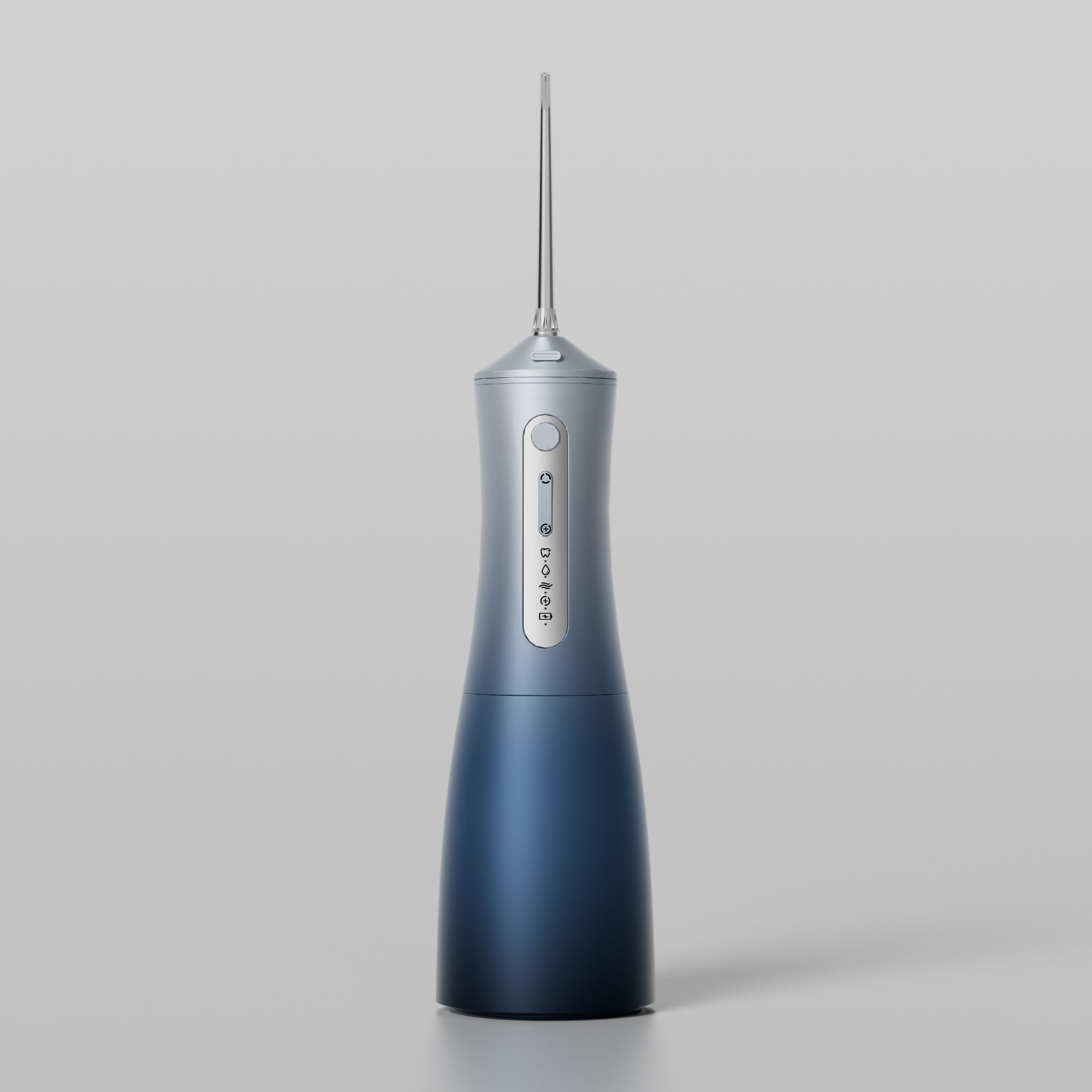
Prediction of the Future Development Trend of the Water Flosser Industry: Technological Innovation and Market Opportunities
The Higher the Frequency of the Electric Toothbrush, the Better the Cleaning Ability?
.jpg)
Private Label Teeth Whitening Device Manufacturing
Oral Microbiome Impact from Color Relapse?
.jpg)
Is Bluetooth Toothbrush APP Tracking Failure Causing User Adaptation Issues?
.jpg)
Why choose dental equipment suppliers in Lakebay WA for clinic-grade tools?
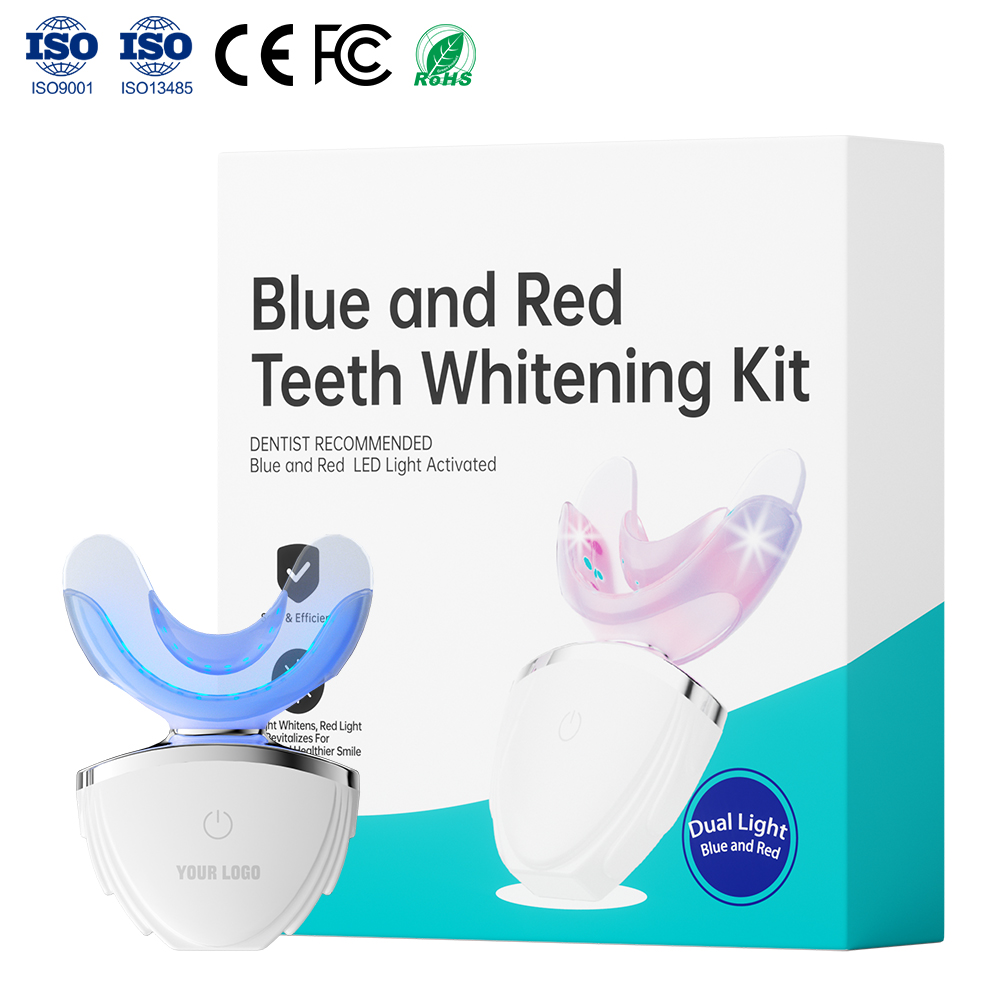
Why Is Custom Tray Mold Creation Dependent on Dental Tray Material Selection?
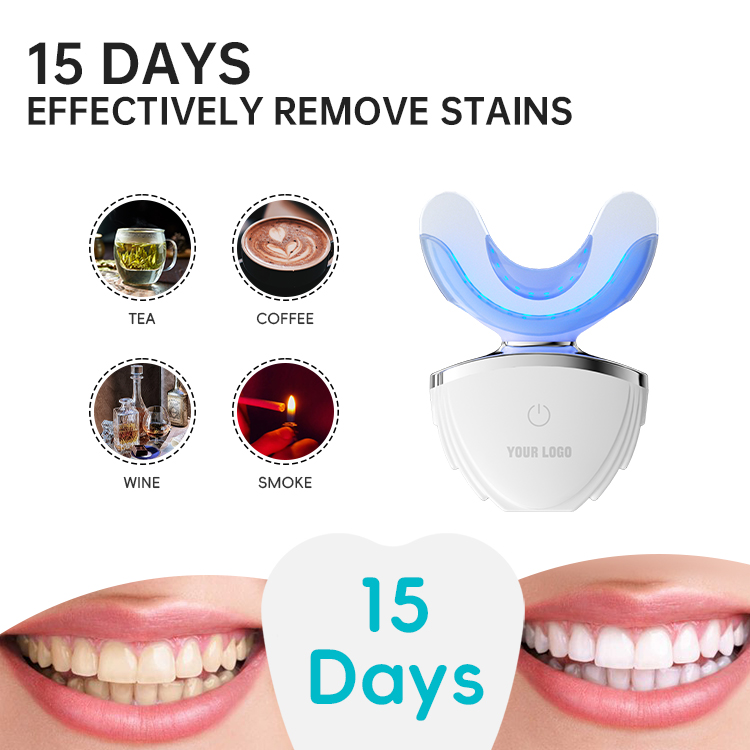
Partner with OEM Experts for Dentist-Recommended At-Home Teeth Whitening Products
.jpg)
How Many Times Is It Recommended to Clean Your Mouth in a Day?
Sonic Toothbrush Dallas – Smarter Cleaning Technology
.jpg)
Is There a Promising Future in Expanding the Children’s Oral Irrigator Category?
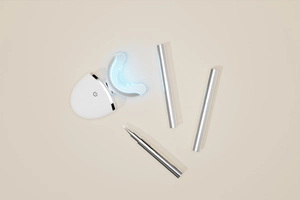
Collaborative Development of Red and Blue Light Teeth Whitening Gel Formulas: How to Increase Whitening Efficiency by 3 Times?
.jpg)
Is an Alaska portable charger necessary for an Alaska cold-resistant brush?
Electric Toothbrush with Replaceable Heads – Cost-Effective and Sustainable B2B Oral Care Solution
How can Servo System Manufacturing enhance the value proposition of a Custom Handle OEM for B2B toothbrush brands?
Private Label Teeth Whitening Kit Solutions for B2B Brands


.jpg)
.jpg)
.jpg)
.jpg)
.jpg)