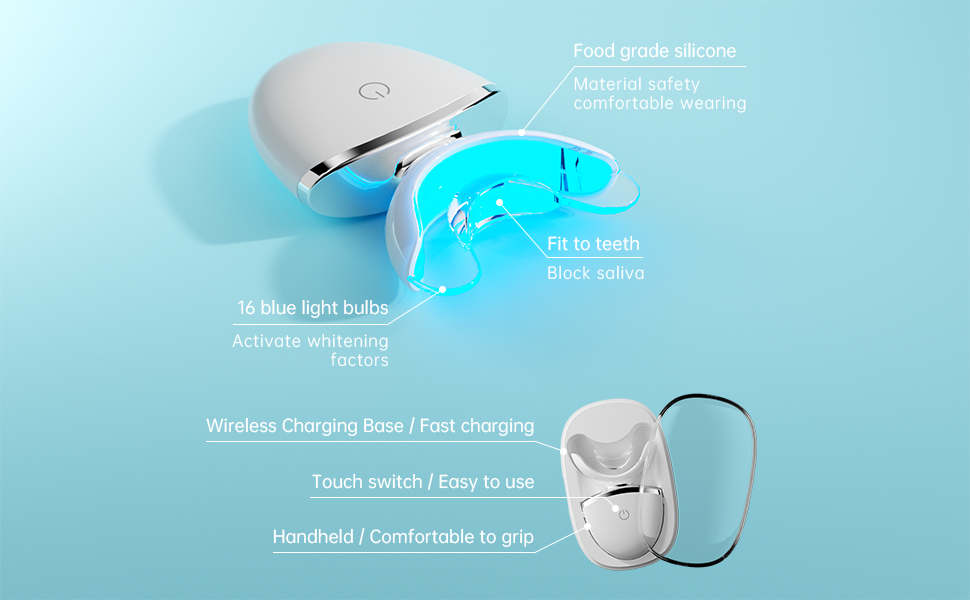
teeth whitening device tooling cost is a major capital decision for any brand that wants exclusive ID design or long-term private-label control. Although unit prices often receive the most attention, tooling investment determines quality stability, ownership structure, and speed to market. Therefore, procurement teams should evaluate the full financial picture before committing.
Injection molds, silicone tray tooling, fixtures, and test jigs usually form the core package. Moreover, PCB fixtures and packaging dies may also be required. Each element affects lifetime output, tolerance, and cosmetic quality. Consequently, cheaper tooling may limit surface finish options or shorten usable mold life, which then increases cost later.
Several factors shape the investment level. First, complex shapes, multi-material designs, and over-molding add to the bill. Second, target volume matters because higher-grade steel becomes economical when you expect longer production runs. Furthermore, fast-charging batteries and sealed waterproof structures require tighter tolerance, which also influences tooling choices. For reputable oral-care background guidance, you can review resources published by the FDI World Dental Federation at https://www.fdiworlddental.org.
In addition, brands should consider depreciation over the product lifecycle. A well-structured OEM agreement clarifies ownership, storage, maintenance, and scrap policy. You may also request preventive maintenance logs to protect production stability. To see common product bases that can be customized before tooling investment, visit https://www.powsmart.com/products.
During financial review, managers will often reference teeth whitening device tooling cost when comparing exclusive design versus semi-custom options, especially when entering new regions.
Therefore, it helps to separate tooling and unit pricing during negotiation. This improves visibility and reduces hidden amortization. Meanwhile, clear delivery milestones, pilot-run plans, and golden sample approvals ensure smoother mass production.
In the end, successful brands invest carefully and expect predictable returns. When you treat tooling as a strategic asset instead of a one-time expense, your product quality remains consistent and your lead time improves. Consequently, the best OEM partners support open communication, engineering advice, and lifecycle planning from the beginning of the project until production maturity. Every strong program starts with financial clarity around teeth whitening device tooling cost, and every long-term partnership finishes with the same principle: teeth whitening device tooling cost.
India corporate gift or Wedding gift toothbrush— which suits Diwali best for B2B programs?
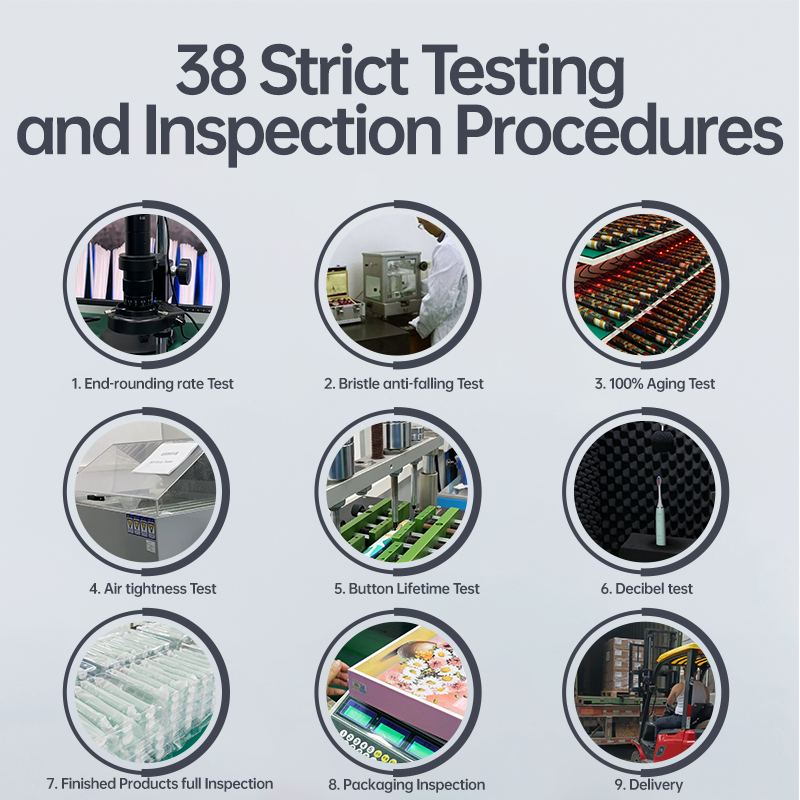
Unveiling the production of electric toothbrushes
.jpg)
Chicago Electric Toothbrush Supplier – Wholesale Quality from Chinese Factory
Electric Toothbrush for Facial Paralysis: Bell’s Palsy Care
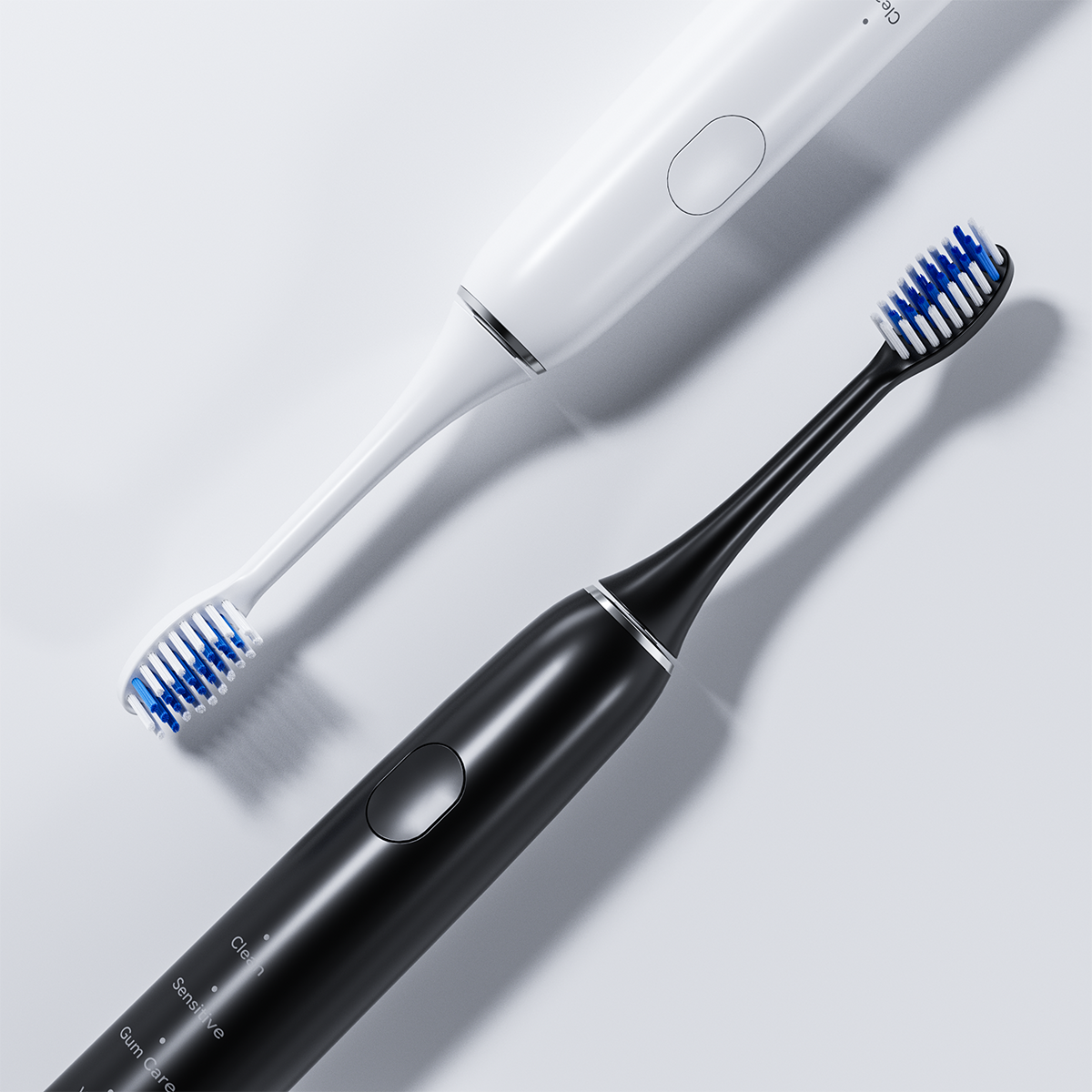
Magnetic Levitation Toothbrush Factory: Premium OEM Services
Rechargeable Sonic Toothbrush Exporter Serving Global B2B Markets
child fear water flosser introduction: kid-friendly tips
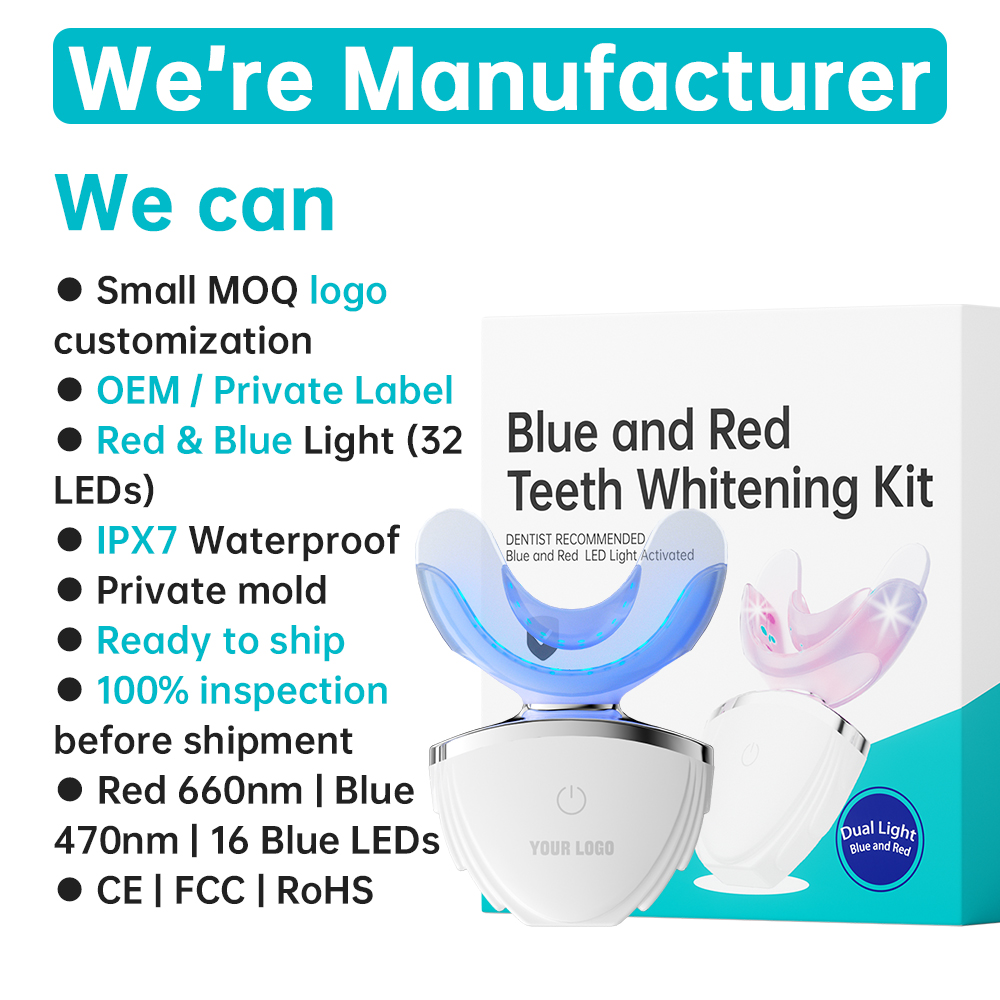
Should Depreciation Schedule Modeling Inform Your Trade-in Program for Upgrades?
Red Blue Light Oral Care Device B2B Solutions for Global Brands
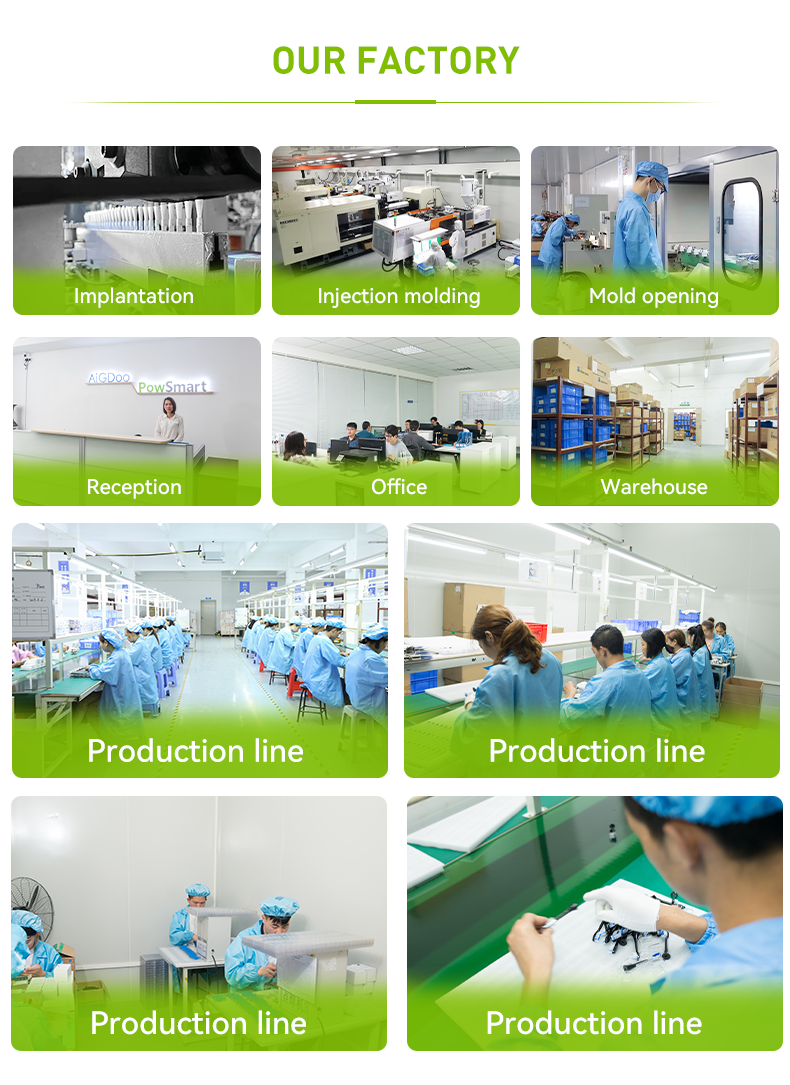
Why Pair an App-connected Whitening Device with Safe Hydrogen Peroxide Gel for Optimal Results?
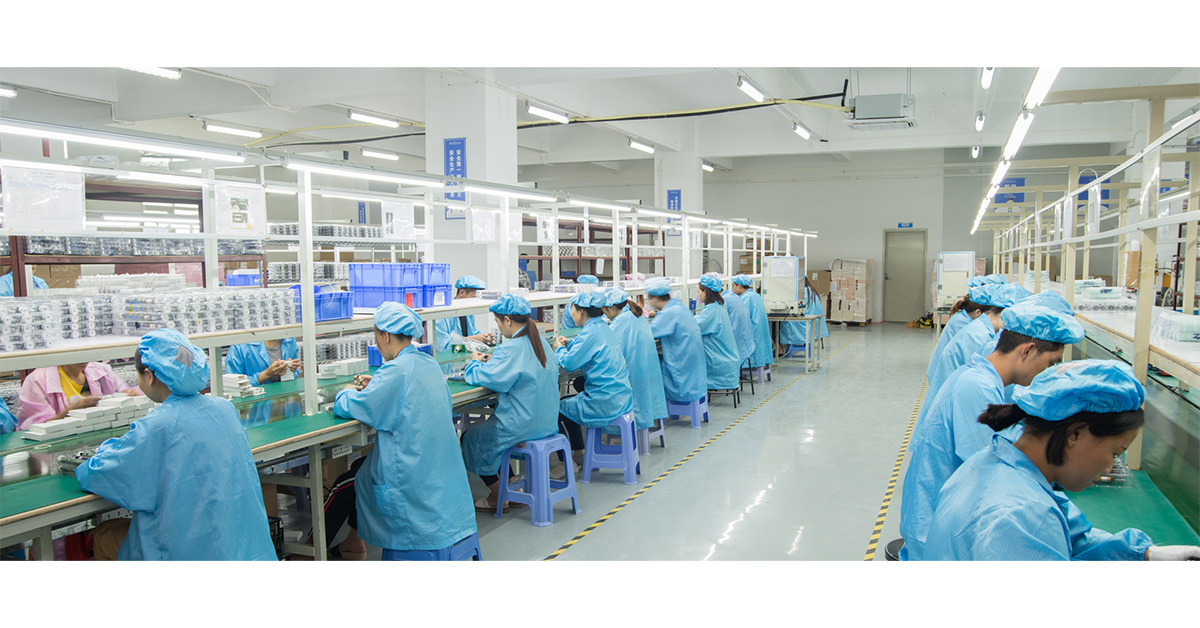
How to Deal with the Electric Toothbrush That Automatically Starts Up?
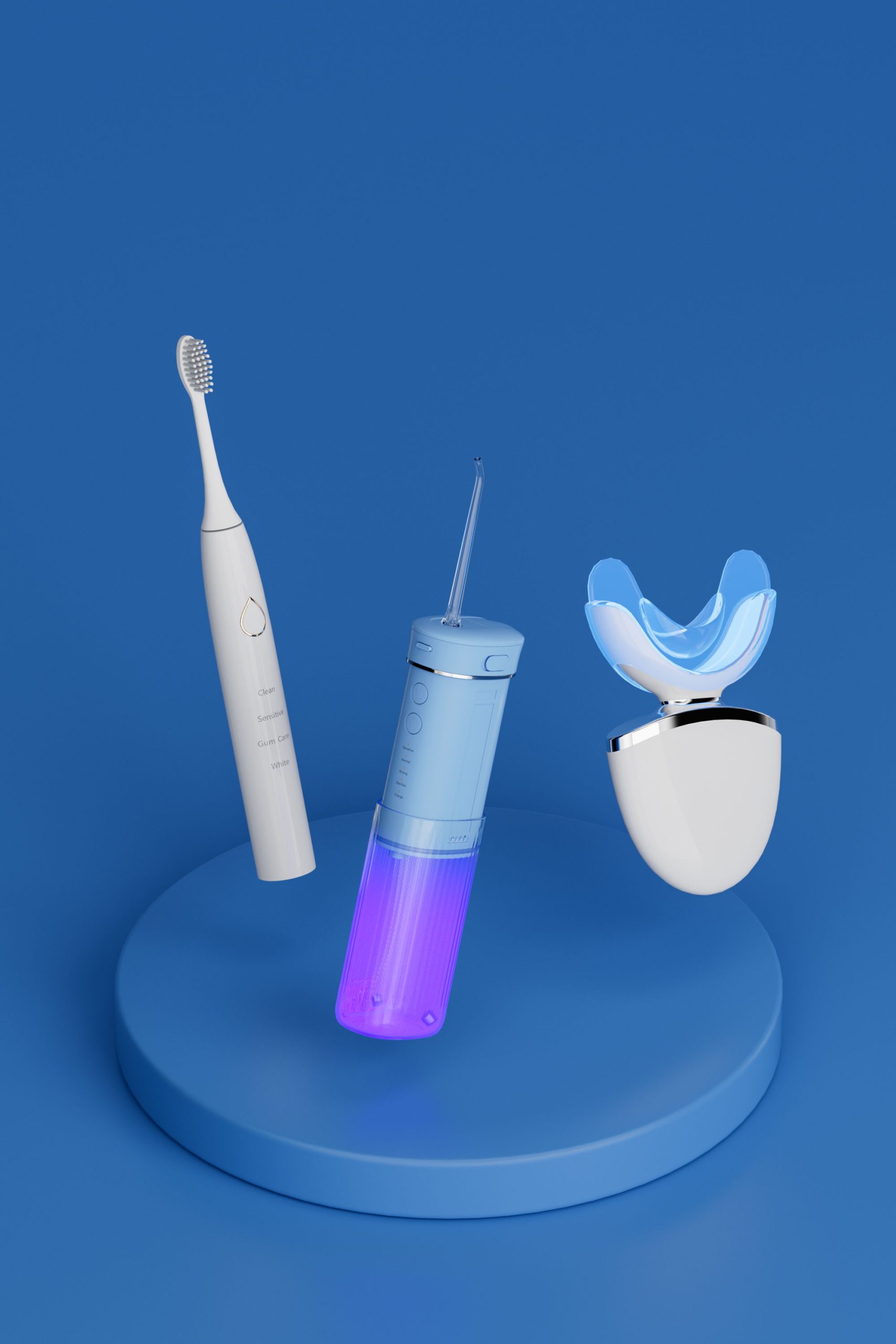
Dental Hygienist’s View on Water Flossers – Key Insights for OEM Product Development
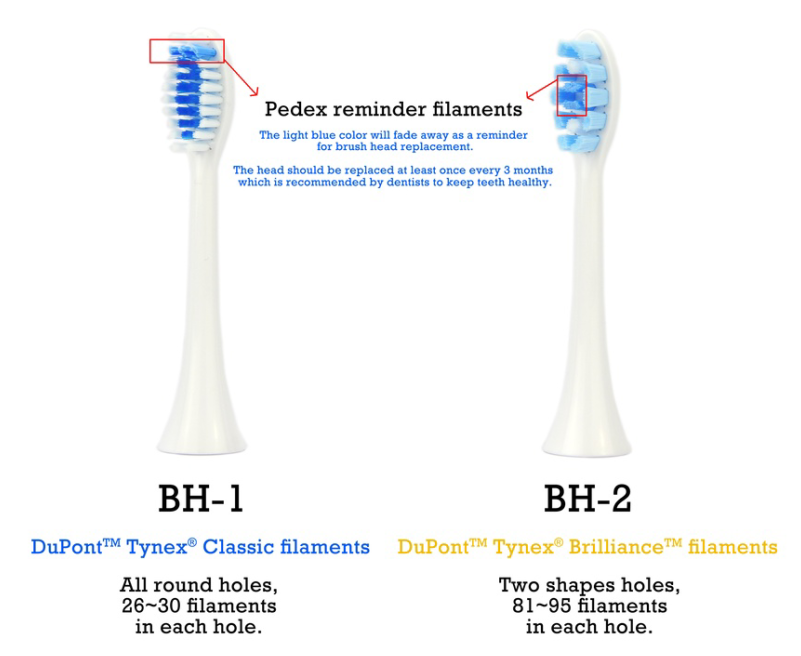
How to Install Electric Toothbrush Heads Correctly: Proper electric toothbrush head installation Guide for Brands and Users
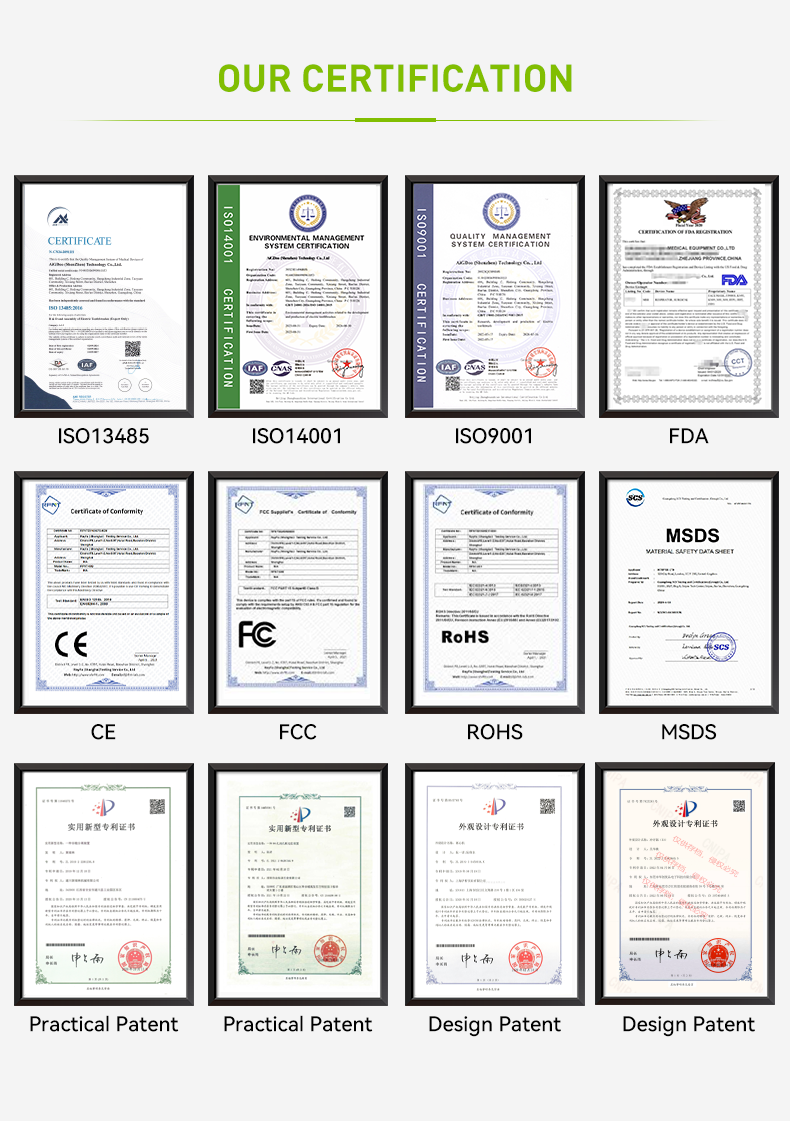
Seeking Rechargeable Toothbrush Contract Manufacturing and Portable Water Flosser Wholesale Pricing?
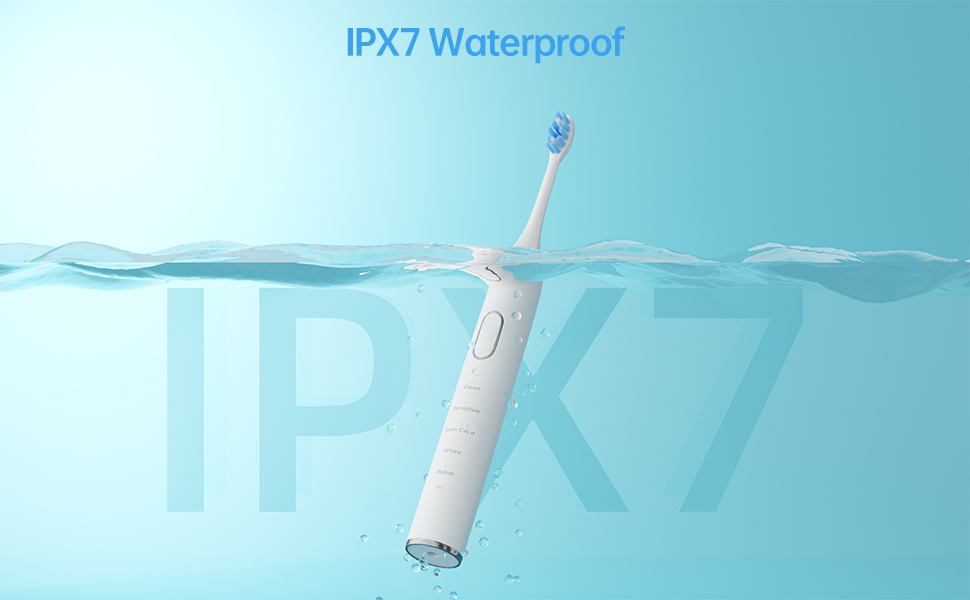
Is the Disinfection Stand for Electric Toothbrushes Useful? An OEM Analysis from the Factory
Why Integrate Patient-Reported Outcome Measures into Post-Market Surveillance Study?


.jpg)
.jpg)
.jpg)
.jpg)
.jpg)