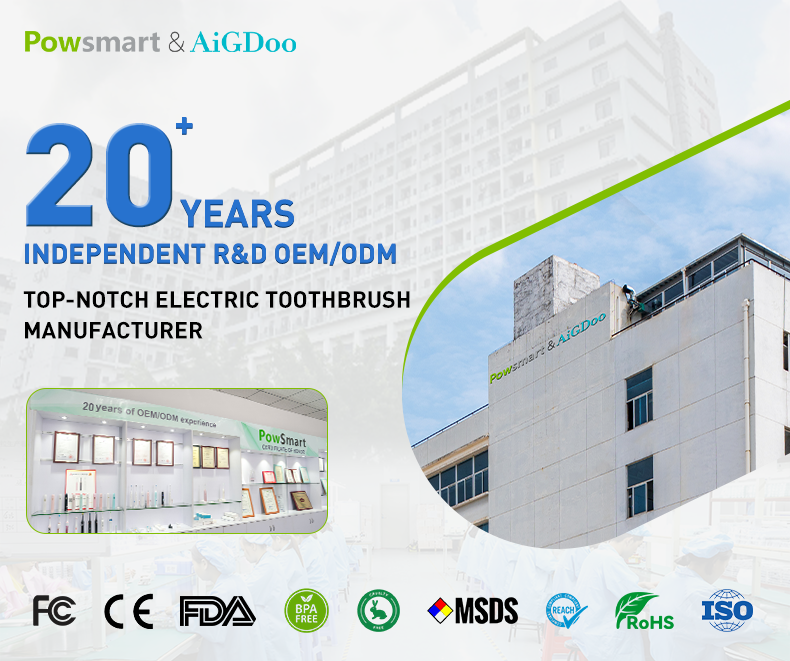
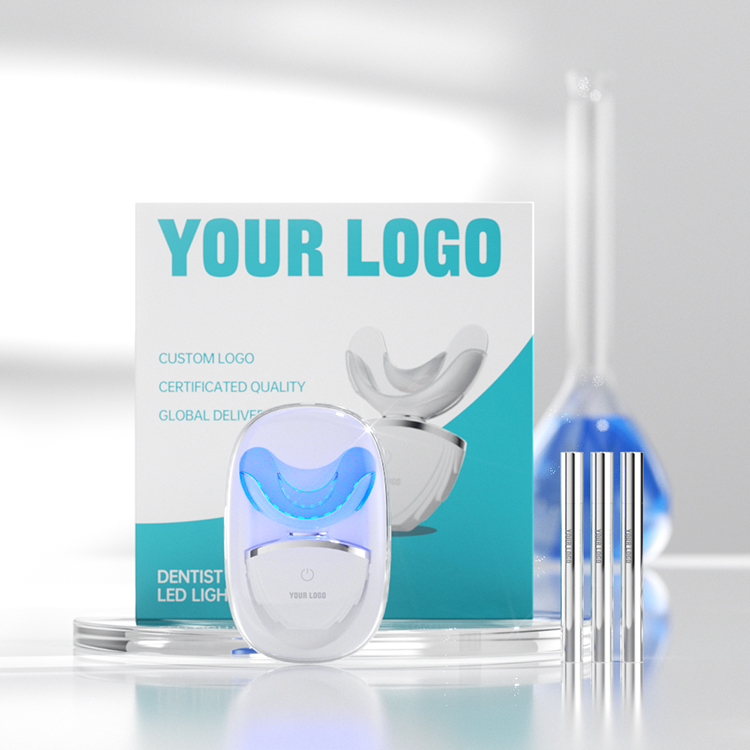
In the rapidly evolving manufacturing landscape, ensuring that your production line adheres to the latest Industry 4.0 standards is crucial for maintaining competitive advantage. This is especially true in the production of whitening products, where precision and efficiency are paramount. In this blog, we explore how Whitener Automated Assembly can be fully integrated with Industry 4.0 principles to optimize performance, enhance traceability, and drive continuous improvement. Below, we break down the key aspects into six detailed sections.
The integration of automation in the production of whitening products has revolutionized manufacturing processes. Whitener Automated Assembly leverages robotics, precision sensors, and data-driven workflows to streamline production. This evolution is not just about faster output—it’s about achieving a level of precision that manual assembly cannot match. With automation, each whitening unit is produced with consistent quality, reducing variability and ensuring that every product meets stringent standards.
Industry 4.0 represents a paradigm shift where digital technologies merge with manufacturing systems. Incorporating smart sensors, IoT devices, and real-time analytics, this new era allows manufacturers to monitor production processes in real time. For a Whitener Automated Assembly line, aligning with Industry 4.0 means seamless communication between machines, predictive maintenance, and data analytics that can identify bottlenecks before they become critical issues. The result is a smarter, more resilient manufacturing environment that can adapt to market demands quickly.
One of the standout benefits of Industry 4.0 integration in a Whitener Automated Assembly line is the transformation of quality control. With real-time data collection and advanced analytics, manufacturers can pinpoint defects or inefficiencies as they occur. This immediate feedback loop enables rapid corrective actions, ensuring that each whitening product meets the highest quality standards. Additionally, continuous monitoring helps in reducing waste, optimizing resource use, and ultimately lowering production costs.
In today’s competitive market, traceability is essential. Integrating Industry 4.0 technologies with Whitener Automated Assembly provides complete visibility across the entire production process.Tracking systems actively monitor and document every step—from raw material sourcing to final product delivery—ensuring full transparency. This not only helps in maintaining compliance with regulatory standards but also builds trust with clients by providing a clear audit trail. Enhanced traceability leads to improved accountability and smoother recall processes if needed.
Industry 4.0 automated assembly rapidly adjusts production via interconnected systems and real-time monitoring for market changes, new designs, demand shifts. For whitening products, this means that Whitener Automated Assembly lines can switch between different formulations or packaging styles without significant downtime. This operational flexibility not only increases efficiency but also reduces the time-to-market for new innovations.
Investing in Industry 4.0 integration is not just about addressing current challenges—it’s about future-proofing your operations. Industry 4.0-compliant automated assembly seamlessly integrates AI predictive analytics, AR maintenance, and blockchain traceability. This forward-thinking approach ensures that your Whitener Automated Assembly remains at the cutting edge of manufacturing, capable of adapting to future market trends and technological innovations.
In conclusion, ensuring that your whitening product manufacturing is truly aligned with Industry 4.0 standards is essential for long-term success. Through the strategic integration of advanced automation in the Whitener Automated Assembly process, manufacturers can achieve unparalleled quality, efficiency, and flexibility. Modern technologies empower companies to enhance operations, fuel innovation, and deliver superior products with lasting trust.https://www.powsmart.com/about-powsmart/

.jpg)
Why Do Design Flaws Cause Gum Injury in Water Flossers?
What types of batteries are currently available for electric toothbrushes?
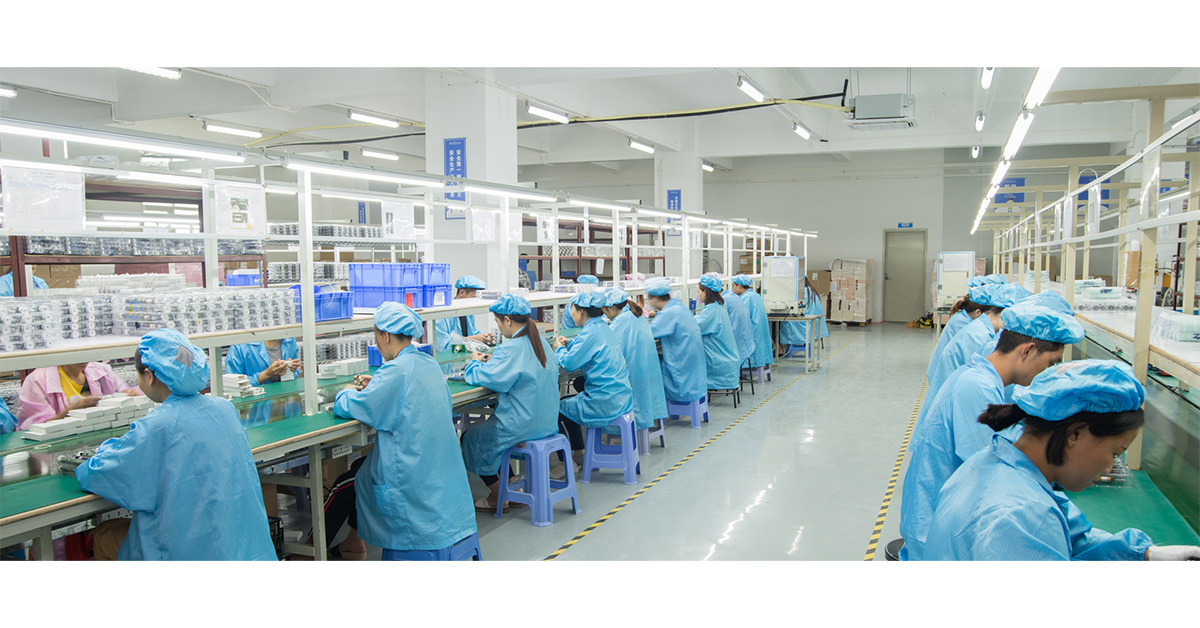
How Water Flosser is Made: China Factory Visit
.jpg)
Water Flosser competitive Features That Cause Premium Pricing: What Brands Should Look For in Manufacturing
Custom Texas Lone Star Electric Toothbrush
The Hidden Engine for Your Oral Care Brand’s Growth
Whitening Gel Compatibility Device — OEM/ODM Considerations for Global Brands
Electric Toothbrush with Replaceable Heads – Cost-Effective and Sustainable B2B Oral Care Solution
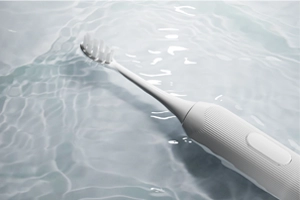
Luxury Electric Toothbrush OEM: Premium Materials and Finishes
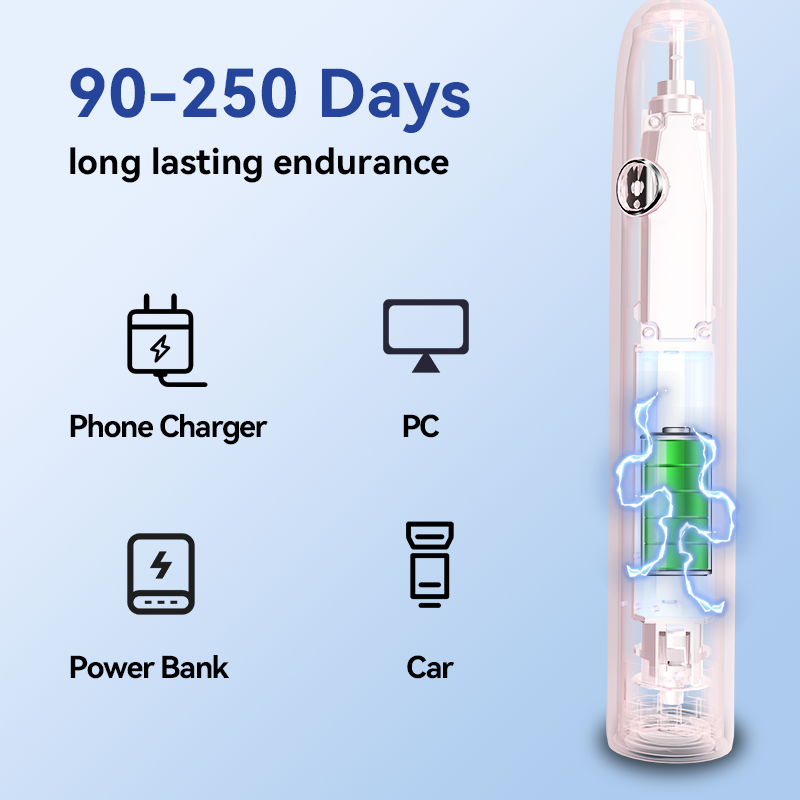
Seeking an eco-friendly toothbrush from a bamboo toothbrush factory?
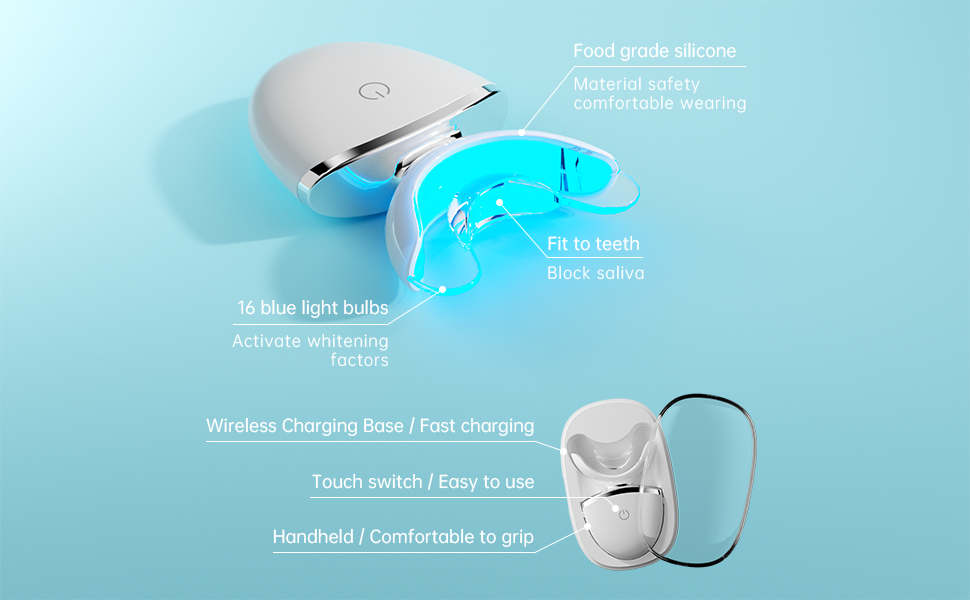
Affordable Innovation: Unlocking OEM LED Teeth Whitening Kit Costs for Your Brand
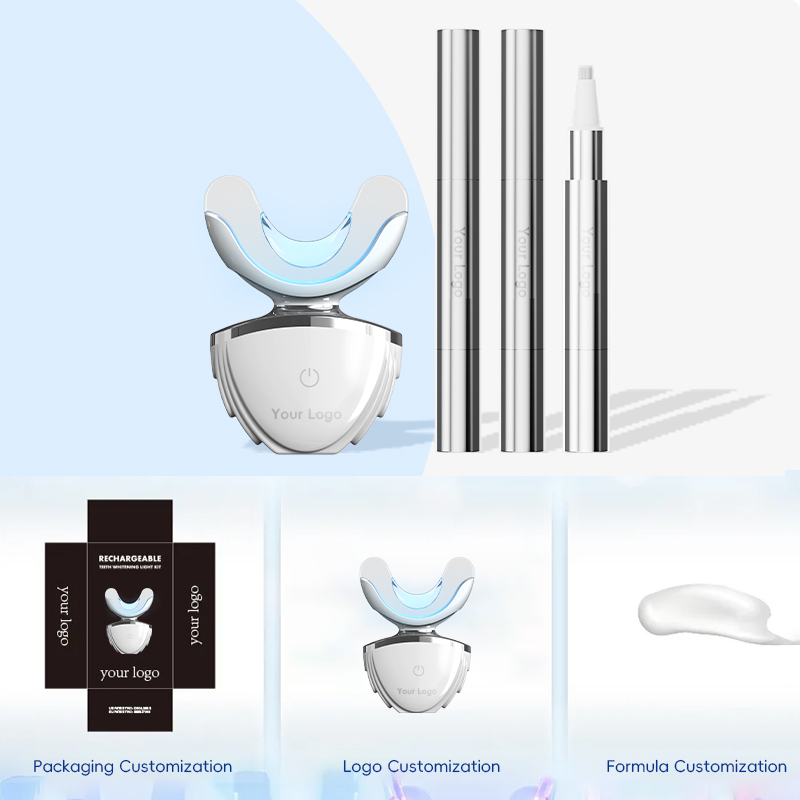
What is the Future Market Prospect of LED Teeth Whitening Products?
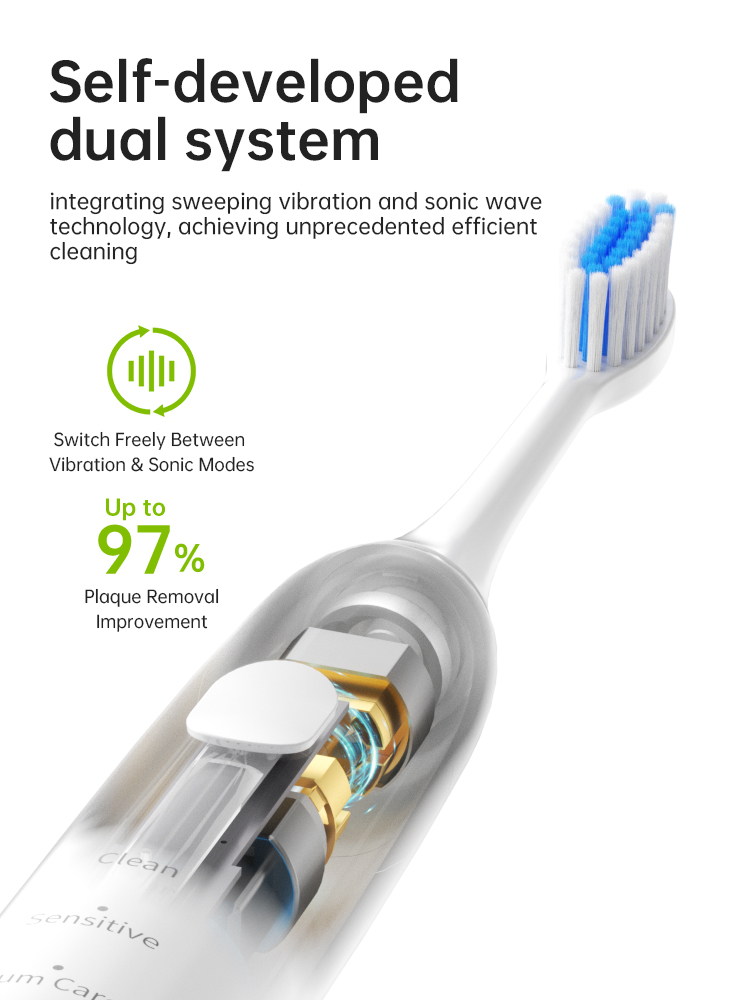
How Is Whitening Device Safety Ensured in a Portable Whitening Kit?
direct-to-consumer oral care brands
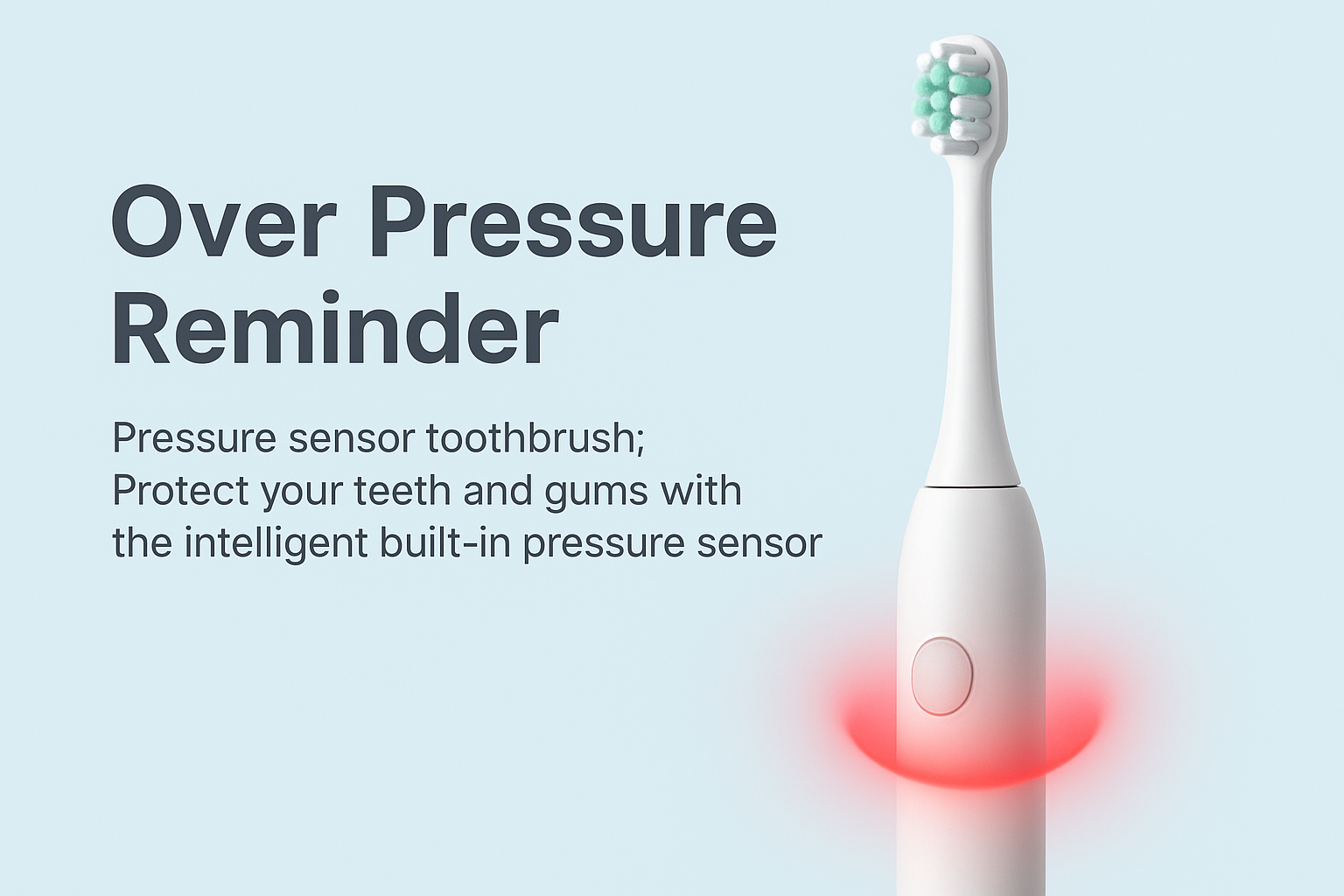
Are the Integrated Invisible Buttons of the Electric Toothbrush Good or Bad?
Head Detachment During Lip Abrasions – Design Fault?


.jpg)
.jpg)
.jpg)
.jpg)
.jpg)