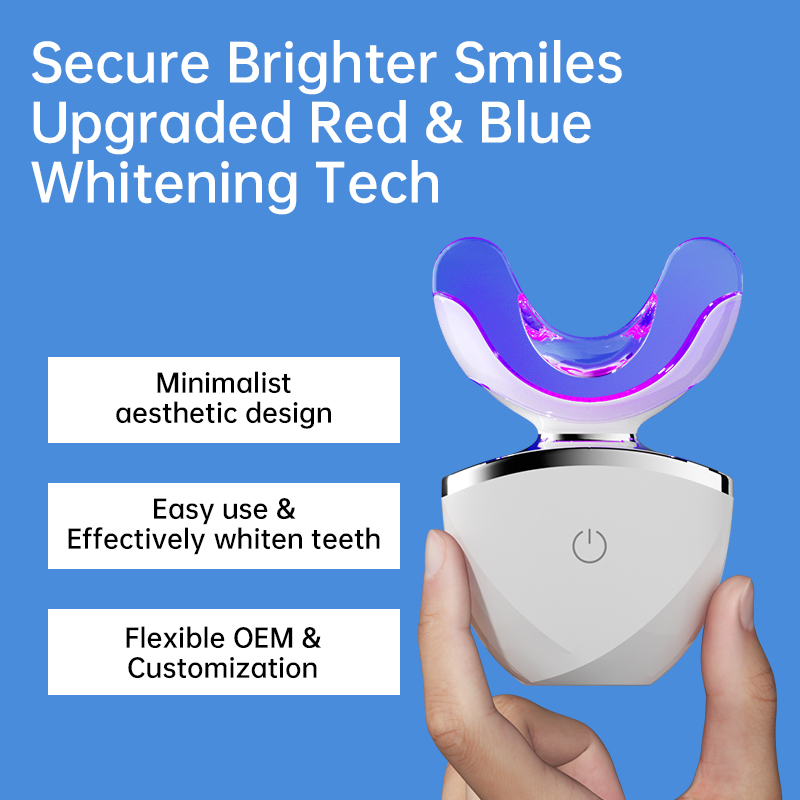
Teeth whitening is one of the fastest-growing segments in oral care, with consumers demanding fast, visible, and safe results. For brand owners, developing an effective and safe whitening system requires not only advanced formulations but also seamless integration of teeth whitening equipment and gel. The impact and importance of using compatible teeth whitening equipment and gel: compatibility ensures safety, efficacy, and a consistent user experience.
At the core of product development lies whitening system compatibility. When equipment and gel work together, several issues may arise:
Reduced efficacy: Poor interaction between light source and gel can result in uneven or limited whitening results.
Safety concerns: Non-matching systems may increase risks such as gum irritation or tooth sensitivity.
User dissatisfaction: Inconsistent outcomes often lead to negative feedback and low brand loyalty.
By ensuring that gels are formulated to activate under the specific wavelengths or heat levels of the device, manufacturers can maximize both safety and results.
The key advantage of pairing teeth whitening equipment and gel is the synergistic effect achieved when both are optimized for one another. For example:
Light-activated gels: Designed to respond to LED wavelengths for faster whitening.
Temperature-controlled equipment: Helps accelerate peroxide breakdown without causing enamel damage.
Precise timing functions: Ensure gel exposure remains safe and effective.
This synergy not only improves whitening results but also reinforces consumer trust in the brand.
When creating an OEM whitening kit, brand owners should work closely with manufacturers to integrate the following:
Device and gel compatibility testing: Laboratory validation ensures the system performs consistently.
Custom formulations: Gels can be adjusted in peroxide concentration, viscosity, and sensitivity-reducing additives to align with device performance.
Packaging and branding: OEM kits can be tailored with unique designs, logos, and instructions to enhance market differentiation.
An OEM approach allows brands to launch products that are both unique and market-ready while leveraging proven manufacturer expertise.
Developing effective and safe whitening systems with compatible equipment and gel offers significant benefits for oral care brands:
Regulatory compliance: Meeting international safety standards boosts consumer confidence.
Brand reputation: Reliable results and safety encourage customer loyalty.
Competitive positioning: Differentiation through advanced system design gives brands an edge in the whitening segment.
These advantages highlight why investing in system compatibility and OEM design is a strategic move for long-term growth.
The impact and importance of using compatible teeth whitening equipment and gel lies in achieving consistent, safe, and high-performing results. By prioritizing whitening system compatibility and leveraging OEM whitening kit design, brands can deliver products that offer a true synergistic effect. Partnering with experienced manufacturers ensures the development of effective and safe whitening systems, ultimately strengthening market presence and consumer trust.
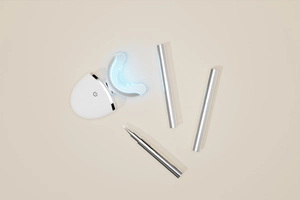
Collaborative Development of Red and Blue Light Teeth Whitening Gel Formulas: How to Increase Whitening Efficiency by 3 Times?
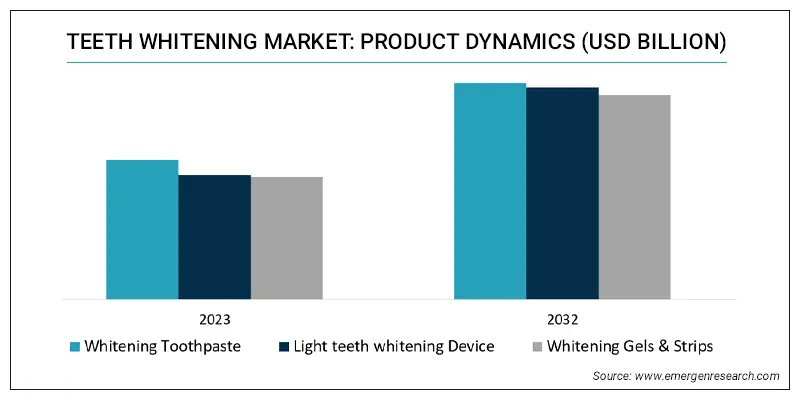
Analysis of Teeth Whitening Device Market Trends: The Functions and Designs That Consumers Will Pay Most Attention to in 2025
How Does a Photobleaching Catalyst Interact with Optical Brighteners in Advanced Whitening Formulations?
.jpg)
Does Teeth Whitener Cold Light Radiation Accelerate Enamel Demineralization? Lab Results Revealed!
Five Key Points in Quality Control of Blue Light Teeth Whitening Device: How to Ensure LOW Defects in Products?
Child Compatibility Meets Cold Light Sensitivity: Safe?

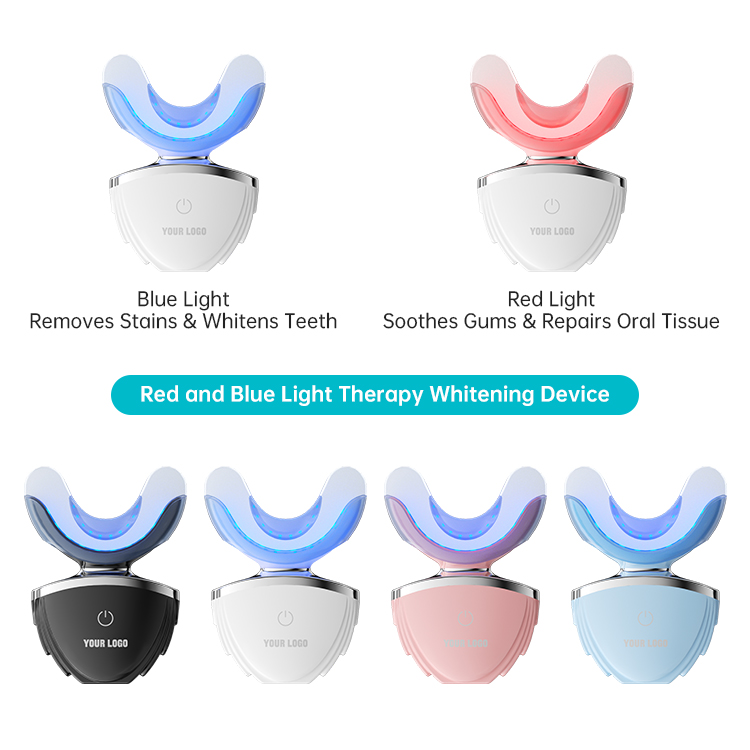
The Role of Blue and Red Light in Teeth Whitening Devices You Should Know
teeth whitening device OEM supplier
.jpg)
Wireless Inductive Charging Polishing Electric Toothbrush manufacturers
.jpg)
Factory Supplier for Waterproof Sonic Toothbrushes
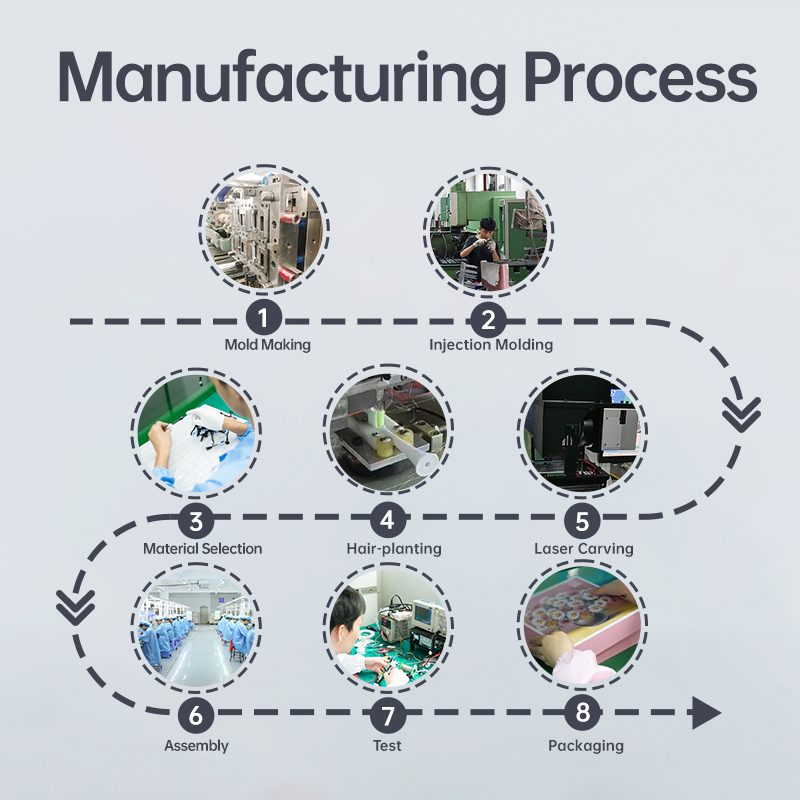
A Guide to the Entire Process of OEM Teeth Whitening Device: Detailed Explanation of Every Step from Design to Mass Production

The Rising Market Potential of At-Home Teeth Whitening Devices
-3-scaled.png)
Home vs. Professional Red and Blue Light Teeth Whitening Devices: Wavelength Stability and Energy Density Comparison
New Technical Possibilities for Wireless Teeth Whitening Devices
How to Choose a High-Quality LED Light Source for teeth Whitening Device? Factory Material Selection and Testing Standards
How Long Should I Use Blue Light on My Teeth? OEM Manufacturer’s Guide


.jpg)
.jpg)
.jpg)
.jpg)
.jpg)






.jpg)