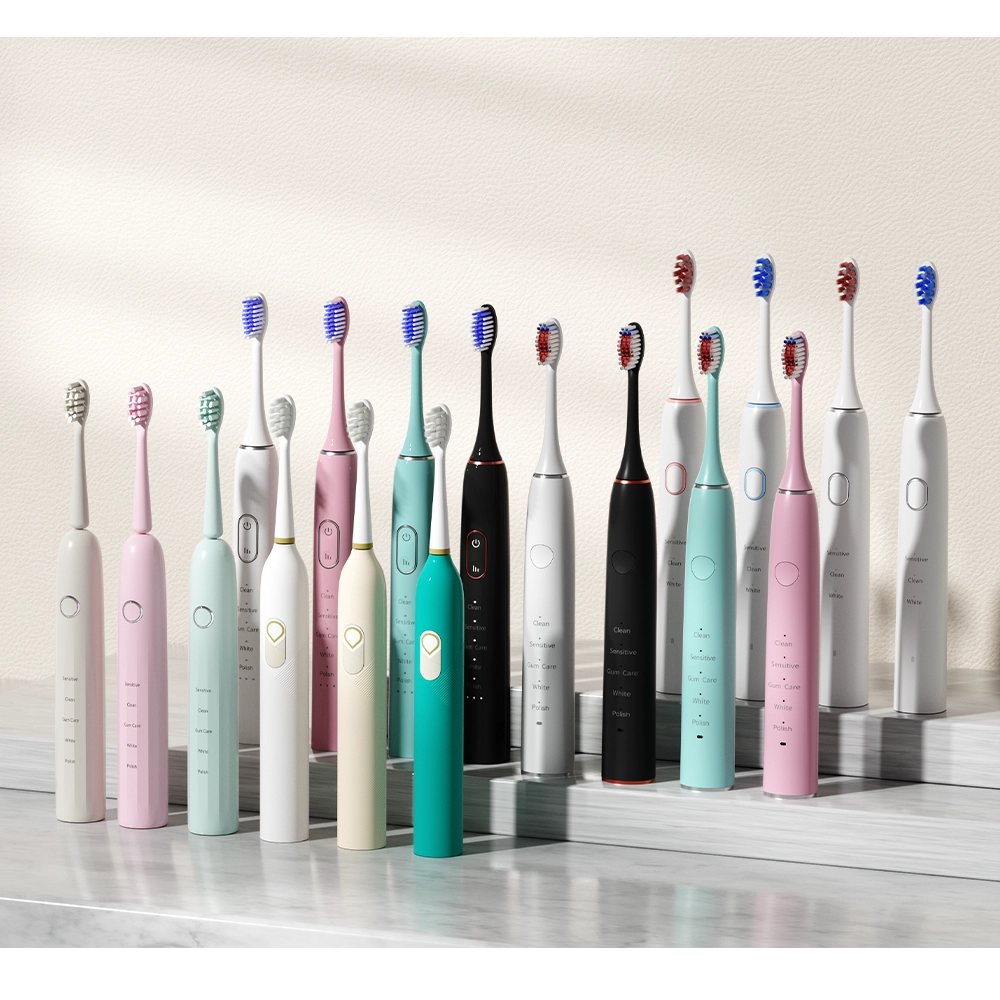
When patients ask whether an orthodontic brush truly simplifies braces care, the short answer is: yes — but only when product design, clinical guidance and commercial support align. In this article we walk B2B partners through the clinical benefits, design trade-offs, and go-to-market tactics that make an orthodontic brush (especially as an electric brush head option) a practical, time-saving solution for clinicians and a compliance booster for patients.
First and foremost, an orthodontic brush is engineered to reach the unique geometry around brackets, wires and bands. Consequently:
Importantly for B2B buyers, electric handles paired with orthodontic brush heads multiply benefits: sonic motion dislodges biofilm while a tailored head directs bristles under and around wires. Thus, the orthodontic brush + electric motor combination often outperforms manual brushes for braces care.
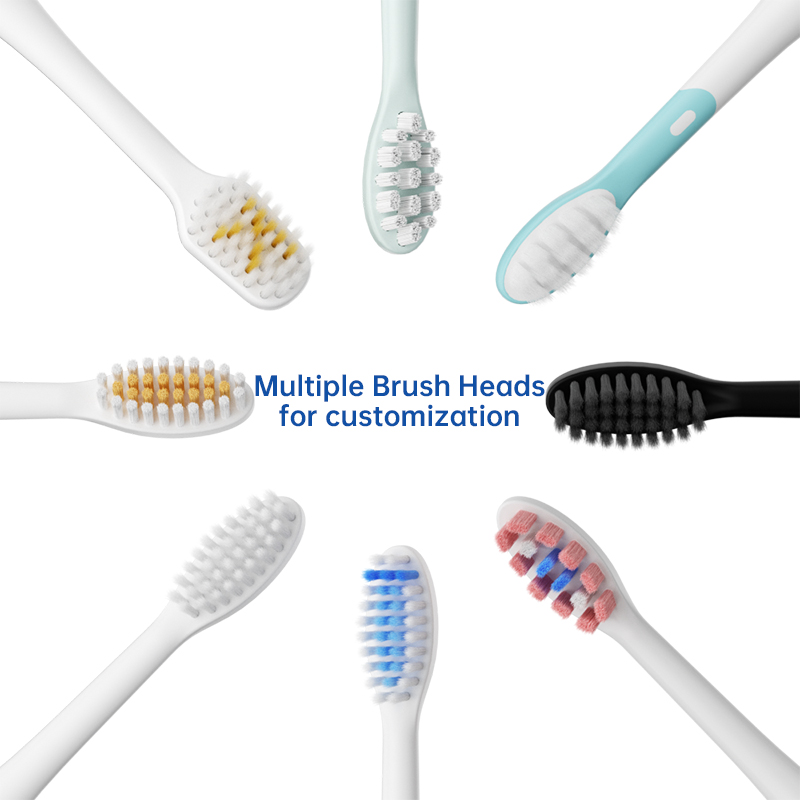
Design choices directly affect real-world performance. Key considerations include:
Consequently, manufacturers should prototype multiple head shapes and run clinician-led usability tests to validate which geometry delivers consistent plaque reductions on orthodontic models.
An orthodontic brush only simplifies care if clinicians integrate it into their workflow and patients adopt it correctly.
Therefore, B2B partners should package not just the brush head but also the training, patient materials and clinic analytics to drive sustained use.
Beyond clinical performance, B2B buyers must evaluate manufacturing scalability, certification and margin dynamics:
In sum, an orthodontic brush—particularly when delivered as a purpose-built head for electric handles—does simplify braces care by improving cleaning efficacy, reducing patient technique dependence, and decreasing clinic rework. Nevertheless, success requires a coordinated B2B approach: thoughtful product engineering, clinician education, validated clinical outcomes, and smart commercial packaging. When those elements align, orthodontic brushes become a powerful value driver for manufacturers, distributors and dental practices alike.
If you’d like, I can: (A) draft a clinic demo script and patient leaflet; (B) outline a braces-mode firmware spec; or (C) create an OEM cost/ tooling checklist tailored to orthodontic brush heads. Which option do you prefer? Contact us
.jpg)
Bellevue Wholesale Electric Toothbrush
Cost-Benefit Analysis: Private Label vs. Full Custom OEM Electric Toothbrushes
Where to Source Dental Lab Supplies?
.jpg)
Why Combine Custom Logo Electric Toothbrush Services with Toothbrush Head Replacement OEM for Recurring Revenue?
Brush + Flosser Combo Electric Toothbrush Wholesale
Subscription Model for Oral Care: OEM Strategies for Brush Head Replacement
How Do I Know When My Toothbrush Is Fully Charged? OEM Solutions for Clear Indicators
.jpg)
Why Is Smart Toothbrush APP Development Crucial for Rechargeable Toothbrush Battery Optimization?
What Electric Toothbrush Do Periodontists Recommend? Insights for OEMs
Brushing 3 Times a Day? How Brands & OEMs Can Educate for Better Oral Health
Orthodontic Care Electric Toothbrush OEM
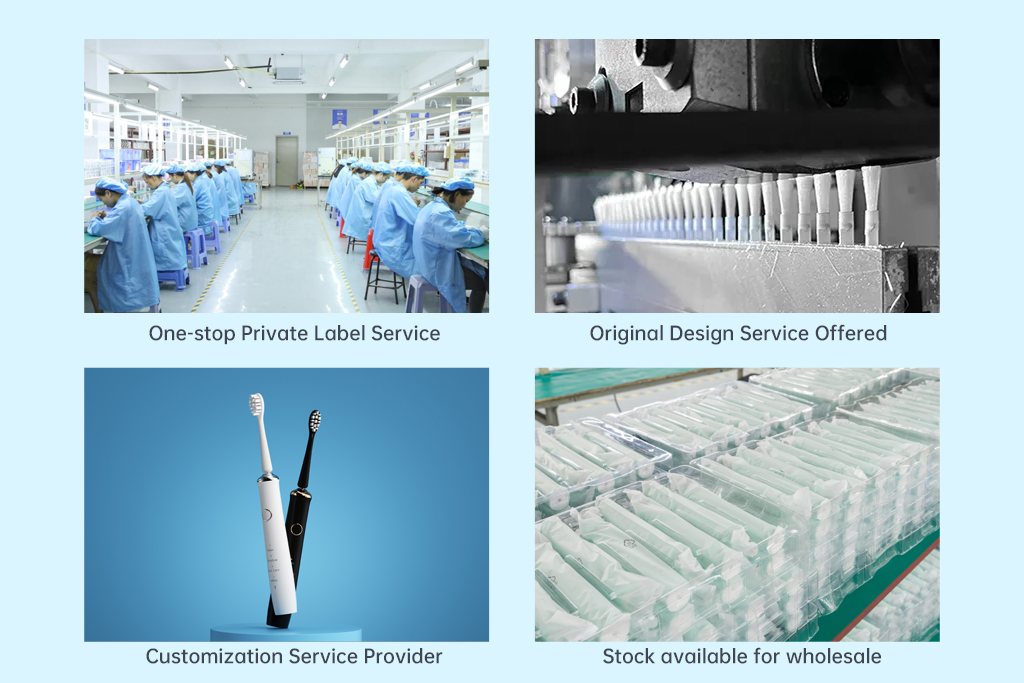
Targeting Wholesale & Distribution Channels for Electric Toothbrushes
Electric Toothbrush with Wireless Charging OEM
Marketing Support from OEM Partners: Beyond Manufacturing
.jpg)
Why is Sonic technology essential for a Kids toothbrush?
Mother’s Day Dental Care Gift Packages WA | Wholesale Supply


.jpg)
.jpg)
.jpg)
.jpg)
.jpg)






.jpg)