In today’s smart electronic devices—whether in personal care, medical equipment, or industrial tools—two frequently underestimated problems, Bluetooth Disconnect and Stream Splitting, can silently compromise device precision. These issues, when occurring separately, already pose performance challenges; when they appear together, they create a hidden but serious threat to the accuracy and reliability of data transmission, sensor feedback, and user control. Manufacturers must understand this dual risk to ensure consistent product quality and maintain customer trust.
Bluetooth Disconnect refers to the unexpected interruption of wireless communication between devices, such as a main unit and its controller, a smartphone, or other smart accessories. Such disconnections can be triggered by signal interference, insufficient firmware stability, or limited antenna performance.
When Bluetooth Disconnect happens during real-time data exchange—like streaming sensor readings or sending control commands—the device may enter error states, lose synchronization, or require a reset. In high-precision products like health monitors, grooming devices, or smart industrial tools, these disruptions directly reduce functional accuracy.
Stream Splitting is a less obvious but equally dangerous issue, describing the unintentional separation or fragmentation of a continuous data stream into disjointed packets or signals. This may result from bandwidth overload, buffer mismanagement, or codec mismatches in the communication system.
For example, an audio device experiencing Stream Splitting might deliver distorted sound; a measurement tool could record broken sensor data; a motorized device might receive interrupted speed or torque instructions. Such fragmented data undermines device precision and reliability.Company web:https://www.powsmart.com/product/electric-toothbrush/
While Bluetooth Disconnect and Stream Splitting are technical issues from different layers—connectivity and data handling—they often act together to degrade overall device performance:
Several design and operational factors make devices susceptible to both Bluetooth Disconnect and Stream Splitting:
To reduce the risks that Bluetooth Disconnect and Stream Splitting pose together, OEM/ODM manufacturers should consider:
The combined occurrence of Bluetooth Disconnect and Stream Splitting represents a subtle but dangerous threat to device precision, particularly in products that rely on real-time data and control accuracy. If not properly addressed, these twin faults can cause inconsistent performance, user confusion, and even safety risks in critical applications.
For B2B manufacturers, early identification of these risks during design, rigorous RF and data flow validation, and firmware resilience are essential strategies to ensure that the end-user experiences seamless, precise, and trustworthy device operation. Only with such proactive measures can brands maintain a competitive edge in a market demanding both innovation and reliability.Contact us
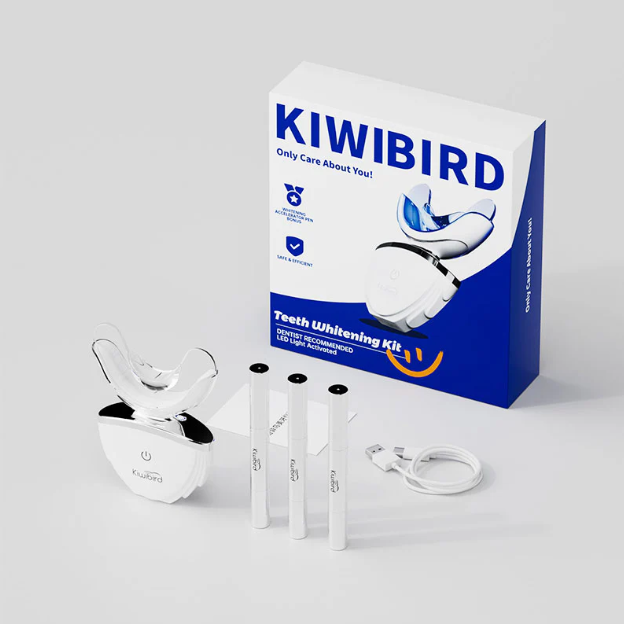
Five Key Points in Quality Control of Blue Light Teeth Whitening Device: How to Ensure LOW Defects in Products?
.jpg)
Electric Toothbrush Durability Testing Standards for OEM Manufacturing
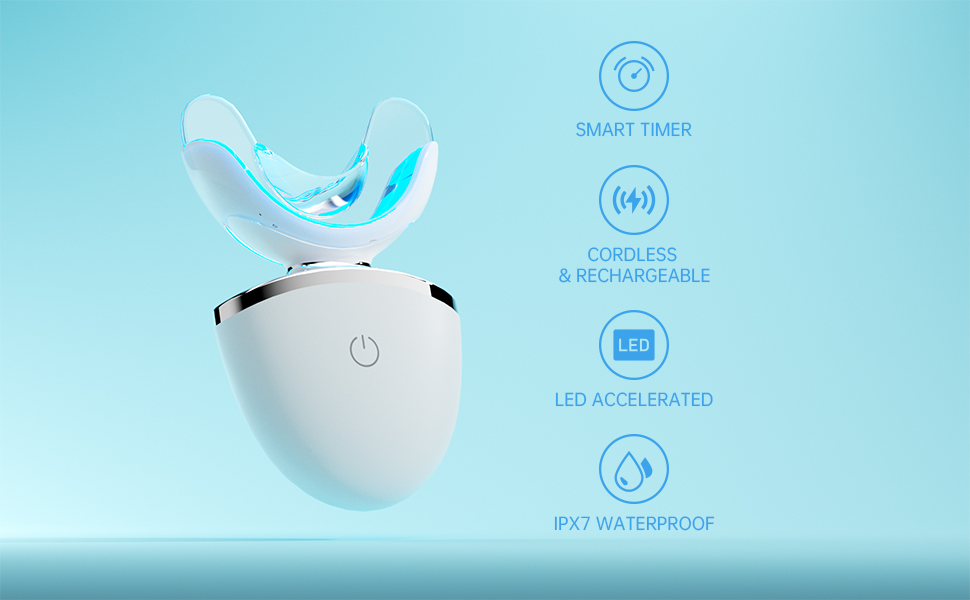
Three Tips on Starting Your Teeth Whitening Business with the Right OEM Partners
Chemical Residues Triggering Throat Irritation – Toxic?
.jpg)
An Essential Ingredient for Success in the Dental Care Brand Business
Are Runtime Drop and Thermal Failure Related?
Whitening Device Production MOQ — How Importers Plan Order Strategy
Motor Resonance Causing Indicator Failure?

How to Ensure That a Factory’s Quality Control Process is Strict and Standardized
Why is an FDA Certification Strengthened by a Clinical Test Report?
Low-Noise Sonic Toothbrush Wholesale – Quiet Performance for Global Markets
Is Your Electric Toothbrush Losing Power Too Fast?
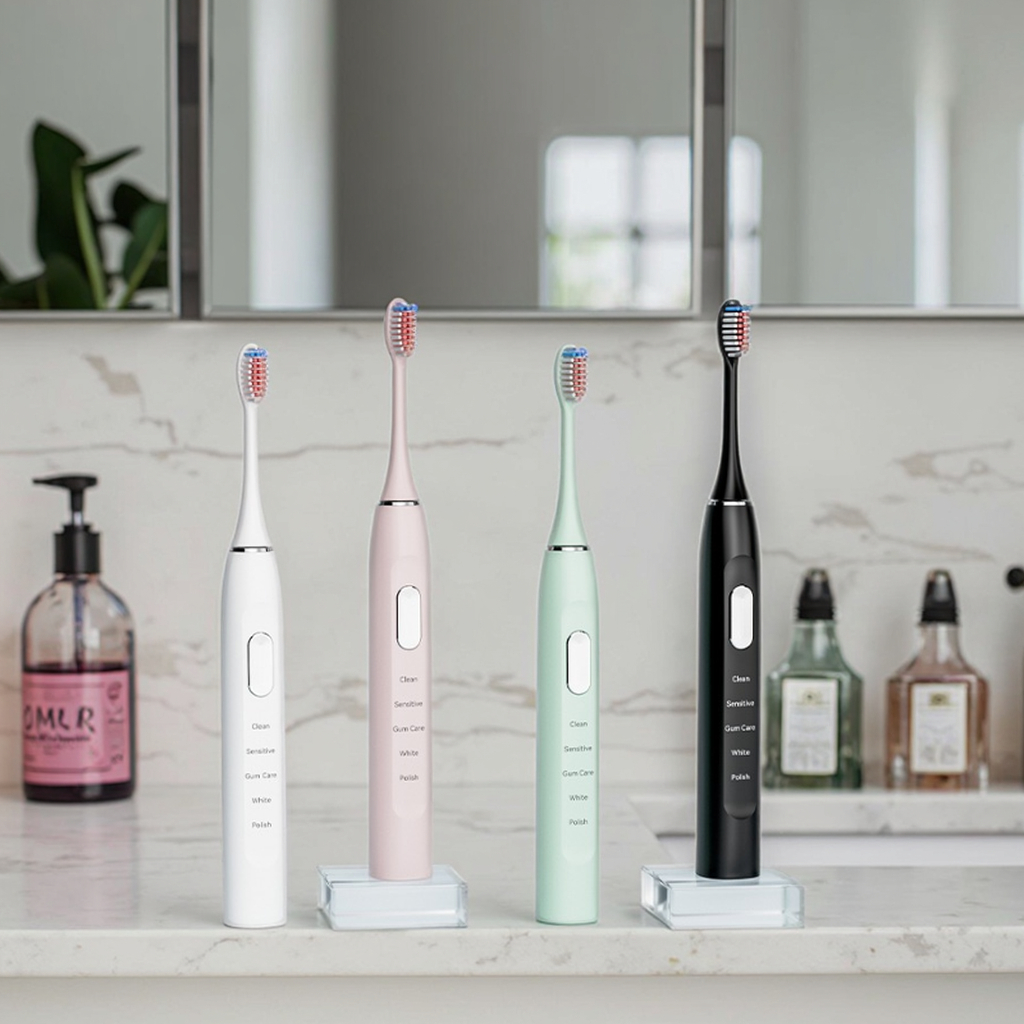
How Do Toothbrush Design Services Accelerate Toothbrush Prototype Development?
Private Label Sonic Toothbrush Seattle Retailers | Reliable Manufacturer
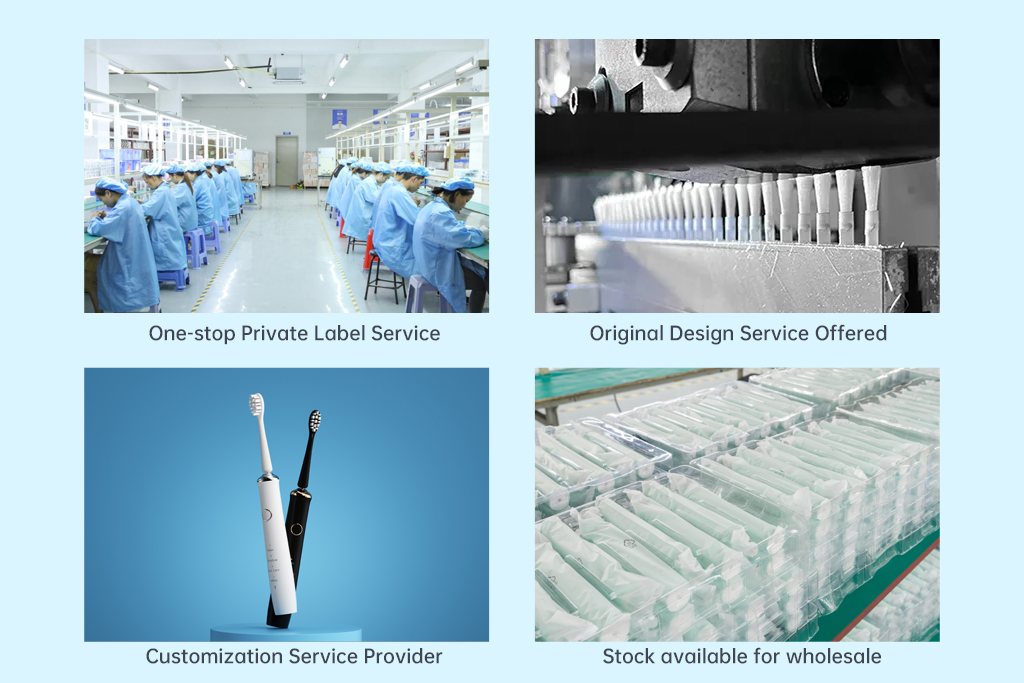
How to Find an Electric Toothbrush Factory with Strong Comprehensive Capabilities
Customizable Sonic Toothbrush OEM – Personalized High-Performance Designs for Global Brands


.jpg)
.jpg)
.jpg)
.jpg)
.jpg)






.jpg)