
In LED whitening devices, Bio-compatible Housing Materials play a crucial role in improving both device safety and performance. One of the key optical challenges that manufacturers face when designing these devices is Chromatic Aberration—the distortion of light that can occur due to imperfections in lens or housing materials. By selecting the right bio-compatible materials for the housing, manufacturers can reduce this optical distortion and enhance the effectiveness of LED-based whitening treatments.
Chromatic Aberration occurs when different wavelengths of light focus at different points, creating a blurry or colored edge around the light beam. In LED whitening devices, this distortion can lead to uneven application of whitening light, affecting the device’s overall efficacy. Bio-compatible Housing Materials with optical clarity can help minimize this aberration, ensuring that light is uniformly focused on the teeth for optimal whitening performance.
LEDs in whitening devices emit light across a broad spectrum, but their effectiveness relies on the precision of that light being directed to specific areas. Bio-compatible Housing Materials with high optical integrity prevent the scattering or bending of light waves, which can contribute to Chromatic Aberration. This ensures that the light is evenly distributed, maximizing the whitening effect without compromising user safety.
For manufacturers, selecting Bio-compatible Housing Materials offers a dual benefit: not only do these materials minimize Chromatic Aberration, but they also enhance the long-term durability of the device. These materials resist degradation from prolonged exposure to UV light, ensuring that the LED light remains stable over time and continues to deliver consistent whitening results without distorting the light path.
Users often expect noticeable whitening effects after using LED devices. Chromatic Aberration can cause uneven whitening by scattering light, leading to suboptimal results. With Bio-compatible Housing Material designed to reduce such distortion, the device delivers more precise.
Incorporating Bio-compatible Housing Material not only improves the optical performance of LED whitening devices but also aligns with sustainability goals. Many bio-compatible materials are eco-friendly, non-toxic, and designed to meet high standards for both user health and environmental impact. This ethical approach is increasingly important to consumers and manufacturers alike.
When designing advanced whitening devices, manufacturers must ensure that all components work harmoniously. By using Bio-compatible Housing Materials, it’s possible to better integrate various technologies. This integration helps prevent light distortion caused by conflicting materials or structural inconsistencies, further minimizing Chromatic Aberration. Contact us
.jpg)
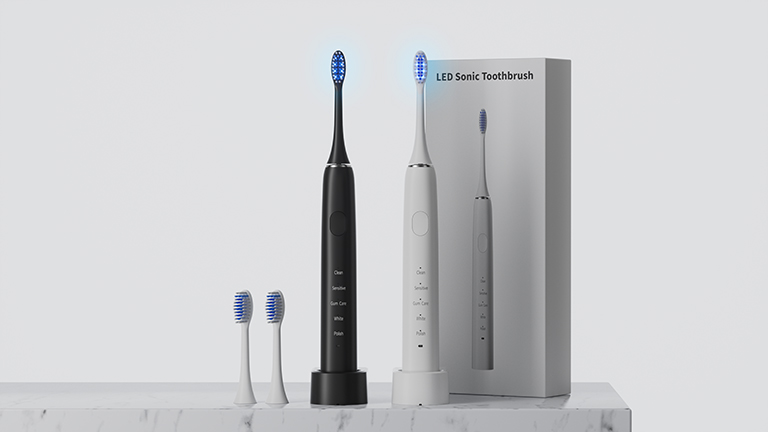
LA Affordable Toothbrush – Budget-Friendly Oral Care
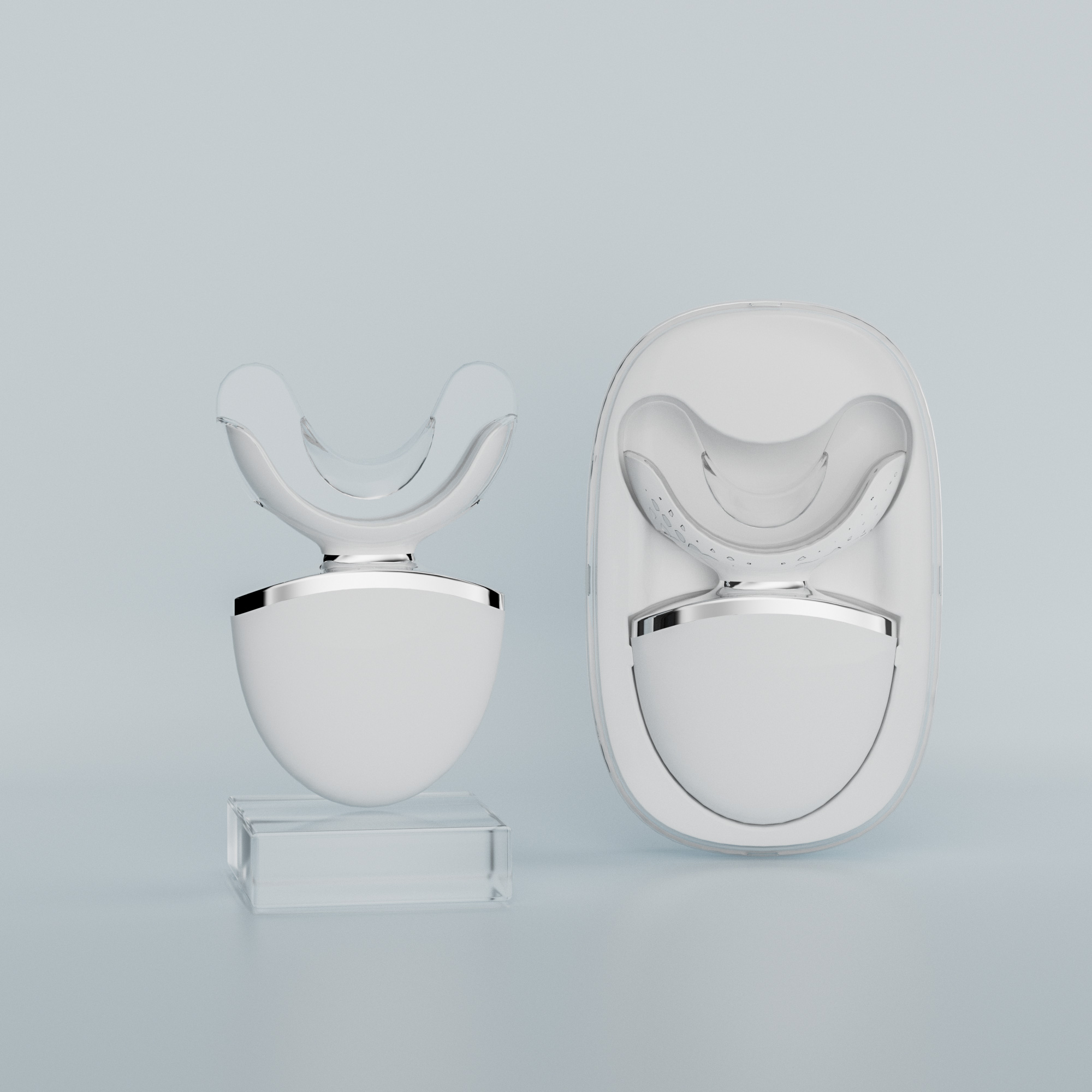
Custom Details of the Teeth Whitening Kit
Does an orthodontic brush simplify braces care?
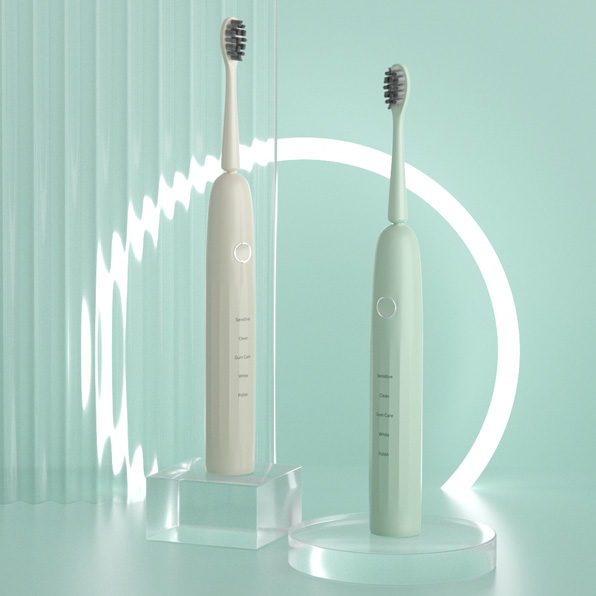
Corporate Wellness Electric Toothbrush OEM: Employee Health Programs
Teeth Whitening Kit Low MOQ Manufacturing for Brand Testing and Scaling
Electric Toothbrush Export Factory for Global OEM Buyers
Life cycle of Electric Toothbrushes! Its Components and Effects
The Core Benefits of Brand Owners Promoting Water Flossers and How to Meet Marketing Needs to Increase Sales
Portable LED Whitening Mouthpiece Wholesale | Flexible LED Oral Tray Supplier
Why Dentin Exposure Risk with UV Light Risks?
.jpg)
Ayurvedic neem toothbrush as an Indian household toothbrush

Should Nozzle Material Always Be Medical-grade Material for Safety?
Water Flosser Pressure Stability OEM | Consistent Performance Manufacturing
.jpg)
Cost-Effective Customization: Balancing Quality and Price in OEM Toothbrushes
Private Label Teeth Whitening Device Manufacturing
Why Do Whitening Cycles Cause Efficacy Debates?


.jpg)
.jpg)
.jpg)
.jpg)
.jpg)




.jpg)
.jpg)