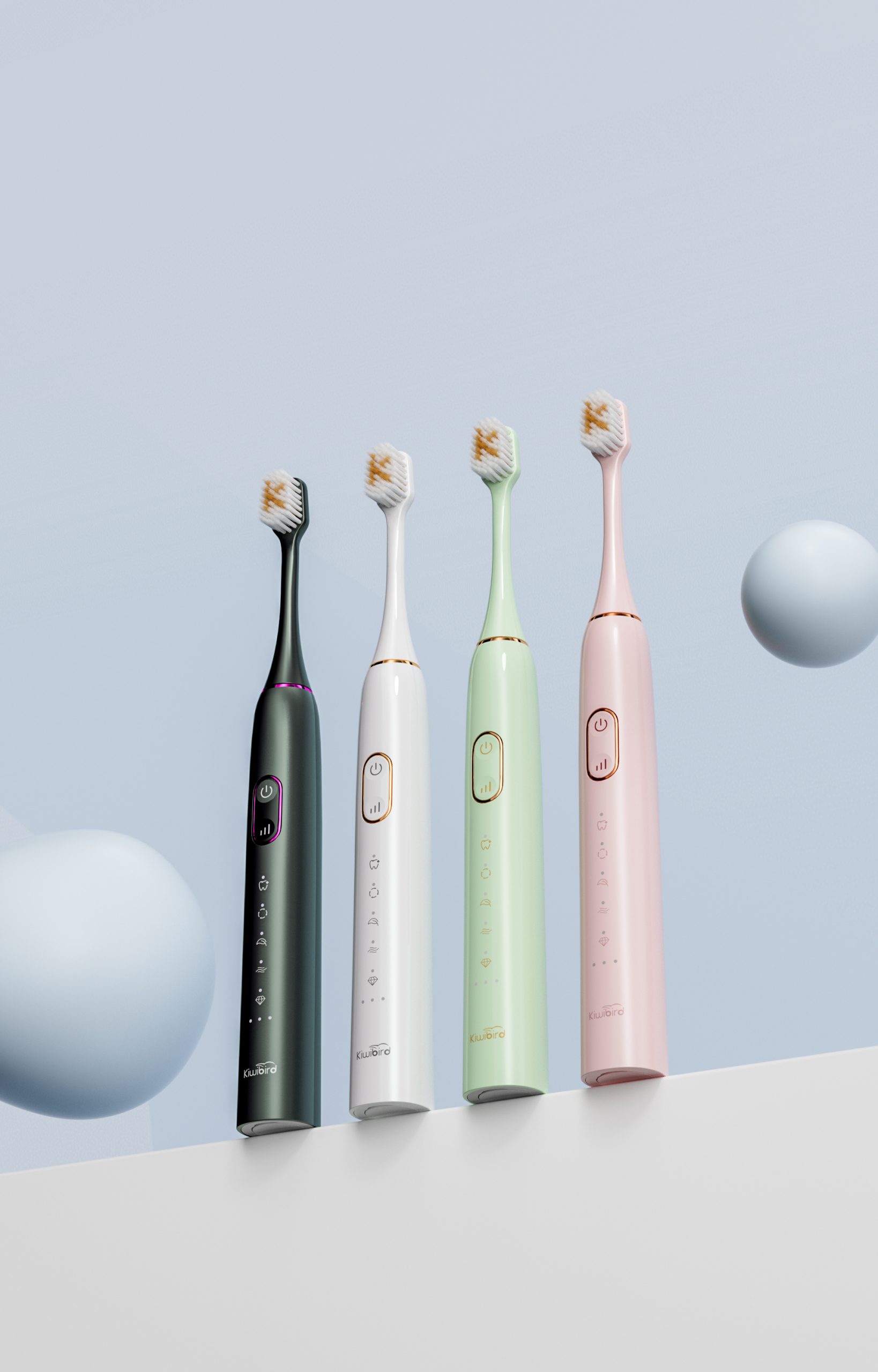
In oral care devices and fluid-based hygiene equipment, Nozzle Material plays a direct role in user safety, hygiene, and long-term performance. Many buyers assume that using Medical-grade Material is always the safest option—but is it necessary in every application? For B2B manufacturers and OEM partners, material selection must balance safety, compliance, cost, and real-world use scenarios.
Not all nozzles face the same exposure risks. Devices designed for direct oral contact, repeated use, or sensitive users often justify Medical-grade Material, while short-contact or disposable applications may meet safety needs with alternative compliant materials.
Medical-grade Material is specifically tested for biocompatibility, making it suitable for prolonged or repeated contact. When Nozzle Material interacts frequently with soft tissue, these properties significantly reduce irritation and allergic response risks.
Nozzles may be exposed to cleaning agents, pressure changes, or warm liquids. Medical-grade Material typically offers higher resistance to deformation and chemical degradation, helping Nozzle Material maintain structural integrity over time.
For reusable systems, Medical-grade Material supports sterilization processes such as UV treatment or chemical rinsing. This makes it a preferred choice when Nozzle Material must maintain hygiene standards across multiple use cycles.
Certain markets and certifications explicitly favor or require Medical-grade Material for components in contact with the body. Choosing compliant Nozzle Material can simplify approvals and reduce regulatory risks for OEM and private-label products.
While Medical-grade Material offers safety advantages, it also increases production cost. For high-volume or entry-level products, manufacturers may select alternative Nozzle Material that still meets safety standards while supporting competitive pricing.
Medical-grade Material is not always mandatory, but it is often the safest choice for Nozzle Material in applications involving frequent or sensitive contact. For B2B manufacturers, the optimal approach is a risk-based material strategy—matching safety requirements, regulatory needs, and market positioning to deliver reliable and compliant products. Contact us

Seeking Custom Handle Design Services Within Your OEM/ODM Manufacturing Partnership?
How Does Jet Stream Technology Function Efficiently in a Simple Gravity Feed System?
Does Saline Solution Compatibility Increase the Demand for Filter Cartridge Supply?
.jpg)
Bulk sonic toothbrushes for businesses Houston
.jpg)
electric toothbrush with fast charging OEM
sonic toothbrush with smart pressure sensor
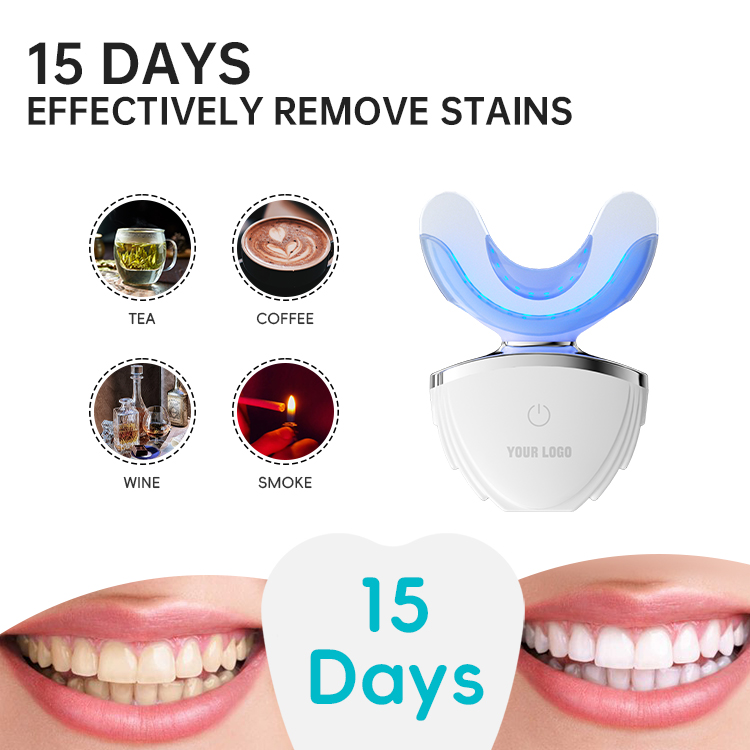
How Does an LED Whitening Lamp Activate a Specific Whitening Gel Formulation Effectively?
Quiet Sonic Toothbrush OEM Manufacturer for Global Brands
Ergonomic Sonic Toothbrush Handle OEM
What Is the Safest Teeth Whitening Method?
Cordless Water Flosser for Family Use – Portable Home Oral Hygiene Solutions
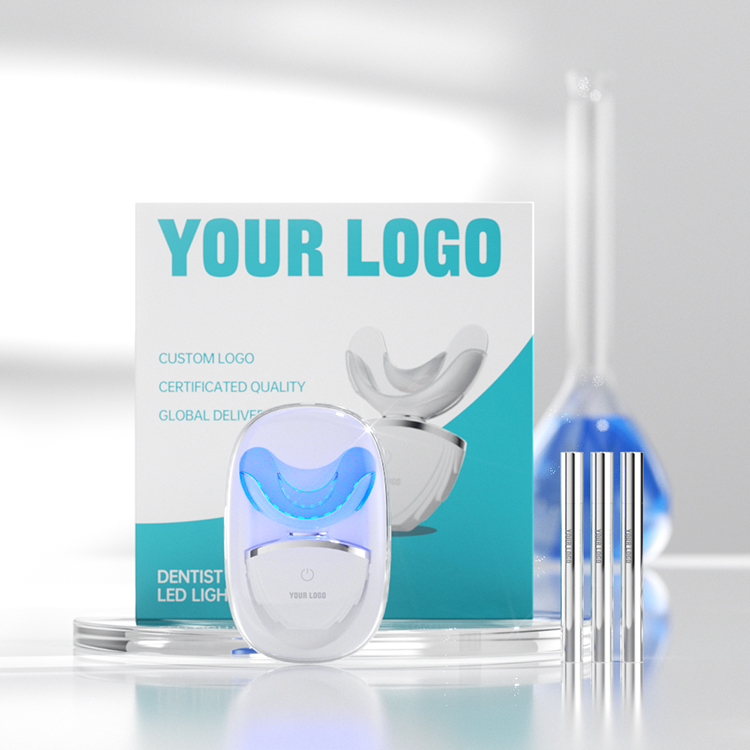
Why Should a Cosmetic Grade Whitening Gel Come with a Precision Gel Applicator?

Can a Water Pump OEM Ensure Consistency Without a Flow Rate Calibration Tool?
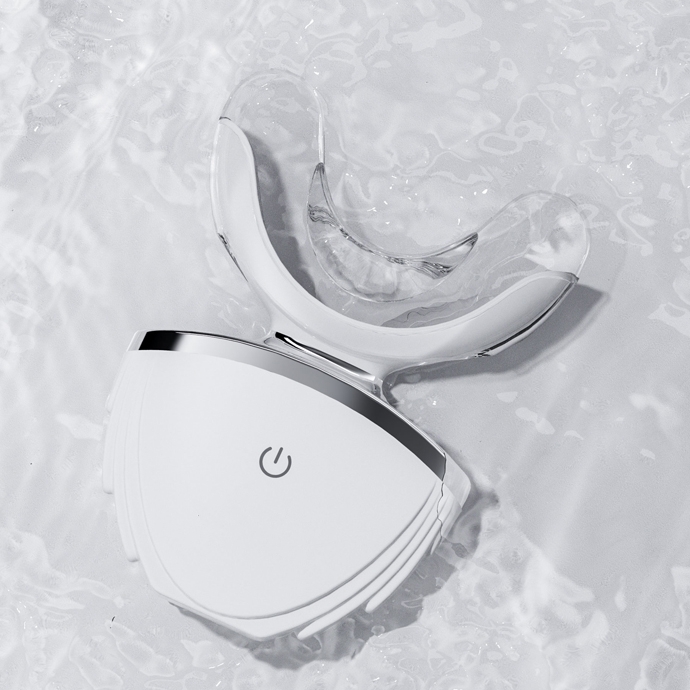
Is Your Accelerated Whitening Solution Backed by Full Aesthetic Device Compliance?
OEM Electric Toothbrush Supplier Supporting Small Orders
.jpg)
How Does Desktop Irrigator Design Integrate an Anti-bacterial Hose for Long-term Hygiene?


.jpg)
.jpg)
.jpg)
.jpg)
.jpg)






.jpg)
.jpg)