In the production of water flosser components, Nozzle Tip Molding is a critical manufacturing step that shapes the tip responsible for directing the water jet. However, even a precisely molded nozzle cannot guarantee long-term performance without proper validation. This is why Seal Failure Testing plays an essential role after Nozzle Tip Molding. By evaluating the sealing integrity and structural durability of the nozzle, manufacturers can ensure the final product delivers reliable water pressure, leak prevention, and consistent performance throughout the lifespan of the flosser.
During Nozzle Tip Molding, small variations in material flow, temperature, or mold precision can influence the sealing surfaces of the nozzle component.
Through Seal Failure Testing, manufacturers can detect potential weak points in the sealing area. This testing ensures that the nozzle created during Nozzle Tip Molding maintains proper sealing performance when connected to the flosser handle.
Water flossers operate under pressurized conditions, meaning that even minor sealing defects may lead to leakage.
By conducting thorough Seal Failure Testing, engineers can confirm that components produced through Nozzle Tip Molding can withstand operational pressure without allowing water to escape from the connection points.
The nozzle tip is responsible for directing a focused water stream for effective cleaning. If the seal around the nozzle connection is compromised, water pressure may drop or become inconsistent.
Seal Failure Testing helps verify that the Nozzle Tip Molding process has produced a component capable of maintaining proper pressure, ensuring consistent jet performance during flossing.
Even with advanced injection molding processes, small imperfections such as micro-cracks or uneven sealing edges may occur during Nozzle Tip Molding.
By performing Seal Failure Testing, manufacturers can identify these defects early in the production cycle, preventing defective components from reaching final assembly.
Nozzle tips are frequently removed, replaced, and exposed to water pressure. Over time, this repeated use can stress the sealing areas created during Nozzle Tip Molding.
Comprehensive Seal Failure Testing simulates real-world conditions, helping manufacturers verify that the nozzle design can maintain reliable sealing performance throughout repeated use.
For OEM flosser manufacturers, consistent quality control is essential for maintaining brand reputation and customer satisfaction.
By integrating Seal Failure Testing into the quality assurance process following Nozzle Tip , manufacturers can ensure that each component meets strict reliability standards before entering mass production.
While Nozzle Tip establishes the structural shape and function of a water flosser nozzle, the reliability of the final product depends heavily on sealing performance. Through rigorous Seal Failure Testing, manufacturers can verify seal integrity, prevent leakage, and ensure stable water jet performance. For water flosser producers and OEM suppliers, combining precision molding with thorough testing is key to delivering dependable and high-quality oral care devices. Contact us

.jpg)
Is an RV battery toothbrush truly an RV travel essential?

Voice-Activated and AI-Driven Toothbrushes – The Next OEM Frontier
.jpg)
Electric Toothbrush Travel Case Guide: Choose the Best Case for On-the-Go
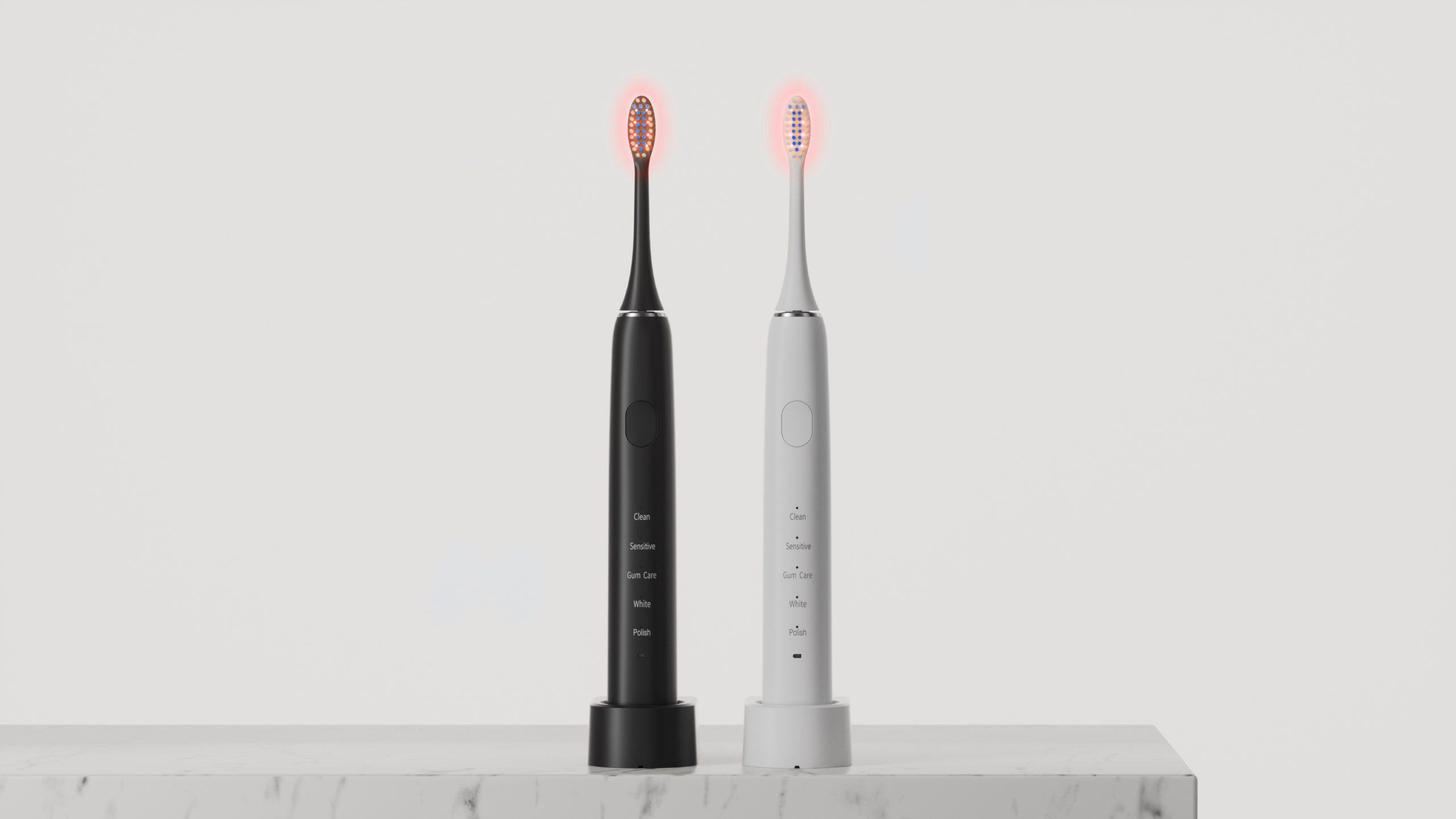
Secrets of Electric Toothbrush Combined with LEDs
Interested in a Revenue Sharing Partnership to Launch a Micro-current Skin Tightening Device?
jaw pain water flosser benefits: reduce TMJ strain
root cavities water flosser prevention: gumline care
.jpg)
Is pressure sensor tech a must-have for sensitive gums?
Electric Toothbrush Charging Safety OEM: Reliable and Secure Power Design
What Are the Causes of Bad Breath and How to Treat It?
.jpg)
Struggling with patient acquisition? Dental marketing that converts
Chicago Black Friday: Best Electric Toothbrush Deals
.jpg)
Is a Quiet Electric Toothbrush Best for NYC Apartments?
electric toothbrush small batch OEM | Low MOQ Sonic Toothbrush Manufacturer
Noise Complaints from Handle Corrosion? A Silent Threat Uncovered!

Why Build a Pressure Control System with Medical-grade Material for Professional Flossers?


.jpg)
.jpg)
.jpg)
.jpg)
.jpg)