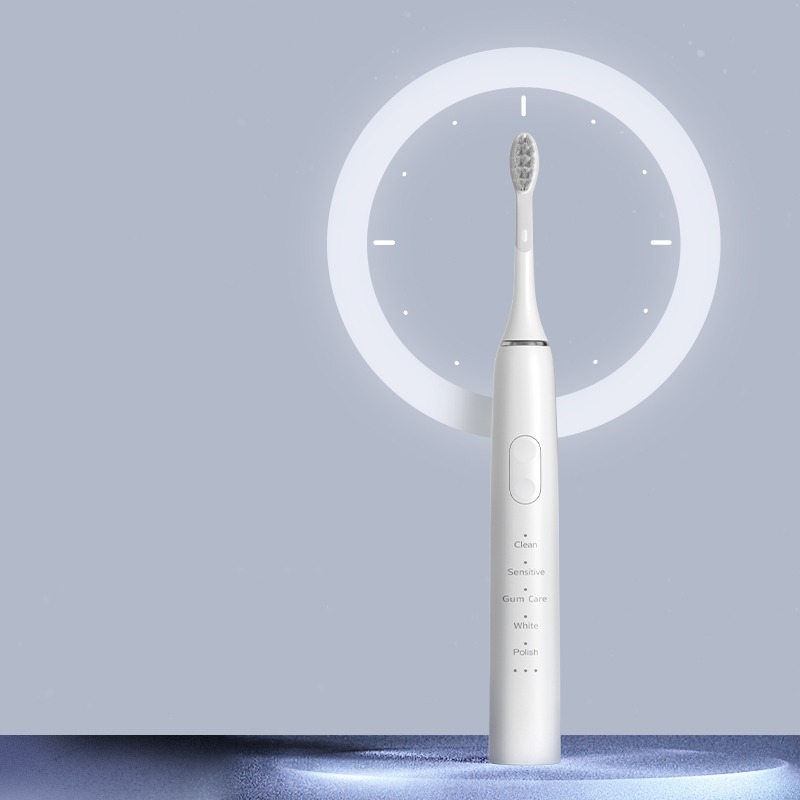
With the rising popularity of oral irrigators, many customers ask: “Are Water Flossers Bad for You or not?” This question highlights the importance of addressing consumer doubts while providing evidence-based insights. A professional Water flosser safety evaluation is essential for manufacturers and brand owners to ensure products meet international quality standards and deliver a positive oral health impact.
Water flossers, also called oral irrigators, use a pressurized water jet to remove plaque, food particles, and bacteria between teeth and below the gumline. Studies have shown that they can reach areas traditional floss cannot, supporting healthier gums and fresher breath. Rather than being harmful, water flossers are designed to improve oral hygiene when used properly.
Manufacturers must follow strict quality and safety benchmarks to guarantee product reliability. A standard Water flosser safety evaluation includes:
Testing water pressure levels to avoid gum irritation.
Ensuring BPA-free, medical-grade plastics for water tanks and nozzles.
Electrical safety certifications for consistent use.
Waterproof structure testing to ensure safe use in bathrooms.
These evaluations are not only consumer-driven but also critical for OEM brands planning large-scale distribution.
Far from being “bad for you,” multiple clinical trials confirm the oral health impact of water flossers:
50% greater reduction in gingival bleeding compared to string floss.
Improved plaque removal efficiency when combined with brushing.
Safer and more effective for people with braces, implants, or crowns.
Such findings prove that the question “Water Flossers Bad for You or not?” can be answered with confidence: when produced under quality control standards, they are beneficial, not harmful.
For brand owners, OEM product testing is a critical step before launching private-label or customized water flosser lines. This process typically includes:
Reliability testing under continuous use.
Durability of pump and motor lifespan.
Hygiene testing of detachable nozzles.
Compliance with FDA, CE, or other regional safety certifications.
By performing strict OEM product testing, manufacturers ensure that products are safe, reliable, and ready for global markets.
A reputable manufacturer doesn’t just build devices; it builds trust. Providing transparent Water flosser safety evaluation reports, highlighting proven oral health impact, and ensuring rigorous OEM product testing allows brand owners to answer confidently when consumers ask, “Are Water Flossers Bad for You or not?” The result is a product that improves oral care, strengthens customer loyalty, and expands business opportunities.
Conclusion: Water flossers are not harmful when designed, manufactured, and tested under strict safety standards. Instead, they provide measurable benefits for oral health and represent a strong growth opportunity for OEM brands in the oral care industry.
.jpg)
Thanksgiving Sonic Toothbrush Client Gift | Wellness Appreciation
Premium Electric Toothbrush OEM Service for High-End Oral Care Brands
.jpg)
Looking for a Toothbrush Supplier with Toothbrush Replacement Heads?
Are multiple cleaning modes worth it for a custom clean?
.jpg)
Powsmart Electric toothbrush Factory Birmingham Alabama
Corporate Holiday Toothbrush Gift Sets | Wellness Gifts for Employees
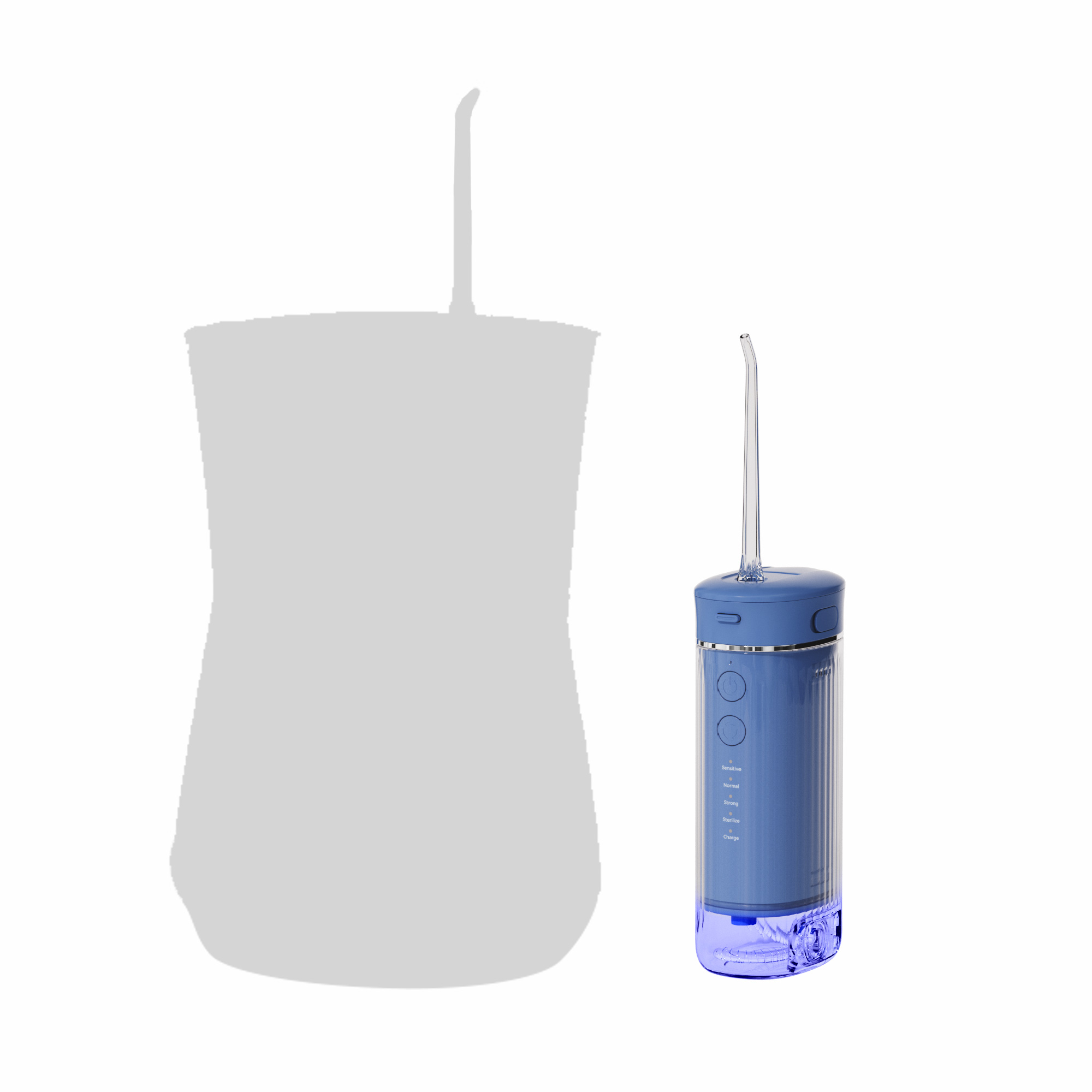
Low Pressure Water Flosser for Tonsil Stones: Specialized Solutions From The Manufacturer
Can an electric toothbrush truly improve your oral hygiene?
Sonic Toothbrush Gift for Southern Hospitality
Why Source Custom Toothbrush from a Toothbrush OEM Supplier?
Seeking an eco-friendly toothbrush from a bamboo toothbrush factory?
.jpg)
Can a Toothbrush Design Company Help Create a Toothbrush for Sensitive Teeth?
Dental Practice Gift Toothbrush Supplier | Patient Care Solutions
Kids Electric Toothbrush Bulk Supplier | School and Clinic Programs
.jpg)
Water Flosser Leaking Solutions: Troubleshooting Guide From The Factory
Eco-Friendly Electric Toothbrush Manufacturer | Sustainable Oral Care


.jpg)
.jpg)
.jpg)
.jpg)
.jpg)