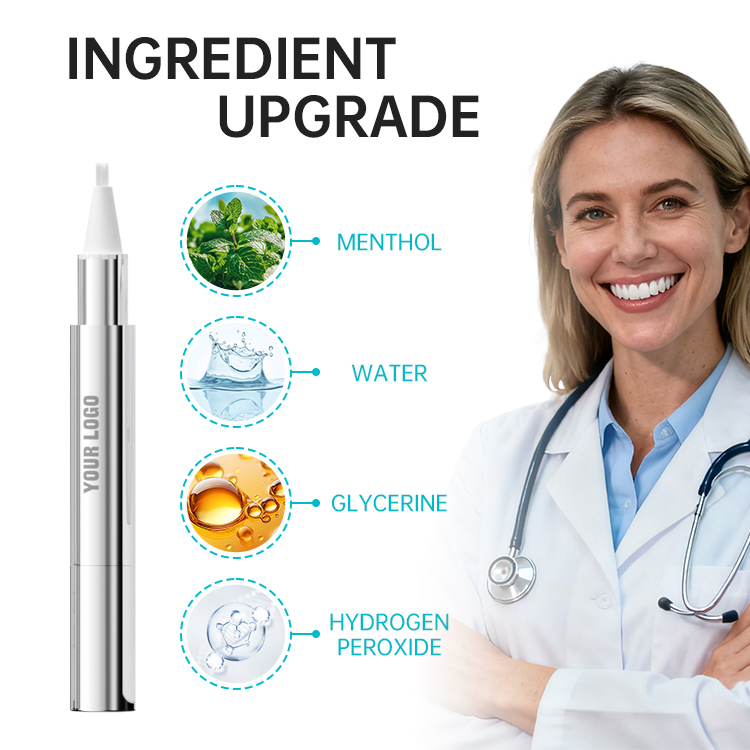
In recent years, consumers have become increasingly aware of what goes into their personal-care products. This shift has fueled a strong demand for Natural Ingredient Tooth-Whitening solutions—products that promise brighter teeth without the harshness of chemical bleaching. For oral-care brand owners exploring new product lines or seeking manufacturing partners, understanding what dentists think about these natural approaches is essential.
What Dentists Really Think About Natural Whitening Ingredients
When asked for their dentist opinion, most dental professionals agree on two points. First, natural whitening agents—such as coconut oil, fruit enzymes, or mild mineral abrasives—can support oral cleanliness and gentle stain removal. Second, these ingredients alone usually cannot match the whitening intensity of peroxide-based treatments. However, many dentists also emphasize that a balanced formulation with safe concentrations can deliver noticeable results while maintaining safe teeth whitening standards. This creates space for innovative product development that combines safety, efficacy, and natural appeal.
Safety First: Are Natural Whitening Products Truly Gentle?
Dentists warn consumers not to assume “natural” automatically means safe. Some DIY ingredients, like acidic fruit extracts or abrasive powders, may damage enamel. That’s why brands developing commercial products must rely on controlled, science-backed formulations. A professionally developed product ensures the correct ratios, pH balance, and clinical testing—turning natural ingredients into truly safe teeth whitening solutions suitable for everyday use.
Key Natural Ingredients Dentists Approve
Across interviews and clinical observations, dentists frequently highlight a few promising natural components:
-
Mild mineral polishes such as calcium carbonate
-
Hydrated silica for controlled, low-abrasion whitening
-
Enzymes like papain or bromelain for stain breakdown
-
Coconut-derived surfactants to support plaque removal
When formulated correctly, these ingredients can help reduce surface stains and maintain oral hygiene—making them attractive options for brands looking to differentiate their whitening products.
Why OEM Whitening Products Matter for Brand Owners
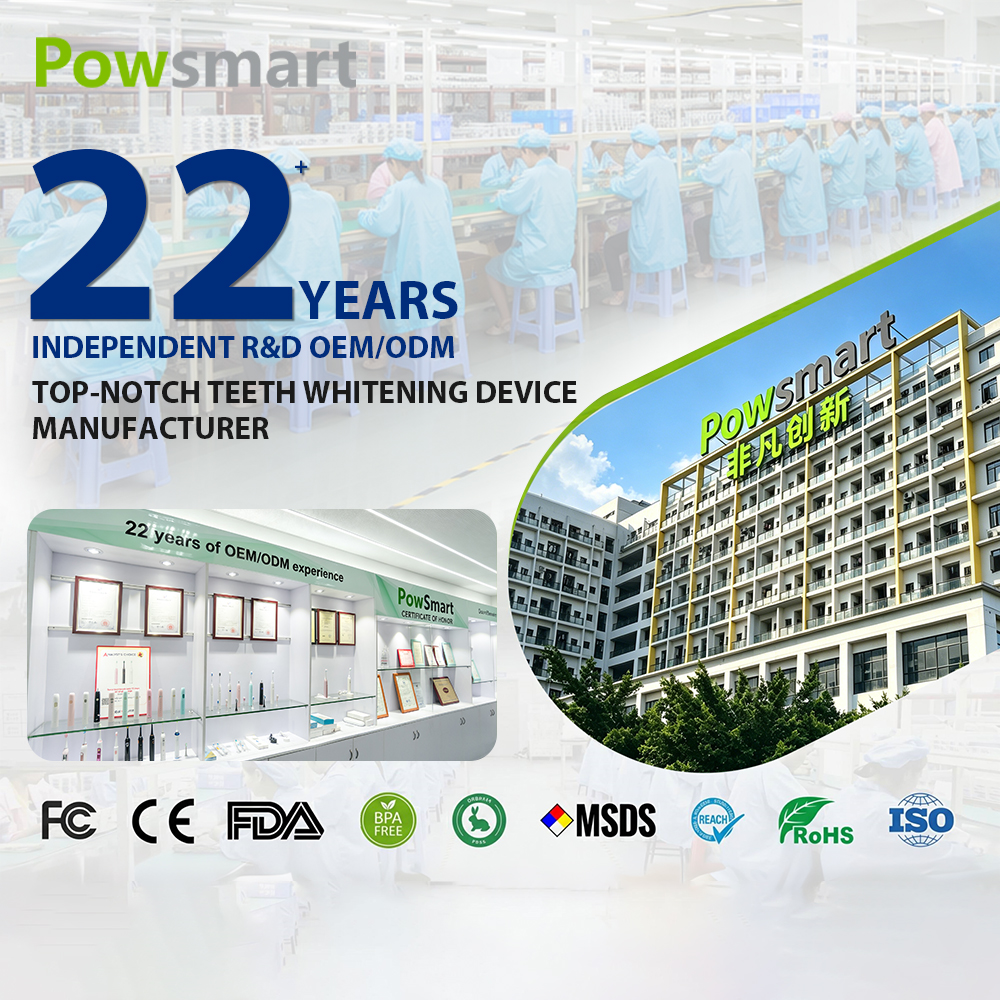
For oral-care brands planning to expand into natural whitening, partnering with an experienced manufacturer is crucial. OEM whitening products allow companies to leverage professional formulation expertise, customization options, and regulatory compliance support. A qualified OEM factory can help develop natural ingredient blends that align with dentist recommendations. Ensuring that the final product performs well, remains gentle on enamel, and meets consumer expectations.
Conclusion: Aligning Dentist Insights With Market Demand
Natural ingredient whitening solutions represent a growing trend, but success depends on combining consumer interest with credible dental science. Dentists acknowledge the benefits of natural ingredients when used responsibly, and OEM manufacturing partners can turn these insights into high-quality, market-ready products. For brands seeking to build trust and stand out in the whitening category, aligning product development with professional dentist opinion and evidence-based safety is the most reliable path forward.
.jpg)
