
In the world of oral care devices, few issues frustrate users more than experiencing sudden sensitivity spikes caused by pressure overkill. While these symptoms are often dismissed as user error, they frequently stem from subtle design flaws or inadequate calibration. If left uncorrected, this combination can result in unnecessary discomfort, product returns, and brand damage.
This blog will explain why excessive pressure is more than just an annoyance, how it leads to sharp sensitivity, and what manufacturers can do to engineer solutions that protect the end user.
Pressure overkill refers to the application of force beyond the recommended threshold during brushing or cleaning cycles. For example:
Even brief episodes of excessive force can create microscopic damage in enamel or gums.
Sensitivity spikes are sudden, intense discomfort triggered by heat, cold, sweetness, or touch. Customers often report:
These symptoms can persist long after the pressure event, undermining user confidence.
When devices exert too much pressure, several harmful processes can occur:
The result is that even normal stimuli feel painful, making daily use unpleasant.
If manufacturers don’t address pressure overkill and resulting sensitivity spikes, they face:
Proactive engineering and clear user guidance are essential to protecting both the end user and the business.
Leading OEMs and ODMs integrate multiple strategies to avoid these issues:
This combination of hardware and software safeguards user comfort.
If you notice a pattern of complaints around sensitivity spikes, take immediate action:
Timely intervention helps preserve customer satisfaction and avoids larger-scale reputation damage.
Pressure overkill leading to sensitivity spikes is not merely a cosmetic concern—it is a real source of discomfort that signals design or quality control gaps. By prioritizing intelligent pressure management and user-centered design, manufacturers can build devices that are powerful yet gentle, restoring customer trust and reinforcing the value of your brand.
If you’d like to discuss how advanced pressure control can be integrated into your next-generation products, our engineering team is here to help. Contact us
As a Micro Motor Supplier, Do You Also Provide the UV Sanitizing Component?
.jpg)
smart electric toothbrush OEM | Custom Smart Sonic Toothbrush Manufacturer
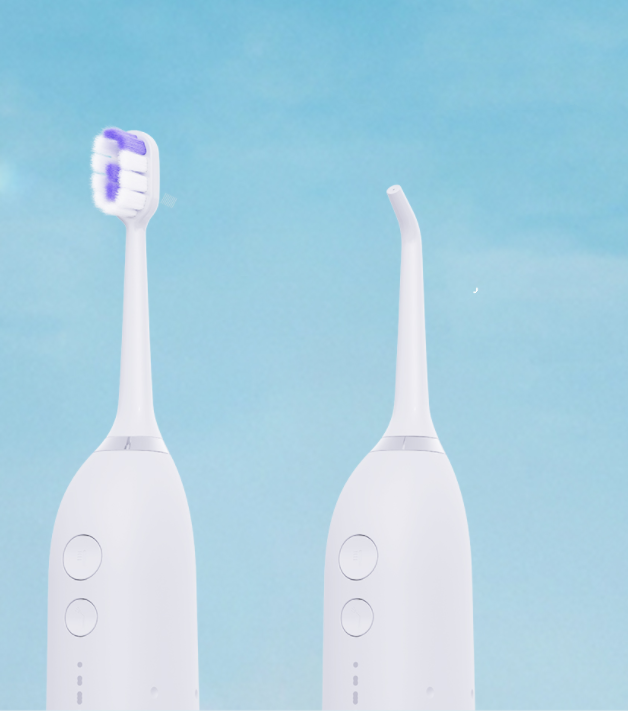
Orthodontic Electric Toothbrush for Braces – Deep Cleaning Bristle Design
Taste Loss After Mucosal Burns – Whitening’s Cost?
Enamel Erosion with Cavity Acceleration – Vicious Cycle?
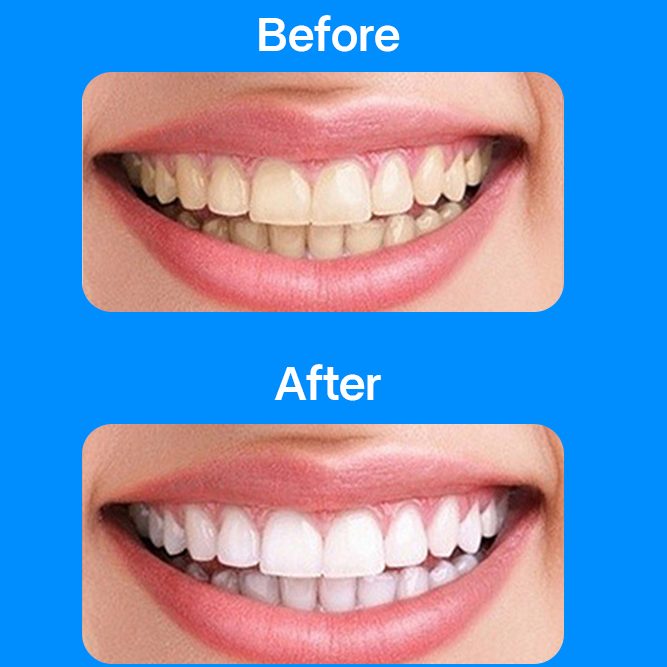
Is It True That Portable Teeth Whitening Devices Have No Effect at All?
Button Decay Causing Sensitivity Spikes – User Error?
Electric Toothbrush Compliance Standards for OEM & Global Distributors
.jpg)
Powsmart Electric toothbrush Factory San Diego California
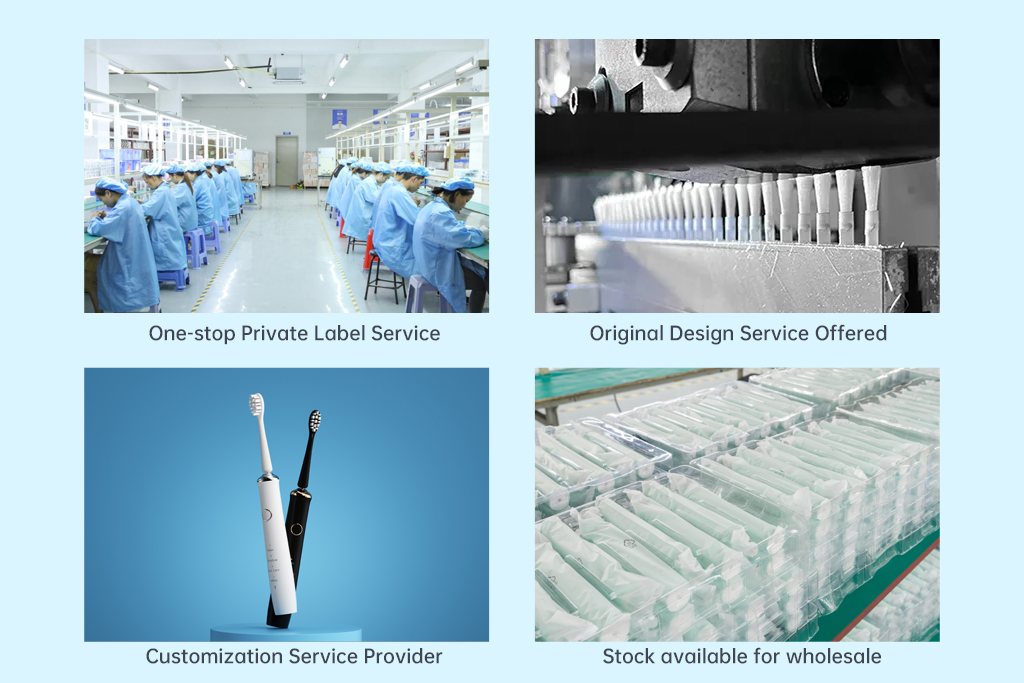
Critical Success Factors for Oral Care Brands
Dental Whitening Device ODM for Global Oral Care Brands
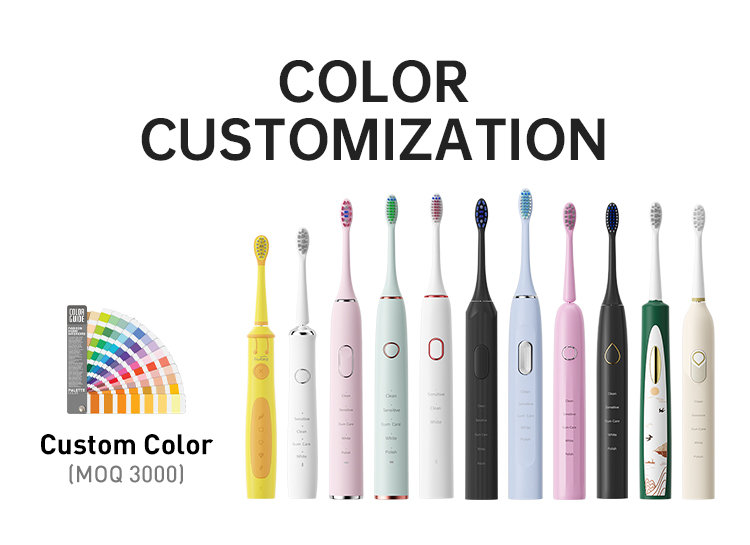
Can a Wearable Whitening Strip Be Part of a Home Use Whitening System?
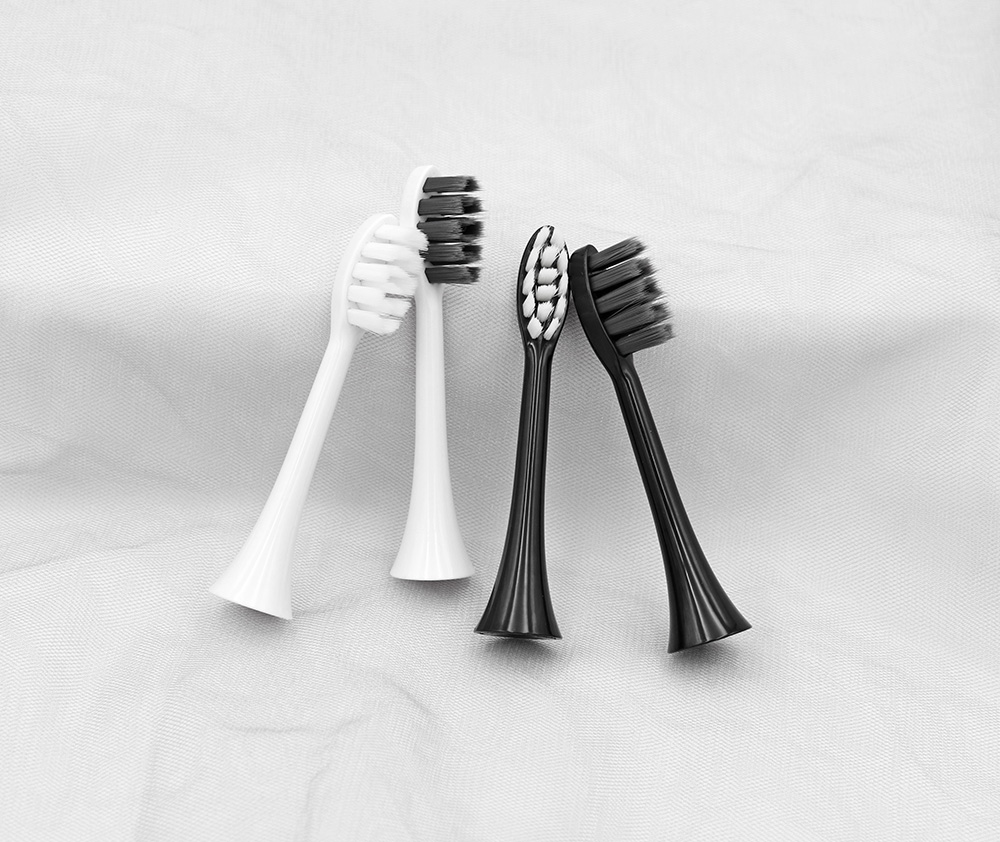
Multi-Color Electric Toothbrush Head Options – Custom Branding for Kids & Adults
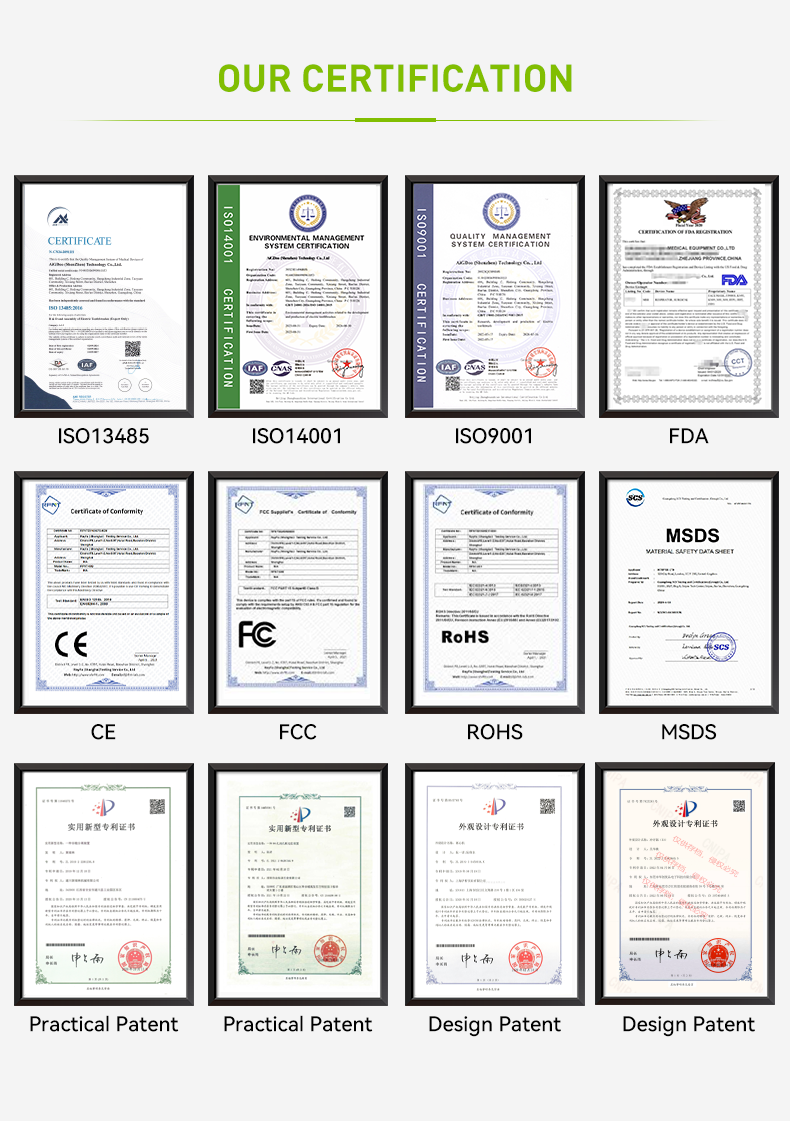
Why is a Magnetic Drive Motor the ideal core for products requiring an IPX8 Waterproof Rating?
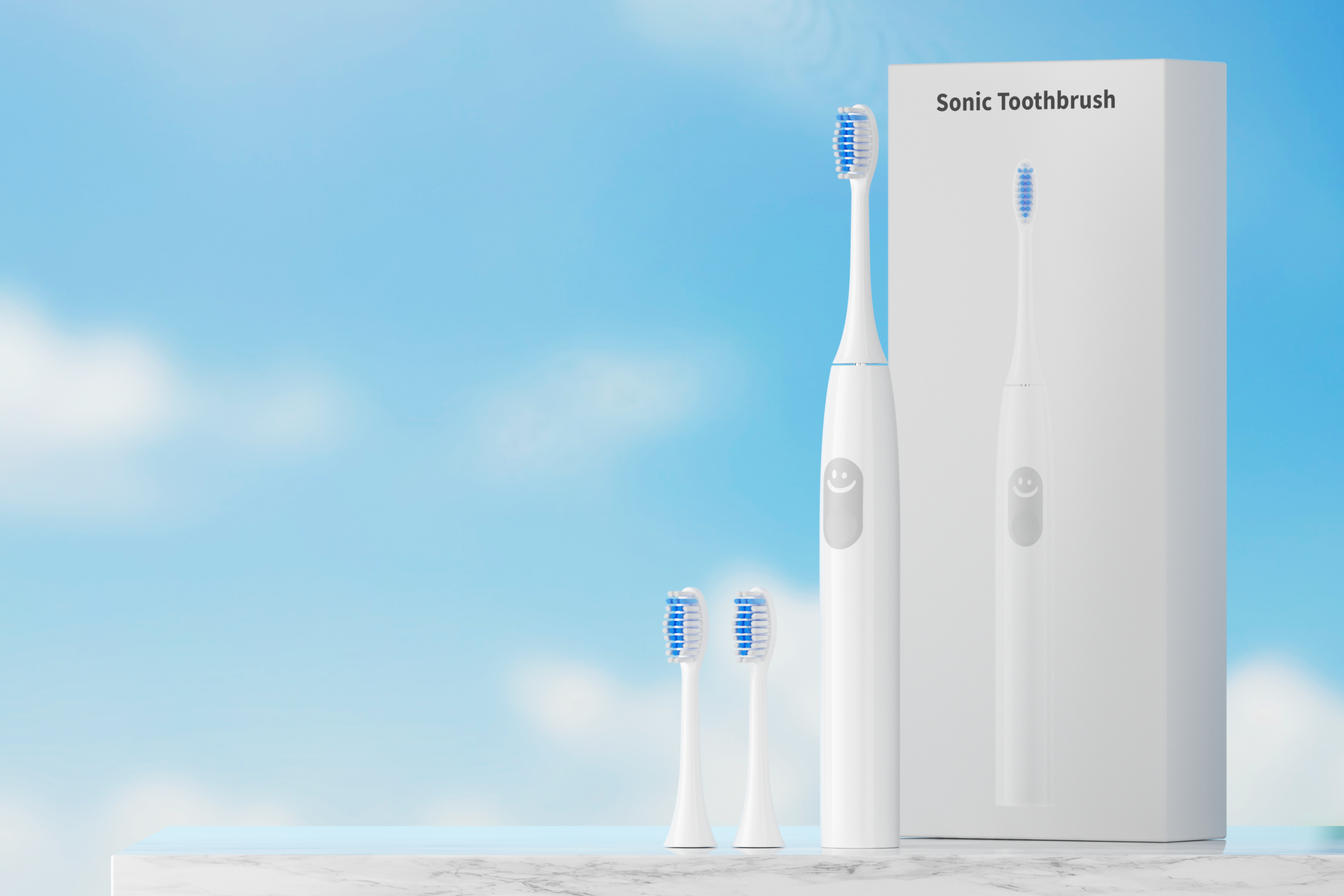
Affordable sonic toothbrushes Manufacturing – High Quality, Flexible MOQ
Eco-Friendly Electric Toothbrush OEM Solutions for Global Oral Care Brands


.jpg)
.jpg)
.jpg)
.jpg)
.jpg)




.jpg)
.jpg)

.jpg)
.jpg)